
REVIEW · CHITWAN SAFARI TOURS FROM KATHMANDU
12-Day Nepal Adventure Trek with Jungle Safari
Poon Hill sunrise steals the show. This 12-day mix of Kathmandu temples, an Annapurna trek to Poon Hill, and wildlife time in Chitwan National Park gives you a lot of Nepal in about two weeks. I love the balanced schedule, where you get big view moments without being on a knife-edge all day, and I also like that a local guide runs the whole thing so you are not constantly sorting logistics. One drawback to plan for, the sightseeing entrance fees in Kathmandu are not included, budget about $25 per person for those Day 2 stops.
I also like the group size, it runs up to 14 people, which usually keeps the day trips feeling organized rather than chaotic. You should be ready for a moderate fitness level, and yes, there can be at least one very steep push, described as a brutal 3000-stair stretch by past hikers. If you want a totally flat vacation, this is not it.
Permits are handled for you, with trekking permit and TIMS included, which is a real time saver when you just want to focus on the trail. Meals are mostly covered, but not all of them, so it is smart to carry snacks and keep an eye on what your day still needs.
Key Things That Make This Tour Worth a Look
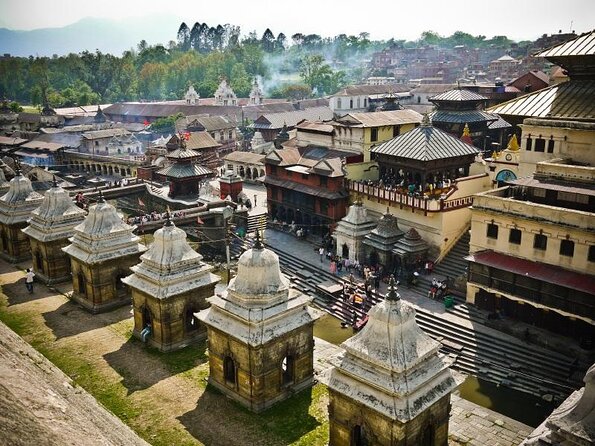
- Poon Hill sunrise timing built into the Annapurna hike, with multiple giant peaks in view
- Chitwan safari plus Tharu culture, not just a drive-by wildlife stop
- Permits included (trekking permit and TIMS), so you are not chasing paperwork
- Airport pickup and transport by tourist bus between Kathmandu, Pokhara, and Chitwan
- Smaller group up to 14, which makes the pacing feel more human
- Guide support that helps slower hikers, including porter support if needed
What You Get for Around $950 in Nepal
For $950 per person, you are buying structure. You get 11 nights of accommodation, transport between the big regions, and a local guide for the whole run. You also get trekking permits covered, plus most meals: breakfast is included 11 times, lunch 7 times, and dinner 6 times.
That value usually works best if you like having a plan, but you do not want to manage the details. Kathmandu sightseeing, road time to Pokhara, a short Annapurna trek, then Chitwan, all happen in one connected flow. If you have ever tried to string together bus tickets, guides, and permits on your own, you know how much time that costs.
The tradeoff is that a few costs sit outside the package. The Nepal entry visa, travel insurance, and international airfare are not included. Drinks and sweet snacks are also not included, and tips for the guide, porter, and driver are not included. On top of that, Kathmandu entrance fees for the Day 2 sights are extra, listed at $25 per person.
You can also read our reviews of more hiking tours in Kathmandu
Kathmandu in a Single Day: Four Iconic Stops, Four Different Moods
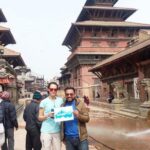
Day 2 is your Kathmandu flavor test, and it is a good one. You hit Swaymbhunath (Monkey Temple) for about an hour, then Kathmandu Durbar Square for around two hours, Boudhanath Stupa for two hours, and Pashupatinath Temple for about an hour.
Swaymbhunath is the quickest taste of Kathmandu’s character. Expect monkeys, lots of stairs, and that special feeling that you are looking at the city from above. Just plan for the fact that admission tickets for these sites are not included in the tour price.
Kathmandu Durbar Square gives you history you can walk through. It is more about atmosphere and architecture than it is about one single building. The main practical note is time and footwear, you will be moving across uneven ground and steps.
Boudhanath Stupa is a slower beat. It is a place where you can stand, watch, and absorb the pace. If you are prone to sensory overload, this is where you can reset.
Pashupatinath Temple is spiritual and very serious in tone. Dress respectfully and keep your pace steady, because it is not a place where you want to rush your experience. Also, because admission is not included, bring extra cash for those Day 2 entrance fees.
The Pokhara Transfer: Why That Scenic 6 Hours Matters
Day 3 is a 6-hour drive from Kathmandu to Pokhara along the Trisuli and Marsyangdi River. This is not just transportation. It is a gentle reorientation day where the scenery changes and you shift from city motion to trail thinking.
You will likely feel this day as a breather before hiking starts. Even if you are tired, the road gives you a chance to pack, organize your daypacks, and mentally switch gears. It also sets you up for Pokhara, the base for your Annapurna portion.
If you get carsick, consider taking precautions. The itinerary does not mention any special gear or medication, so you will want to handle that yourself.
Trek Day 1 in the Annapurna Region: Tikhedhunga and the First Climb
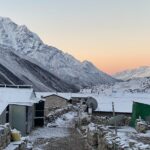
Day 4 begins with breakfast, then a drive to Nayapul (about 1.5 hours). From there, you start hiking out to Tikhedhunga at 1577m, via Birethanti (1065m). The trek time is listed at about 6 hours.
This is your first real test of rhythm. The route is not described as a pure endurance death march, but it is a start, and it is the day you learn how your legs respond when you have been sitting in a vehicle.
What I like about this setup is that it gives you a “wake up” day rather than jumping straight to maximum effort. Still, you should plan your pace like a pro. Go slow early, drink regularly, and keep your pack weight sensible.
A practical drawback to note, lodging in tea-house trekking areas is usually simple. You can expect basic comfort rather than anything fancy.
Ghorepani Day: Steeper Start, Village Passing, Trail Views Building
Day 5 trek is about 7 hours. You start from your lodge with a hot breakfast and begin with a steep climb for the first two hours. After that, the trek becomes gentler, passing through Ulleri (2070m) and Banthanti.
This day matters because it sets up the next stage, the part of the trek that brings the famous sunrise payoff. If your legs feel heavy, do not panic. This is one of those days where pacing is everything.
The itinerary emphasizes the change in gradient, steep early then gentler later. That is a good sign for first-timers, but it still means you should be ready for breathing harder, especially in the first portion.
A few more Kathmandu tours and experiences worth a look

Poon Hill and Tadapani: Sunrise Views Over Giant Peaks
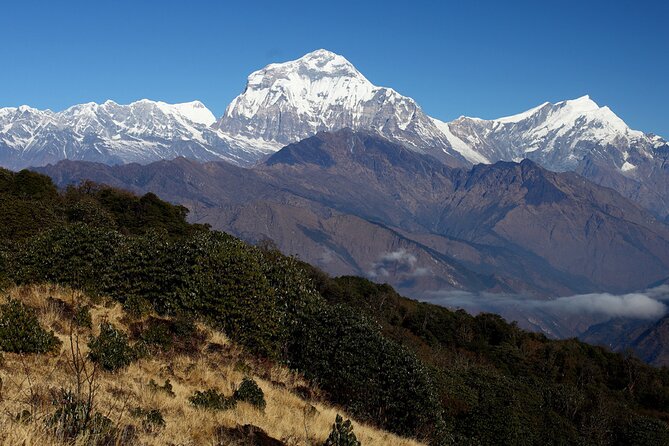
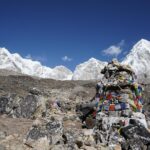
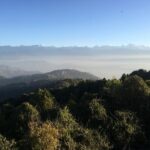
Day 6 is your big viewpoint day. You hike to Poonhill (3232m) to enjoy sunrise views, then continue trekking to Tadapani. Total trek time is also about 7 hours.
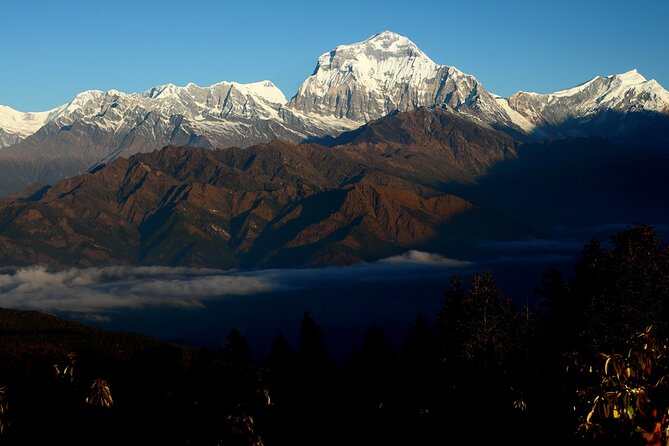
Sunrise at Poon Hill is the kind of experience people remember for years, and the itinerary calls out an impressive list of visible peaks: Mt. Dhaulagiri, Tukuche Peak, Nilgiri, Varaha Shikhar, Annapurna I, and Annapurna South. Even if visibility changes with weather, the early-morning atmosphere is usually part of the magic.
Because sunrise means early starts, this is where cold mornings matter. Bring layers you can add and remove easily. Also, bring something for your hands, since you will often wait outside before the sun fully arrives.
One more reality check: at least one day on this overall trip has been described as a very steep elevation gain challenge, with a 3000-stair stretch noted by past hikers. That does not mean you fail. It means you should plan to go slow and steady.
Ghandruk: A Shorter Day Through Rhododendron and Oak
Day 7 is listed at about 4 hours. You trek after breakfast, and the day is described as easy trekking by descending gently through dense forests, including rhododendron and oak. You also get the benefit of bird sounds along the way.
This is a breather day, and it can be exactly what you need after earlier climbs. Shorter hiking time means you can focus on walking well, not just surviving the route.
If you like forest trekking and bird calls, this section is a nice change from viewpoint chasing. It also helps you recover energy for the last trekking day.
Last Trek Day: Rice Fields, Local Villages, and Syauli Bazaar
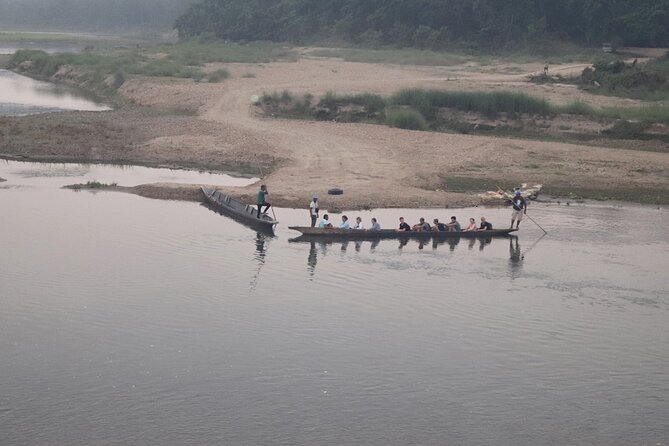
Day 8 is about a 6-hour trek and your final day on the Annapurna route. The day is described as very easy by descending gently, with a portion through rice fields and local villages to Syauli bazaar.
This is the day where the trek turns into more of a local travel experience. You will be moving through farmland and settlement areas, which makes the atmosphere feel more connected to daily life.
The main thing to plan for is your energy. Even if the trail is easier, you still need good shoes and steady hydration. Many people are tempted to speed up here, and that can lead to sore knees.
Chitwan National Park: Jungle Lodge Check-In and Tharu Culture
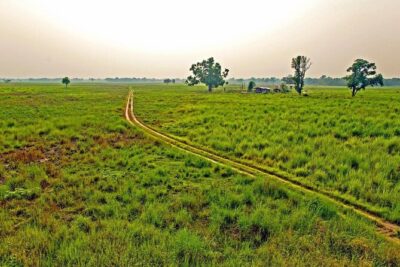
Day 9 switches from mountain air to jungle. After an early breakfast, you drive to Chitwan, a trip of about 6 hours. You check into your jungle lodge, then embark on a wildlife Tharu village tour.
This day is half road transfer, half culture. The Tharu village tour is a smart addition because it gives context. It is not just nature time. It is also people and tradition, and that helps you appreciate why the region looks and functions the way it does.
Also, jungle lodges are often practical rather than luxury. Think clean and comfortable, not polished spa. The trip has a pattern of accommodations described as basic but clean.
Full Jungle Day: Jungle Walking, Safari Time, and a Tharu Stick Dance
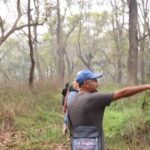
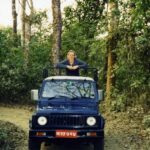
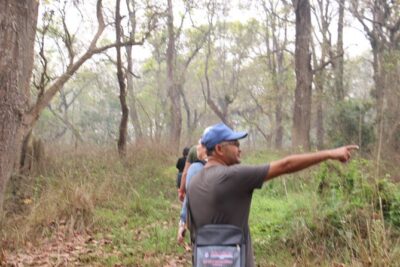
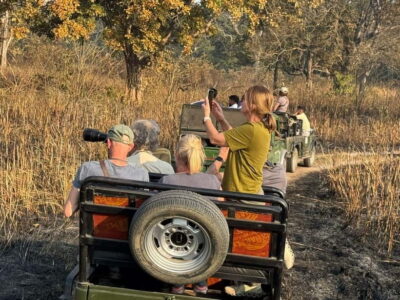
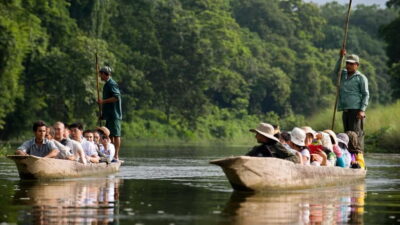
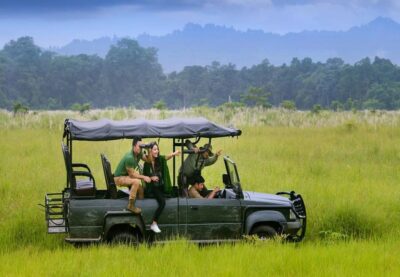
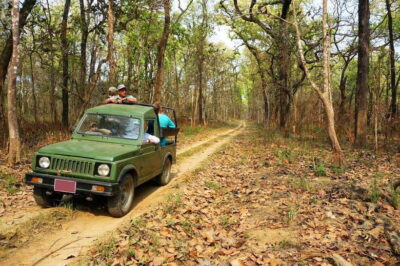
Day 10 is the action day. You start with breakfast, then get jungle walking and a jungle safari that goes across streams and into the jungle. The itinerary also includes a Tharu cultural stick dance, described as a scintillating performance.
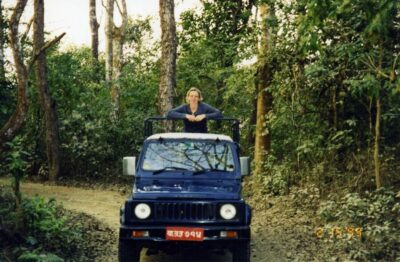
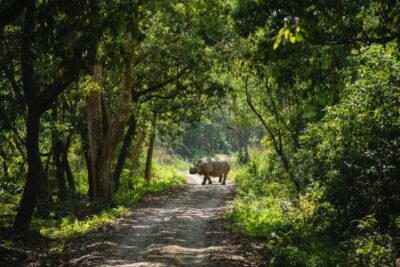
Safari time is always weather and animal dependent, so go into it with realistic expectations. The value here is the variety. Walking adds close-up sensory impressions, while the safari changes your perspective and increases your odds of seeing wildlife.
The Tharu stick dance is the kind of cultural moment that makes a day feel complete. It turns the day from just looking into also learning and watching something live.
If you tend to get chilly in forests, bring a light layer. Humidity can swing your body temperature in a way that feels unpredictable.
Bird Watching Morning and the Ride Back to Kathmandu
Day 11 starts with a bird watching tour in the morning, then a drive back to Kathmandu. This day is lighter on hiking and focuses on slowing down and paying attention.
Bird watching is often a sleeper activity for visitors, but it can be surprisingly satisfying if you like patient observation. It is also a nice transition out of Chitwan, bringing you back toward city comforts.
When you arrive in Kathmandu, you check into your hotel, ready for your final day.
Day 12 Wrap-Up: One Last Chance to Absorb Nepal
Day 12 is your final day to reflect and depart. There is no big itinerary described beyond the sense that this combo vacation will stick with you. In practice, this is the day to keep your schedules simple and let your body recover.
If you are the kind of traveler who uses the last day to buy small gifts, check what you need and keep cash handy.
Price and Logistics: Where You Get Extras Versus Where You Pay Up
This tour is built to be “hands-off” for the parts that are hardest to coordinate: intercity transport, permits, and guide support. That is a big part of the value in your $950 price tag.
Here is what you should expect to pay out of pocket:
- Nepal entry visa fee
- Travel insurance
- International flights to and from Nepal
- Tips for guide, porter, and driver
- Entrance fees for Kathmandu Day 2 sights (listed as $25 per person)
- Meals not specified in the itinerary, plus drinks and snacks
- A porter, if you need one (trek porter is listed as not included)
The best way to think about it is simple: you pay for peace of mind, then budget a few extras for personal choices.
Also note: the tour is set up for travelers with moderate fitness, and it caps at 14 people. That usually means fewer interruptions and better group cohesion.
Fitness Reality Check: The Trek Is Moderate, But Not Flat
The itinerary frames the trip as doable with moderate physical fitness. That fits the overall structure: a short Annapurna hike plus a few easy-descending days.
But do not underestimate the tough parts. One past hiker called out an extreme elevation gain day, including around 3000 stairs at one shot. That tells me two things.
First, you should bring trekking poles if you use them. They can save your knees on descents, and they help on stair climbs.
Second, you should go out of your way to pace. A steady, slower climb beats a fast start every time, especially when you are breathing hard.
In terms of comfort, accommodations are described as basic but clean. Food is often described as plentiful and good. That combo is common in tea-house trekking areas, and it works because it supports energy rather than luxury.
Who Should Book This Nepal Adventure Trek
I think this is a strong fit if you want:
- A first Nepal trip that covers culture, mountains, jungle, and wildlife without long internal planning
- A trekking challenge that is real, but not a months-long endurance project
- A guided experience that keeps the logistics from crowding your mind
You might want to rethink it if you:
- Need a trip with minimal stairs and minimal elevation gain
- Expect high-end hotel comfort every night
- Do not want to budget extra for entrance fees and personal expenses
If you are traveling solo and like meeting a small group, the up-to-14 limit helps. And if you are worried about pace, it helps that guide support is repeatedly highlighted, including the possibility of porter help for slower hikers.
Should You Book This Nepal Adventure Trek?
If you want a very efficient Nepal sampler, I’d book it. The mix of Kathmandu temples, a classic Poon Hill sunrise experience, and a full Chitwan wildlife day gives you variety without turning the trip into a frantic checklist.
The decision hinges on one question: can you handle a steep day or two plus lots of stair walking? If your answer is yes, you’ll likely appreciate the structure, the guide support, and the fact that permits and transport are handled. If your answer is no, you may still enjoy Nepal, but you should look for an itinerary with more gradual elevation and less stair intensity.
FAQ
What time does the tour start?
The start time is 6:15 am at Tribhuvan Airport in Kathmandu, Nepal.
Is the trekking permit included?
Yes. The tour includes the trekking permit and TIMS permit.
What meals are included?
Breakfast is included 11 times. Lunch is included 7 times, and dinner is included 6 times.
Are Kathmandu sightseeing entrance fees included?
No. Entrance fees for Swayambhunath and the Day 2 sightseeing places are listed as $25 per person.
Is a trekking porter included?
No. A trekking porter is listed as not included, though you can have one if you need it.
How big is the group?
The tour has a maximum of 14 travelers.
Can I cancel and still get a full refund?
You can cancel up to 3 days in advance for a full refund. If you cancel less than 3 days before the start time, the amount you paid will not be refunded.
More Safari Adventures in Kathmandu
More Hiking & Trekking Tours in Kathmandu
More Tour Reviews in Kathmandu
Not for you? Here's more nearby things to do in Kathmandu we have reviewed


Chitwan Safari Tours from Kathmandu, compared.
 ★ 5.03-Day Chitwan National Park Jungle Safari Tour Package with Pick UpFrom $180184 reviews
 ★ 4.6From Kathmandu/Pokhara: 3-Day All-Inclusive Chitwan SafariFrom $149133 reviews
 ★ 4.63-Day Chitwan Safari Tour with Hotel TransfersFrom $151127 reviews
 ★ 4.7Kathmandu/Pokhara: 3 Day Chitwan Jungle Safari TourFrom $12987 reviews
 ★ 5.03 Nights 4 Days Chitwan National Park with Tower Night StayFrom $35041 reviews
 ★ 4.7From Kathmandu/Pokhara: Private 3-Day Chitwan Safari TourFrom $16834 reviews
 ★ 4.52 Days Chitwan Jungle Safari Tour from Pokhara/KathmanduFrom $11727 reviews
 ★ 4.8From Kathmandu/Pokhara: 2, 3, or 4-Day Chitwan Jungle SafariFrom $3524 reviews
Browse the lists this tour appears in