

REVIEW · KATHMANDU UNESCO HERITAGE TOURS
Nagarkot Sunrise With 7 UNESCO World Heritage Private Tour
Sunrise in Nagarkot rearranges your priorities. I love the Nagarkot sunrise viewpoint at 2175m, where clear mornings can reveal the Himalayan chain and sometimes Everest. I also love how the English guide connects each 7 UNESCO sites stop to the beliefs and daily rituals behind it. The main drawback: the early wake-up and cold air can be tough, and bad weather can blur the mountains.
The private setup matters. You stay in a small group, get hotel pickup inside Kathmandu Valley, and travel by air-conditioned vehicle between sites. In a recent departure, a guide named Santosh was praised for making Shiva-day rituals and everyday religious life easy to understand through conversation.
You also need to budget smart. UNESCO entrance fees are not included (plan around 6000 Nepali Rupee), and food and drinks are on your own, with only a bottle of mineral water provided.
Key Things You’ll Love About This UNESCO Sunrise Day

- Nagarkot at 2175m for a Himalayan sunrise with clear-day views that may include Everest
- A tight route across 7 UNESCO World Heritage sites in Kathmandu Valley
- An English-speaking guide who answers questions clearly and ties each stop to Hindu and Buddhist practice
- Private, air-conditioned transport plus Kathmandu hotel pickup and drop-off inside the valley
- Time that feels real at each major site, not a rushed drive-by
- Pashupatinath ceremonies can hit hard, so know it’s spiritually intense before you go
Why the Nagarkot Sunrise Window Changes Everything

This is one of those days where the first light sets the tone for everything that follows. Nagarkot sits high enough to give you a proper viewpoint over the hills and toward the Himalayan range. If the sky is clear, you get that moment where the world looks sharper and bigger than your normal routine.
You’ll spend about two hours around sunrise, which is important. Too short and you miss the slow shift from dark to gold. Too long and the cold starts to bite. This pacing is about right for catching the best light without turning the trip into a suffering contest.
What makes it feel special, though, is the contrast. After the sunrise, you jump into Kathmandu Valley’s sacred places, where religion is not something locked behind museum glass. Prayer wheels, temple courtyards, and festival energy are part of daily life.
You can also read our reviews of more private tours in Kathmandu
The Smart Way to See Changunarayan Temple Without Feeling Rushed
After Nagarkot, you head to Changunarayan Temple for a short, focused stop. This is the oldest Hindu temple in the Kathmandu Valley, dedicated to Lord Vishnu, and it dates back to the 4th century. Even with limited time, the value is in the details: you get a quick sense of how old craftsmanship still shapes what people feel today.
The temple sits up on a hill, so you’ll likely feel the viewpoint as much as you see it. And because the stop is only about 30 minutes, it works best if you arrive ready to look. If you wander off expecting long explanations, you may lose the point of this quick hit.
A good guide makes a difference here. Ask what you’re looking at. With the right pace, you leave understanding that the carvings are not decoration first, they are a language.
Bhaktapur Durbar Square, Where the Buildings Still Feel Alive

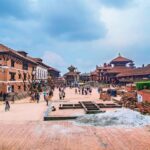
Bhaktapur Durbar Square is a classic stop for a reason. It’s described as a living museum of traditional art and architecture, and you can feel that in the way the palace area functions as a cultural center, not just a backdrop.
You’ll have about 1.5 hours here, which gives you room to do more than take photos. Key highlights include the 55-Window Palace, the Vatsala Temple, and Nyatapola Temple. That combination matters because it covers both domestic scale (palace features) and religious power (major temples).
Practical tip: take a few minutes to look before you climb, and then climb with intention. These sites reward patient looking, especially with a guide pointing out what each section represents. When you know what you’re seeing, the square becomes easier to understand and much more satisfying.
Patan Durbar Square and Newari Craftsmanship Up Close

Patan Durbar Square, in Lalitpur, brings a different texture to the valley. This area is known for Newari architecture, Malla period palaces, and a concentration of temples, including the Krishna Mandir.
You’ll get about one hour. That’s enough to walk the core area, catch the main architectural styles, and focus on a few standout temples with explanations. The risk with shorter time is tunnel vision. If you try to see everything, you’ll leave with half-remembered details.
So I recommend this mindset: pick two things to really study. One architectural feature and one temple detail. Your guide can help you choose, especially if you’re the type who enjoys religion as well as stonework.
Patan also pairs well with Bhaktapur. You can compare how different cities within the valley express power and devotion through building style.
Boudhanath Stupa, Big Scale and Real Tibetan Religious Life

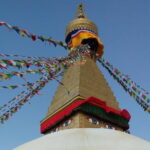
Boudhanath Stupa is one of Nepal’s most important Tibetan Buddhist sites, and it’s famous for the massive mandala and its spherical stupa form. The scale is the first thing you notice, because it changes how you walk around it.
You’ll spend about an hour here, and that’s a useful amount of time. Boudhanath is not just a single view. It’s a surround-view experience, with monasteries and Tibetan culture in the area. If you’re curious, you can connect what you see with the way Buddhist practice works day to day, including prayer and ritual movement around the stupa.
One thing to keep in mind: you’ll want to follow local behavior. Keep your voice low, be respectful around worship areas, and move with patience. You’ll get more out of the visit when you treat it as active religious space, not a photo stop.
You can also read our reviews of more historical tours in Kathmandu

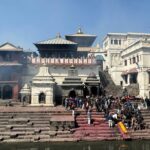

Pashupatinath Temple and the Bagmati River, Sacred and Intense

Pashupatinath Temple is a major Hindu pilgrimage site dedicated to Lord Shiva on the banks of the Bagmati River. The architecture is striking, but the deeper impact is what happens there as people practice faith.
This is the one stop in the day that can feel emotionally intense. The temple complex is known for traditional cremations along the riverbank. Seeing funeral rites in a place like this can be heavy, even if you’re prepared in theory.
If you’re sensitive to grief or strong religious ceremonies, consider whether you want to stay for the full time. Having a guide helps a lot here. A good guide can explain what you’re seeing in context and help you understand why it matters to the community, without turning it into shock tourism.
My practical advice: bring a steady mindset and respectful attention. This isn’t about horror or fascination. It’s about understanding a sacred tradition that is part of life and death.
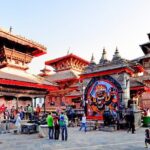
Kathmandu Durbar Square, Malla-Era Power in a Living City

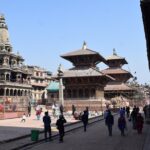
Kathmandu Durbar Square is in the heart of the city, with ancient palaces, courtyards, and temples. It was once the royal palace of the Malla kings, and it still feels like a place where the past overlaps the present.
You’ll have about one hour here. That’s enough time to walk the main areas, absorb the scale, and understand why this square is a key part of major religious and cultural festivals.
This stop also makes sense after Pashupatinath. The day moves from Shiva-centered rituals on the river to royal and religious architecture in the city core. The shift helps you see Kathmandu Valley as a network of sacred spaces rather than isolated monuments.
If you like symbolism, ask your guide what details to look for in the carvings and courtyards. Durbar Squares reward that kind of attention.
Swayambhunath, Monkey Temple Views and Prayer Wheels
Swayambhunath, also known as Monkey Temple, sits atop a hill and offers panoramic views of the city. It’s revered in both Buddhism and Hinduism, so you see how religious ideas overlap in one place.
You’ll spend about 30 minutes here. That time is perfect for the basics: walk the main approaches, notice the stupa area, look for prayer wheels, and take in the viewpoint. The monkeys are real and part of the scene, so don’t act surprised if one shows up close.
Quick practical note: with limited time, it helps to decide in advance what matters most. If you want the view, go up quickly and come down slowly for the stupa details. If you want the religious art, focus on the central stupa complex first, then handle the panoramic moment.
Price and Value: Does $172 Make Sense?

At $172 per person for a private 12-hour tour, you’re paying for three main things: the private vehicle, the English-speaking guide, and the organized route that strings together sunrise plus multiple UNESCO sites in one day.
Here’s what makes it better value than doing this alone:
- Private transport with AC removes a big headache in a day that starts early and runs long.
- Hotel pickup and drop-off inside Kathmandu Valley means less time negotiating rides.
- Guide interpretation matters a lot at places like Pashupatinath and the durbar squares, where context turns confusing details into meaning.
The part you must budget separately is UNESCO entrance fees, estimated around 6000 Nepali Rupee, plus food and drinks. This tour gives you a bottle of mineral water, not meals. If you plan to eat during the day, factor that in, or you’ll feel a budget squeeze later.
If you’re traveling with friends and want a private day that hits major sights efficiently, this price can be a solid fit. If you’re on a tight budget, the separate fees and your own meal costs can make it feel less bargain-like.
What to Pack and How to Survive a Long Day
Because Nagarkot sunrise starts early, you should plan for cold mornings. Even in warmer seasons, hill stations can feel chilly at dawn. I’d rather you over-prepare than shiver through the view.
Comfort items matter because the day includes multiple stops: temple steps, uneven ground, and walking inside complex courtyards. Also plan for some emotional heaviness at Pashupatinath. If you know you get overwhelmed easily, give yourself space and take breaks when needed.
Finally, keep small cash ready for the UNESCO fees. The tour does not include them, so you’ll want to handle that calmly rather than scramble at the gate.
Who This Tour Suits Best
I think this tour is a great match if you:
- want a sunrise moment plus the biggest Kathmandu Valley UNESCO sites in one day
- prefer a private group and an English-speaking guide who can explain the meaning behind what you see
- enjoy religion and history as lived practice, not just architecture
It may be less ideal if you:
- hate early starts or get cranky when the weather is foggy
- dislike intense ceremonies, especially funeral and cremation activity at Pashupatinath
- want a slow, relaxed sightseeing pace with lots of unplanned stops
Should You Book This Private UNESCO Sunrise Tour?
Yes, if you want one highly structured day that connects a rare moment of mountain light with Kathmandu Valley’s sacred sites in a way that actually makes sense. The big win is the combination: Nagarkot sunrise plus 7 UNESCO stops with an English guide to tie the day together.
I’d book it sooner if you’re on a short itinerary, because the private logistics save you time and stress. I’d think twice if you’re emotionally sensitive about the cremation rites at Pashupatinath or you know you struggle with pre-dawn cold.
If you can handle an early start and you’re ready to look closely, this is one of those days that sticks with you long after the camera runs out of space.
FAQ
How long is the Nagarkot sunrise with 7 UNESCO sites private tour?
It lasts 12 hours.
Is this tour private or shared?
It’s a private group tour.
What does the price include?
The price includes an English-speaking tour guide, a private air-conditioned vehicle, and hotel pickup and drop-off inside Kathmandu Valley. A bottle of mineral water is also included.
Are UNESCO entrance fees included?
No. UNESCO entrance fees are not included and are estimated around 6000 Nepali Rupee.
Is food included during the day?
No. Food and drinks are not included.
What language is the guide in?
The tour guide speaks English.
Where does pickup happen?
Pickup and drop-off are included inside Kathmandu Valley, from your hotel.
What is the cancellation and payment flexibility?
You can cancel up to 24 hours in advance for a full refund. You can also reserve now and pay later.
More Private Tours in Kathmandu
More Tours in Kathmandu

More Tour Reviews in Kathmandu
Not for you? Here's more nearby things to do in Kathmandu we have reviewed


Kathmandu UNESCO Heritage Tours, compared.
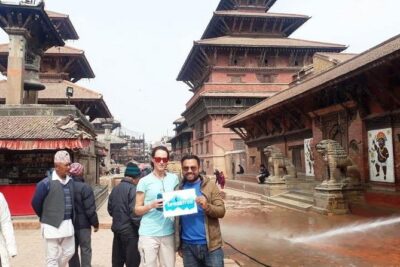 ★ 5.0Private Kathmandu Sightseeing Tour | UNESCO World Heritage sitesFrom $17756 reviews
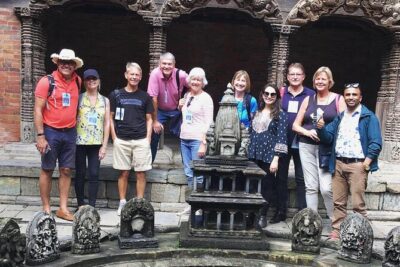 ★ 5.0Full Day 7 UNESCO Tour with Lunch – Private/GroupFrom $10415 reviews
 ★ 5.0Full Day Top 4 UNESCO Tour with Lunch – Private/GroupFrom $10269 reviews
 ★ 5.0UNESCO Seven World Heritage Tour in KathmanduFrom $180253 reviews
★ 4.9Full-Day 7 UNESCO Tour with Lunch – Private/GroupFrom $5247 reviews
★ 5.0UNESCO Seven World Heritage Tour in KathmanduFrom $180253 reviews
★ 4.9Full-Day 7 UNESCO Tour with Lunch – Private/GroupFrom $5247 reviews
 ★ 4.97 UNESCO Sites Tour in 1 Day (Private Tour)From $4204 reviews
 ★ 4.9Top 4 UNESCO Tour with Lunch – Private/GroupFrom $5181 reviews
 ★ 5.0Kathmandu Private Sightseeing Tour | UNESCO World Heritage SitesFrom $35109 reviews
Browse the lists this tour appears in