
REVIEW · WORKSHOPS
Kathmandu: Wood Carving Workshop with Local Artisan (Thamel)
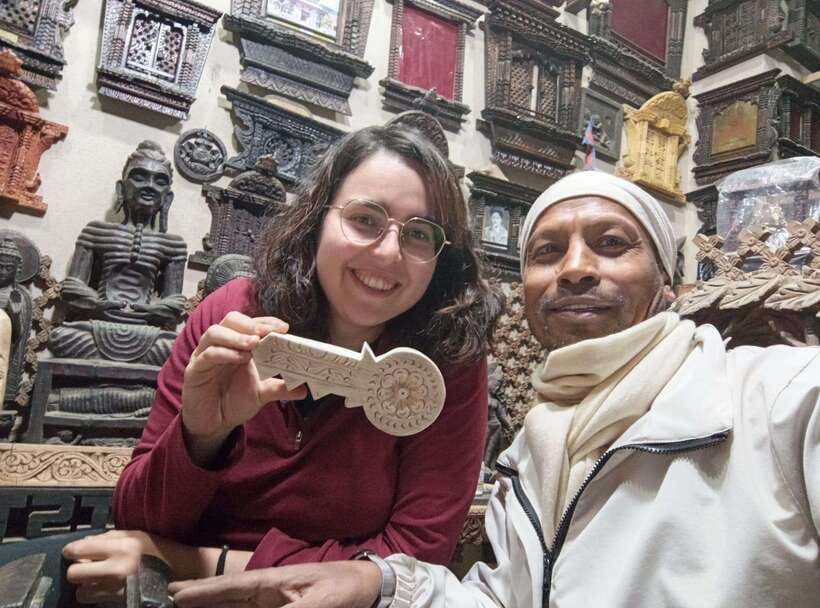
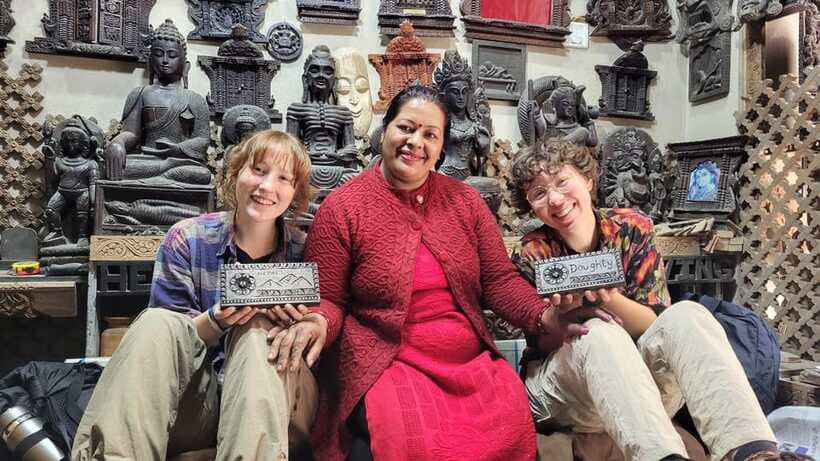
Wood chips, good laughs, and real craft skills. In Thamel, you do wood carving with an actual artisan, not a passive demo. I love the step-by-step coaching, including corrections when you are shaping the details, and I really like that the teacher I’m referencing here is named Hera.
My one caution: the class time is geared toward making, so if you want a lot of classroom history and context, you may have to ask for more. You still get the cultural meaning behind common motifs, just not as a long lecture.
What makes the experience work is the tight pacing and the feedback. I like that it is a small group (up to 4), so your mistakes do not get lost in the noise.
Key highlights worth your time
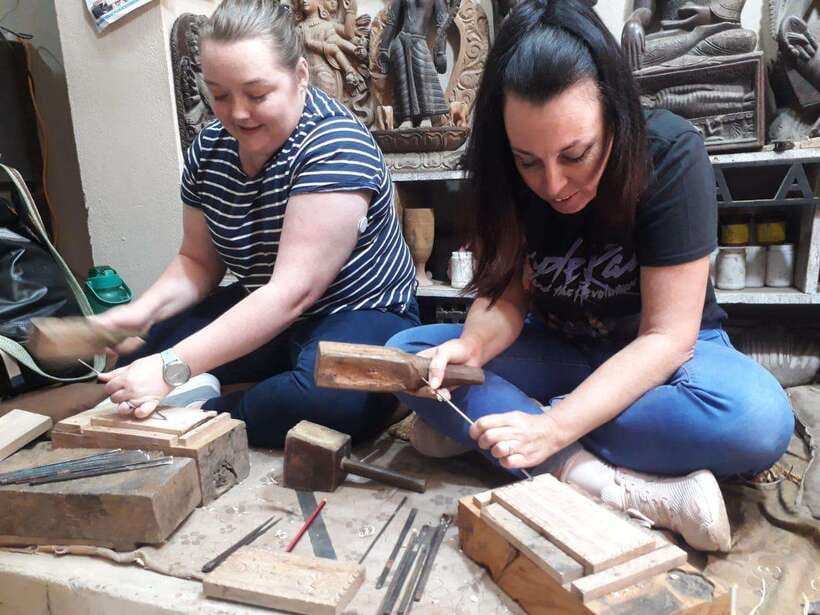
- Hands-on tool time with chisels and detailing work on a real wooden block
- Small group size (up to 4), so you get practical corrections while you carve
- Nepali symbolism you can recognize, like lotus flowers, mandalas, and mythical motifs
- Take-home result, a piece of wood art you personally worked on
- English instruction with an artisan who keeps the tone friendly and encouraging
Why Kathmandu Thamel wood carving is a souvenir you can actually be proud of
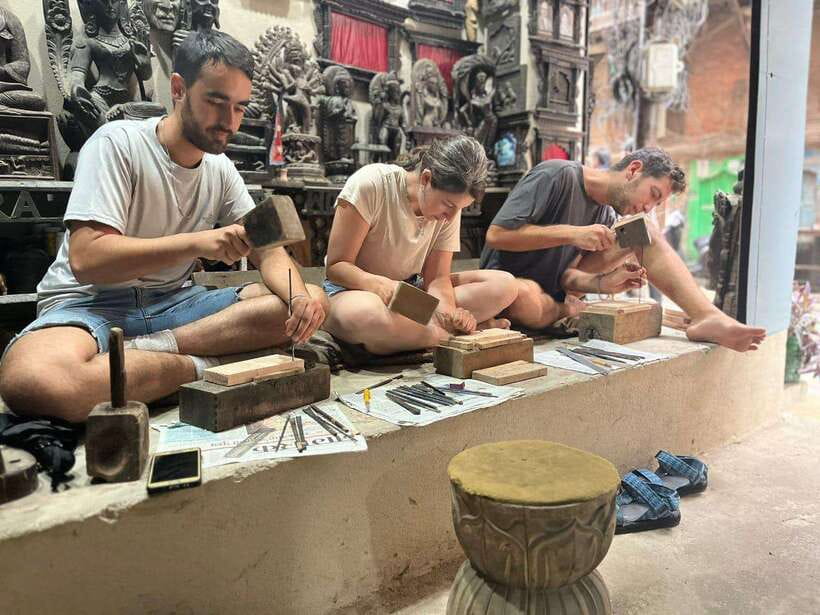
A wood carving workshop in Kathmandu is a special kind of souvenir. It is not just something you buy and wrap. You make choices, you mess up a bit, and then you improve. By the end, you have a small object that carries the story of your hands working it.
In Thamel, this kind of class is also practical. You can fit it into a day without needing a whole travel day to reach a far-off craft village. It is set up like a workshop session, with a serene workspace and enough time to do real carving rather than rushing through “one quick cut, next photo.”
I also like the specific skill focus. The class is about technique, not only decoration. You practice outlining first, then chiseling, then the finer detailing. That sequence matters. It is the difference between something that looks rough and something that actually reads as a motif when you step back.
Finally, you get to learn through Nepal’s craft lens. Even if you start as a total beginner, you are not just carving random shapes. The artisan context is tied to how Nepali wood carving appears in temple design and traditional architecture, so your motif choice starts to feel meaningful.
A few more Kathmandu tours and experiences worth a look


The 3-hour flow: what you do from first chisel to final detailing
This is a 3-hour workshop, and the timing is built around getting you from blank block to finished piece. That matters in Kathmandu, where half-day activities can sometimes turn into “look and wait” sessions.
Here is the kind of progression you can expect during the class:
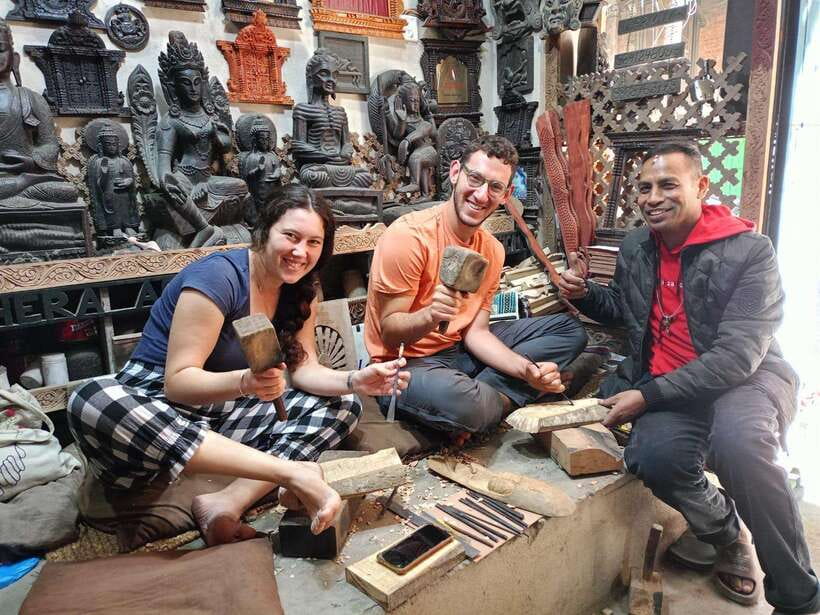
First, you get a quick look at the tools and materials. The workshop uses traditional carving instruments such as chisels and hammer-type tools, plus whatever smaller implements the artisan uses for delicate lines. You also learn what woods are commonly used in Nepal, including sal and teak. Even if you do not know the difference yet, it’s useful to understand that wood choice affects carving feel and how crisp the final edges look.
Next, you start working from a pre-cut wooden block. That’s a smart way to keep the class beginner-friendly. Instead of struggling with oversized pieces and unclear shapes, you focus on carving technique: making clean outlines, removing wood carefully, and building definition step by step.
Then comes the main skill practice:
- Outlining so the design has clear boundaries
- Chiseling to remove material and form the motif
- Detailing to bring in the fine texture that makes the carving “read” well
As you work, the artisan guides you with step-by-step tips and corrections. The pacing is friendly, and you are not expected to become a master. The goal is progress you can see, plus a final piece you recognize as yours.
You finish with time to wrap up and take your artwork home. The class is designed so you actually leave holding something finished enough to display or gift. For me, that is the key difference between a workshop that feels like a souvenir factory and one that feels like real craft instruction.
Getting help that actually lands: why a small group matters
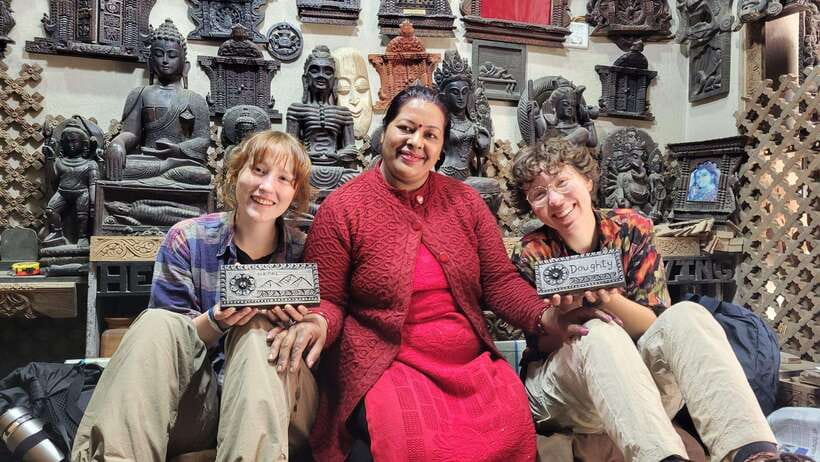
Wood carving sounds simple until you try it. Then you realize your angle, pressure, and patience matter. This is why small group sizing is not just a comfort feature, it’s the whole point of the experience.
With up to 4 participants, you get closer attention while you carve. That means when your outline looks slightly off, the instructor can correct it early. When your cut is a bit too deep, you can adjust before damage spreads. You also get encouragement that makes the learning curve feel normal instead of scary.
One name that comes up in this kind of class experience is Hera. I’d pay attention to that detail for your own planning. If your instructor is Hera, expect a warm, funny, supportive vibe. The style you want is the one that keeps things light while still being precise about technique.
If you book during a quieter season, you might even find yourself with more one-on-one time than the usual small group arrangement. That can be a big deal if you want to ask questions about how motifs connect to Nepalese craft traditions.
The design part: lotus, mandalas, and mythical motifs with meaning
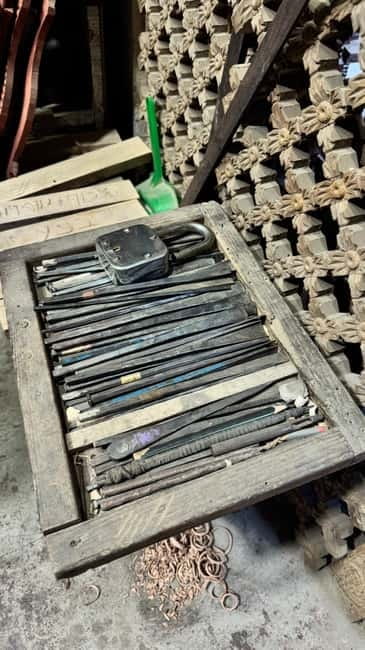
Wood carving in Nepal is heavily symbolic. The class does not treat design like random decoration. You learn how patterns and images connect to spiritual and cultural iconography, including common Hindu and Buddhist motifs.
Even if you are not religious, you can still enjoy this section because it makes your carving feel more intentional. When you understand what you are drawing, you naturally take more care.
The class-style overview of motifs includes:
- Lotus flowers, often tied to spiritual symbolism and ornamental beauty
- Mandalas, which show up as patterned, meaningful arrangements
- Mythical creatures, which appear in traditional decorative work and temple design
You’ll also hear how symbolic patterns can carry meaning in Nepalese architecture. You do not have to memorize dates to benefit. The point is to connect what you carve to the tradition it comes from.
And yes, there is a history thread here too. Wood carving in Nepal is said to date back to the Licchavi period (4th to 9th century). The craft flourished during the Malla dynasty (12th to 18th century), and the Newar community is credited with preserving and mastering the art form in the Kathmandu Valley.
If you care about the historical context, you will probably appreciate the explanations about where this craft appears. It is linked to landmarks such as the Kasthamandap (House of Wood), the 55-Window Palace in Bhaktapur, and the Peacock Window. That gives you a mental map for what you might later notice in carvings around the valley.
Do note the pacing reality. Some people want more historical detail, and the practical schedule is built around carving time. If you’re the type who likes long context, ask questions during the pauses while the artisan checks your work.
Tools, wood, and wear: how to set yourself up for a comfy class
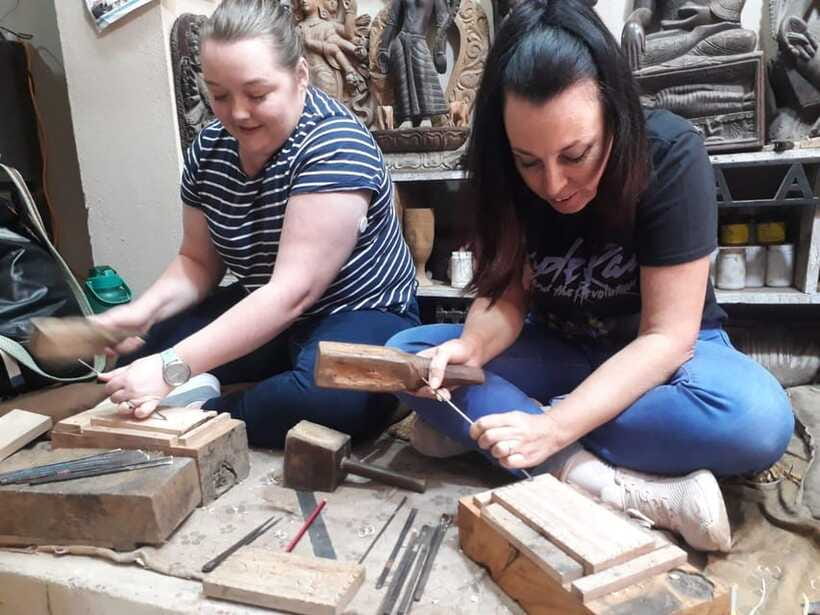
This workshop is set up so you can carve without bringing your own gear. That’s a big practical win. You get the tools and materials provided, and you carve using a wooden block prepared for the session.
You still need to show up ready for physical, hands-on work. Comfortable clothes are the only item listed as a must. I’d add common sense preparation: wear something you’re okay getting a little dusty, since wood shavings happen.
Another practical point is smoke. Smoking is not allowed in the workshop environment. If you’re trying to plan around breaks, build that into your thinking.
As for the wood itself, the class discussion includes commonly used Nepal woods such as sal and teak. You might not get a perfect science lesson, but you will get an intuitive sense of how wood behaves once you are cutting into it. That’s part of why the instruction works.
Also, because you are carving in a workshop setting rather than outdoors, the session tends to feel calm and controlled. That makes it easier to focus on technique, especially if it’s your first time using chisels.


Price and value: what $42 buys you in Kathmandu
At $42 per person for a 3-hour session, you are paying for two things at once: instruction and a take-home product. When it’s just buying a souvenir, you’re paying for the item. Here, you’re paying for the lesson that leads to the item.
The math works best if you want to actually learn a skill. You get:
- Guided instruction from a skilled local artisan
- All necessary tools and materials
- Your own handcrafted wooden piece to take home
- All government taxes and VAT included
Small group limits matter here too. Up to 4 participants means you are not competing for attention.
You also get an English-speaking instructor. For many people, that is a hidden value point. Wood carving technique relies on small directional cues, and you’ll get more out of the class when you can follow explanations in English.
If you’re only interested in buying a carved item quickly, you can probably find plenty in Kathmandu. But if you want something personal and skill-based, the price starts to look fair fast. You are not just getting a product, you’re getting a process, and that process is the difference between a pretty souvenir and a meaningful one.
Who should book this workshop, and who should maybe skip it
This workshop is a great fit if:
- You want a hands-on craft you can finish in a half day
- You like learning how to make things, not only looking at them
- You’d enjoy carving something with recognizable motifs like lotus patterns
- You want an activity that works even if you’ve never held a chisel before
It can also work well for families. One experience that stands out here is a parent booking this with a ten-year-old son. If your child is patient and can follow safety-focused instructions, the class format can be a good way to teach focus and creativity, not just sightseeing.
You might consider another option if:
- You mainly want a long history lecture and minimal time carving
- You are sensitive to dust and wood shavings
- You prefer purely observational activities
Tips to get a better outcome from your carving
If you want your final piece to look clean, focus on the fundamentals the class emphasizes.
First, slow down during the outlining stage. If your boundaries are clear early, the rest of the carving makes sense. Second, keep checking your work while you carve. That’s where the small group coaching pays off. Third, be realistic about your first attempt. The goal is a finished piece, not perfection like a factory product.
Also, bring the right mindset. Wood carving rewards patience. If you rush, you’ll feel it in the edges and depth. If you take your time with the detailing, your motif will read better from a few steps away.
Finally, after the workshop, treat your souvenir carefully. It’s your carved work, and it’s meant to travel with you. If you wrap it thoughtfully and handle it gently at home, you’ll keep it looking good longer.
Should you book this Kathmandu wood carving class?
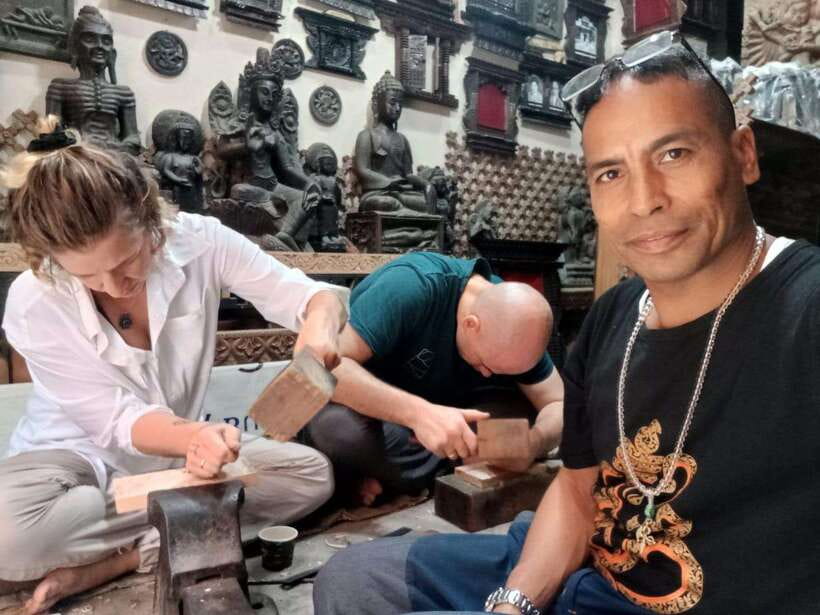
Book it if you want an activity that blends technique, culture, and a real take-home result. The small group size, the English instruction, and the hands-on carving sequence make it a strong value at $42 for 3 hours. You’ll leave with something you made, and that feeling is hard to replace with a store-bought souvenir.
Skip it if you’re mainly after a long thematic lecture or if you dislike hands-on work. The schedule is built around doing the carving, and the historical context is there, but it is not the main engine of the day.
If you’re staying in or around Thamel, this is also a convenient way to spend a morning or afternoon. It connects to the craft you’ll see across the valley, from patterned architecture to symbolic motifs.
In short: if you want to learn by doing and take home a piece of art with meaning, this workshop is a solid pick.
More Workshops & Classes in Kathmandu

More Tour Reviews in Kathmandu



Not for you? Here's more nearby things to do in Kathmandu we have reviewed


Workshops, compared.
 ★ 5.0Half day cooking class in Thamel kathmanduFrom $28607 reviews
 ★ 4.9Local Women-Led Nepali Cooking & Momo ClassFrom $4360 reviews
 ★ 5.0Local Lead Nepali Cooking & Momo-Making ClassFrom $5212 reviews
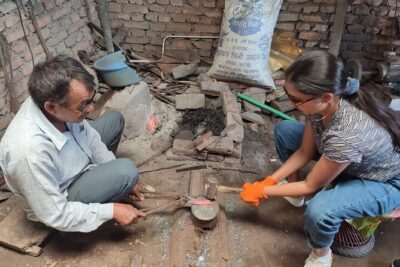 ★ 5.0Knife (Khukuri) Making Workshop- Forge of the GurkhasFrom $68143 reviews
Local Women Lead Nepali Cooking ClassFrom $30125 reviews
★ 5.0Knife (Khukuri) Making Workshop- Forge of the GurkhasFrom $68143 reviews
Local Women Lead Nepali Cooking ClassFrom $30125 reviews
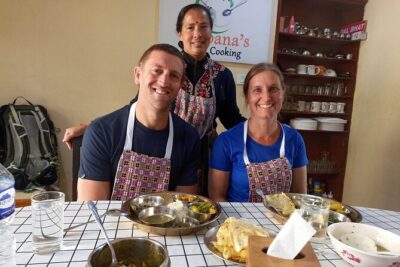 ★ 5.0The best Private Nepali Cooking Class in KathmanduFrom $2483 reviews
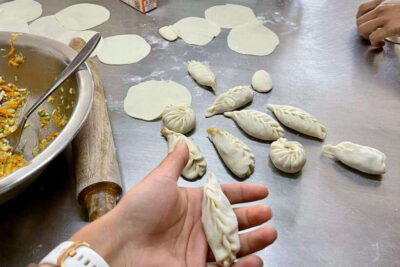 ★ 4.8Traditional Momo Making Class & PickupFrom $460 reviews
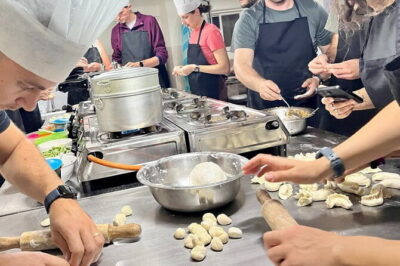 ★ 5.0Traditional Nepali Momo Making ClassesFrom $1853 reviews
Browse the lists this tour appears in