

REVIEW · KATHMANDU UNESCO HERITAGE TOURS
Kathmandu: UNESCO Heritage Site Private & Guided Tour
Seven UNESCO stops, one great plan. This Kathmandu private guided tour strings together major heritage landmarks, from hilltop stupas to palace squares, in a way that feels organized instead of chaotic. I especially like how the day is built around famous UNESCO sites, not random add-ons, and how the guiding experience can be top notch, with names like Pranav, Sajan, and Nabin showing up as standout guides.
I also like that you get practical context as you walk through each place: temple meaning, architecture, and cultural significance explained in clear English. The route hits the big spiritual anchors for Hinduism and Buddhism, plus the Newari craftsmanship of Patan and Bhaktapur, so you can actually connect what you’re seeing to the bigger story.
One consideration: entrance fees are not included, and the tour is not suitable for wheelchair users, so you should expect the day to involve walking on uneven ground and stairs.
Key things that make this tour work so well

- Seven UNESCO sites in one outing, including Swayambhunath, Pashupatinath, Boudhanath, Patan Durbar Square, Bhaktapur Durbar Square, Kathmandu Durbar Square, and Changunarayan Temple
- Hotel pickup and drop-off within Kathmandu Valley, which removes a lot of daily logistics stress
- Expert English-speaking guiding at each UNESCO stop, with guides such as Pranav, Sajan, and Nabin noted for bringing sites to life
- Comfortable transportation between sites, helpful for pacing the day through Kathmandu traffic
- Cultural contrast across Hindu pilgrimage, Buddhist stupa life, and Newari palace craftsmanship
- Clear rules in the vehicle, including no alcohol and no drinks in the car, which keeps things orderly
A Smart Way to See Seven UNESCO Sites in Kathmandu

Kathmandu can feel like a place where every corner has something worth stopping for. This tour keeps that energy focused by using the UNESCO sites as your spine, so you spend time on the places with the deepest payoff.
What you get is a blend of spiritual sites and civic heritage. You’ll move from hilltop viewpoints to riverfront Hindu worship, then to a massive Buddhist stupa and the carved palaces and courtyards of Patan and Bhaktapur.
For me, the best part is that the route makes comparisons easy. You can stand in one religious setting, understand what it means, then switch gears and notice how the next site’s architecture and rituals reflect a different tradition.
You can also read our reviews of more guided tours in Kathmandu
Getting Around: Comfortable Transport and City Realities
Between Kathmandu Valley sites, the practical question is always the same: how do you avoid losing hours to getting from A to B? This tour solves that with comfortable transportation between sites plus hotel pickup and drop-off within the Kathmandu Valley.
That matters because UNESCO sites here are spread out enough that you would not want to do it all by yourself with taxis and constant route checks. A driver like Sundar is specifically called out as friendly and skillful, which hints that ride quality is taken seriously.
Do keep in mind the transport rule: drinks are not allowed in the vehicle, and alcohol is also not allowed. If you want water for your own comfort, you’ll want it within arm’s reach for stops, while following the no-drinks-in-the-car rule.
Swayambhunath Stupa (Monkey Temple) for Valley-View Orientation

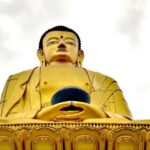
Swayambhunath is the kind of start that gives you bearings fast. You begin with the hilltop stupa, often called the Monkey Temple, and it’s designed for exactly this moment of orientation over the Kathmandu Valley.
From up there, you can look out and get a mental map of how the valley sits around the hills. That viewpoint makes everything you see later feel more connected, because you know how the city is arranged relative to the surrounding terrain.
The stupa itself is visually busy in a good way. As you walk and take in details, your guide’s explanations help you shift from just admiring buildings to understanding why they’re set up the way they are.
One practical thought: because it’s on a hill and a pilgrimage-style site, the walk and climbing can be more demanding than a flat city stroll. This is one place where comfy shoes and a slow pace pay off.
Pashupatinath Temple on the Bagmati River for Sacred Hindu Traditions

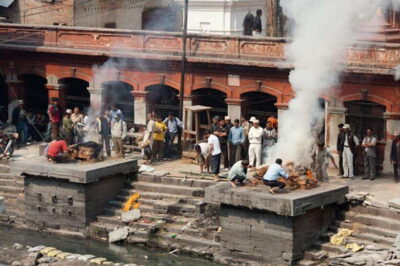
Next comes Pashupatinath Temple, a major Hindu pilgrimage site by the holy Bagmati River. This stop is powerful because it’s not a museum-style experience. You’re there to witness a living religious landscape shaped by daily devotion.
Your guide’s job here is crucial, because temple spaces in this part of the world come with layers of meaning. When someone explains the significance of the site and how the river setting relates to worship, it changes how you read the scene.
Be ready for the emotional range of the location. River-adjacent pilgrimage spaces can be intense, and respectful behavior is essential. The tour rules around alcohol and order in the vehicle support that overall calm, but you’ll still want to bring a thoughtful, quiet mindset as you approach.
Boudhanath Stupa for Peace, Tibetan Culture, and Slow Moments

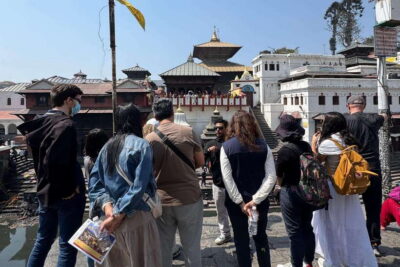
After a dramatic riverfront temple setting, Boudhanath Stupa is a strong contrast. This is described as massive and peaceful, and it’s also a key center of Tibetan culture, so you’re not just changing scenery, you’re changing cultural rhythm.
This stop tends to be where people exhale. The stupa gives you a wide, steady focal point, and there’s time to absorb how Buddhism is expressed through architecture, devotional movement, and the community that gathers around these spaces.
If you’re the type who likes to learn as you look, this is a rewarding place to do it. A good guide can connect what you see in the surroundings to why this stupa matters.
One consideration: because it’s a major religious center, expect it to be busy at times. That’s normal here, and it’s also part of why it feels real rather than staged.
You can also read our reviews of more private tours in Kathmandu
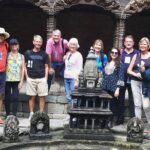
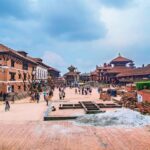
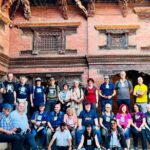
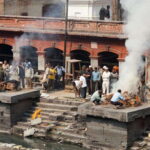
Patan Durbar Square and Bhaktapur Durbar Square for Newari Craft

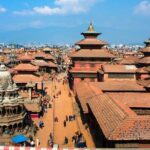
Patan and Bhaktapur Durbar Squares bring the tour into the realm of palace architecture and Newari craftsmanship. These are not single buildings you glance at. You’re stepping into a whole system of courtyards, temples, and historic structures shaped by medieval planning and skill.
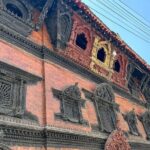
At Patan Durbar Square, the standout is the density of carved details. The art and architectural design are the main event, and the guide helps you “read” the elements instead of just seeing them as decoration.
Then Bhaktapur Durbar Square keeps that medieval feel going, with preserved royal heritage sites. Bhaktapur often lands well with people who enjoy historical architecture because it feels intact enough to study.
In practical terms, both squares involve more walking than you might expect. If you prefer a slow, photo-paced itinerary, you’ll love these stops. If you’re rushing through UNESCO sites to “check boxes,” you might feel you are moving too fast for the craftsmanship you came to see.
Kathmandu Durbar Square: Hanuman Dhoka and the Kumari Ghar

Back in central Kathmandu, Kathmandu Durbar Square frames Nepal’s monarchy history and highlights major palace-area landmarks. Two names you’ll likely hear emphasized are Hanuman Dhoka Palace and the Kumari Ghar, home to the living goddess.
This part of the tour is where you get the civic side of the story. Temples matter, and stupas matter, but durbar squares show how power, religion, and public life intertwined.
What makes a good guide valuable here is context. Without it, you can see impressive architecture and still miss why certain buildings carry such weight in local tradition. With it, the square starts to feel like a timeline rather than a collection of structures.
A practical tip: bring patience. Durbar squares are active cultural spaces, and you’ll be sharing space with pilgrims and everyday life. That’s also what makes it worth doing with a guide.
Changunarayan Temple for an Older, Calmer Stop

To finish, you visit Changunarayan Temple, described as serene and one of the oldest Hindu temples in the valley. This stop is a nice tonal shift, especially after palace squares that can feel busier and more crowded.
Because it’s not the most headline-famous stop compared with Swayambhunath or Boudhanath, it can feel like a slower closing chapter. Your guide’s explanation matters here, because older temples can be easy to overlook if you don’t know what to notice.
If you enjoy early religious architecture and want to end with something grounded in age and continuity, this final stop is a strong choice. It gives you a chance to settle the learning you’ve collected all day.
Guides Matter: What You Gain From Nabin, Sajan, and Pranav

The quality of this tour hinges on the guiding. The names that come up most in the provided feedback are Nabin, Sajan, and Pranav, and they’re repeatedly described as bringing history and cultural meaning into focus.
That kind of guidance is not just “fun facts.” It helps you understand the why behind what you see. In practice, that means you’re more likely to notice details, ask better questions, and walk away with a clearer sense of what each site represents.
One review also mentions Nabin going above and beyond by introducing local foods along the way. While food details aren’t listed as part of the included package, it’s a good reminder that a strong local guide often adds helpful, low-effort suggestions.
For you, the payoff is simple. Without a guide, UNESCO sites can look like impressive scenery. With the right guide, they become a set of connected cultural lessons you can actually remember.
Price and Value: What $59 Buys You (and What It Doesn’t)
At $59 per person, the biggest value driver here is what’s included: an expert English-speaking guide, comfortable transportation, and hotel pickup and drop-off within Kathmandu Valley.
That package reduces three common costs that add up fast on your own: guide time, coordination headaches, and repeated transport planning. If you’re trying to see seven UNESCO sites, doing it casually without a structured guide usually costs more in time, energy, and sometimes money.
The catch is straightforward: entrance fees to all seven UNESCO World Heritage Sites are not included. So you’ll want to budget extra for entry tickets on top of the tour price.
Also, meals are not specified in the information provided. If you care about meal planning, you’ll want to eat independently on the go or coordinate with your guide during breaks.
Who This Tour Fits Best (and Who Might Want Something Else)
This tour is best for people who want heritage without the logistical grind. If you’re interested in Hindu temples, Buddhist stupas, and Newari palace squares, you’ll like the way the itinerary covers each tradition directly.
It also fits history and culture lovers who enjoy walking through sites with explanations. If you’d rather just wander and take photos with no structure, a guided format can feel like you’re moving on someone else’s pace.
It is not suitable for wheelchair users, which tells you the terrain and walking demands are a factor. If mobility is an issue, you should look for an itinerary designed for easier access.
One more fit note: the tour bans alcohol and drugs and also bans drinks in the vehicle. If you’re planning a party-style day, this isn’t that kind of tour, and the calmer, respectful atmosphere is part of the appeal.
Practical Tips So You Enjoy Every Stop
Here are a few small steps that make the biggest difference for this kind of day.
- Wear shoes you can walk in for a long stretch, especially around temple and durbar square areas.
- Bring layers. Kathmandu weather can change, and temple shade varies.
- Follow the vehicle rule: no drinks inside the car. Keep water for yourself during stop time.
- Bring a respectful mindset, especially at the riverfront Hindu site and the active cultural areas around durbar squares.
And if you like flexibility, the tour offers reserve & pay later, so you can hold your spot without paying today.
Should You Book This Kathmandu UNESCO Tour?
I’d book this tour if you want a structured way to see Kathmandu’s UNESCO highlights in one go, with expert local guidance and transportation that keeps the day smooth. The mix of Swayambhunath, Pashupatinath, Boudhanath, Patan and Bhaktapur Durbar Squares, Kathmandu Durbar Square, plus Changunarayan Temple gives you real variety across Hindu, Buddhist, and Newari heritage.
I would not book it if you need wheelchair accessibility, because it is explicitly not suitable for that. I’d also reconsider if you hate paying extra entrance fees, since those are not included in the $59 price.
If you’re aiming for a calm, organized UNESCO day where you understand what you’re seeing, this private guided setup is a smart value.
FAQ
What UNESCO World Heritage Sites are included?
The tour includes Swayambhunath Stupa, Pashupatinath Temple, Boudhanath Stupa, Patan Durbar Square, Bhaktapur Durbar Square, Kathmandu Durbar Square (including Hanuman Dhoka Palace and the Kumari Ghar), and Changunarayan Temple.
How much does the Kathmandu UNESCO private guided tour cost?
The price is $59 per person.
What’s included in the tour price?
Included are an expert English-speaking guide for each UNESCO heritage site, comfortable transportation between sites, hotel pick-up and drop-off within Kathmandu Valley, and personalized insights into Nepal’s history, culture, and architecture.
Are entrance fees to the sites included?
No. Entrance fees to all 7 UNESCO World Heritage Sites are not included.
What languages do the guides speak?
The tour notes languages of English and Hindi.
Is the tour wheelchair accessible?
No. It is not suitable for wheelchair users.
Can I cancel and get a full refund?
You can cancel up to 24 hours in advance for a full refund.
More Guided Tours in Kathmandu
More Tours in Kathmandu

More Tour Reviews in Kathmandu
Not for you? Here's more nearby things to do in Kathmandu we have reviewed


Kathmandu UNESCO Heritage Tours, compared.
 ★ 5.0Private Kathmandu Sightseeing Tour | UNESCO World Heritage sitesFrom $17756 reviews
 ★ 5.0Full Day 7 UNESCO Tour with Lunch – Private/GroupFrom $10415 reviews
 ★ 5.0Full Day Top 4 UNESCO Tour with Lunch – Private/GroupFrom $10269 reviews
 ★ 5.0UNESCO Seven World Heritage Tour in KathmanduFrom $180253 reviews
★ 4.9Full-Day 7 UNESCO Tour with Lunch – Private/GroupFrom $5247 reviews
★ 5.0UNESCO Seven World Heritage Tour in KathmanduFrom $180253 reviews
★ 4.9Full-Day 7 UNESCO Tour with Lunch – Private/GroupFrom $5247 reviews
 ★ 4.97 UNESCO Sites Tour in 1 Day (Private Tour)From $4204 reviews
 ★ 4.9Top 4 UNESCO Tour with Lunch – Private/GroupFrom $5181 reviews
 ★ 5.0Kathmandu Private Sightseeing Tour | UNESCO World Heritage SitesFrom $35109 reviews
Browse the lists this tour appears in