

REVIEW · KATHMANDU UNESCO HERITAGE TOURS
Kathmandu Bhaktapur Patan Authentic Local Tour +7 UNESCO WH Sites
Old-city Nepal, explained by locals. This 3-day private tour ties together UNESCO sights with real daily culture, including a hands-on Juju Dhau making session in Bhaktapur. I especially love that you get expert context from Newar guides and not just temple names, plus you also get practical craft time like pottery in Bhaktapur and traditional idol hand-carving observations in Patan.
One thing to consider: the schedule packs a lot into short blocks, and food is not included, so you will want to plan for snacks and one main meal on your own.
Key highlights (what makes this trip feel different)
- Juju Dhau, made live: Watch the locally famous antique dish take shape in Bhaktapur, then choose whether to taste the local food.
- Certified local guide energy: A native Newar leader helps you read the cities instead of just collecting photos.
- Hands-on artisan stops: Pottery Square in Bhaktapur, plus religious craft traditions in Patan.
- UNESCO, explained where it lives: The big-world sites are paired with ponds, courtyards, and market alleys people actually use.
- Old markets and Thamel time: Aon-season style browsing near Ason Tole, plus an escorted VIP line pass in Thamel.
- Built-in value: Entrance fees and environment management fees are covered, plus bottled water each day.
What $385 Buys You in Kathmandu Valley (and Why It Can Be Worth It)

At $385 per person for about 3 days, this tour sits in the mid to upper end for the valley. What makes it feel more like value than just a sticker price is the way it handles costs that usually sneak up on you.
Entrance fees and environment management fees are included for the attractions listed, and you also get a private vehicle with air-conditioning plus bottled water per day. In other words, you are not constantly stopping to calculate what’s extra, and you are not left trying to arrange tickets across three different cities.
Also, this is not a “speed through the main squares” style plan. You get longer, slower-feeling moments in Bhaktapur and Patan, including food and craft experiences. If your goal is to leave Kathmandu Valley with understanding, not just stamps, this structure helps.
You can also read our reviews of more tours and experiences in Kathmandu.

Meet Your Newar Expert, Not a Scripted Explainer
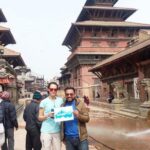
This trip is led by a professionally certified, experienced local tour leader, and the pitch is clear: the leader comes from native communities tied to Kathmandu, Bhaktapur, or Patan. That matters because the valley’s old-world architecture is only half the story. The other half is how people talk about it, use it, and pass down meaning inside the neighborhoods.
In the feedback tied to this company, names like Kamal and Nirajan show up as guides who bring that local perspective. One theme you can count on is a practical style: you will get interpretations of temple corners, ponds, and courtyards, plus guidance for what to notice without turning every stop into a lecture.
And because it is a private tour, it is easier to ask questions that do not fit neatly into a group rhythm. You can slow down for a carving detail, or ask why a pond is treated with special attention, then move on.
Day One in Bhaktapur: From Siddha Pokhari to Pottery Square to the Durbar Square

Bhaktapur is where this tour does a nice job of balancing the grand with the everyday. You start with a live session tied to Juju Dhau, then you move into the pond-and-square sequence that gives you context for how the city is organized.
1) Siddha Pokhari
You begin at the historic pond next to Bhaktapur Durbar Square. The guide frames it as an old feature believed to have existed for a long time, and you get a chance to view it as part of the larger Durbar Square world rather than a random photo stop. This is short, about 30 minutes, but it sets the tone.
2) Pottery Square via Barahi Agam Ghar
Next comes Pottery Square, where you get a full hour of seeing active pottery work around you. Even if you are not buying anything, this kind of stop helps you understand what crafts are still living in the city today.
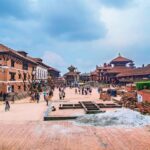
3) Bhaktapur Durbar Square
Then you get the big landmark, the Durbar Square itself, recognized as a UNESCO World Heritage site. Your time is about an hour, long enough to notice more than just the main points.
4) Chandeshori and nearby temple visits
You also visit Chandeshori temple, then continue to other religious sites around Bhaktapur, including Dattatreya Temple and Khacha Pokhari area. These are smaller time blocks, but they add up into a more complete sense of city spirituality.
Juju Dhau Making in Bhaktapur: The Food Moment That Actually Teaches Something
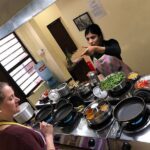
The Juju Dhau session is the star of Day One, and it is not just a show. You get a live demonstration of preparation of the locally popular dish, with the time listed around 2 hours. That’s long enough to watch the steps and understand why locals treat it as a signature part of daily life.
In Bhaktapur, food is tied to identity. This is why I like that the program pairs Juju Dhau making with temple and craft stops in the same day. You see the city’s sacred spaces, then immediately shift into a cultural product people still care about.
You also get a built-in option to try the local food after temple visits. The program leaves it up to you, which is smart, because appetite and dietary needs vary. If you do want to try, this is the kind of tasting that feels connected to what you just watched being made.
Practical note: since food is not included on the tour, you may still want to budget for what you eat. But this particular session already gives you a structured, meaningful food experience, not just a vague suggestion to find dessert somewhere nearby.
Bhaktapur’s Temples: Chandeshori, Dattatreya, and Navadurga’s Protective Order

After the Durbar Square portion, the day keeps moving through temple stops that feel like they each have a job. Chandeshori is highlighted as a multi-story pagoda style shrine, and you get a short, focused look around the area.
Then you head toward Dattatreya Temple via Khacha Pokhari. This is a good pacing choice. Instead of stacking only big-ticket sights, the tour threads in smaller stops that help you understand how Bhaktapur’s sacred geography works.
Finally, you visit Navadurga temple, located on the outskirts. The program describes these temples as protections for the city, with a specific order for visiting. That kind of detail is exactly what you want from a local guide. It turns a “temple photo” into a real cultural practice you can explain to friends later.
One small caution: if you prefer big relaxation breaks, Bhaktapur might feel like a full-feel day. The stops are intentionally compact and sequential, so plan your energy like you are doing a guided walking loop, even though the vehicle handles transfers.
Day Two in Patan: Patan Dhoka, Ponds, Stupas, and the Golden Temple Route

Patan is where craft and spiritual architecture blend together smoothly. Day Two starts at Patan Dhoka, the gateway to Patan, and that sets up the old-city rhythm of entrances, courtyards, and turning points.
You then move through Buddhist and Newar sites like Pimbahal Stupa and Jagamadu Pond. The plan includes Nagbahal Hiti, described as an ancient drinking fountain still used for cultural events, and that’s the kind of local continuity that makes Patan special.
Then you reach the Golden Temple, also known as Hiranya Varna Mahavihar. Despite the nickname, it is not entirely gold, and the guide context helps you avoid the common tourist assumption that everything about the name is literal.
From there, Kumbheshwor Temple is next, then Patan Durbar Square. That square is the core payoff. It is densely packed with temples, and your allotted time is about an hour, which is enough to absorb the overall layout without feeling rushed.
Craft and Calling Cards in Patan: Golden Fountain, Mahaboudha, and Woodwork

After Patan Durbar Square, you visit the Golden Fountain. The program frames it through study by a Nepalese art expert, which is a nice hint that this stop is about design and meaning, not just decoration.
Then you go to Mahaboudha Temple, a serene Buddhist structure with terra-cotta art on clay bricks. This is a quieter contrast to the louder Durbar Square energy. The timing is about an hour, so you can slow down here.
Later, you explore Rudra Varna Mahavihar in Oku Bahal, with its three courtyards. You finish with a stop connected to woodwork made by Shilpakar families, so the tour ends with craft in your mind rather than leaving you stuck in temple-only mode.
One extra cultural note from the overall program description: besides pottery and idol carving observations, it includes a religious idol hand-carving experience in Patan. Even when the details of the exact workshop timing are not spelled out in the short stop list, this is part of what you are paying for. It helps Patan feel like a working craft city, not just a museum.
Day Three Around Kathmandu: Durbar Square, Asan Tole, Swayambhunath, and the Big Stupas

Day Three is the Kathmandu sweep, and it is built around a classic order: city core sights, then the hilltop stupa, then the big Buddhist and Hindu centers.
You start at Thamel and pass through narrow alleys toward Asan Tole, a well-known local shopping spot, then continue via Newroad Gate into Kathmandu Durbar Square. This early positioning matters. It gets you oriented in the city’s pedestrian maze before you head to larger, more monumental sites.
From there, you move to Swayambhunath. This stupa is framed as an architectural marvel and part of the valley’s identity. You then visit Budhanilkanth Temple, a quieter stop in a peaceful corner, also known as Jal Narayan Temple.
Next comes Bouddhanath Stupa, visited after a drive on the outer ring road. You get about 2 hours here, which is useful, because this place is more than a single viewpoint. Then you go to Pashupatinath Temple on the Baghmati River, on the eastern outskirts of Kathmandu.
Thamel After Dark: Optional Nightlife with VIP Line Access

Once the sightseeing is done, you have a choice to experience the nightlife of Thamel and Jhamsikhel. The program includes an escorted VIP line access, described as taking you through restaurants, pubs, clubs, and streets in the area.
This part is optional, and it is also not a replacement for your own decisions. I like that it is offered as a controlled way to enjoy nightlife without you needing to figure out where lines form or which spots are best.
If you are the type who prefers an early night, you can skip this. If you want a social evening, this makes your night easier.
The 7 UNESCO World Heritage Sites, and What You Actually Learn from Seeing Them
The tour is designed around visiting all seven UNESCO World Heritage sites in the Kathmandu Valley region, plus extra local stops. Even when UNESCO labels can feel abstract, this program makes them practical by connecting each place with surrounding life.
Here is the key idea: you do not just stand at a viewpoint and move on. You also see how ponds, courtyards, and craft zones sit next to the monumental architecture. That turns UNESCO from a checklist into a map of how the cities function.
In plain terms, you are likely to cover the main UNESCO anchors tied to Kathmandu, Bhaktapur, and Patan, with the stupa-and-temple sites included along the way. The tour also spreads time so you can absorb the city scale, not just the highlights.
If you want the most memorable outcome, focus on understanding what a local guide says about each site, then look again with that explanation in mind. The second look is where it clicks.
Practicalities: Transport, Tickets, and What to Budget for Food and Tips
This is a private tour with pickup offered, starting at 9:15 am. You use a private air-conditioned vehicle, and the plan is built around transfers between cities and sites.
Included on the cost side:
- Private transportation and air-conditioned vehicle
- Entrance fees and environment management fees for the listed attractions
- A bottle of water per day per person
- Mobile ticket
- All fees and taxes
Not included:
- Food
- Accommodation
- Gratuity for service staff, which is noted as expected
Because food is not included, I recommend budgeting for at least one solid meal per day, plus snacks. The good news is the tour includes food-focused moments like Juju Dhau making, so you get at least one structured cultural food experience even if you still pay for what you eat outside the included session.
For comfort, plan for temple-city walking and uneven old-street surfaces. Even when the time blocks are short, you will be moving through historic zones.
Who This Tour Fits Best (and Who Might Want Something Else)
This tour is a strong fit if you want:
- Authenticity in the form of local-led craft and food experiences, not just monuments
- UNESCO sites with neighborhood context in Kathmandu, Bhaktapur, and Patan
- A guided pace that helps you understand what you are seeing
It is also a good match if you value smaller, specific cultural stops like pottery work and fountain or pond areas that many standard tours skip.
If you mainly want a beach-style, slow day, this may feel like too much city time. The stops are frequent, and the day is structured. But if you like being active and learning as you go, it is a very satisfying way to spend three days.
Should You Book This Kathmandu, Bhaktapur, Patan Local Tour?
I would book it if your priority is understanding how Kathmandu Valley lived before and alongside modern change. The reason is simple: this plan combines UNESCO landmarks with local food making, pottery activity, and craft tradition, guided by native experts.
I would hesitate if you are trying to keep costs ultra-low, since food, accommodation, and tips are extra. Also, if you do not care about culture beyond major monuments, you might feel the added craft and food moments are not your main goal.
If you do book, I suggest coming with two mindsets: first, be ready to ask questions, because the guide context is the real value. Second, bring a flexible schedule attitude. In old cities, the best moments are often in the side corners, not only at the official stops.
Overall, this is the kind of tour that helps you leave Kathmandu Valley with stories that make sense, not just photos that look nice.
FAQ
How long is the Kathmandu, Bhaktapur, Patan local tour?
It runs for about 3 days.
What is the starting time?
The start time is 9:15 am.
Is pickup included?
Yes, pickup is offered.
What’s included in the price?
The tour includes private transportation, an air-conditioned vehicle, all fees and taxes, a professionally certified local tour leader, bottled water per day, and entrance fees and environment management fees for the attractions listed. It also includes a mobile ticket and offers group discounts.
Are food and accommodation included?
No. Food and accommodation are not included. The guide can advise for the best experience.
Are entrance tickets included?
Yes. Entrance fees and environment management fees for the attractions mentioned are included.
Do I need to budget extra for gratuity?
Gratuity for service staff is expected.
What is the cancellation policy?
Free cancellation is available if you cancel up to 24 hours in advance of the experience start time. If you cancel less than 24 hours before, the amount paid is not refunded.
More Tours in Kathmandu
More Tour Reviews in Kathmandu
Not for you? Here's more nearby things to do in Kathmandu we have reviewed


Kathmandu UNESCO Heritage Tours, compared.
 ★ 5.0Private Kathmandu Sightseeing Tour | UNESCO World Heritage sitesFrom $17756 reviews
 ★ 5.0Full Day 7 UNESCO Tour with Lunch – Private/GroupFrom $10415 reviews
 ★ 5.0Full Day Top 4 UNESCO Tour with Lunch – Private/GroupFrom $10269 reviews
 ★ 5.0UNESCO Seven World Heritage Tour in KathmanduFrom $180253 reviews
★ 4.9Full-Day 7 UNESCO Tour with Lunch – Private/GroupFrom $5247 reviews
★ 5.0UNESCO Seven World Heritage Tour in KathmanduFrom $180253 reviews
★ 4.9Full-Day 7 UNESCO Tour with Lunch – Private/GroupFrom $5247 reviews
 ★ 4.97 UNESCO Sites Tour in 1 Day (Private Tour)From $4204 reviews
 ★ 4.9Top 4 UNESCO Tour with Lunch – Private/GroupFrom $5181 reviews
 ★ 5.0Kathmandu Private Sightseeing Tour | UNESCO World Heritage SitesFrom $35109 reviews
Browse the lists this tour appears in