
REVIEW · ANNAPURNA TREKS FROM KATHMANDU
Kathmandu: 9-Day Annapurna Circuit Trek via Thorong La Pass
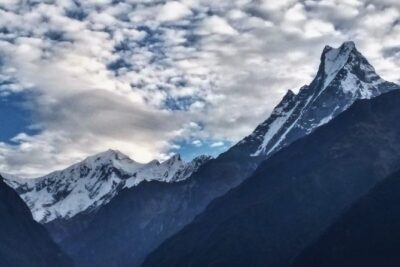
Thorong La at 5,416m tests your lungs and legs. In this 9-day Annapurna Circuit trek, you get big views of Annapurna, Dhaulagiri, and Machapuchare, plus two standouts I really like: Thorong La Pass itself and Muktinath Temple at the end. I also like how the route mixes high-altitude walking with real village life, from Bhote communities to Upper Pisang.
The main thing to consider is the difficulty and the cold. The day you cross the pass starts around 4:00 AM, and teahouse nights can feel properly wintry, so plan for cold nights and pack insulation you can trust.
Key Things That Make This Trek Worth Your Attention
- A real high-pass challenge: you cross Thorong La at 5,416m, then keep moving down toward Muktinath.
- Upper Pisang views with culture built in: you’re not just hiking past it, you stop in the village and meet people.
- Manang acclimatization is part of the plan: a full rest day at 4,050m helps you adjust before going higher.
- Teahouses, but not luxury: expect basic lodging and simple meals, with warmth and sleeping gear doing most of the heavy lifting.
- Guides can change the experience: multiple guides (like Parkash and Sishir) are praised for staying calm, checking in, and pacing you.
Thorong La at 5,416m Is the Star of This 9-Day Circuit
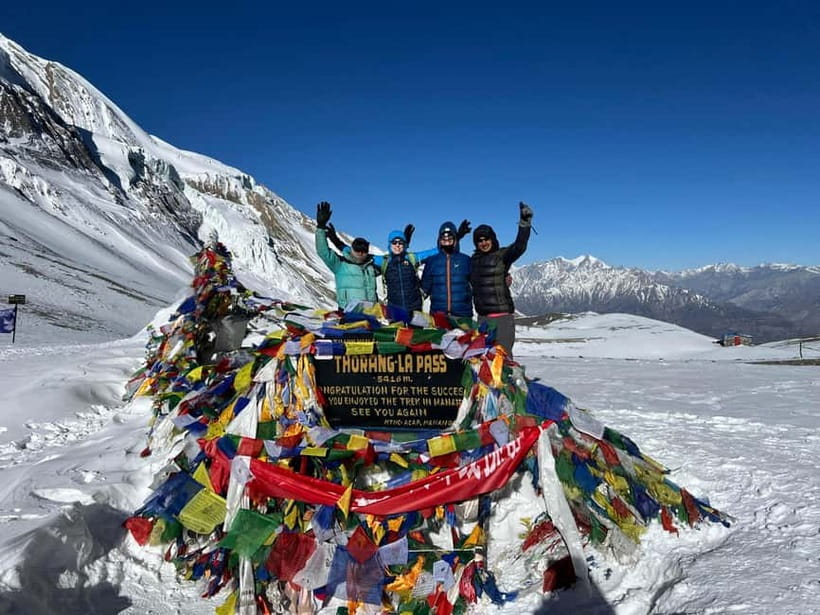
If you want one day that defines the entire trek, this is it. Thorong La Pass sits at 5,416m and is the highest point in the route you’re booked on. You’ll start the morning very early, around 4:00 AM, because you’re aiming to cross before the winds pick up.
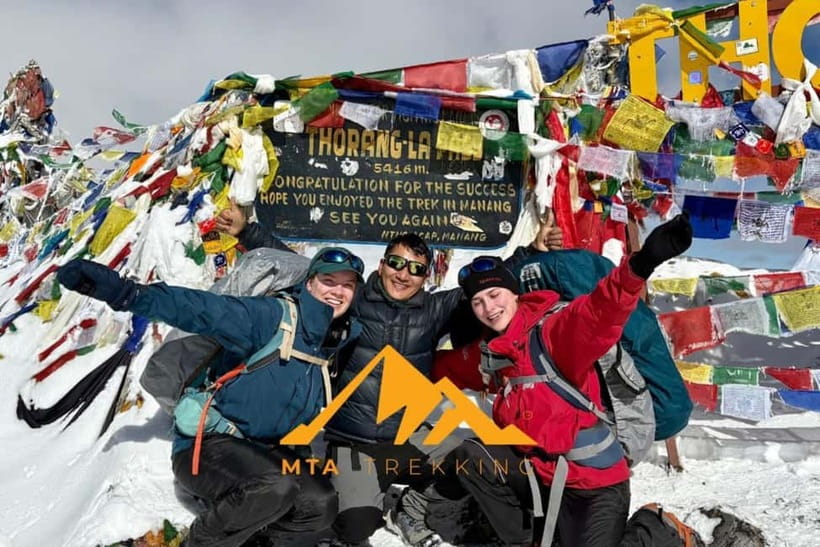
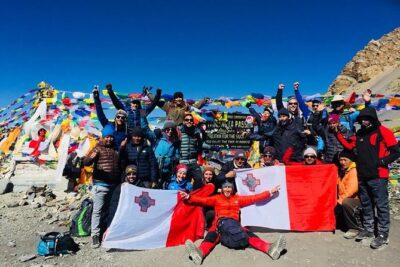
Here’s what makes it special beyond the altitude number: you get wide Himalayan panoramas and you’ll see prayer flags marking the top. It’s hard work, yes. The climb can feel exhausting, and the descent can still feel long once you think you’re done. I like that the itinerary gives you a full day after, with a serious target in Muktinath, so the pass doesn’t just end your effort, it transitions you into reward.
You can also read our reviews of more hiking tours in Pokhara
From Kathmandu and Pokhara to Besishar and Dharapani: the Quiet Setup
Most people think the trek starts on Day 2. In reality, Day 1 is where your body and head get tuned. You’ll be picked up early from your hotel area in Thamel (or nearby), then drive to Besisahar.
The road part matters more than you might expect. It’s a long transfer, listed as 7 to 8 hours and about 175 km, going through terraced fields and villages. You’ll first take a public bus to Besisahar, then shift to a shared jeep for the hop to Dharapani. That mix helps break up the travel without making it feel endless.
You sleep in a teahouse in Dharapani, which is a good mental warm-up. You’ll get used to the basic lodging rhythm before altitude starts stacking up.
Dharapani to Chame: Bhote Villages, Forest Steps, and Your First Real Trek Day
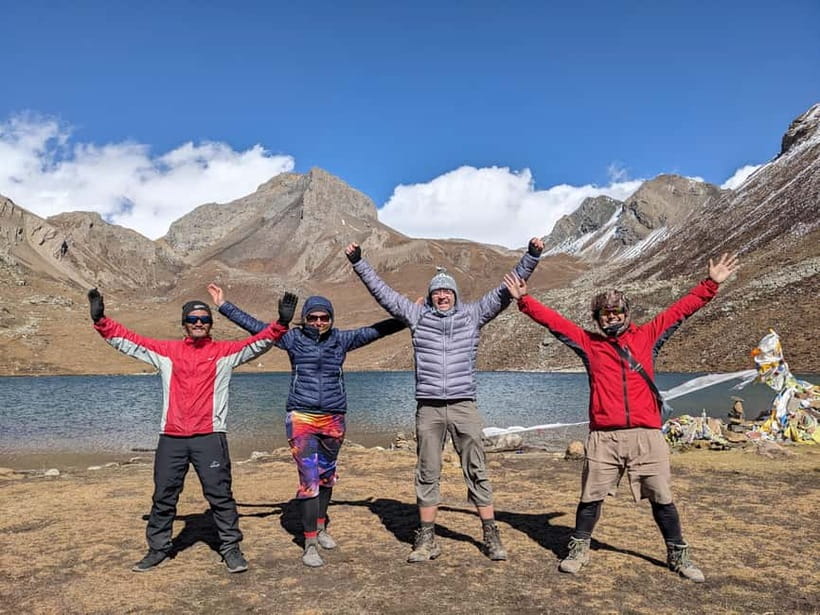
Day 2 is your first true trekking introduction, listed around 6 hours and about 13 km, ending at roughly 2,670m in Chame. The route walks you through Bhote villages, plus pine and oak forest. This is where the Annapurna Circuit starts to feel like a living place instead of just a trail on a map.
A practical tip: don’t treat this as a “speed day.” The scenery is great, but the goal is to settle into walking pace. You’re at climbable altitude, still “manageable,” and it’s a smart moment to practice your rhythm, water breaks, and layers. By the time you reach Chame, you’ll feel the alpine atmosphere that makes this trek addictive.
Upper Pisang (3,200m) Feels Like a Himalayan Village, Not a Pit Stop
Day 3 is about steady climbing and scenery that keeps changing. It’s listed as 5 to 6 hours and about 15 km, reaching Upper Pisang at around 3,200m. You’ll go via the Bhratang Valley, and you’ll keep gaining that classic high-mountain feel.
Upper Pisang is a standout because it’s a village stop, not just a marker. You explore the settlement, meet locals, and you get stunning mountain views from the area. If you care about culture as much as peaks, this is a good day to slow down. I also like that the route includes time to absorb the place, which makes the trek feel human.
Manang (3,540m) and the Views of Tilicho, Annapurna III, and IV
Day 4 continues for about 5 to 6 hours, around 16 km, ending in Manang at about 3,540m. You’ll walk through forests and valleys and arrive with major peak views, including Tilicho Peak along with Annapurna III and Annapurna IV.
Manang is where the trek starts acting like a mountain base camp for acclimatization. You rest at a teahouse and give your body time. The altitude jump is real, so this is not a day for big efforts. I like that the plan respects that.
Also, Manang is a place you’ll remember because it’s where your trek starts to feel more “high altitude trekking” than “just walking in mountains.”
Acclimatization Day at 4,050m: Gangapurna Glacier Lake or Just Staying Smart
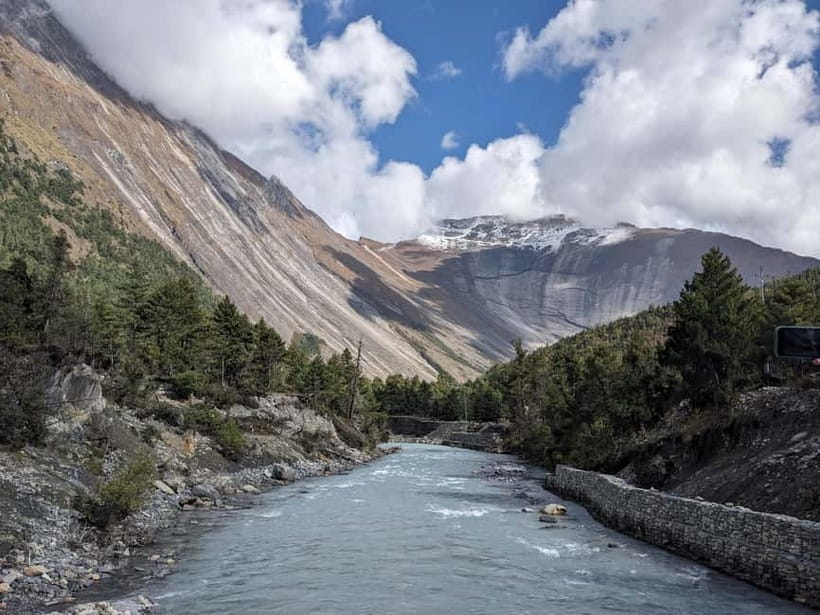
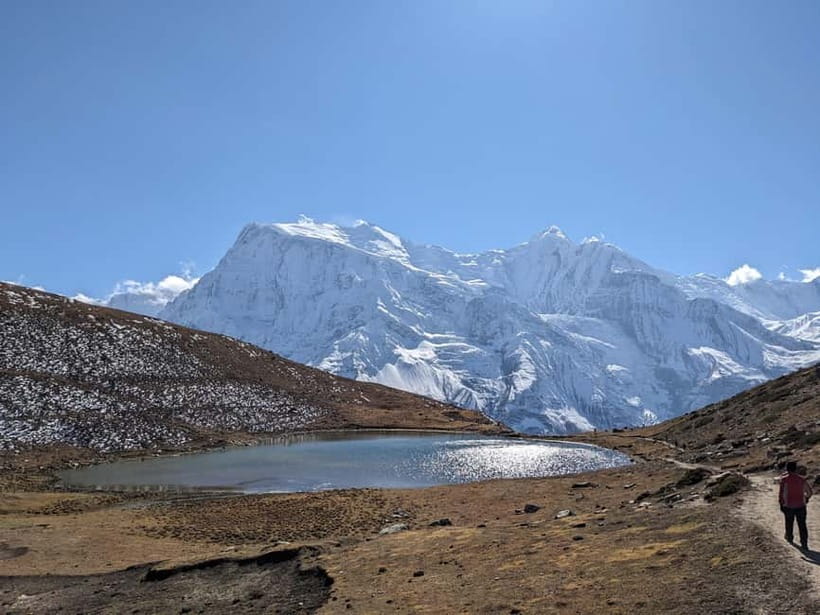
Day 5 is an acclimatization day in Manang at around 4,050m. The option listed is a hike to Gangapurna Glacier Lake or nearby icefalls if you want the extra effort and your body feels good.
This day is one of the best values built into the schedule. You’re essentially buying yourself altitude safety. In real life terms, a rest day plus a light hike helps you adapt before you go higher again. In the reviews, guides also pushed the same idea, including one suggestion to acclimatize in Manang to avoid possible high-altitude sickness. That’s not fear talk, it’s good planning.
If you take the optional hike, think “test your legs,” not “win a race.” You want comfort with elevation, not bragging rights.
Yak Kharka to Thorong Phedi: Shorter Walks Before the Big Crossing
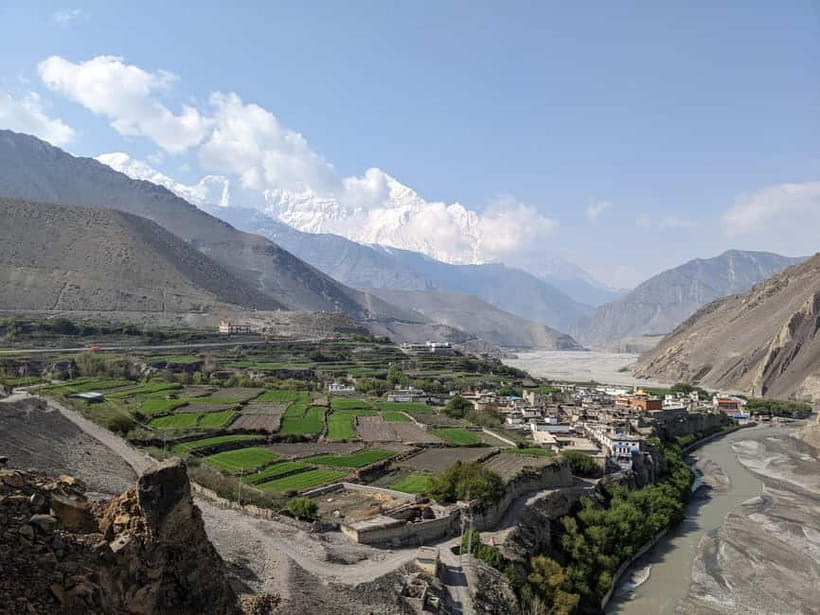
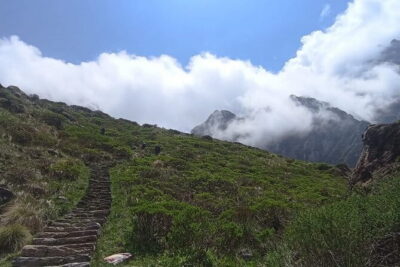
Day 6 is a shorter trek, about 4 hours and around 7 km, ending in Yak Kharka at roughly 4,050m. This is the itinerary version of a breather. The walk through alpine pastures gives you sweeping mountain views and crisp air, but the distance is controlled so you can adjust rather than suffer.
Day 7 goes to Thorong Phedi. It’s listed around 4 to 5 hours and roughly 6 km, reaching about 4,450m. You’ll move over rocky paths and cross suspension bridges. This is the part where you feel the terrain get more technical and your body starts thinking about tomorrow.
I like that you end Day 7 at Thorong Phedi, because you’re close enough to the pass that you can settle in and focus on sleep and food. Tonight is your “be boring, rest well” night.
4:00 AM Thorong La to Muktinath: the Pass, the Descent, and the Temple Payoff
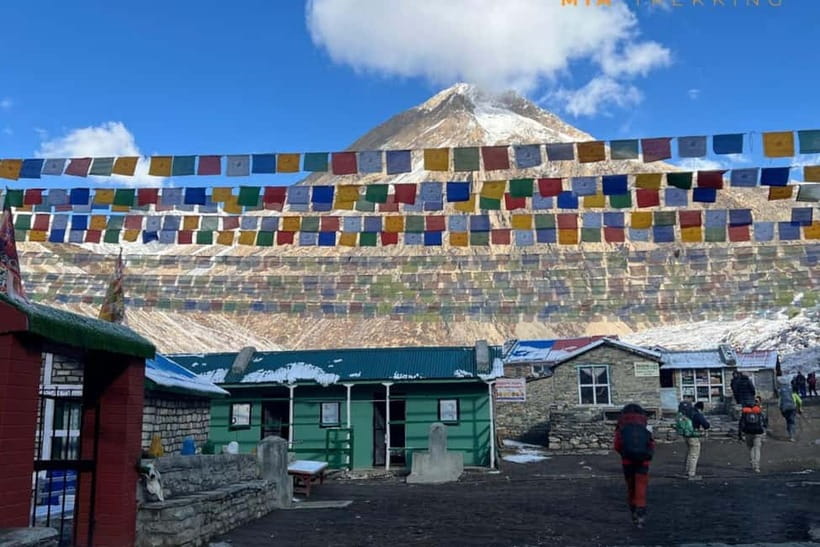
Day 8 is the defining day. You start around 4:00 AM to cross Thorong La Pass at 5,416m before winds pick up. The climb is challenging, and the whole day asks for steady pacing and patience.
Once you reach the top, the views and prayer flags make the effort feel worth it. Then you descend steadily toward Muktinath. The itinerary notes arrival around 12 to 1 PM, where you’ll have lunch and stay overnight.
Muktinath is a real emotional shift from cold high pass hiking to pilgrimage town energy. It’s a sacred site for both Hindus and Buddhists, and it gives you meaning at the end of a hard day. I like that you’re not just collecting a summit, you’re transitioning into a spiritual landmark.
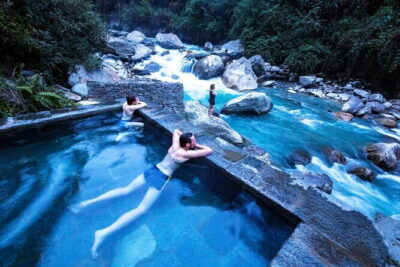
There’s also an optional post-pass trip to Tatopani hot springs to relax tired muscles. The note here matters: the taxi to get there is not included, and the cost is about USD 50 payable by participants.
Teahouses, Meals, and the Cold Reality Up High
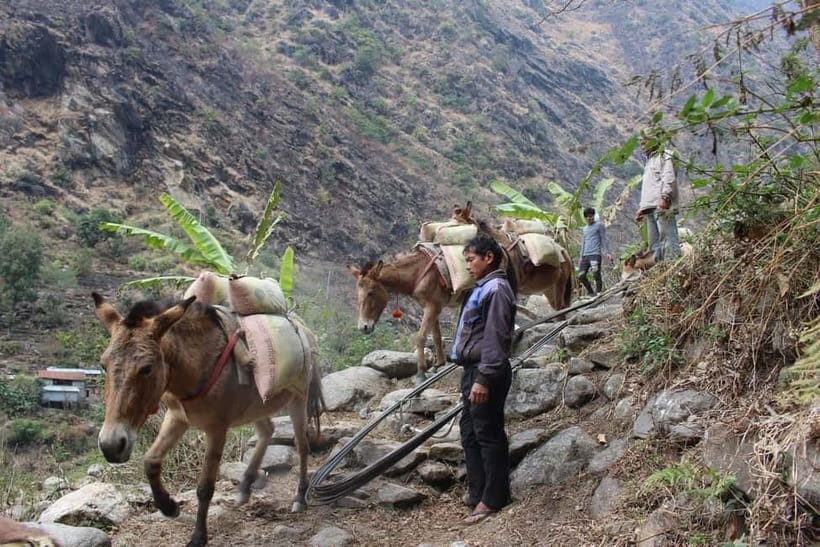
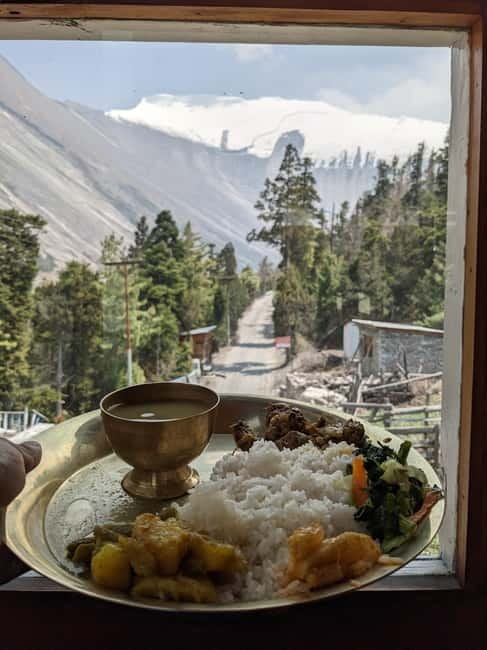
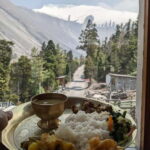
This trek uses tea house or lodge accommodation during the trek, with 8 nights booked that way. You should expect basic lodging and simple meals. The reviews describe food as tasty but fairly similar from day to day. That makes sense at altitude, where options shrink and menus repeat.
The bigger practical issue is cold. One of the strongest points from reviews is that it can get very cold at night, and a proper sleeping bag matters. The itinerary also includes layers and quick-dry clothing in the “what to bring” list, which is exactly what you need when temperatures swing and your body is working hard all day.
My advice: treat warm sleep like part of your training plan. If you’re properly insulated, the next day feels less like punishment.
Guides and the Value of a Proper Plan (Including Luggage and Permits)
This is a guided private group trek, with an authorized English-speaking trekking guide. Porter service is available at an additional cost, and luggage storage is included. That’s not just convenience. It helps you keep your pack manageable when altitude is already asking for attention.
The tour also includes required permits and paperwork, including TIMS fees, plus applicable government taxes. You’re not left juggling forms on your own, and that reduces stress, especially if you’re not already comfortable with Nepal’s trekking admin.
On the people side, the guides have been consistently praised in the bookings I reviewed. Names that came up include Parkash and Sishir, with comments about being knowledgeable on trails, checking in, and supporting acclimatization. Other guides mentioned include Ramit and Ghanshyam for friendliness and safety, plus Bijay and Binod for organization and positive energy, and Chakra for trail familiarity.
A quick note on insurance: guide services include full insurance coverage. Still, your own travel insurance should cover high-altitude trekking because travel and rescue insurance is not included.
Best Seasons, Weather, and What You Should Pack Before You Leave
Timing makes a big difference in visibility and comfort. The best time is spring (March to May) and autumn (September to November) for clearer skies and strong views. Spring can feel warmer with blooming flowers. Autumn is often a smoother choice for visibility and mild temperatures.
Avoid monsoon season (June to August). Heavy rain makes trails slippery, and conditions can be rough. Winter (December to February) is cold and snowy, with potential trail closures, so you need extra caution if you travel then.
What to bring, based on the trek’s guidance:
- Comfortable shoes
- Sunglasses
- Sun hat
- Sunscreen
- Comfortable clothes
- Passport or ID card, copy accepted
- Quick-dry clothing
And based on the cold teahouse feedback, I’d add a very practical rule: bring a sleeping bag that’s meant for real cold, not just “cool evenings.” If you’re guessing, don’t guess. Pick the warm one.
Who This Trek Suits Best, and Who Should Skip It
This route is demanding because of long walking hours and altitude up to 5,416m. Good fitness and prior trekking experience help. The itinerary includes acclimatization days, but you still need to be ready to walk.
It’s not suitable for:
- Children under 7 years
- Pregnant women
- People with altitude sickness
- People with high blood pressure
If you have any altitude concerns, treat them seriously and talk to your doctor before you commit.
Should You Book This 9-Day Annapurna Circuit Trek via Thorong La Pass?
If you want a classic Annapurna Circuit experience with a strong peak moment, this is a solid pick. The schedule gives you the big pass crossing, Upper Pisang village time, a full Manang acclimatization day, and a meaningful finish at Muktinath. I also like the operational value: permits and TIMS fees are handled, meals and lodging are covered depending on your booking type, and luggage storage reduces day-to-day hassle.
You should consider choosing another format if you hate early mornings, dislike cold nights, or you’re not comfortable managing altitude risk. The pass day starts early for a reason, and the cold is not subtle.
My bottom line: book this trek if you’re ready for real altitude effort, you can handle teahouse basics, and you want the payoff of Thorong La plus Muktinath in one focused 9-day plan.
FAQ
What is the highest point on this trek?
The highest point is Thorong La Pass at 5,416m.
How long is the trek from Kathmandu to Pokhara and the trail section combined?
The experience runs 9 days total, including travel from Kathmandu to the trail area and the drive back from Muktinath to Pokhara.
What kind of accommodation do I get during the trek?
You get tea house or lodge accommodation during the trek for 8 nights.
Are meals included?
Yes, for Full Package bookings, breakfast, lunch, and dinner are included during the trek.
What is included besides guide and lodging?
It includes hotel pick-up and drop-off, an authorized English-speaking guide, required permits and paperwork including TIMS fees, luxury tourist standard accommodation in Pokhara for 1 night, a farewell dinner in Lakeside, Pokhara, transportation as listed, luggage storage, and staff expenses.
What do I need to bring?
Bring comfortable shoes, sunglasses, a sun hat, sunscreen, comfortable clothes, passport or ID card (a copy is accepted), and quick-dry clothing.
Is travel insurance included?
No. Travel and rescue insurance is not included, and you should make sure your insurance covers high-altitude trekking.
More Hiking & Trekking Tours in Pokhara
More Tour Reviews in Pokhara
Not for you? Here's more nearby things to do in Pokhara we have reviewed
Annapurna Treks from Kathmandu, compared.
 ★ 5.0Annapurna Circuit Trek with Tilicho LakeFrom $1,093368 reviews
 ★ 5.0Annapurna base camp trek 5 DaysFrom $699252 reviews
 ★ 5.0Annapurna Base Camp TrekFrom $935111 reviews
 ★ 5.0Kathmandu to Annapurna Base Camp (ABC) 5-Day TrekFrom $99102 reviews
 ★ 5.0Annapurna Circuit TrekFrom $1,17594 reviews
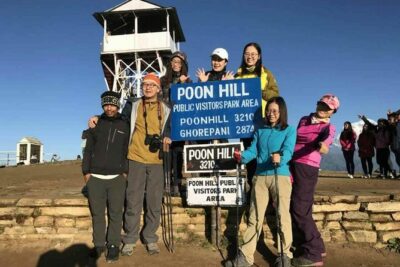 ★ 5.04 Days Poon Hill TrekFrom $40594 reviews
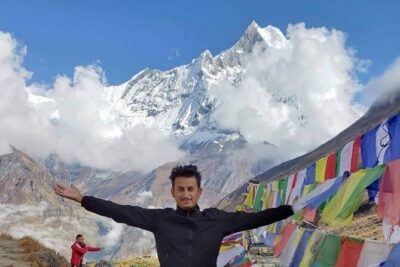 ★ 5.0Annapurna Base Camp Trek 12 DaysFrom $80085 reviews
Annapurna Base Camp TrekFrom $78581 reviews
★ 5.0Annapurna Base Camp Trek 12 DaysFrom $80085 reviews
Annapurna Base Camp TrekFrom $78581 reviews
Browse the lists this tour appears in