

REVIEW · ANNAPURNA TREKS FROM KATHMANDU
Kathmandu: 10-Day Annapurna Circuit Trek via Thorong La Pass
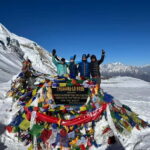
Thorong La Pass hits different in person. This 10-day Annapurna Circuit trek links lush valleys to Tibetan-influenced villages, then pushes you up to Thorong La Pass and 5,416m. I really liked the rhythm of the route, it gives you time to adjust while still delivering dramatic views. The one possible drawback is altitude, even with an acclimatization plan, you still need to take it seriously.
I also like that this trip mixes big mountain moments with everyday Nepal. You move through places like Chame, Upper Pisang, and Manang, and you actually get a sense of how people live here, not just a quick walk-by. You even spend time in Manang exploring the village and a stupa area, which makes the day feel more human and less like a checklist.
One more consideration: the schedule is active. Several days are 5 to 8 hours of trekking, and the big crossing day is long. If you have breathing issues, altitude sickness history, or you are very young or older, this trek may not be a good fit.
Key points to know before you go

- Thorong La Pass at 5,416m is the headline, and the day plan is built around getting you there safely
- Manang acclimatization day gives you a real chance to settle in before higher terrain
- Tea house lodging plus full trek meals keeps your energy steady without constant decision-making
- Village variety is a core part of the experience, from lower-green areas to high, Tibetan-style settlements
- A government registered local guide focuses on pacing, hydration, and altitude choices
- Emergency rescue assistance is included, but you should still bring travel insurance for medical and evacuation coverage
Why the Annapurna Circuit still feels worth it

The Annapurna Circuit is famous for a reason. In 10 days, you get the full “from here to there” effect, with altitude changing your surroundings more than you expect. One day you are walking through forested paths and quiet fields, and the next you are moving through higher, drier terrain where the air feels thinner and your breathing changes.
What I like most is that the trek does not treat altitude like an obstacle you just power through. The route climbs in steps, with stops that help you adapt. Then it brings you to Manang, where your body gets time to catch up. That is what turns a tough trek into a survivable, enjoyable one.
You should also know this trek has a strong culture component. You pass through communities with Buddhist influence and high mountain livelihoods. When you sit down in a tea house for meals, you are not just recovering, you are participating in local hospitality.
You can also read our reviews of more hiking tours in Pokhara
Your 10 days, from Kathmandu exits to Muktinath and beyond
This trek starts with an overland push that sets the pace. You begin with a drive from Kathmandu to Besisahar, then continue by sharing jeep to Dharapani. It is long, but it is also part of the build-up, you get Nepali countryside views and a feel for the region before you lace up trekking shoes.
Day 1: Kathmandu to Besisahar, then Dharapani
You’ll spend about 7 to 8 hours driving from Kathmandu to Besisahar by bus. After that, you transfer to Dharapani by shared jeep. This is a “save your legs” day. Think of it as travel time with scenery, not as training.
Day 2: Dharapani to Chame (up to 2,670m)
Day 2 is a classic transition day, from river valley terrain up toward a higher village. The trek takes around 6 hours, and your maximum altitude for the day is about 2,670m.
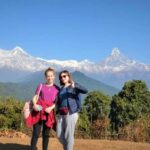
On the trail you start seeing Annapurna-linked views, including glimpses of Annapurna II from higher points. You also pass through Bagarchhap, where you can see a Bhote village and a Buddhist temple. Then you walk through oak and pine forests to Timang, before leveling out into Chame. Staying in a tea house here matters, it keeps you moving into the next days without extra logistics.
Day 3: Chame to Upper Pisang (up to 3,200m)
This day runs about 5 to 6 hours. You max out around 3,200m, which is high enough to feel it but not so high that you are forced into panic pacing.
You’ll enjoy views toward Lamjung Himal and walk past an apple orchard. Then you reach Bhratang Valley before descending toward Pisang or continuing to Upper Pisang. The “choose your way to Pisang” feeling on this route is one of those small freedoms that makes the trek feel less like a conveyor belt.
Day 4: Upper Pisang to Manang (up to 3,540m)
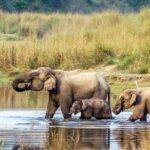
This is one of the most scenic days on the route. The trek is about 5 to 6 hours, and the day tops out around 3,540m.
You’ll take in views of Manang Valley, Tilicho Peak, Annapurna III, and Annapurna IV. You also cross the Marsyangdi River on a wooden bridge, which is memorable in the simple way only high country crossings can be. Then you pass through Mungji and Braga before reaching Manang. You are arriving in a place that feels like the gateway to higher Mustang-style terrain.
Day 5: Acclimatize in Manang (up to 4,050m)
This is your “don’t rush” day. Your maximum altitude is about 4,050m, and the goal is adjustment, not conquest.
You can take optional short treks. One option mentioned is walking to a river crossing to see an icefall area. Another option is exploring Gangapurna Glacier Lake. Even if you do a lighter version, the value of this day is that you give your body time. Your head stays clearer, and your climb to higher camps becomes less stressful.
Also, your trip includes time to explore Manang village and hike to the stupa area. That turns acclimatization into something with meaning, not just a rest break.
Day 6: Manang to Yak Kharka (up to 4,050m)
Day 6 is short by trekking standards, about 4 hours. Your maximum altitude stays around 4,050m.
This is the “short hike, big altitude” day. You may feel like you should be faster because the hours look manageable, but your breathing will disagree. The best strategy is slow steps, steady breathing, and consistent hydration.
Day 7: Yak Kharka to Thorong Phedi (up to 4,450m)
This leg takes around 4 to 5 hours, max altitude about 4,450m. It is a gradual climb toward Thorong La.
The trail heads along the Marsyangdi headwaters and includes a hidden wooden bridge you cross before ascending on the right bank. This is also a day where the views steadily expand. By the time you reach Thorong Phedi, you are close enough to Thorong La that it stops feeling like a distant idea and starts feeling like tomorrow’s reality.
Day 8: Thorong Phedi to Muktinath via Thorong La Pass (up to 5,416m)
Now comes the main event. Expect 7 to 8 hours on this day, with the pass at 5,416m.
You cross Thorong La Pass, one of the highest trekking passes in the world. Then you descend toward Muktinath, with views of Mustang Valley and Dhaulagiri along the way. This is the day where a good guide matters. You need pacing for the ascent, and you need controlled movement on the descent so you do not burn out your knees.
In guides described on similar trips, Ganesh and Ghanshyam-style coaching shows up as early starts, careful acclimatization, and steady hydration reminders. That kind of support can make a huge difference when your body is working overtime.
Day 9: Muktinath to Jomsom via Kagbeni (7 to 8 hours)
This is a long, scenic day, about 7 to 8 hours. You trek through Kagbeni, a village known for its dramatic high mountain setting and tight settlement feel.
You’ll leave Muktinath and continue on toward Jomsom. Kagbeni gives you a cultural reset between altitude strain and the final travel day.
Day 10: Jomsom to Pokhara by public bus (about 8 hours)
After reaching Jomsom, you take a public bus to Pokhara, around 8 hours. It is a ride day, not a hike day.
When you get to Pokhara, you have 1 night at Hotel Orchid included, plus a farewell dinner after the trek. That night is useful. You can do laundry, charge devices, and let your legs return from “trek mode” to normal life mode.
Thorong La planning: your success is about breathing, not speed

Thorong La is high. Even if the trail is clear, your body’s limit is still the story. You can be fit and still feel awful if you move too fast at altitude. This is where the trip’s structure helps you.
The itinerary builds toward the pass with step-up days and Manang acclimatization. Still, you should take a simple rule to heart: go slower than you think you need to. Your oxygen intake will be lower, and your pace should reflect that.
Also, expect early mornings on the pass day. In similar experiences with guides like Prakash and Chakra, the approach is often to start early, keep you hydrated, and protect your schedule while you acclimatize to the start-of-day conditions. Some guides also focus on keeping your meals simple and fresh at higher elevations. In one example, a guide helped with water purification pills, which can make hydration easier to manage on the trail.
You do not need fancy gear to succeed, but you do need warm clothing and footwear that can handle cold, dust, and uneven footing.
Manang, Tibetan villages, and the everyday Nepal you can actually talk about

The best part of this trek is that the experience shifts repeatedly, not just once. Lower valley areas feel green and wooded, with farms and village paths. As you climb, you enter dryer air where high settlements and Tibetan-influenced culture become more obvious.
Chame is a good first taste of this. You get forests, temple sights, and views of major peaks. Upper Pisang adds orchards and a more settled high valley vibe. Then you arrive in Manang, which is where the trek becomes more “place-like.” You can wander, you can explore the village, and you can visit the stupa area.
On Manang’s acclimatization day, it is tempting to treat it like a full extra sightseeing day. Try not to. The optional excursions to icefall viewing areas or Gangapurna Glacier Lake can be great, but keep the focus on how you feel. The goal is to arrive at higher days with energy, not to rack up a long to-do list.
Tea houses, meals, and how comfort works up high
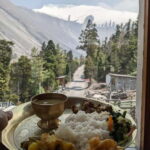
This trek includes accommodations in tea houses and lodges during the trek, plus full meals: breakfast, lunch, and dinner. That is a big value item. In high country trekking, meal quality and timing affect more than comfort, it affects your ability to keep walking.
You will likely eat what is available in each tea house, which means menus can be simple, but you can still aim for steady calories. A good guide will also push hydration and pacing. In examples led by Ghanshyam and Ganesh, the emphasis was repeatedly on eating well, staying warm, and following a safe rhythm for altitude.
Comfort is also about your clothing layers and sleep setup. Bring warm layers. Change of clothes is important. Waterproof protection matters because weather can shift fast.
Guides, safety, and rescue support that you should still plan around

This trip uses a government registered local guide, and the tour notes emergency rescue assistance is included. That helps.
But here is the reality check you should follow: altitude risk is real. The trek hits up to 5,416m, and the tour explicitly flags Acute Mountain Sickness risk. If you go, you should take prevention seriously.
That means:
- Move slowly on higher days
- Prioritize acclimatization days, especially in Manang
- Stay hydrated and eat
- Watch yourself and your group for symptoms and do not push through feeling worse
The tour also recommends comprehensive travel insurance that includes medical coverage and helicopter evacuation up to an altitude of 5,400m. That recommendation is worth treating as the baseline, not a suggestion to ignore.
Also, the tour does not allow alcohol and drugs. That is a standard altitude safety move. You want your judgment sharp when the route gets cold, steep, and long.
Price and value: what $447 buys you (and why it matters)

At $447 per person for a 10-day trek, the value comes from the “everything you do not want to manage yourself” parts.
Included highlights:
- Permits and TIMS card (important in Nepal trekking)
- Pickup and drop-off from and to your hotel
- Transport between major destinations, including the Kathmandu to Besisahar bus and sharing jeep segments
- A government registered local guide
- Tea house and lodge accommodations during the trek
- All trek meals
- 1 night in Pokhara at Hotel Orchid after the trek
- Farewell dinner in Pokhara
- Emergency rescue assistance
Not included items like trekking gear, bottled or boiled water, and personal expenses are common on treks. The best way to see value is to compare what you save in planning time and on-the-ground stress. When guides manage permits, routing, and pacing, you spend less energy micromanaging and more energy experiencing the route.
Who this trek suits, and who should choose a different plan

This is not a casual hike. It is high altitude, long days, and cold nights in the upper sections.
Based on the trek’s stated limits, it is not suitable for:
- Children under 15
- People with altitude sickness
- People over 70
- People with respiratory issues
- Pregnant women
It can be a great fit for you if you are a reasonably healthy adult who can commit to slow pacing and acclimatization. If you like a mix of active trekking and real village culture, you will likely enjoy it. If you want views but also want the day-to-day Nepal feel, this itinerary does both.
Should you book this Thorong La Pass trek?

If your goal is to cross Thorong La Pass at 5,416m while getting a structured acclimatization plan and full support on meals and logistics, this trek is a strong choice. I especially like that the route includes Manang for adjustment and village time, not just a quick pass through.
Book it if you:
- Can handle 5 to 8 hours of trekking on most days
- Take altitude seriously and will follow pacing guidance
- Want tea house comfort and included meals so you are not stuck making choices up high
- Prefer a supported, private-group experience with an English, Hindi-speaking local guide
Skip it or choose a safer alternative if altitude risk is a concern for you, or if you fall into the trek’s not-suitable categories. In high country, “good enough fitness” is not always the main factor. Your body’s response to altitude matters more.
FAQ
What is the highest altitude on this trek?
The highest point is Thorong La Pass at 5,416m.
Is the trek food included?
Yes. Breakfast, lunch, and dinner are included during the trek.
Does the package include permits and entry cards?
Yes. Permits and a TIMS card are included.
What lodging do you get during the trek?
You stay in tea houses and lodges during the trekking days, plus 1 night at Hotel Orchid in Pokhara after the trek.
How do you get from Kathmandu to start the trek?
You are picked up from your Kathmandu hotel and travel by bus to Besisahar (about 7 to 8 hours), then continue to Dharapani by shared jeep.
Who should not take this trek?
The trek is not suitable for children under 15, people with altitude sickness, people over 70, people with respiratory issues, and pregnant women.
More Hiking & Trekking Tours in Pokhara
More Tour Reviews in Pokhara
Not for you? Here's more nearby things to do in Pokhara we have reviewed
Annapurna Treks from Kathmandu, compared.
 ★ 5.0Annapurna Circuit Trek with Tilicho LakeFrom $1,093368 reviews
 ★ 5.0Annapurna base camp trek 5 DaysFrom $699252 reviews
 ★ 5.0Annapurna Base Camp TrekFrom $935111 reviews
 ★ 5.0Kathmandu to Annapurna Base Camp (ABC) 5-Day TrekFrom $99102 reviews
 ★ 5.0Annapurna Circuit TrekFrom $1,17594 reviews
 ★ 5.04 Days Poon Hill TrekFrom $40594 reviews
 ★ 5.0Annapurna Base Camp Trek 12 DaysFrom $80085 reviews
Annapurna Base Camp TrekFrom $78581 reviews
★ 5.0Annapurna Base Camp Trek 12 DaysFrom $80085 reviews
Annapurna Base Camp TrekFrom $78581 reviews
Browse the lists this tour appears in