

REVIEW · KATHMANDU UNESCO HERITAGE TOURS
Kathmandu 4-Heritage Sites Tour
Four UNESCO stops, one practical day plan. I love how the route stitches together Kathmandu Durbar Square and the big-city views of Swayambhunath in about six hours, so you get context without spending your whole day managing logistics. It also hits the spiritual core of Kathmandu, from sacred courtyards to stupa quiet.
The main thing to watch is that the experience can hinge on the guide. One past booking noted the day felt less than it could have because the guide did not fully bring the sites to life, so go in ready to ask questions and steer the conversation.
Key points at a glance

- Four UNESCO World Heritage sites in one tight 6-hour circuit, so you see more with less backtracking.
- Kumari Ghar at Kathmandu Durbar Square, a rare chance to witness the revered Living Goddess Kumari.
- Swayambhunath viewpoint time, where the Monkey Temple area gives you panoramic views of Kathmandu Valley.
- Boudhanath Stupa stop, a slower, calmer break with prayer flags and monumental stupa atmosphere.
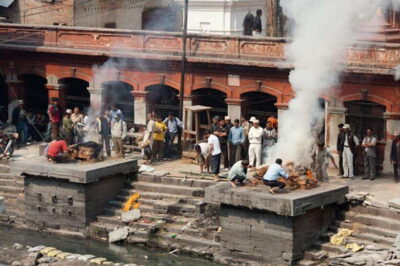
- Pashupatinath on the Bagmati River, where you can witness ancient Hindu rituals, including cremation rites.
- Private, English-speaking guide plus air-conditioned vehicle, which matters when Kathmandu is busy and the walk segments add up.
A 6-hour Kathmandu Valley route that actually fits your day

This Kathmandu 4-Heritage Sites Tour is built for people who want the big cultural highlights without turning your day into a maze. You start with hotel pickup, hop into a private air-conditioned vehicle, and follow a sequence designed to move you through four UNESCO sites in one go. The whole experience runs about 6 hours, with guided time at each stop.
The best part of this setup is how it balances “places” and “meaning.” You are not just ticking off famous buildings. You are also seeing how Newar-era palace courtyards connect to Buddhist stupa worlds, and how Hindu ritual life plays out at Pashupatinath along the Bagmati River. That mix is why the day feels more like a guided story than a checklist.
Value-wise, the price is hard to ignore. At $3.94 per person, you are paying for a private guided itinerary, hotel transfers, bottled water, and transport between sites. Even if you later choose add-on entrance fees for monuments, the overall package is still positioned as budget-friendly for a full UNESCO day.
That said, there is one practical reality. You are walking around temple complexes, courtyards, and stair-heavy viewpoints. The tour is not suitable for people with mobility impairments or wheelchair users, and even if you are able-bodied, sturdy shoes help.
You can also read our reviews of more historical tours in Kathmandu
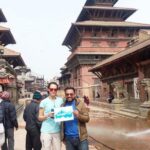
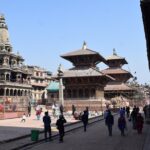
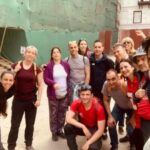
Kathmandu Durbar Square and the Kumari Ghar morning stop
Your day often begins in the heart of old Kathmandu at Kathmandu Durbar Square. This is where you see the palace and courtyard world of the Newars, the people who shaped much of the city’s urban form and artistic language.
You get a guided visit for about 1 hour, with time focused on the historic palace areas and courtyards, plus the Kumari Ghar. That is where the Living Goddess Kumari resides, and the tour includes the rare opportunity to witness her. Even if you know only the basics of the Kumari tradition, it is the kind of cultural practice that feels instantly real because it is not a museum display. It is part of how Kathmandu organizes reverence, identity, and daily life.
A practical tip: this stop is also where you tend to get your bearings fast. The Durbar Square area can feel busy and crowded, so you will benefit from arriving with a camera ready, but also with patience. If you want the best experience, make sure your guide explains what you are looking at as you walk, not only when you stop.
Possible drawback to expect at Durbar Square: it is the earliest and often the most active site. If you prefer quieter mornings, the later Boudhanath stop may feel more like relief.
Swayambhunath Temple, shrines, and the viewpoint you will remember

Next comes Swayambhunath, known as the Monkey Temple, and it is a favorite stop for one simple reason: the views. You climb into the stupa and shrine zone and get sweeping panoramas over Kathmandu Valley. This is not just a scenic bonus. The altitude helps you understand how the city spreads, how valleys hold temples, and how these sacred sites relate to the neighborhoods below.
You also get about 1 hour of guided time here, which is key. With enough explanation, you can tell the difference between what is purely decorative and what carries ritual meaning, like the way shrines cluster and how devotees move through spaces. Without that context, it can turn into only “more temples, more photos.” With a good guide, it feels like a living religious map.
There is also a sensory layer you should plan for. Expect lots of activity around temple spaces. People come with intent, and you will see everyday religious behavior rather than staged sightseeing. That is usually what makes Swayambhunath hit harder than other viewpoint stops.
If you get motion-sensitive or tired on stairs, go slow and take breaks. The tour is short on paper, but the terrain can make it feel longer.
Boudhanath Stupa: prayer flags, scale, and a needed breather

After the viewpoint and temple climb, Boudhanath Stupa gives you a calmer shift. This is where the day’s pace tends to soften, especially if you treat it like more than a photo stop.
You spend about 1 hour guided at the stupa complex. You will see the monumental spherical stupa that makes Boudhanath famous, and you will likely notice the prayer flags and the steady rhythm of people offering prayers. It is a different spiritual tempo than Kathmandu Durbar Square and Swayambhunath. The result is a mental reset.
Why this stop matters: Boudhanath is where many people go from “What am I seeing?” to “How do people actually practice here?” The scale can be overwhelming in the best way. You can feel your attention slow down as you look, and the stupa’s presence encourages quiet, even if the area is busy.
If you want a smoother experience, this is a good place to take a breather. Use the hour to rest your legs, hydrate, and let the day’s information sink in. And if you are into photography, try to capture the stupa from more than one angle during your guided time, because the lighting and crowd positions change quickly.
Pashupatinath Temple rituals on the Bagmati River

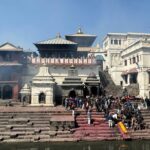
The day ends at Pashupatinath Temple, a sacred Hindu site on the banks of the Bagmati River. This is the place where the tour becomes less about architecture and more about ritual life.
You get about 1 hour guided here, and the focus is not only on the temple itself but also on the ritual practices that unfold along the river. The tour includes the chance to witness sacred Hindu ceremonies, including cremation rituals.
Important note for your expectations: this is not a light or purely aesthetic stop. It is intense, spiritual, and serious. If you are not comfortable with observing cremation rites, think about whether you want to be present for that portion of the day. You can still appreciate the cultural significance, but you may need a moment to steady yourself before continuing.
Also, plan for crowd flow. Riverfront temple areas can be packed, and viewpoints can be limited. Keep your camera skills practical. Focus on understanding what you are seeing rather than trying to capture the “perfect” shot from the busiest spot.

Transportation, comfort, and where this tour fits best

You travel by a private air-conditioned vehicle, with hotel pickup and drop-off included. Pickup is typically from Thamel in Kathmandu, and the tour lists two drop-off options, Kathmandu and Thamel. That flexibility helps if you are staying in a popular tourist neighborhood but do not want to get stranded far away after the tour finishes.
Bottled drinking water is included, which is small but important in Kathmandu. Even with a short tour, the combination of walking, sun, and crowds can add up. If meals are not provided, you should also plan for your own snacks or plan to eat immediately after.
The tour includes express security check, so you should spend less time waiting around at checkpoints. Still, carry what you are asked to bring. Passport and cash are listed as what to bring, along with your camera and a daypack. The passport requirement matters enough to take it seriously, especially on a day where you will be moving through secure areas.
Group size is private, and the guide is live and English-speaking. In other words, you are not stuck in a long bus tour where you can barely ask a question. That private format is a big part of the value, especially given the low published price.
Where it fits best: this is ideal if you want a first Kathmandu day that covers the main UNESCO cultural sites with guidance, and you do not want to stitch together separate tours. It is also a good match if you like spiritual and historical context, not just sightseeing.
Price and value: what $3.94 per person really buys

At $3.94 per person for a 6-hour, four-site UNESCO day tour, you are likely paying for efficiency. You are not paying premium rates for a longer luxury experience. You are paying for the core components: transport, a live English guide, bottled water, and the structure to visit Kathmandu Durbar Square, Swayambhunath, Boudhanath, and Pashupatinath in one flow.
The one potential cost you should plan for is entrance fees. Monuments entrance fees are not included, though an add-on option is available. Meals are also not included. So the honest budget is transport plus guide plus guidance, and then you handle food and any ticket add-ons.
Is it still good value? For many visitors, yes. You would normally pay separate guided tours for a palace courtyard, two major Buddhist sites, and a major Hindu ritual complex. Here, you get a single guided arc, meaning your guide can connect the dots for you. That connection is often what makes “four stops” feel like a coherent cultural day rather than four random visits.
The main thing to remember is that value depends on execution. Since one review noted the guide made less of the day than it could have, you should treat your questions and your engagement as part of getting value. If you actively participate, the day tends to feel more satisfying.
Practical tips for a smoother day at these four UNESCO sites

Here is how to make the most of a day like this, given the sites involved and the time structure.
Wear shoes you can trust
You will move through temple complexes and stair areas. Tight, fashion-first shoes can turn a 6-hour day into a sore-foot endurance test.
Bring a daypack and cash
A daypack keeps your camera, passport, and any small items handy. Cash helps because entrance fees are not included in the base package, and you might want to pay add-ons.
Use the guide for meaning, not just navigation
The tour is guided at each stop for around 1 hour. That is plenty of time to ask, for example, what you are looking at in the Kumari Ghar context, or what the Boudhanath stupa rituals usually involve. When you ask early, you will usually get better explanations across the day.
Plan for a strong emotional stop at Pashupatinath
Because cremation rituals are included as a possible thing you will witness, give yourself mental room. If you need to step back, that is okay. You do not have to watch everything to respect the site.
Photo strategy: shoot, then watch
Try a quick photo round, then switch to observation. These places are living religious settings. If you treat them like a museum, you might miss what makes them powerful.
Should you book the Kathmandu 4-Heritage Sites Tour?
If you want a first-day UNESCO overview of Kathmandu Valley, this is a strong choice. The route covers four of the biggest names, and the private vehicle plus English live guide format makes it easier than doing it piece by piece. The price is also unusually low for what you get, especially if you care about guided context at multiple sites.
I would only hesitate if you know you cannot handle long walks and stair-heavy temple areas, since the tour is not suitable for wheelchair users and people with mobility impairments. I would also think carefully if observing cremation rituals is something you would rather avoid.
My recommendation: book this tour if your goal is a structured, guided day that explains Kathmandu’s spiritual life through UNESCO landmarks. If you do book, go in with questions, stay present during Pashupatinath, and you will likely come away with more than just photos.
FAQ
What is the duration of the Kathmandu 4-Heritage Sites Tour?
The tour duration is 6 hours.
Where does the tour pick you up from?
Pickup is available from Thamel, Kathmandu.
Where do you get dropped off after the tour?
Drop-off options include Kathmandu and Thamel.
Is this a private tour or a shared group?
It is a private group tour.
Do you provide an air-conditioned vehicle?
Yes, you travel in a private air-conditioned vehicle.
Is there an English-speaking guide?
Yes, the tour includes a live English tour guide.
Are meals included in the price?
No, meals are not included.
Are entrance fees included for the monuments?
Monuments entrance fees are not included, but an add-on is available.
What should I bring with me?
Bring your passport, camera, cash, and a daypack.
Is the tour suitable for wheelchair users or mobility impairments?
No, it is not suitable for people with mobility impairments or wheelchair users.
More Historical Tours in Kathmandu
More Tours in Kathmandu
More Tour Reviews in Kathmandu
Not for you? Here's more nearby things to do in Kathmandu we have reviewed


Kathmandu UNESCO Heritage Tours, compared.
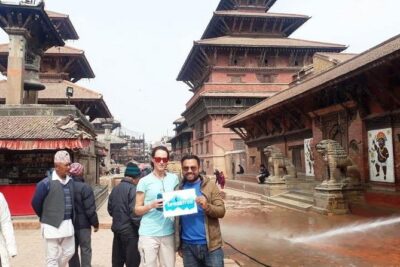 ★ 5.0Private Kathmandu Sightseeing Tour | UNESCO World Heritage sitesFrom $17756 reviews
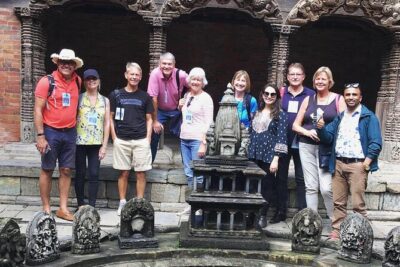 ★ 5.0Full Day 7 UNESCO Tour with Lunch – Private/GroupFrom $10415 reviews
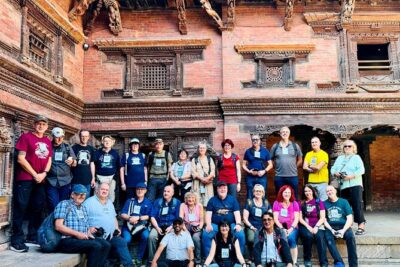 ★ 5.0Full Day Top 4 UNESCO Tour with Lunch – Private/GroupFrom $10269 reviews
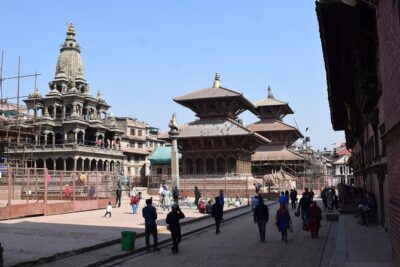 ★ 5.0UNESCO Seven World Heritage Tour in KathmanduFrom $180253 reviews
★ 4.9Full-Day 7 UNESCO Tour with Lunch – Private/GroupFrom $5247 reviews
★ 5.0UNESCO Seven World Heritage Tour in KathmanduFrom $180253 reviews
★ 4.9Full-Day 7 UNESCO Tour with Lunch – Private/GroupFrom $5247 reviews
 ★ 4.97 UNESCO Sites Tour in 1 Day (Private Tour)From $4204 reviews
 ★ 4.9Top 4 UNESCO Tour with Lunch – Private/GroupFrom $5181 reviews
 ★ 5.0Kathmandu Private Sightseeing Tour | UNESCO World Heritage SitesFrom $35109 reviews
Browse the lists this tour appears in