

REVIEW · EVEREST BASE CAMP TREKS FROM KATHMANDU
From Kathmandu Budget: 15 Day Everest Base Camp Trek
You can almost see Everest before day one. This trek strings together Everest Base Camp plus the Kala Patthar viewpoint for giant, high-altitude payoff. I especially like the combination of Sherpa villages and monastery stops with a private, English-speaking guide who adjusts to your pace.
The one real consideration is the altitude and the physical load. This is a demanding 15 days, and you should be ready for long trekking days plus colder nights as you climb.
If you want a classic Everest itinerary with clear structure, good support, and straightforward logistics, this route is built for that. A big plus is that the guides named in past bookings, including Krisna and Milan, are described as attentive, flexible with timing, and focused on keeping you safe and comfortable.
Key highlights worth showing up for

- Kala Patthar at 5,545 meters for sweeping views of Everest, Lhotse, and Nuptse, best around sunrise or sunset
- Everest Base Camp at about 5,364 meters for the surreal moment of standing in the shadow of the world’s highest mountain
- A private trek with an English, Nepali, and Hindi-speaking guide who can adapt day-to-day
- Suspension-bridge crossings and high-altitude Sherpa villages that add variety beyond just walking uphill
- Guesthouse stays included during the trek, so you can focus on trekking and not hunting lodging
- Trekking poles included, handy for the steep parts and for comfort on the way back down
Why Everest Base Camp plus Kala Patthar feels like two trips

The Everest Base Camp trek is famous for a reason, and in this version you get two big moments instead of one. You reach Everest Base Camp at roughly 5,364 meters, then you continue to Kala Patthar (5,545 meters) for a viewpoint that looks straight toward Everest and its nearby giants.
Base Camp gives you the “I’m really here” altitude feeling, surrounded by the scale of the Khumbu peaks. Kala Patthar is where the photos usually start making sense, because you’re up high enough to see Everest in a way that feels close, even when you know it is still far away. Timing matters too, since sunrise or sunset is when those ridges and faces tend to show the most.
Price and value: what $796 includes, and what it doesn’t
At $796 per person for 15 days, you’re paying for a package that covers the core Everest logistics. You get round-trip transfers (hotel pickup and drop off in Kathmandu, plus shared jeep or bus transport on the trek route), a private trek, a friendly English-speaking trekking guide, and guesthouse accommodation during the trek.
The package also includes trekking permits and official documents, a first aid kit with the guide, and trekking poles. That matters because permits and permits paperwork can be annoying on your own.
What is not included is your food and drinks, plus travel insurance and any emergency rescue costs. Since the itinerary runs through remote areas where options are limited, it’s smart to budget for meals daily, and make sure your insurance actually covers high-altitude trekking and evacuation if needed.
Kathmandu to Salleri: the long jeep day that sets the tone

You start with an early morning pickup in Kathmandu and a drive to Salleri. The route runs about 10 hours and covers roughly 266.9 km, arriving around 2,600 meters.
This day is not about hiking yet. It’s about getting your body used to Nepal travel time, getting organized, and staying calm while the mountains appear bit by bit. If you tend to feel restless in vehicles, bring something to pass the time, and do a short stretch after you arrive.
Also, don’t underestimate what this day does to your energy. After 10 hours on the road, you’ll want an early night so you’re fresh for the first real trekking stretch.
Surkhe and Phakding: forests, bridges, and learning your pace
After Salleri, you move by jeep toward Tham Danda, then begin trekking to Surkhe (about 7 to 9 hours). The next day takes you from Surkhe to Phakding (around 6 to 7 hours).
This early stretch is where you figure out the rhythm of your legs, your breathing, and your pack weight. You’ll trek through rhododendron forests, and the route includes the kind of dramatic terrain Nepal is known for, including suspension bridges over deep gorges.
Practical tip: start slower than you think you need to. In this phase, speed does not help. Consistency does, because you’ll still be building altitude later.
Namche Bazaar and Tengboche: culture, monasteries, and big views at the right time

You’ll head from Phakding to Namche Bazaar in about 6 to 7 hours, reaching around 3,440 meters. Then the trek continues to Tengboche Monastery (about 5 hours, around 3,860 meters).
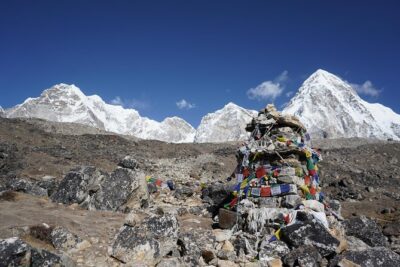
Namche Bazaar is where the Khumbu region starts to feel like a real hub. You’ll also see Buddhist touches like prayer flags, and you’ll feel the blend of daily life and mountain history that makes this region so distinctive.
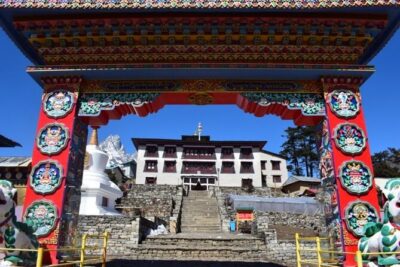
Tengboche is a special stop because it adds a spiritual pause to the physical grind. It also gives you a chance to look outward, not just downward at your next step. If your guide, like Milan in past experiences, is paying attention to your comfort, this is where you’ll notice it most, because you can take breaks without feeling rushed.
Dingboche acclimatization day: this is not wasted time
From Namche Bazaar to Dingboche is about 5 to 6 hours, reaching around 4,350 meters. Then you get an acclimatization day in Dingboche.
That extra day is the difference between “I can do this” and “I’m struggling.” The trek is physically demanding, and altitude is the real boss here. Your job on acclimatization day is simple, take it easy and let your body adjust while you stay hydrated and keep moving gently.
You might still feel tired. That’s normal. What you want to avoid is forcing yourself to “earn” views. This is where a flexible guide approach pays off, because the goal is getting you higher safely.
Lobuche to Everest Base Camp at 5,365 meters

Next comes Lobuche, reached in about 5 hours (around 4,910 meters). Then the big day: trek to Everest Base Camp in about 8 hours, arriving at roughly 5,365 meters, and then head back to Gorak Shep (about 5,180 meters) to sleep.
This is the part where Everest stops being a destination and starts becoming a fact. You’ll stand at Base Camp and take in the scale of the place, with towering peaks around you and a surreal sense of being right under something enormous. In plain terms, it’s a moment that makes the earlier days feel worth it.
One caution: Base Camp day is long. Even if you feel good early, you can still run out of energy near the end. Keep your effort steady, and follow your guide’s pacing.
Kala Patthar: the rocky outcrop that teaches you patience
The route continues with the famous hike up to Kala Pattar. From Gorak Shep, the climb takes about 7 hours to reach around 5,545 meters, then you trek down to Pheriche (about 4,120 meters).
Kala Patthar is a rocky outcrop, and it can feel steeper and more technical than the numbers suggest. This is also one of the coldest parts of the trek, so treat warm layers like an actual survival tool, not just something for comfort.
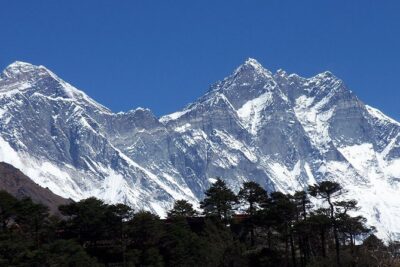
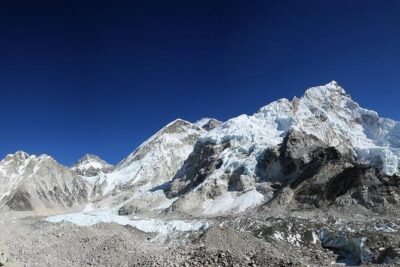
If you aim for sunrise or sunset views, you’ll likely start early, and you’ll want to be ready for winds and sudden temperature shifts. The reward is panoramic sightlines toward Everest, Lhotse, and Nuptse, with other peaks stretching into the distance when the weather cooperates.
Pheriche to Panboche to Namche to Lukla: descent that still matters
After Pheriche, you continue to Panboche in about 5 to 6 hours (around 3,985 meters). Then you go back to Namche in about 7 hours (around 3,440 meters). After that, the trek takes you from Namche to Lukla in about 5 to 6 hours (around 2,860 meters).
Even though you’re descending overall, don’t get complacent. Your knees, ankles, and calves can feel it, especially after a high-altitude push. Take the downhill slow, use trekking poles, and let your guide set a pace that keeps your feet happy.
This part also gives you that satisfying feeling of returning through places you already know, but with different light and different fatigue levels. You’ll likely notice the route feels easier, yet you still have to manage energy day-to-day.
Back to Salleri and Kathmandu: shared jeep or bus, then reality
From Lukla, you travel to Salleri by shared jeep (around 7 to 8 hours, about 2,400 meters). Final day is Salleri to Kathmandu, about 10 hours by shared jeep or bus.
This is a long travel finish, and it’s normal to feel wiped out. I like planning a low-key day in Kathmandu after you return, because you’ll probably want time for showers, laundry, and a slow meal without looking at your altitude map.
Weather, seasons, and what to pack for real comfort
The trek can be done throughout the year, but spring (March to May) and autumn (September to November) are usually the best for stable weather and clearer mountain views. Still, mountain weather can shift fast, so build in flexibility.
Here’s the practical packing list based on what this trek expects:
- Warm clothing for cold nights and higher elevations
- Hiking shoes and hiking pants that work well on rocky, uneven ground
- Passport, and a copy is accepted
- Passport-sized photo
- Travel insurance for your trek and potential rescue coverage
Also note what is not allowed: pets. If you’re thinking of bringing them, you’ll need to skip that idea.
You might also be glad you have a headlamp and a good layering system, even though the trekking pole is included. The data you have here focuses on the basics, so your best bet is to prepare for cold and wind, not just warm daytime sun.
Who this trek fits, and who should skip it
This is best for people who want the classic Everest experience and are ready for a multi-day high-altitude trek. You’ll want decent fitness for long days, and you should be comfortable walking at elevation with steady, careful pacing.
It is not suitable for pregnant women and not suitable for wheelchair users. If those apply, you should look for a different trekking style or itinerary with a different altitude profile.
If you value a private group and want a guide who checks in and can adjust the itinerary to your health, this route is built for that. Past guidance on this route, including Milan and Krisna, is described as flexible and focused on keeping you safe and comfortable.
Should you book the Everest Base Camp and Kala Patthar trek?
Yes, if you want the two-stage Everest payoff, Base Camp plus Kala Patthar, and you’re ready for a serious but well-structured 15 days. The value works best when you appreciate what’s included: permits, guide support, trekking poles, guesthouses, and the core transfers.
Skip it or rethink your plan if you know you’re not comfortable with altitude, long walking days, or cold conditions. Also plan ahead for costs not included, especially food and drinks and travel insurance.
If you book, do one more smart thing: be honest with your guide on how you feel each day. On Everest, that is how you protect the experience you came for, the views you planned for, and the energy you need to enjoy every step.
FAQ
What is the duration of the Everest Base Camp with Kala Patthar trek?
The trek lasts 15 days.
What is the highest altitude on this trek?
You reach Kala Patthar at about 5,545 meters, and you also visit Everest Base Camp at about 5,364 to 5,365 meters.
Is this a private trek?
Yes, it’s a private group trek.
What’s included in the price?
The package includes hotel pickup and drop off, round-trip transfers by shared bus or jeep, an English-speaking trekking guide, trekking permits and official documents, guesthouse accommodation during the trek, a first aid kit with the guide, and trekking poles.
What is not included?
Food and drinks are not included, and you also need travel insurance. Emergency rescue coverage is handled by your travel insurance.
What time of year is best to go?
The best seasons are spring (March to May) and autumn (September to November), though the trek can be done throughout the year.
Everest Base Camp Treks from Kathmandu, compared.
 ★ 5.0Everest Base Camp Trek – 14 DaysFrom $1,8001,499 reviews
 ★ 5.0Everest Base Camp TrekkingFrom $1,350485 reviews
 ★ 5.0Everest Base Camp Trekking – 13 DayFrom $1,399365 reviews
★ 5.0Everest Base Camp Trek -14 DaysFrom $1,420321 reviews
★ 5.0Everest Base Camp Trekking – 13 DayFrom $1,399365 reviews
★ 5.0Everest Base Camp Trek -14 DaysFrom $1,420321 reviews
 ★ 5.0Everest Base Camp Trekking – 2025/2026From $1,339199 reviews
 ★ 5.0Everest Base Camp TrekFrom $1,408193 reviews
14-Days Private Everest Base Camp TrekFrom $1,600152 reviews
★ 5.0Everest Base Camp TrekkingFrom $1,350146 reviews
★ 5.0Everest Base Camp TrekFrom $1,408193 reviews
14-Days Private Everest Base Camp TrekFrom $1,600152 reviews
★ 5.0Everest Base Camp TrekkingFrom $1,350146 reviews
Browse the lists this tour appears in