

REVIEW · BHAKTAPUR DAY TOURS FROM KATHMANDU
From Kathmandu: 3-Day Chisapani-Nagarkot Trek & Bhaktapur
A quick mountain detour, with temples at the end. This 3-day hike links Shivapuri-Nagarjun National Park trails, village paths, and big-Himalaya viewpoints from Chisapani and Nagarkot, then finishes with UNESCO sights in Bhaktapur. I especially like the way the walk gets you out of Kathmandu without a full trek commitment, and how the sunrise timing in Nagarkot pairs mountain views with a calm start to your day. One watch-out: in dry season, smog can swallow the peaks, and if you go in April, you may not get the dramatic mountain lineup you expect.
What makes this trip feel smart is that it mixes effort and payoff. You hike part of each day, then you get real cultural stops, including Changu Narayan Temple and Bhaktapur’s Durbar Square highlights. The value question is honest too: at $176 per person, the price is best if you want transfers, permits, and lodging handled, but you should budget extra for food, and be realistic about mountain visibility.
Key highlights you will actually care about

- Shivapuri National Park trails plus village segments, not just a road walk
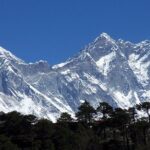
- Chisapani viewpoint time with chances to spot peaks like Langtang Lirung and even Mount Everest on clear days
- Nagarkot sunrise from your hotel, giving you the best shot at crisp views
- A mix of trekking and culture, ending with Changu Narayan Temple and Bhaktapur’s major Newari sites
- English live guide and private or small-group options
Day 1 Sundarijal to Chisapani, uphill starts and real village texture

Your day begins with pickup in Kathmandu, then a transfer to Sundarijal at about 1,460 meters. From there, the hike starts with a steady uphill following a large water pipe that runs down from the Sundarijal Reservoir. It is a simple way to find the trail, and it also hints at why this area matters for Kathmandu, since the water system links the city to the hills.
After that warm-up stretch, you enter Shivapuri National Park. The trail continues toward Mulkharkha Village, and you pass through Tamang Village before reaching Chisapani at around 2,165 meters. I like this setup because it feels like you are walking with the region, not just passing through it, and the village segments make the day feel grounded.
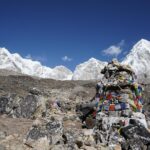
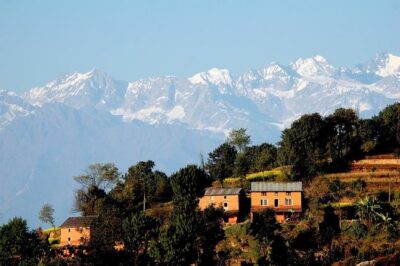
Chisapani is where the promise of the trip shows up. On clear days, you can spot a range of Himalayan peaks from the area, including Langtang Lirung, Annapurna, Ganesh Himal, Manaslu, and Mount Everest. If visibility is good, this is your first real payoff moment. If visibility is poor, the walk still has charm, but the view will be muted, and that matters because the whole trip sells mountain drama.
In the evening, your lodge gives you a built-in chance for sunset views over the Himalayan range. You also get guest house lodging with a private bathroom, which is a big deal on a short trek where you do not want to spend your evening searching for hot water or shared facilities. Dinner is not included, so you will want to plan for meals separately, but at least your sleep setup is taken care of.
You can also read our reviews of more hiking tours in Kathmandu
Day 2 Chisapani to Nagarkot, forest effort plus viewpoint climbing
Day 2 shifts you from Chisapani to Nagarkot, reaching about 2,175 meters. The hike starts with an ascent through lush forest, which is a nice contrast to the earlier uphill. Even if the day is warm, the tree cover helps, and it keeps the trail from feeling like pure sun-baked effort.
Then the route changes character and descends toward Jhule and Chauki Bhanjyang. After that, you cross villages and terraced fields, which is where you start seeing how people farm these slopes and how the trail fits into daily life. It is one of those sections that can make the hike feel longer in a good way, because you are looking around constantly, not just watching your steps.
You reach Kattike Bhanjyang, and from there you climb up to Nagarkot. This uphill piece is where you feel the change from a mid-day stroll to a proper trek moment. The reward is the Nagarkot vantage, which is famous for big views when the air is clear.
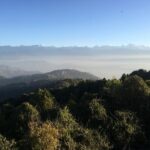
What I like most about Nagarkot on this kind of short itinerary is the flexibility. You arrive, get settled at a hotel for breakfast the next morning, and you are positioned for a sunrise run without having to trek before dawn. The whole “wake early, then look out” routine is built into the schedule, which saves energy and increases your odds of getting something worth filming or just quietly appreciating.
Day 3 Sunrise, Changu Narayan Temple, then Bhaktapur’s best-known stops

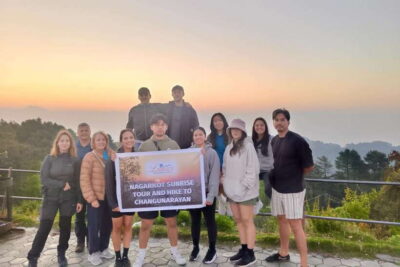
This is the day with the most payoff per hour, partly because sunrise is scheduled. You wake up early to watch the sunrise over the Himalayas from your hotel in Nagarkot, then you eat breakfast before the hike.
After breakfast, you hike from Nagarkot to Changu Narayan, which sits at about 1,541 meters. The trail descends via Telkot, and it includes a bird’s-eye-view perspective over both Bhaktapur and Kathmandu at points along the way. I find descents can be mentally easier than climbs, and on this route it also helps you feel the geography shift, from mountain ridge views down into the valley world.
When you reach Changu Narayan, you get time at the temple, described as the oldest temple in this stop. This is a meaningful contrast to the trekking days, because it is not about exertion anymore. You get to slow down, look closely, and understand why people have always built major religious sites on these hills and ridgelines.
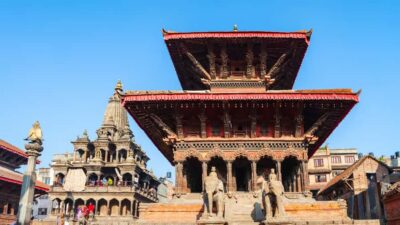
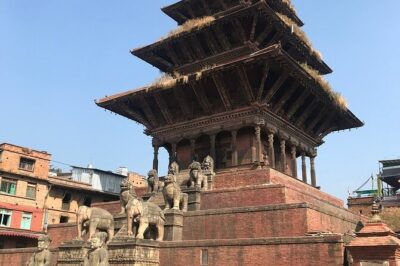
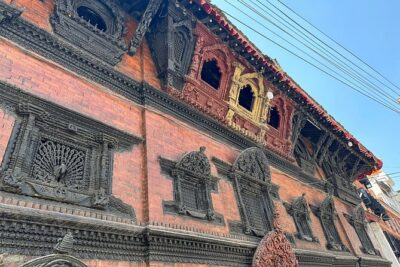
Then you transfer to Bhaktapur and spend the rest of the day soaking in Newari culture and major landmarks. You visit the Fifty Five Window Palace, the Golden Gate, and Natapola, which is the tallest temple in the area. You can also explore Pottery Square, which fits the city’s reputation for craft and everyday life.
Finally, you drive back to Kathmandu and drop off at your hotel. This ending is practical: you get nature time, then cultural time, and you return to a real shower and city comforts without dragging the trek out to a week.
Price and logistics, where $176 really goes (and where it does not)
At $176 per person, you are paying for a structured short trip rather than just “a hike with a guide.” Here is what your money covers: Kathmandu hotel pickup and drop-off by private vehicle, private transfers in an AC car, one night in Chisapani with breakfast and a private bathroom, one night in Nagarkot at a three-star hotel with breakfast, and the permits for hiking and the Shivapuri-Nagarjun National Park area. You also get an experienced licensed guide and an English-language experience.
That package matters because small trekking costs add up fast when you are doing it on your own. Permits, guide fees, and private transfers are the big items, and this itinerary bundles them neatly.
What is not included is just as important for budgeting. Lunch and dinner are not covered, and monument fees are listed as not included too. There is also gratuity to consider, plus a porter option if you want one for additional comfort. The porter rate is listed as US$50, which can be worth it if you pack more than you want to carry for three days.
If you are a solo traveler, note that a solo surcharge applies. The good news is that private or small groups are available, so you are not necessarily stuck with a huge crowd.
Overall, the price feels fair for a guided 3-day format with permits and two nights of lodging, as long as you plan your extra meals and accept that mountain views are not guaranteed.
The mountain-view reality check, especially in April

Here is the most honest piece of advice I can give: on this kind of Nepal ridge trek, weather and air quality can make or break your expectations. One past experience came with a big disappointment because, after reaching Chisapani and later Nagarkot, there were essentially no mountains visible. The problem was not the trail or the guide, it was visibility, linked to the dry season and smog that can sit over the valley.
That same scenario is why you should take “spot peaks like Langtang Lirung, Annapurna, Ganesh Himal, Manaslu, and Mount Everest” as a clear-day promise, not a guarantee. On clear days, Nagarkot sunrise can be stunning. On hazy days, you may get silhouettes or just a washed-out view, and then the trek becomes more about walking through the park and villages than watching the entire Himalayan wall light up.
How do you prepare? Do two things:
- Build in flexibility mentally, so you still enjoy the trail even if the peaks are faint.
- Keep your camera and phone charged, because conditions can change, and you might catch a window of visibility during sunset, sunrise, or short breaks in haze.
Also, consider pacing and comfort. If the day gets hot, the forest sections help, but some segments can still feel exposed. Even if you cannot control the air, you can control your hydration and footwear comfort, and that makes the day feel better regardless of the view.
A few more Kathmandu tours and experiences worth a look
Who this trek suits best, and who should think twice

This trip is best for you if you want a short, structured mountain escape from Kathmandu, with enough hiking to feel accomplished and enough culture at the end to keep things interesting. You will enjoy it if you like viewpoint mornings, village paths, and temples that you can actually walk to, not just drive past.
It is also a good match if you appreciate solid guide support. In past experiences, guides such as Prakash and Raj have stood out for personality and on-the-ground management. The organizer Rameshwar has also been noted for communication and for adjusting timing when an early flight was involved, which is a big deal when you only have a few days.
This is not for everyone. The trip is explicitly not suitable for people with mobility impairments. Also, if you know you only want to hike when mountain views are guaranteed, you might feel frustrated on hazy days. The trek can still be pleasant, but it cannot promise Everest-to-Annapurna visibility.
Packing and pacing tips that make the trail feel easier

You only need a few basics, but get them right. Bring your passport, comfortable shoes, and comfortable clothes. Oversize luggage is not allowed, so pack like you are hiking, not like you are road-tripping.
For shoes, choose something that can handle uneven ground and slippery sections on descents. On a multi-day hike, comfort beats style every time.
For pacing, remember that this is a 3-day trek, so your body will feel each day’s effort. Day 1 is uphill from Sundarijal, Day 2 has both forest climbing and a final push to Nagarkot, and Day 3 includes an early wakeup plus a descent hike. If you arrive in Kathmandu the day before, give yourself time to sleep and do not schedule anything exhausting right before pickup.
If you really want to travel light but still have camera gear and layers, consider the porter option. It is listed as available, but not included, so this is a pay-as-you-go comfort choice.
Should you book this 3-day Chisapani-Nagarkot hike with Bhaktapur?

I think you should book it if you want a tight Kathmandu break with real variety, hiking through Shivapuri National Park, village texture, a sunrise morning in Nagarkot, then UNESCO-class culture in Bhaktapur and at Changu Narayan. It is also a strong pick when you value a guide who can make the days run smoothly, and when you like having lodging and permits handled.
Skip it, or at least go in with lowered expectations, if your main reason for coming is crystal-clear mountain drama every hour of the trip. You might get it, especially with good visibility, but haze is a known risk in the dry season. In that case, the trek becomes more about the walk itself, not the view wall.
If you can handle that trade-off, this is a good value way to do both mountains and heritage in just 3 days.
FAQ

What is the duration of the Kathmandu to Chisapani-Nagarkot trek and Bhaktapur visit?
The experience runs for 3 days.
Where does the trek start and what elevation does it begin at?
It starts in Sundarijal, at about 1,460 meters.
How long is the Day 1 hike from Sundarijal to Chisapani?
Day 1 includes 4 to 5 hours of trekking to reach Chisapani at about 2,165 meters.
What is included in the price?
Included are Kathmandu hotel pickup and drop-off by private vehicle, private AC transfers, lodging in Chisapani with breakfast and a private bathroom, lodging in Nagarkot (three-star) with breakfast, hiking and Shivapuri-Nagarjun National Park permits, and an English live licensed guide.
What is not included?
Lunch and dinner are not included, monument fees are not included, and gratuity is also not included. Porter service is listed as not included, with a cost of US$50.
Is lunch and dinner provided during the trek?
No. Lunch and dinner are not included.
What time is sunrise viewing planned?
You do an early wake-up to observe sunrise from the hotel in Nagarkot on the final morning.
Is the tour suitable for people with mobility impairments?
No. It is not suitable for people with mobility impairments.
More 3-Day Experiences in Kathmandu
More Hiking & Trekking Tours in Kathmandu
More Tour Reviews in Kathmandu

Not for you? Here's more nearby things to do in Kathmandu we have reviewed


Bhaktapur Day Tours from Kathmandu, compared.
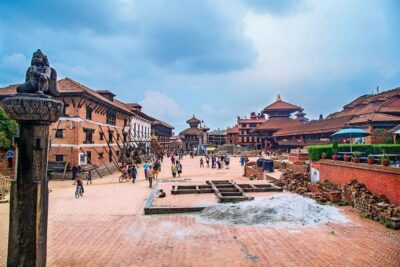 ★ 5.0Private Bhaktapur and Nagarkot Day Tour From KathmanduFrom $20305 reviews
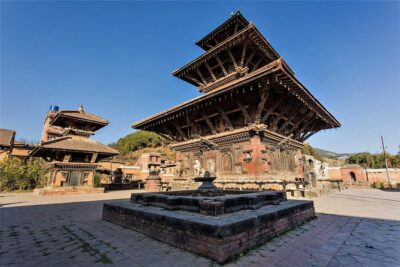 ★ 5.0Day Trip to Bhaktapur and Panauti from KathmanduFrom $34184 reviews
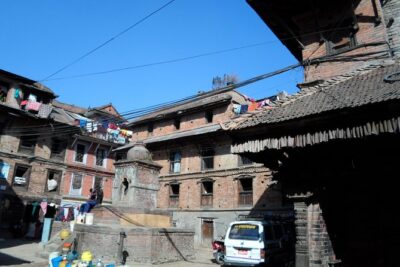 ★ 5.0Bhaktapur & Patan Durbar Square Day ToursFrom $50122 reviews
 ★ 5.0Nagarkot Sunrise & Bhaktapur UNESCO Heritage Private TourFrom $5066 reviews
 ★ 4.7Private Patan and Bhaktapur Sightseeing TourFrom $4964 reviews
 ★ 4.9Bhaktapur & Nagarkot Day Tour with Lunch – Private/GroupFrom $562 reviews
 ★ 4.0Nagarkot Sunrise & Bhaktapur Heritage Tour -Private Full Day TripFrom $6042 reviews
 ★ 5.0Kathmandu and Bhaktapur Cities Guided TourFrom $7034 reviews
Browse the lists this tour appears in