

REVIEW · HELICOPTER TOURS
Everest Base Camp trek with Helicopter return 9 days
One trip and you still feel Everest. This 9-day Everest Base Camp with helicopter return route is designed for people with limited time, but it still climbs high and hits the classic viewpoints like Kala Patthar (5,644 m). You’ll start with the famous Lukla flight, settle into Sherpa towns like Namche, then walk toward the Khumbu Glacier and the Everest area before flying back.
What I love most is the pacing that keeps you moving, but not rushing. The trek is graded as moderate, with guided days that ramp up after Dingboche, plus a planned rest day to help you adjust. I also like the way they build in safety habits, including a first aid kit and an oximeter used to check pulse, oxygen saturation, and heart rate twice a day.
The main drawback is the cost and the fact you are compressing a big mountain experience into a short window. At $3,888 per person, the helicopter return is a premium, and you’ll still need to be realistic about altitude effort, cold nights, and weather affecting flight timing in the Khumbu.
Key things that make this Everest Base Camp plan work

- Short trek, real altitude: 7 full days walking in the mountains, finishing with Kala Patthar views.
- Helicopter return support: you use an aircraft hop from the Everest region (included segment from Gorakshep to Lukla).
- Altitude monitoring built in: oximeter checks twice a day plus a first aid kit and insurance coverage for the guide.
- Guided and private group: guided by an experienced mountain guide, with only your group participating.
- Permits and taxes handled: entry fees and official costs are included, so you spend less time on paperwork stress.
- Thoughtful meals and gear rhythm: breakfast, lunch, and dinner are included during the trek days (tea houses for shower charges are extra).
Why a 9-day Everest Base Camp with helicopter return feels worth it
The Everest Base Camp trek usually earns its reputation because of time. You spend a lot of days moving at altitude, taking in the slow changes in air and scenery. This version does it faster, without skipping the high points that make Everest feel like Everest.
I like that it’s structured around classic Khumbu stepping-stones. You go from Lukla into the Sherpa corridor, spend time acclimatizing around Namche Bazaar and Khumjung, then push higher toward Dingboche. After that, the trek gets steeper and more remote above Dingboche, and that is where the short timeline can feel demanding in a good way. You’re not just “passing through.” You’re earning the view.
The helicopter return also changes the feel of the trip. Instead of finishing with a long grind back down and out, you still get your big summit-day style objective, Kala Patthar, then you’re done with the most punishing part of descending and repositioning. For many people, that means more energy for the days that matter most.
You can also read our reviews of more hiking tours in Kathmandu
Price and logistics: what your $3,888 really covers

At $3,888 per person, this is not a bargain trek. The value comes from bundling several expensive pieces into one package.
Here’s what’s included that helps justify the price:
- Private car transfers for all ground travel, including airport pickup and drop-off.
- Flights Kathmandu to Lukla and back to Kathmandu (round trip is listed as Kathmandu to Lukla to Kathmandu).
- An expert guide plus guide meals, lodging, food, drinks, transportation, and insurance covered.
- Helicopter flight from Gorakshep to Lukla (and the trip is framed as helicopter return on the last day).
- Permits, taxes, and official costs handled for the trek.
- Medical basics and monitoring: first aid kit and oximeter checks twice daily.
- Porter support: one porter for two people.
- Meals on the trek: breakfast, lunch, and dinner listed for 8 days each.
- A trip completion certificate.
What’s not included matters for budgeting:
- Your Kathmandu lunch and dinner are extra.
- Visa is extra, and you need your own travel and medical insurance.
- International airfare is extra.
- Tea house hot showers often cost extra (about $2 to $5), and charging phones can cost extra too.
- Alcohol, soft drinks, and many dessert items are extra.
So, if you’re the kind of traveler who values saving energy, reducing hassle, and having permits and transport organized, the price can make sense. If you’re trying to keep costs low, this is where the helicopter segment will be the deciding factor.
Day by day: from Kathmandu streets to Kala Patthar views
Day 1: Airport pickup and a calm start in Kathmandu
You’ll have an airport team waiting to help you check in, carry bags, and get to your hotel by private car. This day is about getting your bearings and sleeping as well as you can. Kathmandu is not just a waiting room. Use it to set up your trek routine, organize layers, and take it easy.
Day 2: Kathmandu to Lukla by flight, then settling into the Khumbu rhythm
You fly from Kathmandu to Lukla on Tenzing Hillary Airport, then connect with porters and start walking. The flight is short, but it’s one of the signature moments because you immediately feel the drop into the mountain world. You’ll be moving into the lower Khumbu valleys, a good lead-in for the days ahead.
A few more Kathmandu tours and experiences worth a look

Day 3: Phakding to Namche Bazaar area, with forests and river crossings
From Phakding, the trail runs through rhododendron and magnolia forests toward the towns around Toktok (2,760 m) and Monjo (2,630 m). This day builds your legs while keeping the effort manageable. Expect bridges and short ups and downs, the kind of walking that teaches you how to keep a steady pace.
Day 4: Rest and acclimatization in Namche, plus a rise to the Everest View Hotel
This is your altitude “buffer day.” You rest in Namche Bazaar so your body has time to adjust. Then you go up to the Everest View Hotel via the Syangboche Airstrip area. This combination is smart because it lets you gain elevation without turning the day into a full-on slog.
If you’re sensitive to altitude, this kind of day is gold. It reduces the odds of arriving higher feeling wiped out.
Day 5: Kyangjuma and the long build toward higher villages
You walk from Namche Bazaar to Kyangjuma (3,550 m) with big mountain views along the way, then continue through the rolling climb and descent patterns that characterize the Khumbu. The trail keeps you working, but not in a technical way. Think steady breathing, careful footing, and layers on because mornings can feel sharp even when afternoons brighten.
Day 6: Tengboche sunrise area, rhododendron forests, and Deboche
You’ll go early for sunrise, then leave Tengboche after breakfast. After that, you descend through rhododendron forests toward Deboche (3,320 m). This is a great day for people who want a spiritual, Sherpa-culture atmosphere around Tengboche, but still like the practical side of hiking through a forest corridor.
On the trail, you might spot musk deer and blue sheep. Even when wildlife doesn’t show, the walking through that forested stretch tends to feel like a change of texture.
Day 7: Dingboche onward, with the Khumbu Glacier day
Most of the day you’ll walk along the Khumbu Glacier. After leaving Dingboche, you climb through a ridge and then keep pushing higher with views opening up for Cholatse and Tawache (as described on this day). This is one of those days where the terrain makes the altitude feel more real. The glacier route can be mentally tiring even when the walking pace is controlled.
Day 8: Lobuche to Gorakshep, then the steepening rocky rhythm
From Lobuche, you follow a wide valley up to Gorakshep. The route becomes more rocky and steeper as you gain elevation, so this is a day to move calmly and avoid “saving time” by rushing. You’ll walk up and down near Gorakshep, then settle in for the next morning’s Kala Patthar push.
Day 9: Kala Patthar at sunrise, then helicopter return toward Lukla
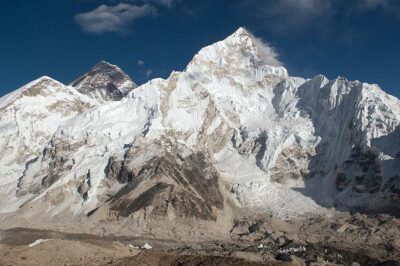
You don’t leave the Everest area without seeing the view from Kala Patthar. The trail is well-used and easy to follow, but it still climbs. Since it’s early sun timed, you’re doing this day in colder conditions, so plan layers that let you keep moving without overheating.
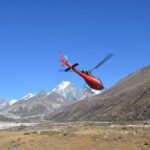
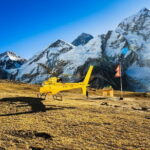
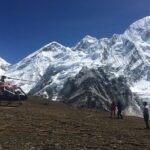
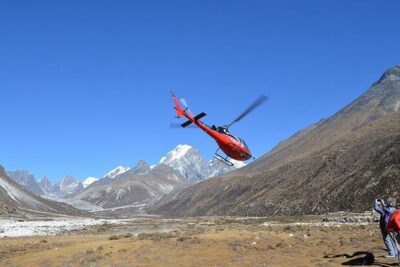
After the Kala Patthar view, you transition into the included helicopter return, with the included helicopter segment from Gorakshep to Lukla, then continue back toward Kathmandu as part of the overall transport plan.
What “moderate” really means at Everest altitude

Calling this trek moderate helps you plan, but it doesn’t mean easy. Moderate here is more about technical difficulty and daily structure than about altitude suffering.
You’re moving through elevations that steadily rise to Kala Patthar at 5,644 m. Above Dingboche (4,410 m), the trail gets more remote and steep. That combination is the real challenge: fewer services around you, a sharper sense of exposure, and a climb that’s mostly about endurance rather than “gear skills.”
So, your best strategy is mental and physical:
- Use a steady pace for hours, not bursts.
- Drink water regularly and don’t wait for thirst.
- Let the acclimatization day in Namche actually work.
- Treat the day to day changes in steepness as normal, not a sign you’re failing.
If you’re fit, your legs will handle a lot. Altitude is different. That is where the included safety habits and guide attention matter.
Safety and guidance: how the trip reduces risk without overpromising

This is guided by an experienced mountain guide, with the guide’s food, lodging, transportation, insurance, and salary covered. That matters because you’re not just buying a route, you’re buying decision-making support in a high-stakes environment.
Two features stand out as practical:
- A first aid kit is included.
- An oximeter is used to check your pulse, oxygen saturation, and heart rate twice a day.
That monitoring won’t make altitude harmless, but it does help catch issues early. It also supports smarter pacing and rest decisions.
Also, this trip runs as a private tour/activity, with only your group participating. That can be a big difference for comfort. You’re less likely to feel like you’re constantly negotiating for space, and the guide can manage the group’s pace more directly.
What to expect on the trail, from tea houses to weather reality

You’ll spend nights in tea houses along the trek corridor. Hot showers and phone charging are available in tea houses, but they cost extra (listed as about $2 to $5). It’s an easy thing to budget for, and it prevents that “surprise expense” feeling after a long day.
Meals on the trek are included: breakfast, lunch, and dinner for 8 days each. Still, you should remember that Kathmandu meals are not included. That’s normal, but plan for at least a couple meals in the city.
As for cold comfort, the package lists that desserts, alcohol, and non-alcoholic cold and hot drinks are not included on the trek. In plain terms: you can buy them, but don’t count on them being part of the deal.
Weather is the wild card in the Everest region. This kind of helicopter return is very useful when conditions affect walking time and descent logistics, and helicopter flexibility is a theme in positive experiences shared about this operator. Still, air timing can change in mountain weather, so stay patient if your final-day schedule shifts.
Should you book? Who this trek is best for

Book this Everest Base Camp trek with helicopter return if:
- You want Everest Base Camp in a short, structured window.
- You care about reducing the hardest travel fatigue by using a helicopter return from the Everest region.
- You like guided pacing, with altitude monitoring built into the plan.
- You’re okay paying a premium for transport, permits, and organization.
Consider a different style (or a longer trek) if:
- You want the lowest cost possible.
- You’re the type who would prefer more days for acclimatization and gradual climbing.
- You can’t handle the idea that cold mornings and steep sections are part of the deal at this altitude.
If you’re ready for a high-impact trek that still includes classic Everest moments like Namche acclimatization and Kala Patthar sunrise, this is a strong fit. And if you like having a private team, a guide watching the right numbers, and a helicopter off-ramp when you’re done, you’ll probably feel grateful you chose this format.
FAQ

How long is the Everest Base Camp trek with helicopter return?
The trek is approximately 9 days.
What is the difficulty level?
It is described as moderate physical difficulty.
Do you include airport transfers in Kathmandu?
Yes. All ground travel, including airport transfers, is done in a private car.
Are flights included?
Yes. Flights from Kathmandu to Lukla and back to Kathmandu are included.
How does the helicopter return work?
The package includes a helicopter flight from Gorakshep to Lukla.
Are permits and official fees included?
Yes. Fees for entering permits you need while hiking, plus taxes and official costs paid to the government, are included.
What meals are included on the trek?
Breakfast, lunch, and dinner are included for 8 days each during the trek.
Do tea houses include hot showers and phone charging?
Hot showers and phone charging are available at tea houses, but they cost about $2 to $5, and those costs are not included.
Is tipping included?
No. Tipping to the guide, porter, and driver is expected.
If you tell me your travel month, I can help you sanity-check the timing for Lukla flights and whether this 9-day format is a good match for your altitude comfort level.
More Helicopter Tours in Kathmandu
More Hiking & Trekking Tours in Kathmandu
More Tour Reviews in Kathmandu
Not for you? Here's more nearby things to do in Kathmandu we have reviewed


Helicopter Tours, compared.
 ★ 5.0Everest Base Camp Helicopter Tour landing at Everest View HotelFrom $1,575668 reviews
 ★ 5.0Everest Base Camp Helicopter Tour landing at Hotel Everest ViewFrom $1,600218 reviews
 ★ 5.0Everest Base Camp Trek with Helicopter Return from Gorakshep to LuklaFrom $3,000161 reviews
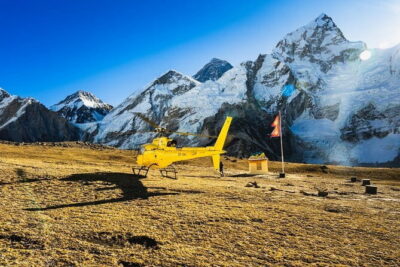 ★ 5.0Everest Base Camp helicopter tour with landingFrom $1,60061 reviews
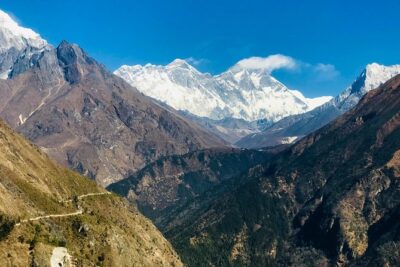 ★ 5.0Everest Base Camp Helicopter Tour with Hotel Everest View LandingFrom $1,49052 reviews
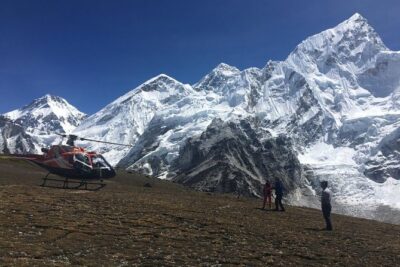 ★ 5.0Guaranteed Landing at Everest Base Camp Kalapathar by HelicopterFrom $3,50038 reviews
★ 5.0Everest Base Camp Helicopter Tour landing at Everest View Hotel.From $1,98534 reviews
★ 5.0Guaranteed Landing at Everest Base Camp Kalapathar by HelicopterFrom $3,50038 reviews
★ 5.0Everest Base Camp Helicopter Tour landing at Everest View Hotel.From $1,98534 reviews
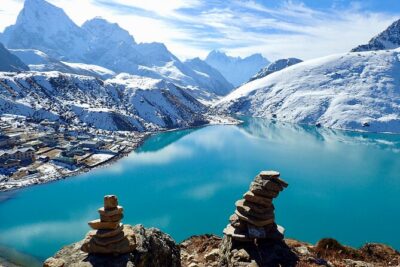 ★ 5.0Everest Base Camp Trek with Helicopter Return to Lukla – 10 DaysFrom $79934 reviews
Browse the lists this tour appears in