
REVIEW · EVEREST HELICOPTER TOURS FROM KATHMANDU
Everest Base Camp helicopter tour with landing
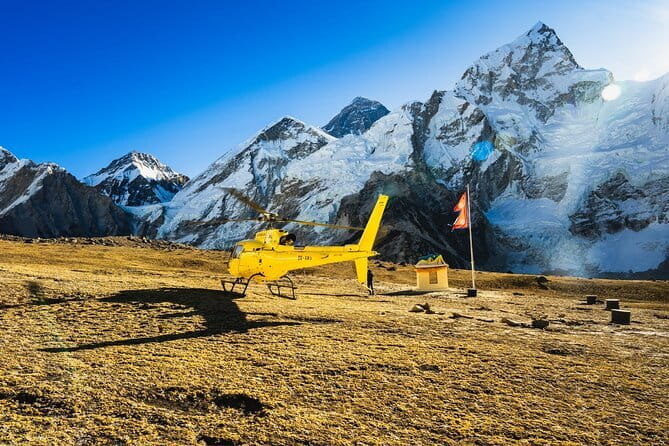
Everest, from the sky, with wheels touching down. This tour is fascinating because it mixes a Base Camp landing with a long, scenic mountain flight over peaks like Everest, Lhotse, and Nuptse. I also like the small-group format (up to five people), which keeps the whole morning from feeling rushed or chaotic.
You also get practical safety extras that make a big altitude day feel more managed. I like that the plan includes an oximeter to check oxygen saturation and pulse, plus service fees for an oxygen tank and a first-aid kit, along with passenger coverage via helicopter insurance. One downside to weigh upfront: this experience depends on good weather, so it can be rescheduled or refunded if conditions are poor.
Key Things To Know Before You Go
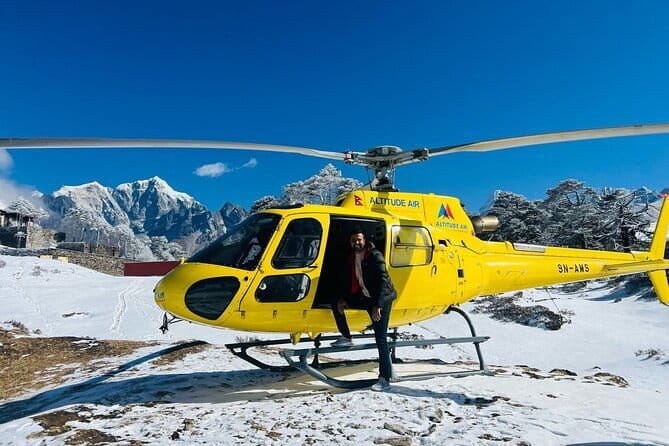
- A true Everest Base Camp landing rather than just an overhead pass
- Up to five passengers per private helicopter ride, so you’re not packed in
- Oximeter, oxygen-tank service fees, and a first-aid kit included for altitude monitoring
- Kala Patthar and Everest Base Camp flyover time built into the flight
- Lukla (Tenzing-Hillary Airport) landing and connection flights as part of the route
- Weight limits apply (total passenger weight 207 lbs, and extra cost if over 100 kg)
Why an Everest Base Camp Landing Changes the Day
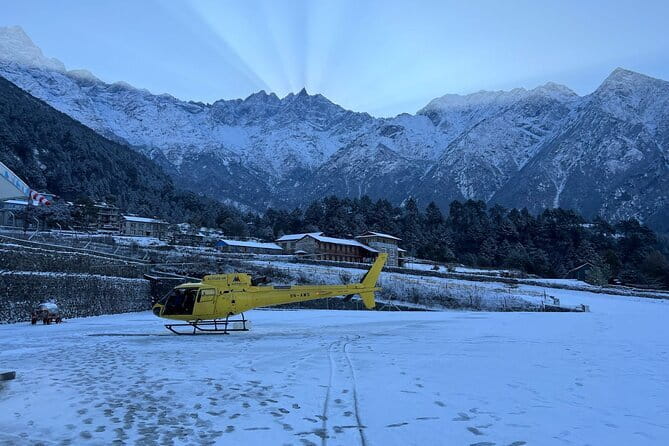
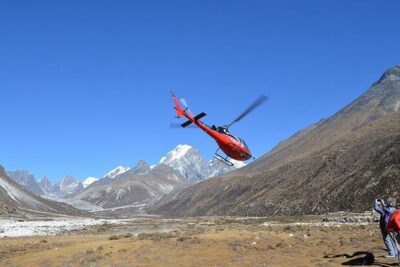
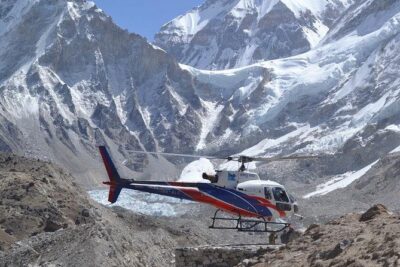
Most helicopter trips are a fast “look from the sky and go.” This one is different because it includes an actual landing at Everest Base Camp. That shift matters, even if you’re not hiking at all. You’re not just spotting the region from a distance. You get a grounded, high-altitude moment where Base Camp feels real, not hypothetical.
The tour is also built for views, not activities. You spend time flying and repositioning to see the Everest region from multiple angles: the big peaks you’ve probably seen in photos, plus the tighter, more dramatic viewpoints you only get when you’re close enough to notice the ridgelines and glacial shapes. The route is designed around a mix of flyovers and landings, so your day has structure instead of feeling like a single long stare out the window.
A few more Kathmandu tours and experiences worth a look

Your 5:30 AM Kathmandu Start (and why it matters)
This is a half-day plan that starts early, with pickup offered and a start time of 5:30 am. That early departure is not just tradition. It improves your odds of clearer skies and gives you enough daylight and operational flexibility for the flight segments.
In real-world terms, expect a morning flow that focuses on minimizing time-wasting at airports. The process is described as organized and efficient once you reach the domestic airport area, including moving through ticketing and getting you to the helicopter pad without a lot of standing around. You’ll likely feel like you’re moving through checkpoints in a well-run rhythm, which is exactly what you want when you’re paying for a private helicopter.
Practical tip: plan your day like a pro. Charge your phone, bring a light layer, and keep your essentials in a small easy-access bag. You’ll go from hotel pickup to airport steps fast, and you do not want to be digging through luggage in a hurry.
Lukla Stops: The Tenzing-Hillary Gateway Moment
Lukla is the key hub that makes the Everest region reachable by air. The tour includes Lukla segments and mentions landing at Lukla Airport, also known as Tenzing-Hillary Airport. That’s one of the reasons this itinerary feels like it has a living, local heartbeat. You’re using the same critical gateway airstrip that helps climbers and trekkers start their Everest journeys.
Some parts of the routing also include a refueling stop in the Everest region area. In the reviews, people describe flying over the Nepal countryside to a smaller town-side area for refuel before continuing. That kind of stop is common in helicopter routing over high terrain, and it’s usually handled with the focus of keeping your day moving.
What I like about including Lukla in the plan is that it gives you a “transition story.” You leave Kathmandu, you connect through the Lukla airstrip, and you feel like the helicopter is truly stepping into the Everest system, not just skimming above it.
Kala Patthar and Base Camp Views From Above
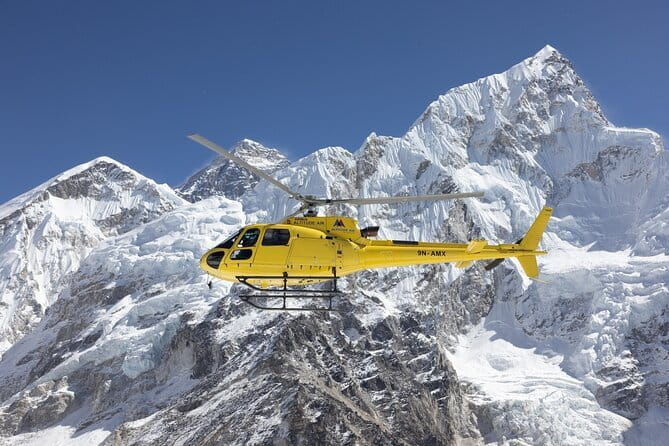
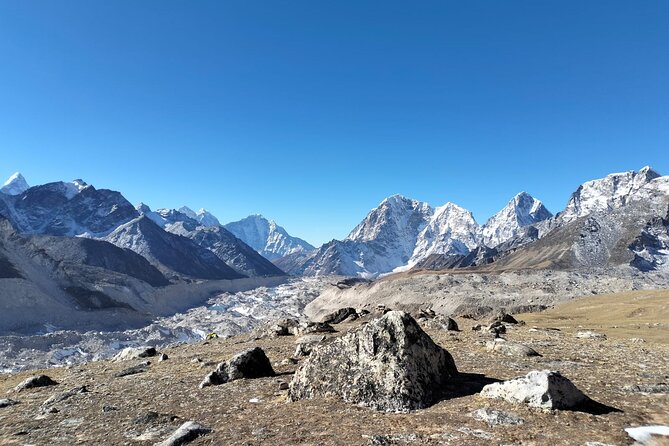
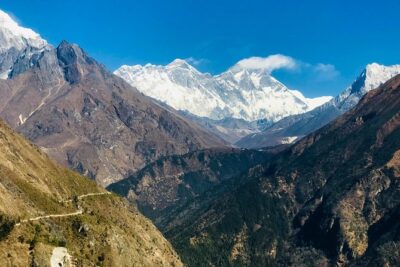
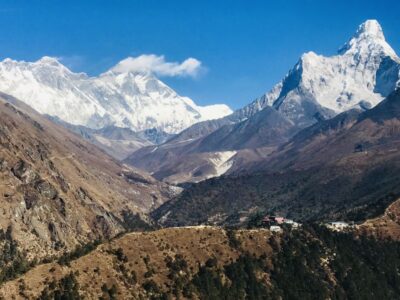
A major highlight is the flyover sequence that includes Kala Patthar, plus visuals over Everest Base Camp and surrounding ice-field terrain. Even if you’ve seen Everest photos your whole life, a birds-eye view from a helicopter hits differently. From altitude, the mountains have scale and geometry. You can understand where glaciers begin, where slopes tighten, and how ridgelines connect.
Kala Patthar is especially interesting because it’s one of the most iconic viewpoints in the Everest region. From the air, you can treat the flyover like a highlight reel: look for the darker rock bands, the clean snow lines, and how the Khumbu area funnels valleys toward Everest’s main face. If your goal is photos, this is the time to be ready with your camera at arm-height and your settings already chosen.
One small practical consideration: helicopter windows and seating can affect glare and angle. You can improve your odds by keeping your lens or phone ready and trying different positions during the flight. The plan is built for multiple viewing angles, so don’t expect just one perfect shot and then to stop paying attention.
Syangboche and the Everest View Hotel Stop
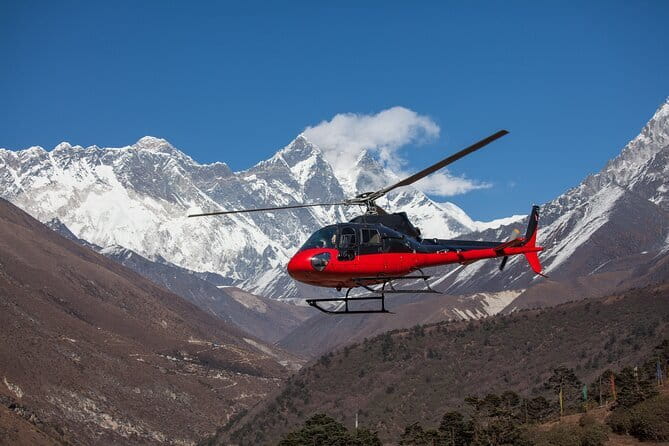
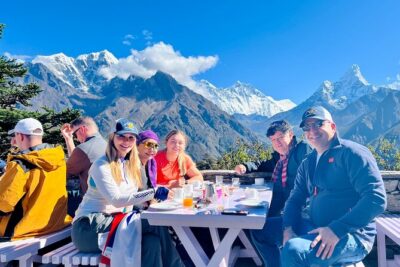
After the high-flying segments, the itinerary includes a touch down at Syangboche, described as a gateway to a dining experience at the Everest View Hotel. This is the “slow down” portion of the day. You trade thin air and fast flyovers for a chance to regroup, eat, and take in the surrounding terrain from a place designed for visitors.
Why that stop is valuable: it gives you a break after intense viewing. Your eyes get tired. Your brain gets busy trying to identify peaks. A food pause helps you enjoy the moment instead of rushing through it. It’s also a nice contrast to the helicopter’s quick perspective, because at the Everest View Hotel area you can look longer and absorb the scene.
And yes, this is a day trip, so you’ll still be on a schedule. But adding a Syangboche/Everest View Hotel break helps prevent the whole experience from turning into one long sprint.

Safety, Altitude Support, and the Pilot Factor
You’re paying a premium for altitude aviation, and the tour is structured around that reality. What stands out is that safety support is built into the included items, not added as a last-minute optional cost.
The included support list mentions:
- Oximeter checks of your pulse and oxygen saturation (plus heart rate)
- Service fees for an oxygen tank
- Service fees for a first-aid kit
- Helicopter insurance that covers passengers too
That combination matters. Altitude isn’t just about feeling brave. It’s also about monitoring and having equipment ready. An oximeter doesn’t magically solve altitude, but it does give you clearer information about how you’re responding during the day.
On the operations side, reviews reference an experienced pilot from Fishtail Air and describe the flight as very safe and well handled. I’d take that seriously when deciding, because your biggest risk on a day like this is not a lack of views. It’s operational and weather conditions, plus how confidently the flight is managed.
Two practical notes for you:
- Keep your breathing calm during takeoff and landing. It sounds obvious, but it helps you get your bearings fast.
- Let the team know right away if you feel unwell. With the oximeter and oxygen support already planned, you’re not stuck waiting.
Price and Value: What $1,600 Buys You (and What It Does Not)
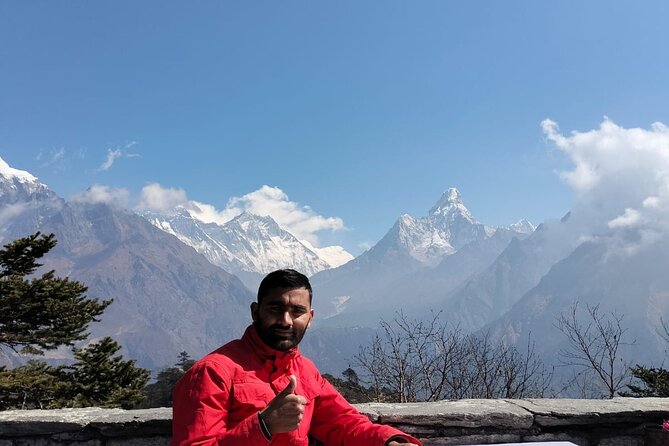
At $1,600 per person, this is not a bargain. But when you break down what’s included, it starts to look more like a premium service package than just a ticket for a flight.
Included items you’re paying for:
- Private transportation
- Helicopter insurance that covers passengers
- Oximeter monitoring
- Service fees for oxygen-tank and first-aid kit
- Private helicopter ride to Everest Base Camp (up to five people per ride) and the flight back to Kathmandu
Not included costs you should budget:
- Sagarmatha National Park permits: $45 per person (listed as two permits)
- Tribhuvan International Airport airport tax: $7 per person
- Breakfast: $35 extra
- Travel insurance (not included)
Here’s how I’d think about value: you’re not just paying for scenery. You’re paying for time, logistics, and risk management. The Base Camp landing, the monitoring tools, and the private setup are what justify the price. If you tried to replace these pieces with cheaper alternatives, you’d likely lose the “landing” component or the structured safety support.
Also watch the weight policy. Total weight per passenger is listed at 207 lbs, and if you’re more than 100 kg there’s an extra cost. That can affect your actual out-of-pocket number, so it’s worth confirming early.
Who This Works Best For (and Who Should Rethink It)
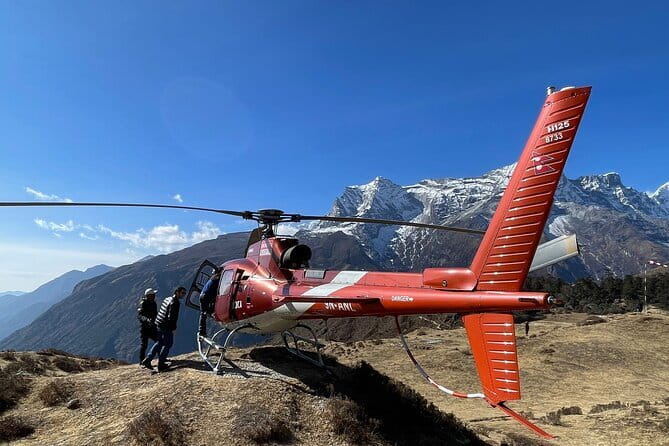
This tour fits best when you want Everest without the multi-week trek. It’s also a strong match for non-trekkers and people who want a day trip structure with clear highlights.
It’s described as requiring moderate physical fitness level, but you’re not hiking for hours. Still, you should be prepared for early morning wakeup, airport steps, and getting in and out of the helicopter quickly.
It also makes sense if you care about comfort and control:
- Private helicopter
- Small group size (max five)
- Expert guide support during viewing moments (the flight includes explanation of different peaks in the experience)
Who should think twice? If weather sensitivity is hard for you, remember the trip requires good weather. If you’re on a tight schedule with no flexibility, you might feel the stress of potential rescheduling.
Should You Book This Everest Base Camp Helicopter Landing Tour?
If you want the Everest Base Camp moment and not just sky viewing, I think this is a compelling choice. The combination of a real Base Camp landing, a flyover sequence that includes Kala Patthar, and built-in altitude support (oximeter, oxygen support, and first-aid kit services) makes it feel like a serious, premium operation.
I’d book if:
- You want a one-day Everest experience without hiking
- You care about safety monitoring, not just impressive views
- Your schedule can handle weather risk
I’d hesitate if:
- Your trip dates are rigid and you cannot move if conditions change
- You are over the listed weight thresholds and extra charges would be a surprise
FAQ
How long is the Everest Base Camp helicopter tour?
It runs about 5 to 6 hours total. The flight time is listed at about 5 hours.
What time does pickup start?
Start time is listed as 5:30 am.
Does the tour include a landing at Everest Base Camp?
Yes. The private helicopter ride includes landing at Everest Base Camp, with flight back to Kathmandu.
What permits or fees are not included?
Sagarmatha National Park permits are not included and are listed as $45 per person. Airport tax at Tribhuvan International Airport is also not included, listed as $7 per person.
Is breakfast included in the price?
Breakfast is not included. It is listed as $35.
Are safety and altitude support items included?
Yes. Included items mention an oximeter for pulse and oxygen saturation and heart rate checks, service fees for an oxygen tank, and service fees for a first-aid kit.
What is the cancellation policy if weather is bad?
The experience requires good weather. If it’s canceled due to poor weather, you’ll be offered a different date or a full refund. You can cancel up to 24 hours in advance for a full refund.
More Helicopter Tours in Kathmandu

More Tours in Kathmandu

More Tour Reviews in Kathmandu
Not for you? Here's more nearby things to do in Kathmandu we have reviewed


Everest Helicopter Tours from Kathmandu, compared.
 ★ 5.0Everest Base Camp Helicopter Tour landing at Everest View HotelFrom $1,575668 reviews
 ★ 5.0Everest Base Camp Helicopter Tour landing at Hotel Everest ViewFrom $1,600218 reviews
 ★ 5.0Everest Base Camp Helicopter Tour with Hotel Everest View LandingFrom $1,49052 reviews
★ 5.0Everest Base Camp Helicopter Tour landing at Everest View Hotel.From $1,98534 reviews
★ 5.0Everest Base Camp Helicopter Tour with Hotel Everest View LandingFrom $1,49052 reviews
★ 5.0Everest Base Camp Helicopter Tour landing at Everest View Hotel.From $1,98534 reviews
 ★ 4.9Everest Base Camp Helicopter TourFrom $1,86330 reviews
 ★ 5.0Everest base camp Helicopter TourFrom $1,70026 reviews
★ 5.0Everest Base Camp Helicopter TourFrom $1,60024 reviews
★ 5.0Everest base camp Helicopter TourFrom $1,70026 reviews
★ 5.0Everest Base Camp Helicopter TourFrom $1,60024 reviews
 ★ 5.0Everest Base Camp Helicopter Tour with Stop at Everest View HotelFrom $1,57519 reviews
Browse the lists this tour appears in