

REVIEW · HELICOPTER TOURS
Everest Base Camp Trek with Helicopter Flight Back
Everest, with a helicopter exit. This 10-day trip pairs the classic Khumbu route with a fast finish from the Everest region back to Kathmandu, so you do not have to trek the return trail. I like the clear focus on iconic viewpoints like Namche Bazaar, Everest View Hotel, and sunrise at Kala Patthar, and I also like the human service that shows up in the details, from evening briefings in Kathmandu to the attention you get from manager Sobit and guide Surendra. One thing to think about: the helicopter back is listed as part of the plan, but it is also listed as not included, so you should confirm costs and weather contingencies early.
In Kathmandu, you land, get picked up, and settle in before you start climbing. You get a hotel night in the Kathmandu area (Hotel Thrive or similar), plus a briefing session and a cultural show and dinner program. Then the itinerary moves quickly from Lukla, down into Phakding, and back up through Sherpa towns, with an acclimatization day that keeps the altitude game fair.
As you go higher, the schedule is intense but not random. The trip is best for people with at least moderate physical fitness, since several days are long enough to feel like real trekking. And because the helicopter depends on good weather, you should be prepared for changes if skies do not cooperate.
Key reasons this Everest Base Camp plan is worth your attention

- Helicopter back concept: you trade the long return walk for a fast scenic exit to Kathmandu
- Day 7 acclimatization built in: Nagarjun Peak gives your body a chance to adjust
- Time in the right places: Kala Patthar sunrise, Everest View Hotel, and base camp nights where they matter
- Practical support in the mountains: gear basics and lodge comfort help you stay focused on the trail
- Fees and key logistics covered: TIMS and park and municipality entrance fees are included
How the route actually plays out, from Lukla flights to Kala Patthar

This trek is built around one big idea: get you onto the Khumbu trail to Everest Base Camp while skipping the traditional full return hike. The rhythm goes like this. Day 1 is Kathmandu setup. Days 2 to 8 are climbing days through the Sherpa heartland and up toward Everest’s main corridor. Day 9 is the base camp day, and Day 10 is the payoff: Kala Patthar early and then the helicopter back to Kathmandu.
The included domestic flight from Kathmandu to Lukla is a major part of the experience. You are not just trekking, you are flying into the famous gateway town, then stepping straight onto the trail that feels both remote and oddly accessible. After that, the itinerary follows a classic upward track, with suspension bridges, Sherpa villages, and a steady altitude climb.
Your last big altitude moment is not at Everest Base Camp itself. It is Kala Patthar, which is scheduled for an early hike so you can catch panoramic views in the morning light. That early start is also why the helicopter back makes sense here, it is a practical way to end a high-altitude itinerary without adding extra days on the descent.
You can also read our reviews of more hiking tours in Kathmandu
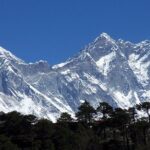
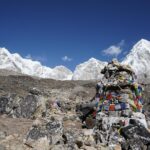
Kathmandu prep day: pickup, briefing, and the kind of comfort that matters
Day 1 starts the practical way. You arrive in Kathmandu, and you get pickup and transfer to your hotel. That is not just convenience. It means you avoid the mental load of figuring out transport after a flight, plus you have time to get your gear sorted before you jump into altitude mode.
You stay one night in Kathmandu, in a twin-share room at Hotel Thrive or similar, with breakfast included. Then comes the evening briefing. For a trek like Everest Base Camp, small details can make a big difference later. A briefing helps you understand what to expect, how your day structure works, and what to focus on as the altitude rises.
You also have a cultural show and dinner program in Kathmandu. It is a nice way to balance the physical side of the trip, and it gives you a window into local life before your world narrows into mountains and trails.
Day 2 to Day 3: Lukla to Phakding, then Namche Bazaar

The first trekking day begins after your flight to Lukla. The landings at Lukla are famous for a reason, you get big Himalayan views as you come in. Once you are down, you start the trek downhill to Phakding. This is a smart start because it is not instant steep climbing, it is a transition into the rhythm of trail walking.
From Phakding, you continue to Namche Bazaar on Day 3. The route crosses the Dudhkoshi River via suspension bridges and passes through Himalayan Sherpa villages. Namche Bazaar is where you start feeling the real pull of the Khumbu. It is the kind of place where you can refuel mentally, not just physically, because you have shops, faces you see again and again on the trail, and a strong sense of place.
What I like about reaching Namche on Day 3 is timing. It gives you enough days to start acclimatizing before you start hitting the big view points and higher elevations. You also get a comfortable place to rest before Everest-related viewpoints start stacking up.
Day 4: Everest View Hotel, plus a Sherpa museum stop

Day 4 is a rest and sights day, and it is carefully placed. You spend time in Namche, including a visit to the Sherpa Museum to learn about local culture and history. Even if museums are not your thing, this one is useful because it helps you understand the people who live with these mountains every day, not just the people who pass through on trekking routes.
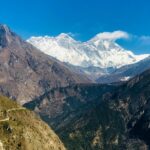
In the afternoon, you hike up to Everest View Hotel for panoramic views of Mount Everest. This is one of those moments where the Everest name stops being abstract. You get a clearer sense of scale, and you start to understand why routes, weather, and altitude matter so much here.
One practical note: view hikes still use energy. Even if the day feels lighter than a full climbing day, go easy with your pace and keep an eye on hydration. The goal is to feel good enough for the next trekking days.
Day 5 to Day 6: Tyangboche, then Dingboche and the Imja Khola crossing

Day 5 takes you toward Tyangboche, with frequent Everest and Lhotse sight lines. You stop for lunch in Phungi Thanga and then continue on. Tyangboche is a place where the mountain views feel close, and your trekking days begin to feel like a steady sequence of photo stops with real air under your boots.
On Day 6, the itinerary continues to Dingboche. You cross a suspension bridge over the Imja Khola, and the trail runs through rhododendron forests and villages such as Pangboche and Somare before you arrive. Dingboche is also where the trek starts to feel more high-altitude and less like classic valley walking.
I like these two days because they shift the scenery without turning the trek chaotic. You are still moving, but the days are paced to keep you progressing toward the highest zones while giving you a chance to adjust.
A few more Kathmandu tours and experiences worth a look

Day 7: Your acclimatization day on Nagarjun Peak

This is one of the most important days in the itinerary, and it is not treated casually. Day 7 is a preparation day for higher altitudes. You explore the Dingboche Valley and hike up to Nagarjun Peak, which helps with acclimatization and gives you 360-degree views.
This is the kind of schedule I want you to look for if you care about feeling good during the later days. A dedicated acclimatization hike gives you a built-in reason to slow down and adjust. It also breaks up the monotony of constant elevation gains.
Do not treat this day as a race. It is there so you can handle the next stages better, especially as you head toward Thukla Pass and Lobuche, where the air thins and the terrain becomes more alpine.
Day 8 to Day 9: Thukla Pass to Lobuche, then Everest Base Camp overnight

On Day 8 you trek to Lobuche at 4,940 meters. You pass through Thukla Pass, where there are memorials to climbers. It is an emotional part of the route, but it also makes the stakes of Everest feel real. From there, you continue to Lobuche, and you get close-up views of surrounding glaciers. Then you overnight in Lobuche.
Day 9 is the base camp day. You trek to Everest Base Camp at 5,364 meters and then continue to Gorak Shep for your overnight at around 5,170 meters. The itinerary also includes leaving your gear in Gorak Shep before you push on to base camp and enjoy views of the Khumbu Icefall.
This is a long day, so what you do with your energy matters. If you keep a steady pace and avoid sprinting the uphill sections, the base camp moment feels more like a deep exhale than a forced grind. Also, because you are overnighting up there, you get to experience the high-altitude stillness that most lower elevations cannot match.
Day 10: Kala Patthar sunrise and the helicopter back to Kathmandu

Day 10 starts early with the hike to Kala Patthar at 5,550 meters. This is set up for sunrise and panoramic Himalayan views. If you want one single moment to remember from this trek, it is often the combination of early light, thin air, and the way Everest looks from a position that makes you feel both small and awed.
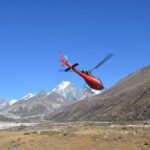
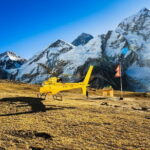
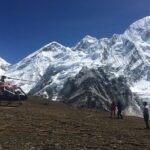
After that, you return to Gorak Shep and board a helicopter to Kathmandu, followed by a transfer to wherever you need to go in the city. That is the big convenience win of this trip. Instead of spending days hiking down, you get a direct exit.
One key point you should handle now: the tour information includes helicopter as part of the Day 10 plan, but it also lists the helicopter flight from Gorakshep to Kathmandu as not included. So do not assume the helicopter is automatically covered in your $446.50 price. Ask Bold Himalaya directly what is included in your final quote, and confirm whether the helicopter cost is separate.
Also, the experience requires good weather. If weather does not cooperate, you may be offered a different date or a full refund, depending on conditions.
Comfort and logistics: lodge quality, hot water, and the pace you can handle
At the lodge level, this itinerary is built around standard tea-house trekking comfort. What I like in the accounts you provided is the emphasis on hot water and day-to-day comfort even when conditions get messy. There was mention of cyclone remnants affecting things, and the operator handled it with adjustments and still focused on keeping lodges comfortable with hot water.
You should also know this: unexpected disruptions can mean itinerary changes. Even with a well-run plan, mountain weather and flights can force adjustments. That does not mean the trip falls apart. It means you should expect some flexibility.
The pacing is fairly typical for Everest Base Camp, but the structure is what makes it feel manageable. You get an acclimatization day, you get view time on multiple days, and you have a clear end in sight with the helicopter option. That reduces the mental pressure of guessing how long the descent will take.
Value for $446.50: what you get, what you must budget for
The price for the package you shared is $446.50 per person, for an approximate 10-day itinerary. That is a serious chunk of trekking logistics, not just guide time. Here is what is included based on the information provided:
- Guide service: an experienced trekking guide including salary, insurance, food, and accommodation
- Flights: the domestic flight according to the itinerary (Kathmandu to Lukla, or Ramechap to Lukla)
- Private transportation within Kathmandu
- One Kathmandu hotel night in twin sharing with breakfast (Hotel Thrive or similar)
- Entrance and permit fees: Sagarmatha National Park entrance fee, Pasang Lhamu Rural Municipality Entrance fee, and TIMS
- Basic trekking gear: sleeping bag, down jacket, trekking poles (if needed, return after trekking is implied), plus duffle bag, cap, and a trip certificate
- Meals: breakfast 9, lunch 8, dinner 8, plus some seasonal fruit and dry nuts items
- Cultural program: one cultural show and dinner program in Kathmandu
What is not included in the package list is also important:
- Helicopter flight from Gorakshep to Kathmandu (listed as not included)
- International air ticket and international travel insurance
- Tips for the trekking crew members
- Porters
So the value is strong for the pieces that reduce uncertainty: guide, permits, domestic flights, and a clear food plan. The one big budget wildcard is the helicopter cost and whether you will also be arranging porter help. If you want a lighter pack, you need to plan that separately since porters are listed as not included.
Crew quality: Surendra the guide and Sobit’s hands-on management
Service quality can make or break a trek. What stands out in the information you gave is the human attention. Manager Sobit is described as very attentive from the first email, and that early responsiveness matters because it helps you prepare correctly for flights, packing, and weather.
On the ground, you have guide Surendra and porter Uncle Doma Ghale. Their names came up specifically in the accounts, and that tells me this is the kind of operation that assigns real people and real responsibility, not a vague meeting-point arrangement.
There is also a practical side to how the trip is run: an evening briefing on Day 1, then a guide who supports safety and pacing throughout. Everest Base Camp is not a trek you want to do with a freestyle approach, and having that guidance reduces mistakes.
If you care about comfort, there was also mention of lodge quality and hot water, even in tough circumstances. That is a small thing when things go well, and a big thing when the weather turns.
Who should book this Everest Base Camp trek, and who should pause
This is a strong choice if you want a classic Everest Base Camp experience but do not want to spend extra days trekking back down. The helicopter finish makes it ideal for travelers with limited time or those who do not want a long final slog after reaching high altitude.
It also fits you if you like structure. The itinerary has an acclimatization day, a clear progression to base camp, and planned view moments like Everest View Hotel and Kala Patthar.
But pause if you need total certainty on the helicopter cost and timing. Because helicopter weather matters and because the helicopter is listed as not included, you should confirm both price and contingency plans before you pay.
It may also be a mismatch if you want guaranteed porter support, since porters are listed as not included. If you want help carrying a pack, plan ahead.
Should you book the Bold Himalaya Everest Base Camp trek with helicopter return?
Book it if you:
- want Everest Base Camp plus Kala Patthar sunrise without turning the trip into a longer round-trip hike
- value having guide support, permits handled, and meals and lodge logistics in place
- want a service team that answers early questions and reacts well when conditions shift
Consider a different option if you:
- have not confirmed the helicopter cost in your final package
- need fixed timing no matter the weather
- plan to travel without a strategy for porter help and tips
If you book, ask two simple questions before final payment: is the Gorakshep to Kathmandu helicopter included in your quote, and what exactly happens if the helicopter is delayed or canceled due to weather? Once you have those answers, this is a smart, time-efficient way to experience Everest Base Camp.
FAQ
Where does the tour start?
It starts at Tribhuvan Airport in Kathmandu, Nepal. Pickup is also offered in Kathmandu, with a transfer to your hotel.
How long is the trek?
The duration is about 10 days.
How do you get to Lukla?
You fly from Kathmandu to Lukla, or from Ramechap to Lukla depending on the itinerary.
Does the itinerary include trekking to Everest Base Camp?
Yes. The trek includes reaching Everest Base Camp and overnighting in Gorak Shep before the next day’s Kala Patthar hike.
What is the helicopter flight plan?
The itinerary includes a helicopter flight back to Kathmandu after Kala Patthar on Day 10. However, the helicopter flight from Gorakshep to Kathmandu is listed under not included, so you should confirm whether it is covered for your booking.
Is Kala Patthar part of the trip?
Yes. Day 10 includes an early morning hike to Kala Patthar for sunrise and panoramic views.
What permits or entrance fees are included?
Sagarmatha National Park entrance fee, Pasang Lhamu Rural Municipality Entrance fee, and TIMS are included.
What trekking gear is provided?
Sleeping bag, down jacket, and trekking poles are included if you need them, with the note that return after trekking may apply. A duffle bag, cap, and a trip certificate are also included.
How is the altitude handled?
The itinerary includes an acclimatization preparation day in Dingboche with a hike up to Nagarjun Peak.
What is not included, beyond the international flight?
Not included items listed are the helicopter flight from Gorakshep to Kathmandu, international air ticket and travel insurance, dessert and bar bills, tips for the trekking crew members, and porters.
What is the cancellation policy?
You can cancel for a full refund if you cancel up to 24 hours in advance. If canceled due to poor weather, you will be offered a different date or a full refund.
More Helicopter Tours in Kathmandu
More Hiking & Trekking Tours in Kathmandu
More Tour Reviews in Kathmandu
Not for you? Here's more nearby things to do in Kathmandu we have reviewed


Helicopter Tours, compared.
 ★ 5.0Everest Base Camp Helicopter Tour landing at Everest View HotelFrom $1,575668 reviews
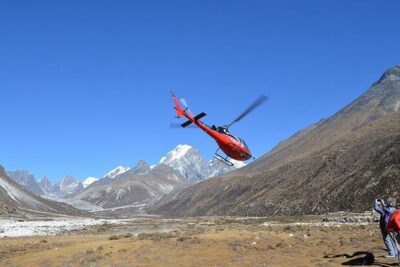 ★ 5.0Everest Base Camp Helicopter Tour landing at Hotel Everest ViewFrom $1,600218 reviews
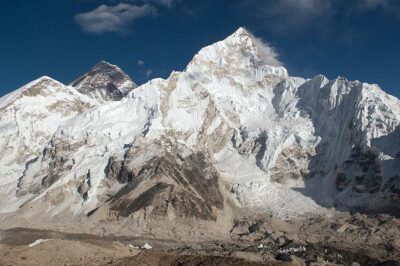 ★ 5.0Everest Base Camp Trek with Helicopter Return from Gorakshep to LuklaFrom $3,000161 reviews
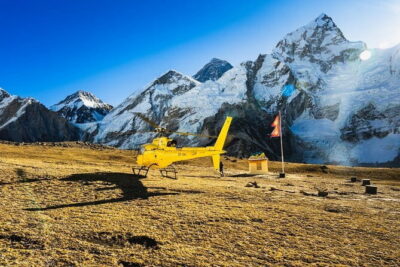 ★ 5.0Everest Base Camp helicopter tour with landingFrom $1,60061 reviews
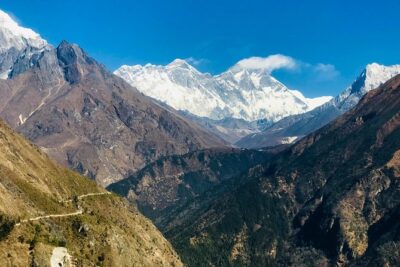 ★ 5.0Everest Base Camp Helicopter Tour with Hotel Everest View LandingFrom $1,49052 reviews
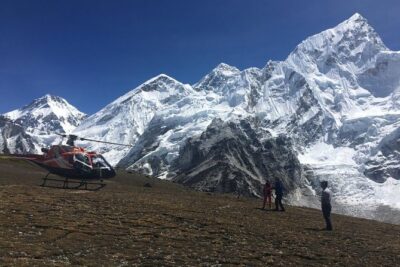 ★ 5.0Guaranteed Landing at Everest Base Camp Kalapathar by HelicopterFrom $3,50038 reviews
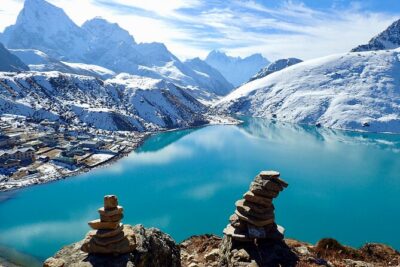 ★ 5.0Everest Base Camp Trek with Helicopter Return to Lukla – 10 DaysFrom $79934 reviews
★ 5.0Everest Base Camp Helicopter Tour landing at Everest View Hotel.From $1,98534 reviews
★ 5.0Everest Base Camp Trek with Helicopter Return to Lukla – 10 DaysFrom $79934 reviews
★ 5.0Everest Base Camp Helicopter Tour landing at Everest View Hotel.From $1,98534 reviews
Browse the lists this tour appears in