

REVIEW · HELICOPTER TOURS
Everest Base Camp Trek | Deluxe Lodges | Both Way Helicopter Ride
Everest, with your legs taking fewer hits. This 10-day Everest Base Camp experience mixes Sherpa village trekking with both-way helicopter rides and twin-share lodge comfort, so you get the real route without spending weeks on the trail. Add in Kathmandu airport pickup, solid meal coverage, and thoughtful support from your trekking team, and it feels built for people with limited time.
I especially like how the plan respects altitude, with dedicated acclimatization days in Namche area and Dingboche, plus the classic Kala Patthar pre-dawn moment. It is not just about checking boxes, it is about giving you a better shot to enjoy the day instead of fighting your body.
One consideration: even with the helicopter, the trek still includes long, high-altitude walking days. You need strong fitness, and helicopter rides are sharing flights, so you should expect some schedule sensitivity around weather.
Key highlights to know before you go

- Helicopter in to Lukla and down from Gorakshep to cut the toughest stretches
- Two acclimatization days planned around the climb high, sleep low rhythm
- Kala Patthar sunrise for a direct, dramatic look at the face of Mt. Everest
- Deluxe lodge basecamp style with twin-share rooms and porter support
- Warm gear included: a down jacket and -20 degree sleeping bag (returned after)
Both-Way Helicopter to Lukla: Save Your Energy, Not the Wonder
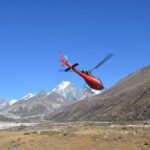
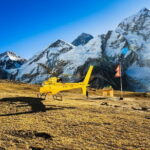
The biggest reason this trip works for many schedules is simple: you fly in and out. You get a helicopter ride from Kathmandu to Lukla, and later you take a helicopter down from Everest Base Camp area (Gorakshep) to Lukla, then fly back to Kathmandu. That means less time grinding uphill just to cover distance, and more time actually doing the trek parts you care about.
Your Lukla flight is also described as a scenic ride, about 45 minutes, with views over Everest and Kanchenjunga. That is not a small perk. When you are heading toward Everest, seeing the peaks from the air helps you get your bearings fast, so the trek feels more purposeful once you land.
Practical tip: your luggage is limited to 10kg for the big bag and 5kg for a handbag. Helicopter trekking is tighter on cargo than classic trekking with more flexible porter loads, so pack like you mean it. Bring layers you will actually wear, not a suitcase of maybe.
You can also read our reviews of more hiking tours in Kathmandu
Thamel Start, Three-Star Comfort, and Two Easy Hotel Nights

Day 1 starts in Kathmandu’s Thamel area, right after pickup from Tribhuvan International Airport. The idea here is to get you rested and sorted before the mountain rhythm takes over. You also have hotel time built in: two nights in a three-star hotel, one before and one after the trek, with breakfast included.
This matters more than it sounds. A good Kathmandu setup helps you avoid the most common mistake of Everest trips: showing up tired, then making altitude harder than it needs to be. Since you are trekking for only about 10 days, the “start clean, recover well” approach pays off.
Your end is also handled. After the final trekking day and helicopter logistics, you return back to the meeting point in Kathmandu, and your hotel night keeps the trip from feeling like it ends mid-stress.
Phakding to Namche Bazaar: Dudh Koshi River Trails and That First Everest Peek
Once you land in Lukla, the trek moves quickly from air views to river-side walking. Day 2 brings you to Phakding, and the timing is built for an acclimatizing start, with a not-too-long hike that helps your body adjust.
On Day 3, you follow trails through pine forests alongside the Dudh Koshi River. There is also the Hillary Bridge mentioned on the route, which is one of those spots you remember because the scenery opens up and the crossing feels real. This day also includes Monjo and the confluence of the Dudh Koshi and Bhote Koshi rivers.
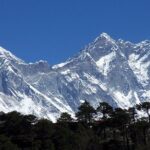
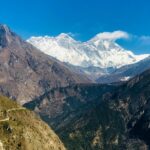
The Namche Bazaar approach is the key moment. The itinerary notes a steep ascent, and then you start getting Everest peeking over the Lhotse-Nuptse mountain range for what is often the first real, emotional view. If you want the trip to feel special on Day 3, this is where it happens.
Realistic expectation: by the time you reach Namche, you are not just sightseeing. You are climbing, adjusting, and learning how your body handles the altitude. Take it slow, drink water, and let your guide set the pace.
Syangboche and Everest View Hotel: A High-Altitude Coffee Break
Day 4 is an acclimatization day, not a “go hard and hope” day. You hike to Syangboche, described as sitting at the lap of Khumbila Peak, and the plan is to help your body acclimate before pushing higher. Syangboche also has a tiny airstrip, which gives you a sense of how this region works for air routes.
You then have the Everest View Hotel experience as part of this day. It is specifically referenced as the world’s highest hotel, at about 3,880 m, with massive views of Everest and nearby peaks. Importantly, the admission to the Everest View Hotel is listed as not included, so you are choosing your own level of splurge here.
Back in Namche, you get time to explore markets and even massage centers and spas. That is not just a nice-to-have. After days of hiking, these small comforts can make the next stage easier because you recover better.
Tengboche Gompa and Pangboche Monastery: Culture Stops That Feel Like More Than Photos
Days 5 and 6 are where the trek adds texture. On Day 5, you resume hiking along the Dudh Koshi River and cross a long suspension bridge before entering the Imja Khola Valley. This is where the trail transitions from “river trek” to “approach to Everest regions,” and your viewlines change as you gain altitude.
You reach Tengboche Gompa, a highlight named directly in the itinerary. If you have ever wondered why people talk about monasteries in the Himalaya, it is because the atmosphere is different. It is calmer, more ritual-based, and the views from these spots often land differently than at a random viewpoint.
Day 6 focuses on Pangboche, specifically the Pangboche Buddhist monastery. Even if you do not plan to sit through long ceremonies, the monastery area gives you a sense of local life that is tied to the seasons and the seasons’ challenges.
Tip that saves energy: these days are not just about rushing to the next lodge. Plan on a few short pauses when you reach viewpoints or prayer areas. It helps you enjoy the route without spending energy walking too fast.
A few more Kathmandu tours and experiences worth a look

Dingboche Acclimatization Day: Climb High, Sleep Low for a Reason

Altitude is the real challenge of Everest Base Camp trekking, even when you shorten the itinerary. The plan includes a second acclimatization day on Day 7 at Dingboche, and it explicitly follows the rule of climbing high and sleeping low.
This is a smart approach because it targets what many people struggle with. You are training your body to handle higher elevations without forcing your sleep level to jump too aggressively. The itinerary notes you will climb to a higher point after breakfast, then return to sleep at the lower point.
You still get trekking time here, about 5 hours, so it is not a full rest day. But it is also not a max-effort push to the top of anything. This balance is important for a 10-day program, where you want to reach the big moments with enough energy left to enjoy them.
Lobuche to Gorakshep: Memorials, Glacier Footsteps, and Base Camp Day

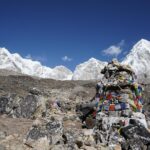
Day 8 takes you to Lobuche. It is described as relatively light trekking but with significant altitude gain. You follow steep slopes toward a wide valley of Dughla, and you pass a memorial over the Thukla area. The memorial detail matters because Everest routes are heavy with history and loss, and these markers remind you this trek sits in a real human story, not just scenic marketing.
Then comes the big day: Day 9, Everest Base Camp. You leave Lobuche and trek about 4 hours along glacier terrain to reach Gorakshep, described as the last camp before the base camp area.
The itinerary also includes the highlight itself: Everest Base Camp on Day 9. You should expect cold, wind, and strong light on the final approach, especially near glacier terrain. Pack for wind, even if the sun looks friendly.
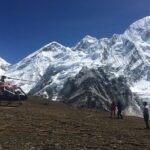
The helicopter piece kicks in right after. Your included helicopter sharing flight takes you from Everest Base Camp area (Gorakshep) back to Lukla. For many people, that is the emotional twist of the trip: you finally arrive, then you fly down while you still feel the momentum.
Kala Patthar Sunrise: The Pre-Dawn Hike That Feels Like Everest’s Front Door
Day 10 is all about timing. Early before sunrise, you hike to Kala Patthar for panoramic views and the classic sunrise on the face of Mt. Everest. The itinerary calls it out as one of the moments you will want to remember, and it is hard to argue against a dawn viewpoint at this altitude.
This hike is also built into the trip format for a reason. If you trek long enough on Everest routes, you learn that the mountain is often best when the clouds cooperate and the light hits at an angle. Kala Patthar is specifically positioned for that.
Practical reality: you are moving in cold conditions before sunrise. The included gear helps here. You receive a warm down jacket and a sleeping bag designed for down to -20 degrees (returned after your trip), which suggests the provider expects seriously cold nights and early mornings.
Deluxe Lodges, Sleeping Bags, and Porter Support That Actually Changes the Feel
The trek part uses twin-share lodge accommodation described as best available, along with a porter plan of 1 porter for 2 people. That ratio is helpful because it reduces the weight you carry while still keeping you actively walking.
This trip also includes key sleep and warmth equipment. You are provided a warm down jacket and a sleeping bag rated for -20 degrees. That is big value because high-quality cold-weather gear can be expensive to rent or buy. Just remember you return it after the trek, so do not treat it like a souvenir.
You also get lightweight expedition items listed as included: a Life Himalaya trekking bag or duffel bag, plus a t-shirt, a trek map, and an achievement certificate. These small extras are not the reason to choose the tour, but they do reduce hassle during packing and help the experience feel organized from day one.
Your guide is described as an experienced, government-licensed trek guide, and the itinerary includes first-aid kits with an oxi-meter. It is not a guarantee against altitude issues, but it is a sign they are planning for the real risks.
Permits, Safety Nets, and Why Travel Insurance Still Matters
You will not be juggling Nepal permits during this trip. Sagarmatha National Park trek permits and Pasang Lhamu Rural Municipality permit fees are included. That is one less form to chase when you are excited and distracted.
Safety support is also addressed. First-aid kits for the staff and the group include an oxi-meter, and there is accidental insurance for guide and porters. There is also coordination for emergency and rescue operations.
But there is an important gap you should plan for: travel insurance is listed as not included, and it is specifically described as up to 5500 m for rescue and evacuation. So while the trek company provides operational support, you still need your own policy covering high-altitude evacuation.
Bottom line: do not skip insurance just because your route includes helicopters. For emergency coverage, your policy is what matters.
Price and Logistics: Is $3,332 Worth It for a 10-Day EBC Heli Return?
At $3,332 per person, this is not a budget trek. The value comes from bundling several costly and time-saving pieces:
- Helicopter rides are the star cost here, including Kathmandu to Lukla and Lukla to Kathmandu, plus a flight from the Everest Base Camp area back to Lukla.
- Accommodation is included in Kathmandu (two nights in a three-star hotel with breakfast), and you have twin-share lodge stays during the trek.
- Meals are covered: breakfasts for 10 days and lunches and dinners for 8 days during the trekking period.
- Permits are handled.
- Support team includes a licensed guide and porters, with accident insurance for staff.
- Cold-weather gear is included (down jacket and -20 sleeping bag).
- You also get a farewell dinner in a traditional Nepali cultural restaurant.
For a 10-day program, that bundle reduces both uncertainty and hassle. You are paying for fewer logistical headaches and less time on the trail. If your priority is Everest Base Camp plus Kala Patthar without spending weeks walking, the price starts to make sense.
One booking reality: this is often booked about 34 days in advance on average. If you are targeting a specific departure window, start planning early.
Who This 10-Day Everest Base Camp Plan Fits Best
This is a strong fit for you if:
- you want Everest Base Camp plus Kala Patthar but you are short on time
- you prefer a guided trek with a porter setup instead of heavy self-management
- you like the idea of using helicopter rides to reduce the most time-intensive segments
- you want lodge comfort rather than roughing it
This might be less ideal if you love solo freedom and do not want schedules. It is also private, meaning only your group participates, so your experience depends on your group size and your pace.
And it is not a couch-to-Everest plan. The trip states you should have a strong physical fitness level. You will still hike enough to feel it, even with the helicopter help.
Should You Book This Everest Base Camp Trek with Heli Return?
If your main goal is Everest Base Camp, the right atmosphere, and Kala Patthar sunrise, this is a pretty direct route. The biggest reason to book is the design for time and recovery: helicopter cuts the distance, and the plan includes real acclimatization days instead of hoping for the best.
I would book it if you want a well-supported trek with equipment and meals handled, and you are comfortable with the idea of sharing helicopter flights. I would think twice if you are sensitive to cold early mornings or if your fitness level is not ready for sustained high-altitude walking.
If you want a single question to decide: do you want the Everest experience now, in about 10 days, with less hiking time, even if you still have altitude effort? If yes, this package is built for you.
FAQ
How long is the Everest Base Camp trek portion?
The experience is listed as 10 days (approx.), with the itinerary taking you from Kathmandu to Lukla, through the trek to Everest Base Camp, and ending back in Kathmandu.
Does the package include helicopter rides?
Yes. It includes helicopter (sharing) from Kathmandu to Lukla and from Lukla to Kathmandu, plus a helicopter (sharing) flight from Everest Base Camp (Gorakshep) to Lukla.
What meals are included?
Lunch and dinner are included for 8 days, and breakfast is included for 10 days. Beverages and snacks are not included.
Are permits included?
Yes. Sagarmatha National Park trek permit fees and Pasang Lhamu Rural Municipality permit fees are included.
What kind of lodging do you get during the trek?
You get twin-share lodge accommodation described as best available during the trek, plus two nights in a three-star hotel in Kathmandu with breakfast (one night before and one night after).
What trekking gear is provided?
You are provided a warm down jacket and a sleeping bag rated for -20 degree conditions, and you return them after the trip. A trek bag or duffel bag, plus a t-shirt, are also included.
What is the baggage limit for the helicopter?
You are allowed up to a 10 kg big bag and a 5 kg handbag.
Do you need travel insurance?
Yes. Travel insurance up to 5500 m rescue and evacuation is listed as not included, so you should arrange your own coverage.
Can I get a full refund if I cancel?
Yes. Free cancellation is available up to 24 hours in advance for a full refund.
More Helicopter Tours in Kathmandu
More Hiking & Trekking Tours in Kathmandu
More Tour Reviews in Kathmandu
Not for you? Here's more nearby things to do in Kathmandu we have reviewed


Helicopter Tours, compared.
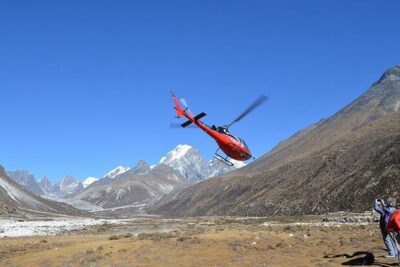
 ★ 5.0Everest Base Camp Helicopter Tour landing at Everest View HotelFrom $1,575668 reviews
 ★ 5.0Everest Base Camp Helicopter Tour landing at Hotel Everest ViewFrom $1,600218 reviews
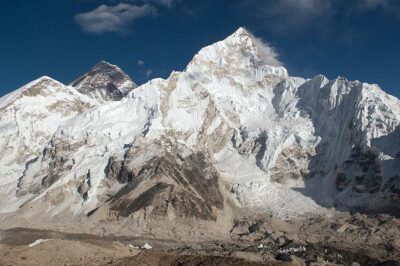 ★ 5.0Everest Base Camp Trek with Helicopter Return from Gorakshep to LuklaFrom $3,000161 reviews
 ★ 5.0Everest Base Camp helicopter tour with landingFrom $1,60061 reviews
 ★ 5.0Everest Base Camp Helicopter Tour with Hotel Everest View LandingFrom $1,49052 reviews
 ★ 5.0Guaranteed Landing at Everest Base Camp Kalapathar by HelicopterFrom $3,50038 reviews
★ 5.0Everest Base Camp Helicopter Tour landing at Everest View Hotel.From $1,98534 reviews
★ 5.0Guaranteed Landing at Everest Base Camp Kalapathar by HelicopterFrom $3,50038 reviews
★ 5.0Everest Base Camp Helicopter Tour landing at Everest View Hotel.From $1,98534 reviews
 ★ 5.0Everest Base Camp Trek with Helicopter Return to Lukla – 10 DaysFrom $79934 reviews
Browse the lists this tour appears in