
REVIEW · EVEREST HELICOPTER TOURS FROM KATHMANDU
Everest Base Camp Helicopter Tour Stop at Hotel Everest View.
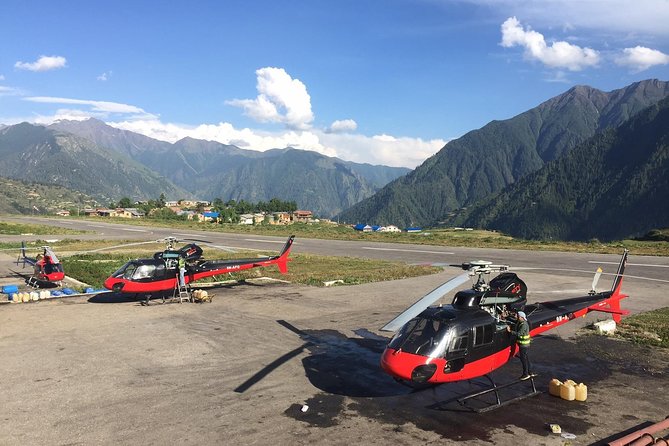
At 5:15am, Everest feels close. This Everest Base Camp helicopter stop at Hotel Everest View is built for people with limited time, giving you Himalayan views without days of trekking. I like the way the day is paced for maximum sightlines, from Kathmandu airport flyovers to a high-altitude pause that usually lasts about an hour.
Two things I really like: the clear-sky mountain views that come from multiple landings and air windows, and the added value of a real stop at Hotel Everest View rather than just a quick pass. One drawback to plan around is simple but serious, this is a weather-driven flight, and the exact route and stop timing can change with conditions and fuel.
Key highlights worth knowing
- Early departure from Kathmandu (5:15am start) so you’re flying while visibility is best
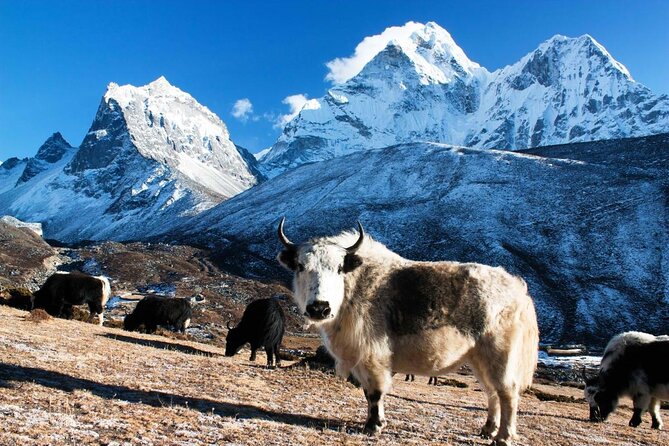
- Flyover of the Base Camp area with views including Pumori, Lhotse, and Nuptse
- Tenzing-Hillary Airport fuel stop that keeps the schedule realistic
- Pheriche split strategy to help protect window-seat chances for the Base Camp portion
- Hotel Everest View stop (usually about 1 hour), weather permitting, with optional set breakfast
- In-flight safety support including an oxygen cylinder in the helicopter for emergencies
The 5:15am Helicopter Start From Kathmandu Matters
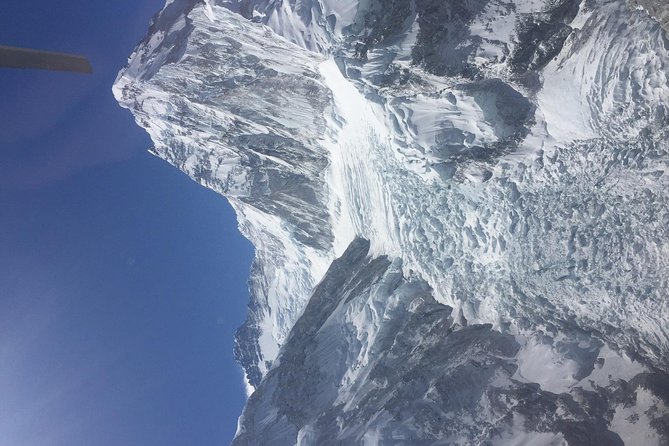
This tour starts early, with the pickup time set for 5:15am. It sounds intense, but it’s one of the reasons the trip is worth it, you’re likely to get better visibility before clouds build up.
You’ll be collected by car from your hotel and dropped back after the flight. That door-to-airport convenience is a big deal in Kathmandu, where traffic and timing can otherwise eat your morning.
A few more Kathmandu tours and experiences worth a look

Flyover Time: What You See Above Everest Base Camp
The core experience is the helicopter flyover from Kathmandu toward the Everest Base Camp area. You’ll get a look from the air at the higher viewpoints over the Base Camp region, and the day is planned to give you time for photos and video when the sky cooperates.
The route includes a leg that continues toward Lukla airport, then works you through other landing points that position you for the best angles. If you care about seeing the geometry of the Khumbu region, this is where helicopter viewing shines, you can spot major peaks and valleys quickly rather than slowly.
Tenzing-Hillary Airport Stop: A Short Pause With a Purpose
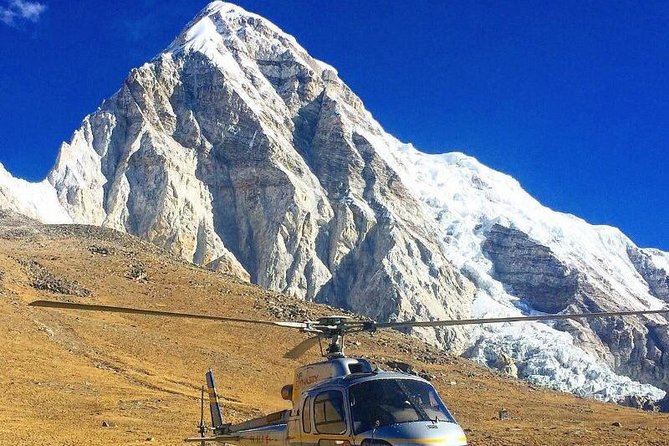
One stop is Tenzing-Hillary Airport, and it’s there first for practical reasons, fuel. The stop is short, about 10 minutes, so don’t expect a scenic break, it’s more about keeping the helicopter operating smoothly for the rest of your route.
Even so, this kind of stop is part of how helicopter tours make it possible to cover more ground in a half-day. It’s also why your schedule feels tight but organized, you’re not stuck waiting for long stretches.
Pheriche Timing and the Window-Seat Strategy
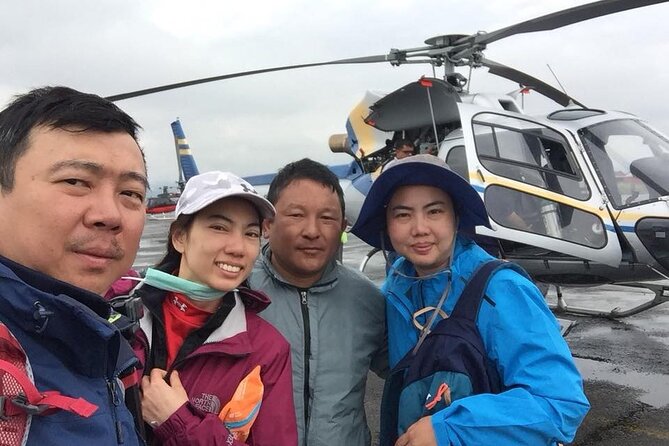
This is one of the more interesting pieces of the plan. Pheriche is described as the old splitting point when there are more than three passengers flying together.
When that happens, the group may fly in two parts, first two people, then three people, specifically for the Everest Base Camp portion, to help guarantee window seats. If you’re the kind of person who wants the best view for every peak, this matters. It also explains why the tour feels more thoughtfully managed than a simple group transport.
Hotel Everest View: The One-Hour Break You’ll Remember
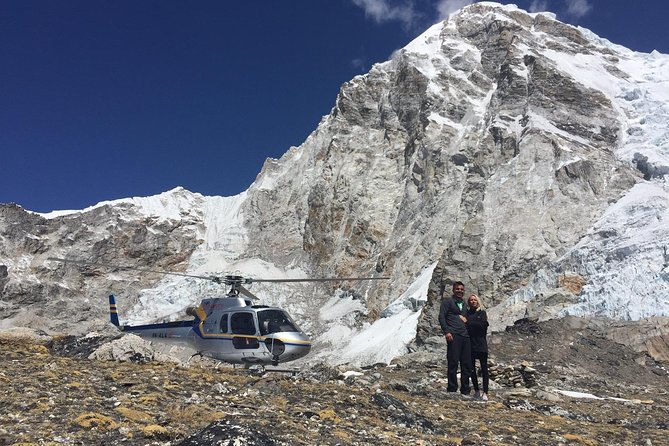
The tour’s most “real-life” moment is the landing at Hotel Everest View, which is subject to weather. When it works, you usually get around one hour there, which is long enough to walk a bit, soak in the altitude feel, and grab breakfast if you want it.
Breakfast is optional and costs USD 31 per person as a set meal at the hotel, but only if the weather allows you to land. From a value perspective, the stop is the difference between seeing Everest from the air only, and actually pausing on the ground with the mountains right in front of you.
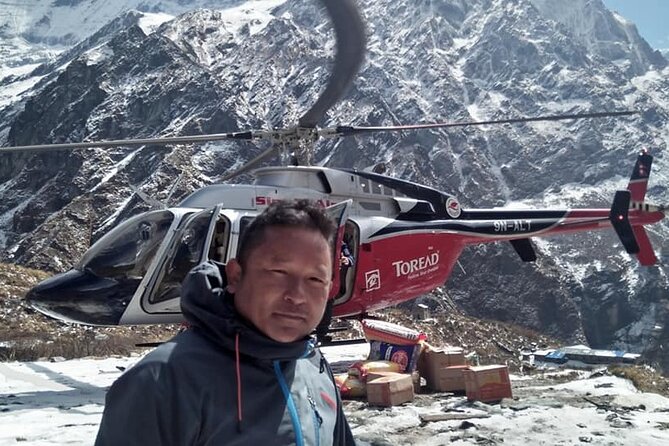
This is also where you’ll often notice the human side of the operation. In the feedback I’m seeing, the named local help stands out, especially Hari, plus other staff like Depandra and Nawa being credited for smooth coordination when things move quickly in the early morning.
The Return Flight to Kathmandu and How Fuel Changes the Route
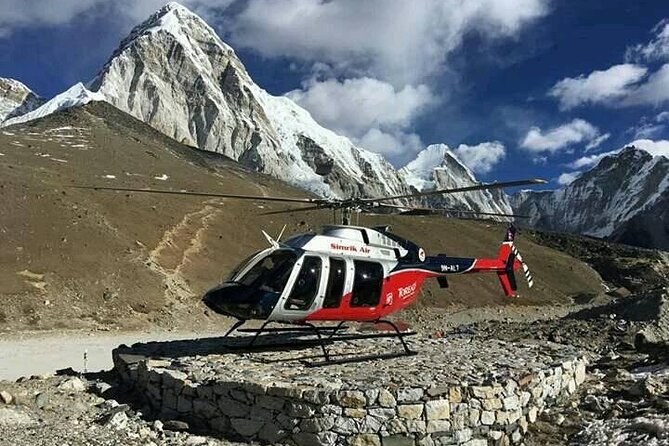
Coming back is another helicopter leg from the Everest Base Camp area, ending with landing at Hotel Everest View and then continuing to Kathmandu. The timing is listed as about one hour, and there’s a smart detail here, the captain may fly via Lukla or directly depending on fuel needs.
That means the exact path can vary day to day. The good news is your tour still follows the same overall structure: morning departures, multiple viewing points, and a finished return that gets you back to Kathmandu the same day.
Price, Value, and What You’re Really Paying For
At $1,980 per person, this is not a budget tour. But helicopter viewing in Nepal is expensive because it’s using a scarce resource, aircraft time in a high-altitude environment, plus government taxes and fuel surcharges that are included in your rate.
What you do get for that price is more than just a “ride.” You get round-trip hotel transfers, a group helicopter experience shared with 5 to 6 passengers and a pilot, landing at multiple points, and that valuable Hotel Everest View stop. You also get practical in-flight protections like an oxygen cylinder in the helicopter for emergencies and life insurance during a helicopter flight.
For value, ask yourself a simple question: would you rather spend multiple weeks trekking or a half-day paying for a high-impact view? If your schedule cannot stretch, this tour turns time into sightlines. If you are budget-flexible and want a once-in-a-lifetime Everest moment without the physical load, the pricing starts to make more sense.
Group Size, Comfort, and the Real-World Morning Flow
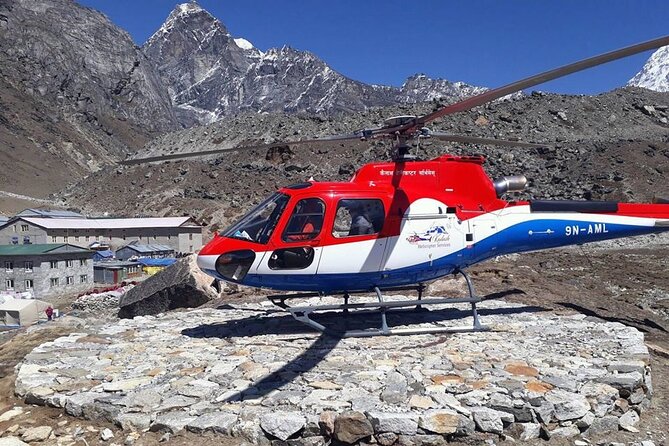
This is a group tour capped at 15 travelers, and your specific helicopter grouping is described as 5 to 6 passengers per flight with a pilot. That smaller group feel usually helps with coordination, especially when you’re moving through airport zones and waiting for clearance.
There’s also a minimum number of travelers requirement. If the tour can’t run due to low demand, you’re offered a different date or a full refund. That’s worth taking seriously when you’re planning tightly around a flight home.
Comfort-wise, this is not a casual stroll. You’ll be in cold air, waiting early, and riding in a helicopter cabin. The tour is described for people with a moderate physical fitness level, and the day works best if you can handle early departure and changing temperatures.
What to Wear and Bring for Nepal Winter Chill
Dress for cold. The guidance is specific: warm clothing for around -5°C in summer, and about -10°C in winter for higher points only. Another note suggests bringing warm gear down to about -8°C in winter, 0°C in summer, and -2°C in spring.
Think layers, not one bulky item. Your jacket should handle wind, and you’ll want warm gloves and head coverage even if you feel fine on the ride out, because the cold can sneak up when you’re standing around for short periods.
Also bring a warm jacket even in seasons that feel mild in Kathmandu. The mountains are not polite about temperature.
Safety, Oxygen, and Insurance You Should Know About
Helicopters can make people nervous, and that’s normal. What reduces the worry here is that the inclusion list calls out an oxygen cylinder in the helicopter if there’s an emergency.
There’s also life insurance during a helicopter flight, described as provided by aviation. That doesn’t remove risk, but it does mean you’re not traveling completely uncovered from a safety planning perspective.
Capacity and limits are also part of safety planning. The tour lists a total weight per passenger of 221 lbs, so if you’re near that boundary, you’ll want to confirm your eligibility early.
Extra Costs You Should Budget Locally
Your ticket includes a lot, but a couple of costs are specifically not included. The biggest one is national park entrance fees and municipality entry fees, listed as USD 50 per person or NPR 6000 paid locally.
Food is the other variable. If you land at Hotel Everest View, breakfast is available as an optional set meal for USD 31 per person, and drinks are not included. So even with a big headline price, you should still budget for these add-ons to avoid a last-minute surprise.
Should You Book This Everest Base Camp Helicopter Tour?
Book it if you’re short on time, you want a high-impact Everest view, and you can handle an early morning start. This is ideal if you’re not going to do a long trek but still want to see peaks like Everest in the Khumbu region, plus supporting mountains such as Pumori, Lhotse, and Nuptse from the air.
I’d also book it if you appreciate good logistics. The trip is structured with car transfers, a clear starting time, group sharing, and named coordination support like Hari, along with Depandra and Nawa being recognized for helping make the experience work smoothly.
Skip it or at least delay your decision if weather is your biggest risk. Flights are confirmed for nice days only, and if the flight can’t run due to poor weather, you’ll be offered a different date or a full refund. You’ll also want to make sure you can dress for cold and you’re comfortable with a helicopter day that’s built around visibility windows.
If you want a simple rule, this is a great choice for time-tight schedules who want Everest from above and from a grounded stop at Hotel Everest View.
FAQ
What time does the tour start?
The start time is 5:15am.
How long is the Everest Base Camp helicopter tour?
It’s listed as 4 to 6 hours approximately.
Where does pickup and drop-off happen?
Round-trip transfer is included, pickup is offered from your hotel by car and you are dropped back after the flight.
What helicopter models are used?
The tour mentions an AIRBUS H125 and Eurocopter 350 model.
Are meals included?
Food and drinks are not included. Breakfast at Hotel Everest View is optional and listed as USD 31 per person, subject to weather conditions.
Is the national park entrance fee included?
No. National park entrance fees and municipality entry fees are not included. They are listed as USD 50 or NPR 6000 per person, paid locally.
How many people are in the group?
Your helicopter trip is described as joining group sharing 5 to 6 passengers and a pilot, and the overall tour has a maximum of 15 travelers.
What happens if the flight is canceled due to poor weather?
If the flight is canceled due to poor weather, you are offered a different date or a full refund.
Is oxygen or insurance included?
Yes. The helicopter includes an oxygen cylinder for emergencies, and there is life insurance during a helicopter flight provided by aviation.
More Helicopter Tours in Kathmandu
More Tours in Kathmandu

More Tour Reviews in Kathmandu
Not for you? Here's more nearby things to do in Kathmandu we have reviewed


Everest Helicopter Tours from Kathmandu, compared.
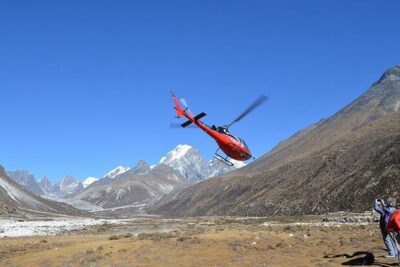
 ★ 5.0Everest Base Camp Helicopter Tour landing at Everest View HotelFrom $1,575668 reviews
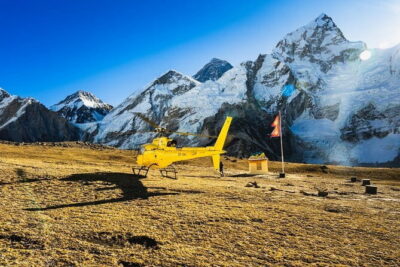
 ★ 5.0Everest Base Camp Helicopter Tour landing at Hotel Everest ViewFrom $1,600218 reviews
 ★ 5.0Everest Base Camp helicopter tour with landingFrom $1,60061 reviews
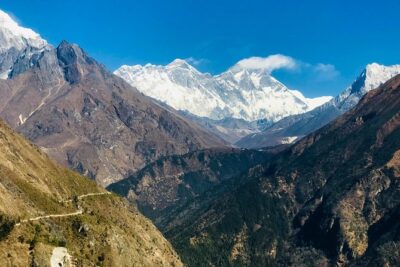 ★ 5.0Everest Base Camp Helicopter Tour with Hotel Everest View LandingFrom $1,49052 reviews
★ 5.0Everest Base Camp Helicopter Tour landing at Everest View Hotel.From $1,98534 reviews
★ 5.0Everest Base Camp Helicopter Tour with Hotel Everest View LandingFrom $1,49052 reviews
★ 5.0Everest Base Camp Helicopter Tour landing at Everest View Hotel.From $1,98534 reviews
 ★ 4.9Everest Base Camp Helicopter TourFrom $1,86330 reviews
 ★ 5.0Everest base camp Helicopter TourFrom $1,70026 reviews
★ 5.0Everest Base Camp Helicopter TourFrom $1,60024 reviews
★ 5.0Everest base camp Helicopter TourFrom $1,70026 reviews
★ 5.0Everest Base Camp Helicopter TourFrom $1,60024 reviews
Browse the lists this tour appears in