
REVIEW · EVEREST HELICOPTER TOURS FROM KATHMANDU
Everest Base Camp Helicopter Tour
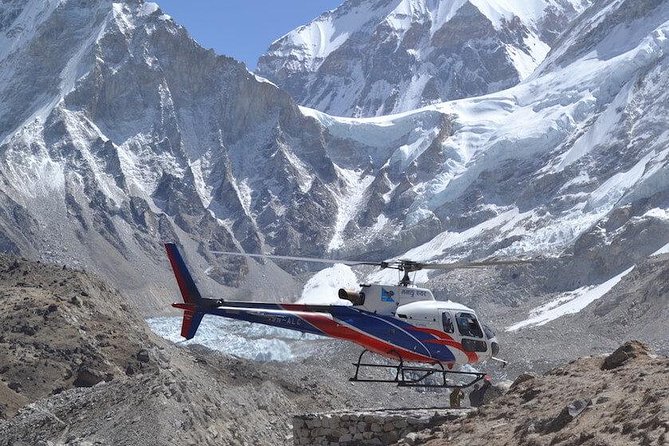
Everest Base Camp by helicopter saves real time. You get a bird’s-eye pass over glaciers and major Everest-area peaks, without days of trekking.
I like that it’s built around short, high-impact flight time and a small-group format, so you spend less effort on logistics and more effort on the views. The tour also includes a private shuttle to the airport, which helps when your day starts at 5:00 am.
One thing to weigh: this is expensive for a few hours in the air, and the day can hinge on weather. There’s also a $55 per person Sagarmatha National Park fee and breakfast is not included, so the real cost is usually higher than the headline price.
Key Things To Know Before You Fly
- A 5:00 am start keeps the plan flexible for weather and morning visibility.
- Small group, max 16 people, tends to mean calmer cabin time and fewer distractions at stops.
- Split staging at Pheriche is about altitude limits, not a random schedule change.
- Kala Patthar views are part of the flight, not just a distant dream.
- Breakfast stop at Hotel Everest View gives you a high-altitude payoff, but you pay for the meal.
- Window-seat requests matter, especially if you want the cleanest photo lines.
The Real Appeal: Avoid Trek Days, Keep the Everest Moment
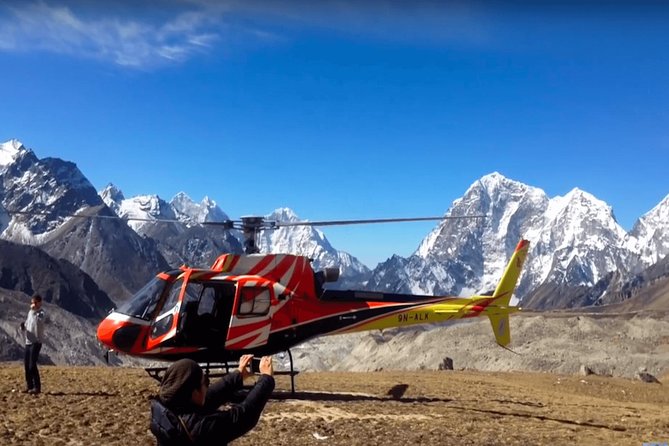
If you’re picturing Everest Base Camp, you probably imagine long trails, high passes, and that slow climb into thinner air. This tour swaps all that effort for a fast, dramatic flight that drops you into the Everest region for views that feel almost unreal.
What makes it work is the balance of time and payoff. Yes, the helicopter ride itself is only about 4 to 5 minutes of flight time, but the overall experience is still 4 to 5 hours because they build in cold-air breaks, a refuel stop, altitude staging, and time at the hotel for breakfast. In other words, you’re paying for a condensed way to get the Everest “I made it” moment, not for a long ride that drifts while you wait.
I also like that the day is organized like an escape plan from stress. You’re shuttled from your hotel or a chosen pickup point to Tribhuvan International Airport, you fly, then you return back to the same meeting point. That closed-loop structure matters when you have limited time or you want to spend your energy on the views rather than planning every hop.
A few more Kathmandu tours and experiences worth a look

Getting There: The 5:00 am Start and What It Means
The schedule starts early, at 5:00 am, with your meeting point at Tribhuvan International Airport (Ring Rd, Kathmandu). If you’ve only done normal-day tours, this feels like a different planet. But with helicopter flights into the mountains, the early start is practical: you give the day more chances to work even if clouds roll in later.
The tour also says it runs with mobile tickets and provides confirmation at booking time, which helps reduce last-minute uncertainty. And because private transportation is included, you’re not relying on local taxis with a tight schedule.
A realistic tip for your morning planning: pack light, keep essentials within reach, and be ready for chilly conditions. Even before you’re close to Everest, you’re going to be in an airport routine plus short outdoor moments around refueling and transfers.
Kathmandu to Lukla: A Quick Landing in the Middle of the Plan
Your day begins at Tribhuvan International Airport, then you board for the first leg toward the Everest region. Lukla is a short stop, around 15 minutes, primarily described as a refueling break and a chance to adjust to chilly air.
This part of the day is easy to underestimate if you’re only focused on Everest Base Camp. But it matters. Lukla is where you transition from “Kathmandu planning mode” into “Himalaya operating mode.” You’re likely to feel the cold faster than you expect, and a small temperature shock can mess with comfort and breathing. Use this break to get settled, slow down your movements, and keep your attention on the rest of the flight.
Pheriche and the Split-Group System: Why You Might Not All Go at Once
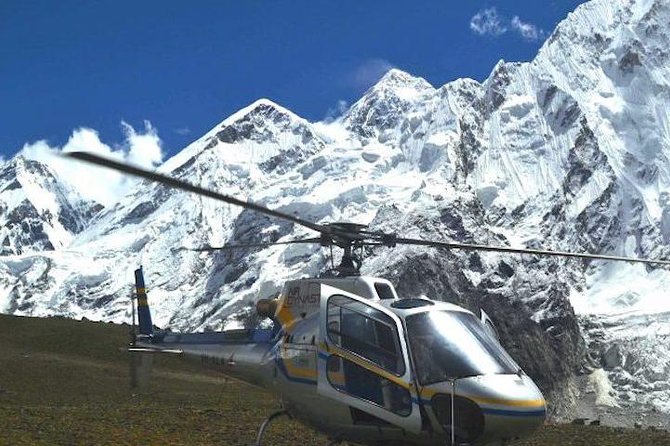
Next comes Pheriche, another stop around 15 minutes, where you’ll notice something unusual: the group is split into two sets due to a restricted passenger weight limit at higher altitudes.
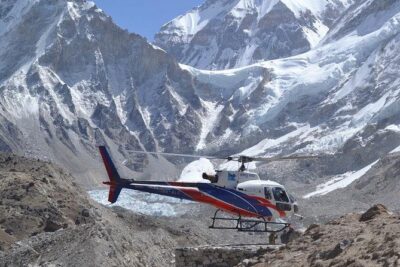
One group gets shuttled to Everest Base Camp, and the other group explores the surrounding area and waits for their turn. Even if you don’t fully understand every operational reason, you’ll feel the impact. This keeps the day within aircraft limits and altitude constraints, and it prevents one heavy bottleneck from turning into a canceled experience.
From a passenger perspective, the benefit is that you’re not stuck in one long wait with nothing to do. You have a plan, you have a purpose for the time, and you still stay close to the action. Just mentally prepare for the possibility that your timing at the base camp moments could depend on how your group is scheduled.
The Main Event Flight: Everest Base Camp, Kala Patthar, and Peak Views
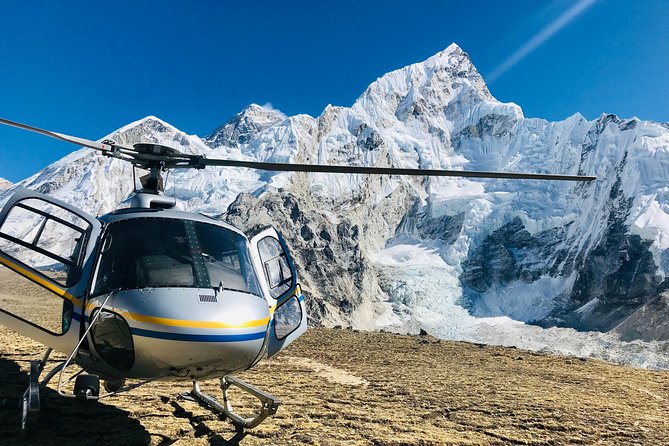
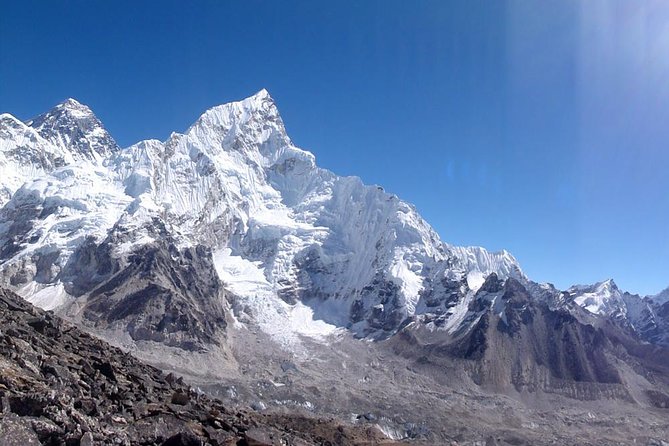
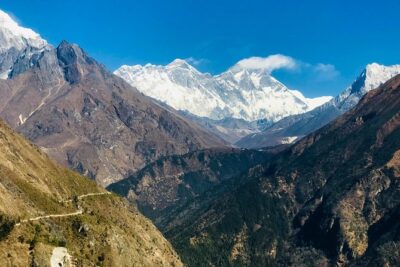
The highlight is the flight from Pheriche onward. This is the part where you’re described as passing over glaciers, snow-capped massifs, and the “infamous” Everest Base Camp area from the air. After that, you’re given bird’s-eye views of Everest Base Camp and Kala Patthar, along with surrounding Everest-region peaks.
A quick reality check: you won’t control weather, and you won’t always get perfectly clear sightlines. But when you do, the aerial angle is the whole point. You can often see the geometry of the terrain in a way trekking can’t replicate, including how ridgelines, valleys, and glacier fields line up in real space.
The best advice here is seat-focused. If you can, request a window seat when you book. In accounts tied to this operator, people have specifically noted getting window seating, which is exactly what you want for photos and for that moment when Everest finally sits right there in front of you.
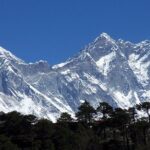
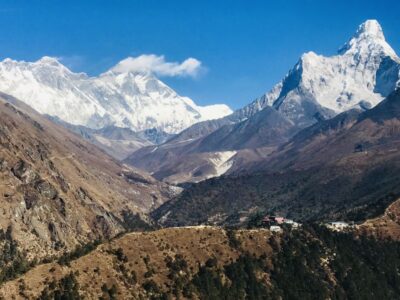
Also, keep your expectations flexible with what you might spot. Some days let you clearly pick out major peaks like Nuptse and Lhotse from above, and some days reduce visibility. You’re paying for the chance to see a lot from a rare angle, not for guaranteed perfect visibility.

Hotel Everest View Breakfast: The Altitude Payoff After the Flight
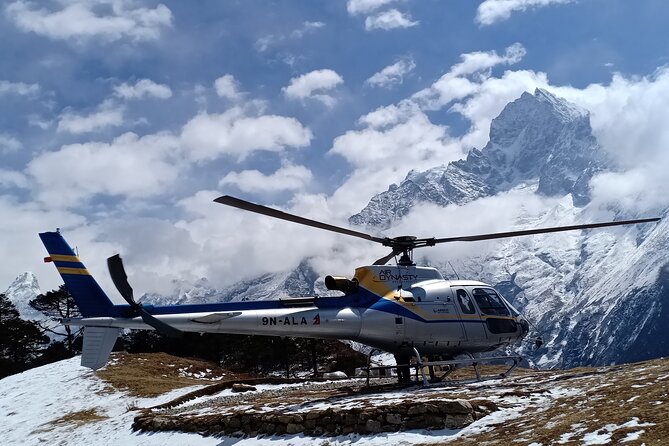
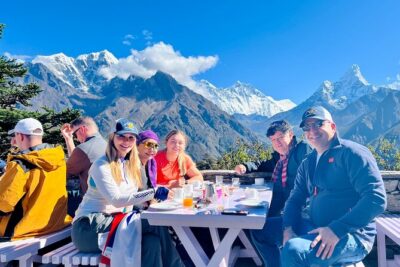
After the flight moments, the plan includes a stop at Hotel Everest View for breakfast time, around 30 minutes. This is described as the highest-altitude hotel in the world, and the balcony/terrace viewpoint is clearly part of why the stop is included.
Here’s how to think about this phase. It’s not just a meal break. It’s a controlled landing of the experience. You’ve been riding altitude and air pressure and cold moments, and now you’re at a place designed to let you look out and process what you just saw. The value is that you can pair the “from above” view with a slower, human pause on the terrace while you sip coffee and eat.
One important note: breakfast is not included in the tour price. The stop is built into the schedule, but you should budget for the meal. If you’re trying to minimize spending, plan to treat this as part of the experience cost, not as an optional add-on you can skip without changing the vibe.
Price and Value: What $1,600 Actually Buys
At $1,600, this is not a budget experience. The value question is simple: are you buying convenience and time, or are you buying “Everest, but quicker”?
For most people, it’s the second part. You’re not replacing trekking because trekking is easier. You’re replacing trekking because you want Everest without days of hiking, acclimatization schedules, and extra time away from work and family. If time, energy, or health constraints make trekking hard, this helicopter day can feel like a ticket to a dream that would otherwise slip away.
What’s included is the core “getting there and back” package: helicopter ride from Kathmandu to Everest Base Camp and return, plus private transportation to the airport. What’s not included matters for your budgeting:
- Breakfast at Hotel Everest View is not included.
- The Sagarmatha National Park entrance fee is payable at Lukla Airport: $55 per person.
So your real total usually ends up as the base price plus at least that park fee, plus breakfast if you plan to eat. If you hate surprises, plan your money like that from the start.
Group size also impacts value. With a maximum of 16 travelers, you’re not paying for a solo private jet vibe, but you also aren’t swallowed by a huge crowd. That middle ground is often the sweet spot for people who want calm viewing and clear photo opportunities.
Who This Tour Fits Best, and Who Might Feel Strained
This works best for people who want Everest visuals without committing to trekking time. It’s also a strong match if you:
- have limited vacation days,
- don’t want the physical toll of a multi-day route,
- want a high-impact day that still includes a real payoff at Hotel Everest View.
That said, it’s not for everyone. The tour lists a total weight per passenger limit of 265 lbs, so some people will need to choose another option. And because this kind of flight depends on weather, you should be prepared for schedule pressure even with a polished plan.
Also, consider whether you prefer slow, immersive travel. Helicopter tours compress the story. You’ll see a lot from above, but you won’t feel the same step-by-step acclimatization journey that trekking gives. If the journey itself is your favorite part, trekking might still win.
Practical Flying Tips That Make the Day Easier
A helicopter day is about comfort management. Since the flight to Everest Base Camp is short, the “pre-flight” comfort and readiness become extra important.
A few practical moves:
- Request a window seat during booking if it’s an option. Better angles can make a big difference for photos and for that first sight of the Everest area.
- Dress for cold even if Kathmandu feels mild. You’ll be in chilly air around refueling and at high-altitude stops.
- Keep your day plan simple. Since the start is 5:00 am and you have a tight timeline back to the meeting point, avoid adding extra stops or long waits before pickup.
- Plan your budget for the $55 park fee and breakfast at Hotel Everest View since those are not included.
One more thought: if you’ve been dreaming about Everest for a long time, the mental shift matters. You’re getting the result fast. Treat the day like a focused mission: get comfortable, stay patient at stops, and then give yourself a real moment at Hotel Everest View to absorb it.
Should You Book This Everest Base Camp Helicopter Tour?
I think you should book if your top priority is seeing Everest Base Camp and Kala Patthar from above, without trekking days, and you’re okay paying for that time-saving shortcut. It’s especially worth it when you can use the small-group setup, you care about getting to the viewpoint with minimal hassle, and you’re excited by the idea of breakfast with mountain views at Hotel Everest View.
I’d pause if you’re sensitive to cost surprises, because you should budget the park entrance fee and breakfast. I’d also pause if you’re not comfortable with an early 5:00 am start and a flight day that can be weather-dependent.
If your goal is Everest access with a realistic chance to see the main sights in a half-day, this is one of the clearer, more direct ways to do it.
FAQ
Where does the Everest Base Camp helicopter tour start?
It starts at Tribhuvan International Airport in Kathmandu (Ring Rd, 44600, Nepal).
What time does the tour begin?
The start time is 5:00 am.
How long is the tour?
The tour runs about 4 to 5 hours.
How long is the helicopter flight to Everest Base Camp?
The flight time is listed as approximately 4 to 5 minutes.
Is pickup from my hotel included?
Pickup is offered, and private transportation is included as part of the tour.
What is included in the price?
Included are private transportation and the helicopter ride from Kathmandu to Everest Base Camp and return. A mobile ticket is mentioned as part of the experience.
What entrance fee do I need to pay?
You need to pay a Sagarmatha National Park entrance fee of $55 per person at Lukla Airport.
Is breakfast at Hotel Everest View included?
Breakfast at Hotel Everest View is not included, though you do get a stop there with time for breakfast.
How many people are in the group?
The tour has a maximum of 16 travelers.
What is the passenger weight limit?
The total weight per passenger limit listed is 265 lbs.
What happens if weather cancels the flight?
The experience requires good weather. If it is canceled due to poor weather, you will be offered a different date or a full refund.
More Helicopter Tours in Kathmandu
More Tours in Kathmandu

More Tour Reviews in Kathmandu
Not for you? Here's more nearby things to do in Kathmandu we have reviewed


Everest Helicopter Tours from Kathmandu, compared.
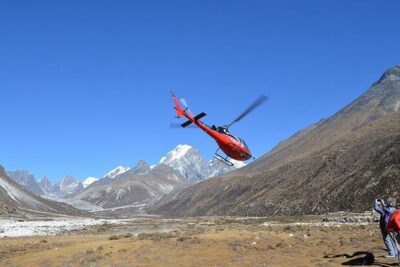
 ★ 5.0Everest Base Camp Helicopter Tour landing at Everest View HotelFrom $1,575668 reviews
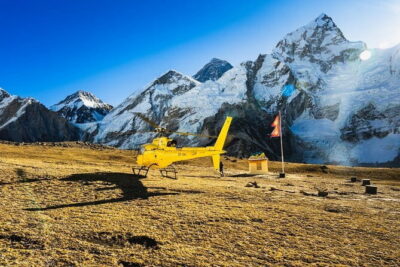
 ★ 5.0Everest Base Camp Helicopter Tour landing at Hotel Everest ViewFrom $1,600218 reviews
 ★ 5.0Everest Base Camp helicopter tour with landingFrom $1,60061 reviews
 ★ 5.0Everest Base Camp Helicopter Tour with Hotel Everest View LandingFrom $1,49052 reviews
★ 5.0Everest Base Camp Helicopter Tour landing at Everest View Hotel.From $1,98534 reviews
★ 5.0Everest Base Camp Helicopter Tour with Hotel Everest View LandingFrom $1,49052 reviews
★ 5.0Everest Base Camp Helicopter Tour landing at Everest View Hotel.From $1,98534 reviews
 ★ 4.9Everest Base Camp Helicopter TourFrom $1,86330 reviews
 ★ 5.0Everest base camp Helicopter TourFrom $1,70026 reviews
 ★ 5.0Everest Base Camp Helicopter Tour with Stop at Everest View HotelFrom $1,57519 reviews
Browse the lists this tour appears in