

REVIEW · CHITWAN SAFARI TOURS FROM KATHMANDU
Best Nepal Tour: Kathmandu Pokhara Chitwan Tour
Temples, lake views, then rhinos. This Kathmandu Pokhara Chitwan tour is interesting because it pulls together sacred Kathmandu sights, lake and waterfall stops in Pokhara, and Chitwan National Park wildlife time on one tight schedule. You also get a built-in flow that makes moving around Nepal feel straightforward.
I especially like the way the trip balances big-feel highlights with real activities. You’ll cover classic Kathmandu Valley landmarks tied to Hindu and Buddhist worship, then shift gears into jeep safari and canoeing style jungle time in Chitwan.
One key consideration: entrance fees for several heritage sites and attractions are not included, and the package does not include accommodation or most meals in Kathmandu (it covers those in Chitwan and Pokhara). If you want zero extra spending, you’ll need to plan for that.
Key highlights I’d plan around

- UNESCO-listed Kathmandu Valley stops across Hindu and Buddhist landmarks
- Chitwan National Park jeep safari plus canoeing and jungle walk
- Pokhara lakeside scenery with Phewa Tal and a temple on the lake
- Cave, waterfall, and river gorge mix on Day 5, with entry fees varying
- Sarangkot sunrise as the final big viewpoint before heading back
A smart 6-day mix of temples, lakes, and safari time

This is a true combo tour, not a single-region itinerary stretched out. In about a week you get three different Nepal styles: Kathmandu for culture and heritage, Pokhara for water and viewpoints, then Chitwan for wildlife.
The pace works because each day has a clear mission. Kathmandu Day 1 focuses on major religious sites. Chitwan Days 2 and 3 focus on the national park and its animals. Pokhara Days 4 and 5 concentrate on the lakes and the area’s signature natural sights. Day 6 shifts early and light, then hands you transportation back toward Kathmandu.
If you hate packing and repacking, you’ll want to like the idea of moving bases. The plan includes drives between cities, with a long Day 4 road transfer to Pokhara. Bring patience, water, and snacks just in case, because the day is long even when it feels efficient.
You can also read our reviews of more tours and experiences in Kathmandu.
Day 1 in Kathmandu: Pashupatinath, Swayambhu, Boudha, and Patan’s Durbar Square
Day 1 is the Kathmandu Valley sampler, and it’s set up like a route you can follow without guesswork.
Pashupatinath Temple, Shiva at the Bagmati River
You’ll start at Pashupatinath Temple, about 5 km east of the city center on the Bagmati River. It’s a major Shiva site and is described as highly ornamented. Expect a place where devotion and daily life overlap, and dress and behavior matter.
One practical note: admission is listed as not included, so you should expect an extra payment here. Also, plan to spend closer to the full 2 hours if you want time to slow down and watch how the space is used.
Swayambhunath, the monkey temple with valley views
Next up is Swayambhunath, often called the monkey temple. It’s free and set aside for a shorter visit, about 1 hour. What makes it worth your time is the combination of architecture and the Kathmandu Valley viewpoint.
If you’re going to chase photos, do it here. The vantage point helps you orient yourself for the rest of the trip.
Boudhhanath, the big stupa with the eye details
Then you’ll visit Boudha, described as the oldest and largest stupa in the valley, built in the 5th century. It also has distinctive eye impressions mentioned in the description. This stop is free, with a 2-hour slot.
This is where many people shift from sightseeing mode to observing mode. Take a slower pace, because the long stupa lines and surrounding temple areas can make you feel like you’re part of the scene.
Patan Durbar Square, UNESCO heritage in Lalitpur
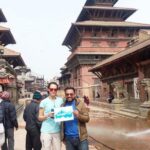
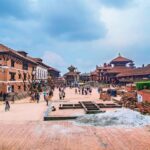
To wrap Day 1, you’ll go to Patan Durbar Square in Lalitpur, listed as UNESCO World Heritage. It includes an ancient royal palace area connected to the Malla kings. Admission is not included here either.
This final stop is useful because it adds a different viewpoint on Nepalese royal heritage compared with the purely religious sites. Give yourself enough time to look at the stonework and courtyards.
Days 2 to 3 in Chitwan: jeep safari plus canoeing and jungle walk

Chitwan is where the trip changes from temples to wildlife. After breakfast, you drive to Chitwan by tourist bus or private car. Once you reach your hotel, you get the full schedule.
What you’re really signing up for in Chitwan National Park
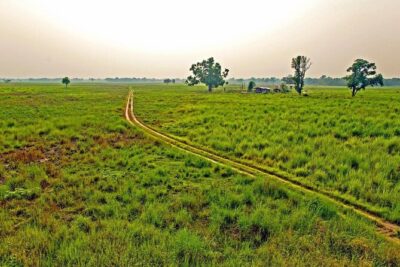
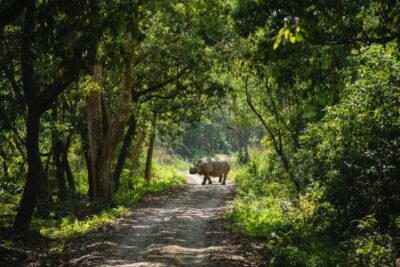
Chitwan National Park is described as the richest park in Nepal for flora and fauna. The highlight list is specific: elephants, one-horned rhinos, Bengal tigers, crocodiles, and many birds. That doesn’t mean you’ll see every species on your exact day, but it does mean the park is set up for wildlife viewing.
I like that the plan doesn’t pretend every sighting is guaranteed. Instead it builds a full wildlife-focused day with time inside the park.
Day 2: arrival and scheduled park time
Day 2 is a full day in Chitwan, with lunch included in the overall package. You’ll likely get oriented and then head into the planned activities.
Because the detailed Day 2 activities are not fully spelled out, your best move is to ask your guide what the day order is once you’re settled at the hotel. The package says you’ll receive your full schedule.
Day 3: the active wildlife day, jeep safari and water and walking
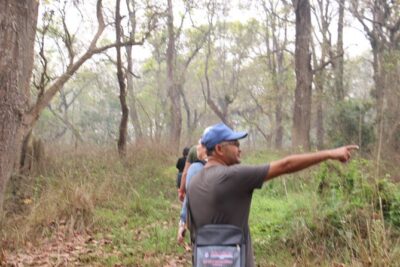
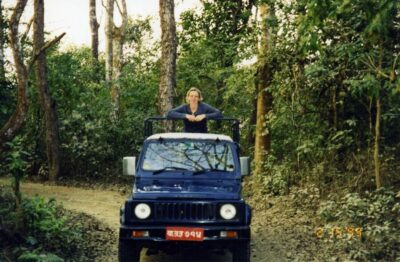
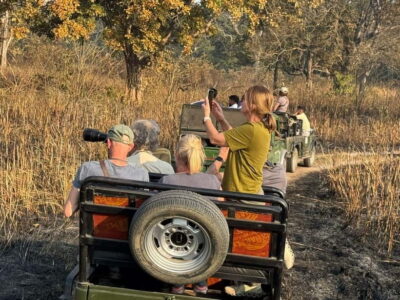
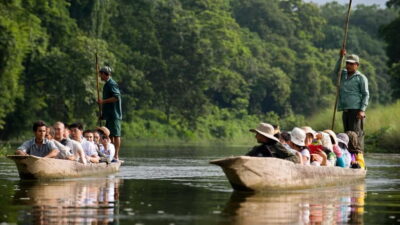
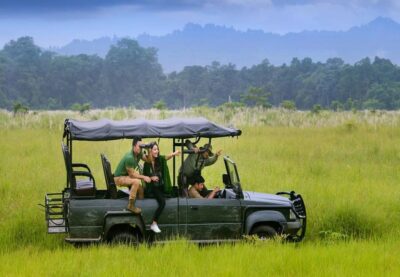
Day 3 is more specific. After breakfast, you go inside the national park for a jeep safari plus jungle and non-jungle activities like canoeing and a jungle walk.
This is one of the most praised parts of the whole itinerary. If you like getting out of the vehicle and using multiple ways of seeing wildlife, Day 3 fits that style. Jeep safari is about covering ground and tracking animals. Canoeing and jungle walks tend to slow the pace and change how you spot movement.
Pack for comfort: you’ll likely want shoes you can handle outdoors, and you’ll want layers because mornings can feel cooler than you expect, then warm up as the day goes.
Day 4 to 5 in Pokhara: lakes, caves, Devi’s Fall, and Seti River Gorge

Pokhara is the middle of the trip’s “cool to hot” idea, but it’s also where your eyes get a break from monuments. The road into Pokhara takes about 12 hours, with typical hilly roads and views of jungles and rivers along the way.
The transfer day matters because it explains why Pokhara sightseeing is focused and packed into Day 5. You’ll sleep at the lakeside area, then wake up to the main natural stops.
Day 5 at Phewa Tal: the lake, the temple, and the mountain reflection
Day 5 starts with Phewa Tal (also spelled Fewa). It’s described as the second-largest lake in Nepal. You’ll get lake scenery with jungle surroundings and a reflection of the Fishtail mountain mentioned in the description. There’s also a Barahi temple in the middle of the lake.
This is the stop that helps you understand Pokhara at a glance. It’s calm, scenic, and tied to local worship, not just tourism photos.
Phewa Tal is listed as free, so it’s one of the easiest wins on the day.
Gupteswar Gupha: a Shiva cave near Devi’s Fall
Next is Gupteswar Gupha, a cave described as about 3 km long, with an entrance nearby Devi’s Fall. Cave means gupha in Nepali, and Hindu worship to Lord Shiva (Mahadev) is mentioned. Entrance fees are listed as not included.
Caves can feel physically awkward depending on how your body handles uneven stone, but the main thing here is the mix of religion and nature. If you’re comfortable walking through cave spaces, this is a memorable stop.
Devi’s Fall: PATALE CHHANGO
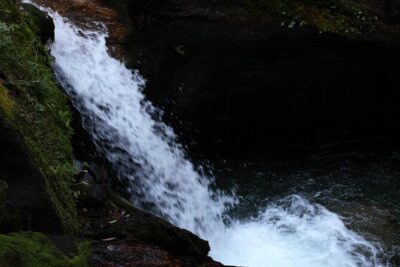
Then you’ll visit Devi’s Fall, also known as PATALE CHHANGO by local people. It’s listed as a shorter stop, about 30 minutes, and admission is not included.
Even with a short time slot, this one works because it’s visually distinctive. If you like quick payoff stops, Devi’s Fall delivers.
Bindhya Basini Temple: goddess Bhagabati
After Devi’s Fall comes Bindhya Basini Temple, dedicated to the goddess Bhagabati for good power. Time is about 30 minutes and entry is not included.
This stop keeps the tour from feeling like only scenery. You get another religious landmark, but tied directly to the Pokhara area rather than Kathmandu heritage.
Seti River Gorge: white water and a deep cut
You’ll finish Day 5 with Seti River Gorge. Seti means white, and you can see white water in the river. The description highlights a deep gorge formed by the Seti River.
This is a good closer for the day because it feels dramatic after the smoother lake and temple stops. Admission is listed as not included.
Day 6: Sarangkot sunrise, then back to Kathmandu (or fly)

Day 6 is a “start early, then wrap up” day. The plan takes you to Sarangkot Hill for sunrise views. Sarangkot is specifically called out as popular for sunrise and for mountain viewpoints in the early morning.
The itinerary then says you return to the hotel for breakfast. After that, you drive back to Kathmandu by tourist bus or private car, or you can fly back to Kathmandu as an extra.
This structure is practical. Sunrise is time-limited, so you avoid losing the whole morning. Then breakfast anchors the day before the travel push back.
The itinerary also references Thamel, which is a well-known Kathmandu hub. The takeaway for you is simple: expect a day that ends back in Kathmandu territory, so plan your next plans accordingly.
Price and logistics: where the $600 value really comes from

The price listed is $600 per person for a roughly 6-day package. That sounds like a lot until you see what it includes.
What you get included
You’re covered with:
- Pickup offered and airport pick up and drop off
- Lunch included
- Dinner (2) included
- Breakfast (3) included
- Hotels in Chitwan and Pokhara, twin sharing with breakfast
- Ground staff salary and insurance
- All government taxes and official expenses
- Mobile ticket mention
This matters because Nepal travel costs can pile up when you pay everything separately, especially for transport and guided time. Here, you’re paying for a stitched-together plan, not just sightseeing access.
What you should budget extra
Not included:
- International flight
- Nepal entry visa (available on arrival at the airport)
- Accommodation and food in Kathmandu aside from breakfast
- Entrance fees at heritage sites in Kathmandu and Pokhara
So the real value question becomes this: can you handle a bit of extra budgeting for entry fees and your Kathmandu stay? If yes, the price starts looking reasonable for a structured culture-to-wildlife arc with hotels and multiple guided segments.
The booking timing angle
It’s noted that, on average, people book about 22 days in advance. If you’re closer to your travel date, expect you’ll need to confirm details faster. This kind of combo tour runs on tight scheduling, so earlier booking tends to reduce stress.
The human side: guides and a worry-free feeling

The trip is private, meaning only your group participates. That’s a big deal in Nepal, where timing can vary and where you want someone to be the translator between you and the logistics.
The guide names Bhim and Ankita show up in feedback, and the theme is consistent: the team helps you feel taken care of, with drivers and guides who make things run smoothly. There’s also praise for responsiveness and easy contact, meaning questions do not turn into a long waiting game.
This matters on a tour like this, because you’re mixing city heritage, long drives, and outdoor activities. When communication is quick, the whole trip feels lighter.
Hotel quality also shows up in feedback. One Chitwan stay is described as having AC, a pool, and great food, in a unique wild resort setting. Not every hotel will match that exact description for every departure, but it’s a good sign that comfort is taken seriously, not only logistics.
What the itinerary feels like, day by day, for real-world travelers

Here’s how the schedule generally lands in terms of energy.
- Day 1 Kathmandu: concentrated walking and religious sites. You’ll want comfortable shoes and a calm pace.
- Day 2 Chitwan: transit plus settlement plus planned park time. Expect a day that uses your energy but doesn’t require extreme effort.
- Day 3 Chitwan: the active wildlife day with jeep safari, canoeing, and jungle walk. This is the day to be well rested.
- Day 4 Pokhara: long drive, so you’ll want to treat it like transit first, sightseeing later.
- Day 5 Pokhara: lots of short stops clustered around water and caves and viewpoints. This is where you get variety fast.
- Day 6 sunrise and return: early start plus breakfast plus travel back toward Kathmandu.
If you like variety and can handle movement between bases, you’ll probably enjoy this. If you prefer slow travel, with one area at a time and lots of free time, you might feel the schedule is tight.
Who should book the Kathmandu Pokhara Chitwan combo
This tour is a strong match if you:
- Want a first-time Nepal overview that covers big cultural sights, lakes, and wildlife
- Prefer a guided plan with transport and hotels handled in key parts of the route
- Like mixing religious and natural sites instead of doing only museums or only trekking
- Want Chitwan activities that include jeep safari and time on the water
It’s less ideal if you:
- Plan to spend a lot of time in Kathmandu itself beyond Day 1, since Kathmandu accommodation and most meals are not included
- Hate early mornings, since Sarangkot sunrise is built into Day 6
- Want zero extra costs, because entrance fees for several stops are not included
Should you book this Kathmandu Pokhara Chitwan tour?
If your goal is a tight, well-structured “culture plus nature plus wildlife” Nepal trip, this package makes sense. The value comes from having major transport segments, key meals, and hotels in Chitwan and Pokhara lined up, while you focus on experiences rather than coordination.
Before you book, do two quick checks: confirm how you’ll handle Kathmandu lodging and entrance fees, and decide if the schedule pace feels right for you. If you can say yes to both, you’ll likely come away with a Nepal story that feels varied, memorable, and efficient.
FAQ
What is included in the price?
The package includes lunch, breakfast (3 times), dinner (2 times), airport pickup and drop-off, hotels in Chitwan and Pokhara with twin sharing and breakfast, and coverage for ground staff costs and government taxes.
Are entrance fees for temples and attractions included?
No. Entrance fees at heritage sites in Kathmandu and Pokhara are listed as not included. Some stops are listed as free, while others are marked as not included.
Is accommodation included in Kathmandu?
No. Accommodation and food in Kathmandu are listed as not included, aside from breakfast. Hotels are provided in Chitwan and Pokhara.
How do you travel between cities?
You drive by tourist bus or private car for the transfers mentioned in the itinerary, including Kathmandu to Chitwan and Chitwan to Pokhara, and then back toward Kathmandu on Day 6 (or you can fly back as an extra).
What wildlife and activities are included in Chitwan?
Chitwan includes jungle safari time, specifically a jeep safari plus other activities like canoeing and a jungle walk.
What is the cancellation policy?
Free cancellation is available. You can cancel up to 24 hours in advance for a full refund. If you cancel less than 24 hours before the start time, the amount paid is not refunded.
More Tours in Kathmandu
More Tour Reviews in Kathmandu
Not for you? Here's more nearby things to do in Kathmandu we have reviewed


Chitwan Safari Tours from Kathmandu, compared.
 ★ 5.03-Day Chitwan National Park Jungle Safari Tour Package with Pick UpFrom $180184 reviews
 ★ 4.6From Kathmandu/Pokhara: 3-Day All-Inclusive Chitwan SafariFrom $149133 reviews
 ★ 4.63-Day Chitwan Safari Tour with Hotel TransfersFrom $151127 reviews
 ★ 4.7Kathmandu/Pokhara: 3 Day Chitwan Jungle Safari TourFrom $12987 reviews
 ★ 5.03 Nights 4 Days Chitwan National Park with Tower Night StayFrom $35041 reviews
 ★ 4.7From Kathmandu/Pokhara: Private 3-Day Chitwan Safari TourFrom $16834 reviews
 ★ 4.52 Days Chitwan Jungle Safari Tour from Pokhara/KathmanduFrom $11727 reviews
 ★ 5.012-Day Nepal Adventure Trek with Jungle SafariFrom $95026 reviews
Browse the lists this tour appears in