
REVIEW · 4-DAY EXPERIENCES
4 Days Pikey Peak Trek : The Best View of Mt Everest
Ever want Everest views in four days? This Lower Khumbu trek to Pikey Peak is a short, gentle way to catch sunrise drama and feel the daily rhythm of Sherpa village life, with sweeping Himalayan panoramas. One practical catch, though, is the long drive, you should expect a big 8-hour jeep or van ride out and back.
I like that it feels properly local, not just a viewpoint stamp. Guides such as Pemba, Sukbir Tamang, and Ngima chhechi Sherpahe are highlighted for keeping things smooth, and that matters when weather and energy levels are doing their own thing. You also get a small-group setup, limited to 8 people, so you are not hiking like you are in a shuttle line.
The altitude is moderate by Himalayan standards, topping out at 4,065m on Pikey Peak, but it is still high enough to take pacing seriously. If you drink water, move slowly, and follow the recommended approach after the summit day, the trip tends to feel manageable for many travelers.
Key Things I’d Prioritize Before You Go
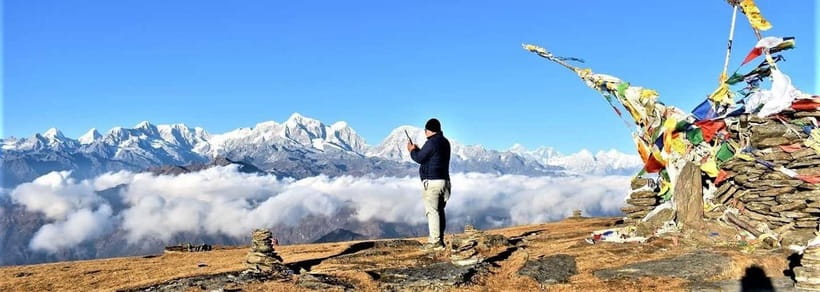
- Sunrise at Pikey Peak (4,065m), with Everest-area views that feel earned, not rushed.
- Sherpa village time and Buddhist monasteries along the route, so this is more than a single lookout.
- Lower Khumbu trail flavor, including rhododendron forests and alpine meadows when conditions are right.
- Pacing with a 2-step climb, resting at Pikey Base Camp (3,640m) before the summit push.
- Long, scenic transport days, including the Kathmandu to Dhap drive and the return ride.
- Small group, max 8, which usually means better flow on trail and in lodge check-ins.
Why Pikey Peak Gives You Everest Energy Without the Big Trek
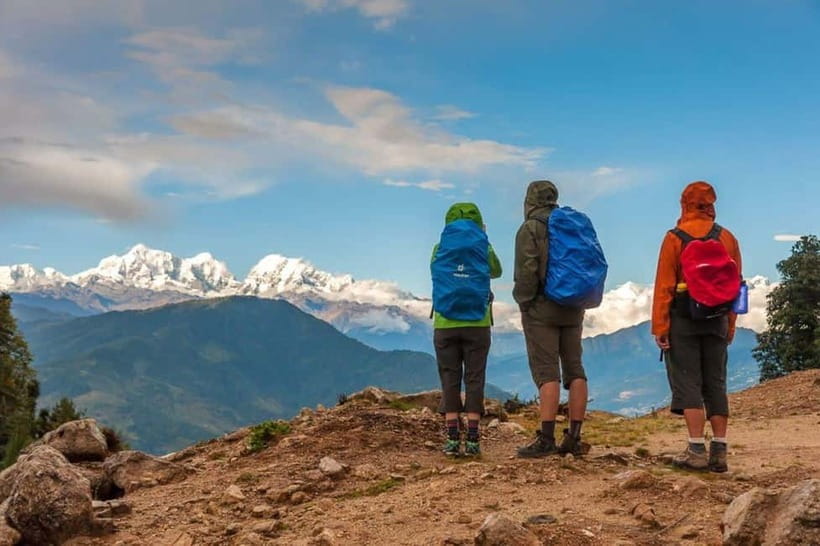
If your goal is the feeling of Everest, but you do not want weeks of trekking, Pikey Peak is one of the smartest options close to Kathmandu. You get a high viewpoint experience, plus plenty of human scale moments on the trail: villages, monasteries, and daily life you can actually watch instead of just passing through.
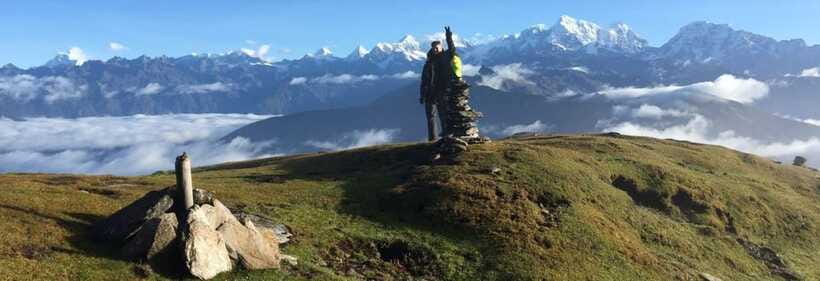
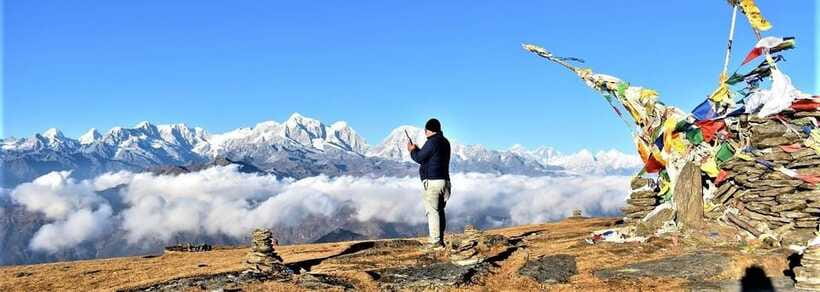
The view payoff is the headline. From Pikey Peak you can scan from Kanchenjunga in the east across to Dhaulagiri in the west, and there is a famous glimpse of Mt. Everest itself. Even when the weather is not perfect, the wide panorama often still delivers that jaw-drop moment, because you are looking across multiple major Himalayan ranges, not just one peak.
What I like most is the balance. You are not “locked” into one long day of hauling yourself uphill. The trek includes several full trekking days with gradual acclimatization, and it mixes nature with culture, so the trip feels like travel, not just a climb.
You can also read our reviews of more hiking tours in Kathmandu
Kathmandu to Dhap: The 8-Hour Drive That Shapes Your Expectations
Plan your mindset for the transport day. You get pickup from Thamel, and then the tour uses a private jeep or van to move you between Kathmandu and Dhap, with the transfer described as about 8 hours each way.
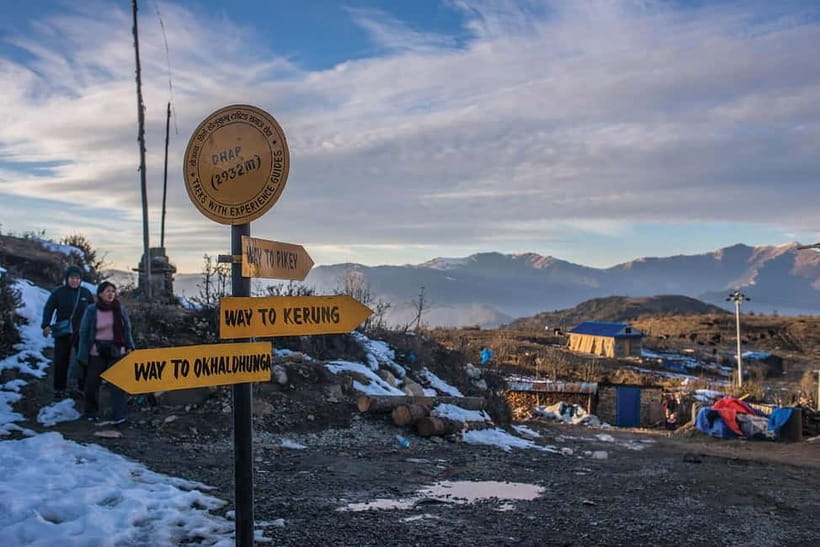
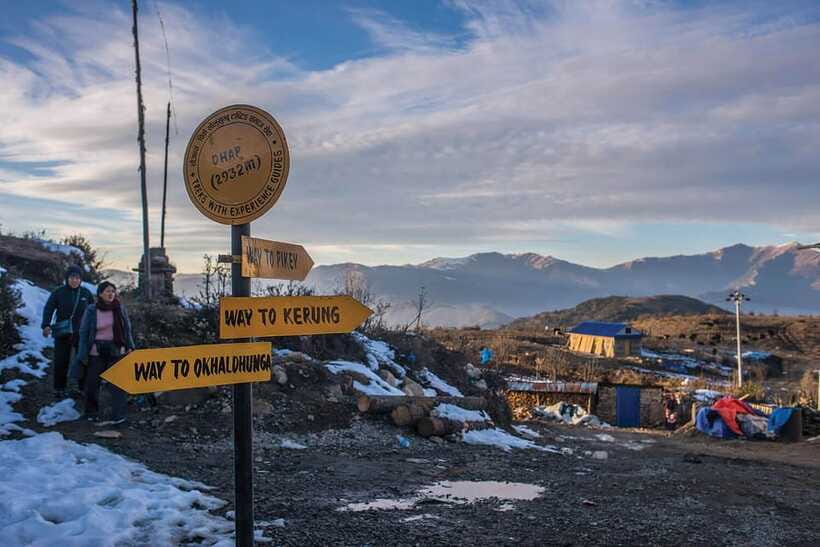
That long ride can feel tiring, but it also sets you up in a good way. You start seeing rural Nepal quickly, including the Sunkoshi River corridor, forests, and terraced rice fields. On the way, you also get glimpses of Tibetan-influenced village life in places like Kerung, plus monasteries that sit quietly in the surrounding terrain.
In the reviews, people consistently call out the long drive, and the key detail is that it is worthwhile when the weather cooperates. If you go in expecting it to take time, you lose less patience when your legs are still waiting to stretch.
Day 1 to Jhapre (2,820m): Rice Terraces, Kerung Monasteries, and Your First Lodge Night
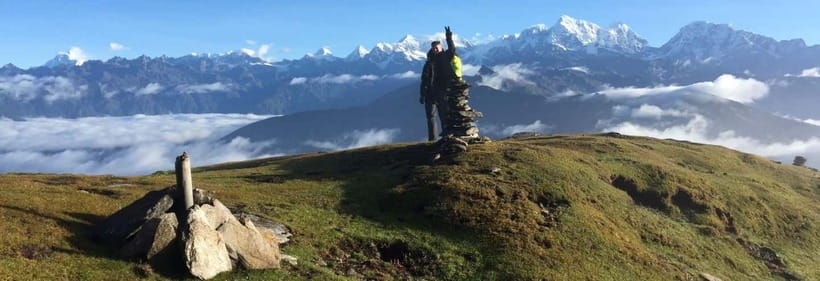
Day 1 is all about getting into the rhythm. After the drive from Kathmandu to Dhap Bazaar, you hike toward Jhapre, reaching about 2,820m. You start with a mix of countryside scenery, then shift into trail time through landscapes that often include wild orchids and that Tibetan-influenced atmosphere you might notice around monasteries.
A standout detail on day 1 is the stop around Kerung, where you can see Buddhist monasteries along the route. It is not a museum stop. It is more like observing how faith and geography share the same space, with small structures tucked into the hillsides.
Your first night is in a local lodge. Rooms are twin sharing, with blankets provided. The lodge stays are basic but cozy, which is a good match for a short trek. Also important: a porter is not included, so on day 1 you want to keep your own load realistic. A light day pack can make the whole trek feel calmer.
Day 2 to Pikey Base Camp (3,640m): Quiet Stupas and a Smart Breathing Break
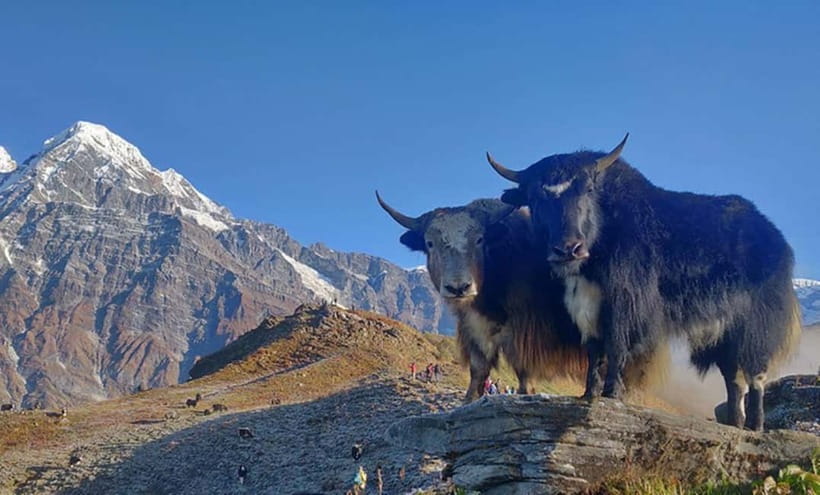
This is the day that turns the trip from “interesting walking” into “Himalaya mode.” You hike for around 6 hours to Pikey Base Camp at 3,640m.
The trail here comes with slow, scenic structure: stone walls, ancient stupas, and monasteries that sit along the path. In practical terms, this kind of trail helps you acclimatize without feeling like you are climbing on a stopwatch. You still get altitude, but you get time to adjust your pace.
Pikey Base Camp is described as the second-highest point on the trek, and that is exactly why it matters. You are not going straight from low altitude to a summit. You rest at a high point first, then the summit day feels like a “top out and come back down” plan instead of a single exhausting leap.
That matters for your comfort. Even though Pikey Peak is not extreme altitude by Himalayan standards, mild AMS can still happen. You cannot treat altitude like a checkbox. Drink water, walk slower than your ego wants, and keep your expectations flexible.
Day 3 to Pikey Peak (4,065m) and Back to Jhapre: The Sunrise Moment and the Descent You Earn
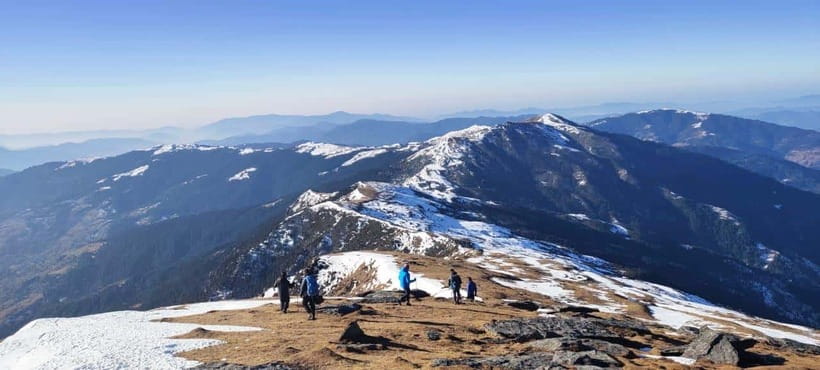
This is the core day. You trek toward Pikey Peak at 4,065m, with the summit walk taking about 1.5 hours once you reach the right starting point. Then you enjoy the big panoramic views, and after that, you descend.
From the top, you can take in Kanchenjunga to Dhaulagiri, and the highlight is seeing Everest. That part is not just poetic. It is the reason people choose this trek at all: you get a clear view corridor across multiple giants, with Everest as the main star.
In the reviews, the summit experience is where it clicks. People talk about excellent weather luck and how their guide helped them feel ready for the viewpoint. Names that came up include Sukbir Tamang, who is praised for making sure the hike to the top happened in a good way, not in a stressed way.
After soaking up the view, you head back down. The itinerary indicates about 6 hours of hiking total in this day flow, finishing back in Jhapre for the night. This down-and-rest pattern is helpful because it gives your body a chance to recover after the summit.
Altitude tips to treat as non-negotiable here:
- Drink plenty of water
- Walk slowly
- Avoid alcohol
- Follow the guidance to sleep lower after the summit day
These are small actions, but on a high viewpoint day, they can be the difference between a “great summit” and a “summit with regrets.”
A few more Kathmandu tours and experiences worth a look

Day 4 Down to Dhap and Back to Kathmandu: Your Legs Might Be Tired, Your Head Won’t Be
Day 4 is the reset. After breakfast, you trek to Dhap, then drive back to Kathmandu. This is when the trip feels complete, because you get both the hiking finish and the return to city comfort.
The practical value of finishing like this is simple: you do not end with more altitude climbing. You end with descent, then a transport ride. It is a good structure for a short trek, especially if you have limited time in Nepal.
Back in Kathmandu, you are dropped off at your hotel. The day will not feel dramatic like the summit, but it often feels satisfying in a different way: you can look at your photos and remember what the route felt like, not just what the peak looked like.
Lodges and Food: Basic, Cozy, and Built for Real Trekking Time
This trip uses teahouses and lodges. Expect rooms for twin sharing with blankets. Comfort is basic, but the setup is designed for short Himalayan stays, so it is usually warm enough to rest and recover.
Food is also straightforward, with options including dal bhat, noodles, soup, eggs, potatoes, Tibetan bread, and tea or coffee. Breakfast is included during the trek nights, but meals and beverages are not included otherwise. That is normal for Nepal tea house treks, and it is worth planning a little spending money for lunch and dinner.
A few comfort details that can matter:
- Hot showers are available in some lodges, but may cost extra
- Electricity can be limited, so charge devices when you can
- Wi-Fi and cell signal are not guaranteed, but NTC and Ncell can work in most villages, with patchy coverage
Because of the limited connectivity, a power bank is a smart idea, and a headlamp makes early starts on summit day easier.
Guides, Pace, and Why Small Groups Feel Better on Trail
A huge part of the experience is the guide relationship. You get an experienced English-speaking trekking guide, and the group is limited to 8 participants. That size is small enough that you can keep a steady rhythm, and it is large enough for social comfort.
In the reviews, guide quality shows up as confidence and good pacing. People mention that their guides made sure they enjoyed the trek, and names that were specifically praised include Pemba and Sukbir Tamang, plus Ngima chhechi Sherpahe, who is described as friendly and helpful.
What does that mean for you? It means your summit day is less likely to turn into a scramble. A good guide can adjust for conditions, keep you from charging too fast, and help with practical decisions when the trail, weather, or energy level shifts.
If you are a beginner, or if you want a short trek without getting overwhelmed, that guidance is a real value. It can turn a “walk until you reach the goal” day into a “reach the goal feeling good” day.
Price and Value: What $350 Actually Buys You
The listed price is $350 per person for a 4-day trek. When you look at what is included, it starts to make sense for a short trip.
Included:
- Experienced English-speaking trekking guide
- Necessary permits and government taxes
- Private jeep or van from Kathmandu to Dhap and back
- Hotel pickup and drop-off in Kathmandu
- Lodge accommodation during the trek with breakfast
Not included:
- Meals and beverages
- Porter
- Personal expenses
So where is the value? You are paying for the logistics and leadership that most people struggle to DIY safely. The private transport also matters because you are not just starting from a trailhead near the city. You are doing a long drive and then transferring into a walking route where cash and planning matter.
You should also decide how much you value having someone manage permits. For a short trek, that convenience is worth real money. If you already enjoy planning permits and arranging transport, you might see the price differently. For most people, paying for everything bundled with a guide is the easier win.
Who This Trek Suits Best (And Who Should Skip It)
This is a short Himalayan adventure that fits travelers who want Everest-area views without a long commitment.
You’ll likely love it if you:
- Have limited time but want a high viewpoint experience
- Prefer a calmer route with no huge crowds
- Care about culture, so you enjoy villages and monasteries
- Like photography or bird watching, since the route includes forests and meadows
It is also positioned for beginners and families, with moderate altitude rather than extreme technical climbing.
It is not suitable for pregnant women, based on the provided activity details.
Packing List That Works for This 4-Day Schedule
Even on a short trek, conditions can shift. Your best strategy is layers and smart basics.
Bring:
- Trekking boots (broken in)
- Layered clothing: base layer, fleece, down jacket, waterproof shell
- Gloves, hat, and a buff or scarf
- Sunglasses and sunscreen
- Headlamp
- Water purification tablets or a filter
- Snacks like energy bars and nuts
- A small first aid kit (include altitude and stomach medicine)
- Power bank, because electricity can be limited
- Sleeping bag if you prefer your own, though lodges provide blankets
You do not need to pack like you are climbing Everest. But you do need to be ready for cold mornings and a summit day that starts early.
Seasons and Weather: When You’re Most Likely to See Everest Clearly
You get the best chance of clear visibility in spring (March to May) and autumn (September to November). These seasons also line up with nicer scenery: rhododendrons in spring and generally reliable conditions later in the year.
Winter (December to February) can still bring clear skies, but it will be cold. If you choose winter, dress for real cold, not just cool air.
And keep your expectations flexible. One of the strongest themes in the reviews is weather luck paired with excellent views. That is not something you can control, so plan with calm optimism and good preparation.
Should You Book the 4-Day Pikey Peak Trek?
If you want Everest-area views in a short window, with village culture and a well-paced plan, I think this trek is a strong choice. The blend of a manageable summit altitude, a rest day at Pikey Base Camp, and the chance to take sunrise in from Pikey Peak makes the route feel efficient.
Book it if:
- You want a short trek close to Kathmandu
- You are okay with basic lodges and limited included meals
- You understand that you will handle a long drive out and back
I would think twice if you strongly dislike long travel days, want all meals included, or expect full porter support. Also, if altitude worries you, stick to the recommended pace and the water, slow-walking, and sleep-lower guidance.
If you match the trip to your style, the payoff can be huge: sunrise, monasteries, Sherpa culture, and a panorama that hits Everest on your way to the top of Pikey Peak.
FAQ
How high do I reach on the Pikey Peak trek?
You reach Pikey Base Camp at 3,640m and Pikey Peak at 4,065m.
What is included in the $350 price?
The price includes an English-speaking trekking guide, necessary permits and government taxes, private jeep or van Kathmandu to Dhap and back, hotel pickup and drop-off in Kathmandu, and lodge accommodation with breakfast during the trek.
What is not included?
Meals and beverages, porter service, and personal expenses are not included.
How long is the drive from Kathmandu to start the trek?
The transfer is described as about 8 hours, and the route is generally listed as 7 to 9 hours by jeep or bus.
Is there cell coverage on the trail?
NTC and Ncell work in most villages, but coverage is patchy.
Do I need my own sleeping bag?
A sleeping bag is listed as something you should bring if you prefer your own. Lodges provide blankets, so you may be able to travel without one depending on your comfort level.
More 4-Day Experiences in Kathmandu
More Hiking & Trekking Tours in Kathmandu
More Tour Reviews in Kathmandu
Not for you? Here's more nearby things to do in Kathmandu we have reviewed


4-Day Experiences, compared.
 ★ 5.04 Days Poon Hill TrekFrom $40594 reviews
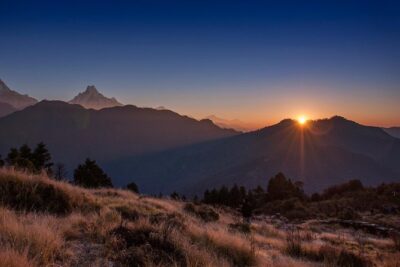 ★ 5.04-day Poon Hill TrekFrom $40074 reviews
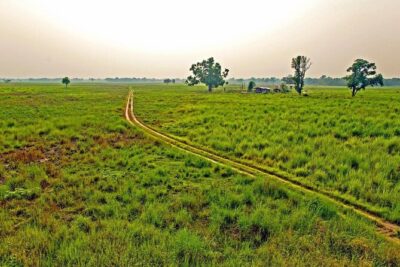 ★ 5.03 Nights 4 Days Chitwan National Park with Tower Night StayFrom $35041 reviews
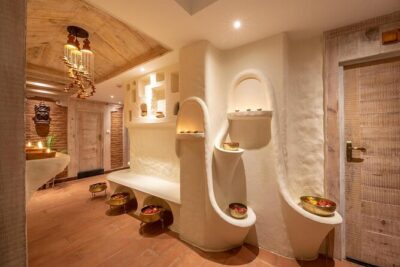 ★ 5.03 night 4 Day Yoga & Ayurveda Retreat to Detox the Body & Mind, NepalFrom $30037 reviews
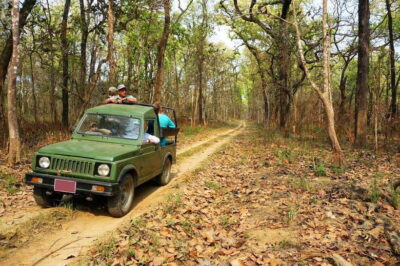 ★ 4.8From Kathmandu/Pokhara: 2, 3, or 4-Day Chitwan Jungle SafariFrom $3524 reviews
★ 4.43 Nights 4 Days Chitwan National Park with Tower Night StayFrom $42414 reviews
★ 4.8From Kathmandu/Pokhara: 2, 3, or 4-Day Chitwan Jungle SafariFrom $3524 reviews
★ 4.43 Nights 4 Days Chitwan National Park with Tower Night StayFrom $42414 reviews
 ★ 5.0Bhutan Tour- 4 DAYS 3 NIGHTSFrom $1,8996 reviews
 ★ 5.0Bhutan 4-Day Private Tour from KathmanduFrom $1,1805 reviews
Browse the lists this tour appears in