
REVIEW · CHITWAN SAFARI TOURS FROM KATHMANDU
3-Day Guided Safari Tour in Chitwan National Park in Nepal
Wildlife. Culture. One three-day plan.
I like how this tour pairs Chitwan National Park sightings with real community life in the Tharu village, so it feels more than just driving around looking for animals. On day one, you’re set up with hotel/resort support, then you head into the park area and finish with the kind of cultural evening that makes the region click.
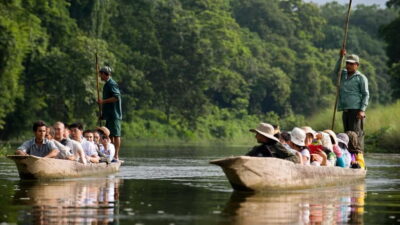
What I also like is the pacing on day two, with bird watching and then a canoe ride on the Rapti River, which is a practical way to spot wildlife close up without rushing. The main thing to consider is that some of what you see depends on conditions, like weather and river/wildlife activity, so if you expect guaranteed rhino sightings every day, you may feel slightly impatient.
Key highlights you will actually feel
- Small group size (max 10) keeps the guide from disappearing and helps you move at a sensible pace
- Rapti River canoeing gives you a different angle for wildlife than a jeep safari alone
- Tharu village time plus cultural show means you learn local traditions, not just park facts
- Bird watching in the morning is built in, so you get the calm hours when wildlife activity can be better
- Two nights focused in Chitwan gives you time to settle, not just race through
- Coordinated transfers from Kathmandu reduce stress on a long drive day
3 days in Chitwan: what the schedule really means

Chitwan works because it is not one single activity. This plan spreads your time across the park and the surrounding human world, so the days feel varied even when you stay in the same region. You spend time in protected habitat, then you switch to village culture and back to river and forest wildlife.
It also helps that the group stays small, with a maximum of 10 travelers. In practice, that usually means fewer long waits, quicker questions answered, and less of that awkward herd feeling. You will still be on a guided program, but you are not stuck in a giant tour bus line.
Price-wise, $199 per person for a 3-day guided safari experience with meals included is fairly direct value. The tradeoff is what is not included: drinks and personal expenses. So if you drink a lot of bottled water, sodas, or cocktails, factor that into your budget.
You can also read our reviews of more guided tours in Kathmandu
Day 1: Kathmandu to Chitwan, then Tharu culture and a jeep safari
Day one is your long travel day. You start with about a five-hour drive from Kathmandu to the Chitwan area. When you arrive, the hotel or resort staff greet you and handle the transfer to your accommodation. That matters because Chitwan is not a place you want to figure out on your own after a travel day.
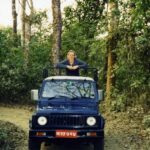
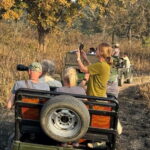
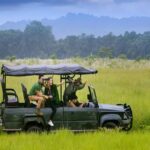
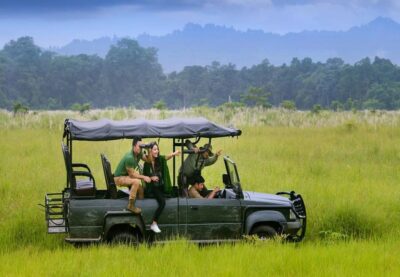
Once you settle in, you step into the mix of park and people. You get a Tharu Village Tour and an exciting jeep safari as part of the same day flow. The point here is not just motion. Jeep time is a practical way to cover ground in a short period, especially as the light changes and you want multiple chances for wildlife sightings.
In the evening, you get a Tharu Cultural Show. This is one of the most enjoyable parts for many people because it adds context. You are learning how local life fits around the environment you are visiting. It also softens the transition from safari mode to rest mode. After a full day, that evening performance is a nice reset.
A small timing note that can affect your comfort: since day one includes both transfer and activities, you may want a light day bag with water, sunscreen, and something for insect bites. Chitwan’s warmth and bugs can be real, even when the plan is well organized.
Day 2: morning birds, then Rapti River canoeing for close wildlife moments
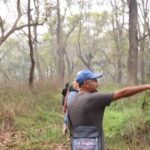
Day two starts calmly, with early tea and then bird watching. This is a smart choice for two reasons. First, birds often show activity earlier in the day. Second, bird watching trains your eyes for small movements, which can make you notice animals and signs during later parts of the day.
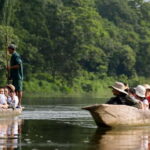
You then move into the next wildlife format: a canoe ride along the Rapti River. This is where the day earns its name as more than a standard safari loop. Canoeing puts you on the water and changes the rhythm. Instead of scanning from a moving vehicle, you are quieter, slower, and positioned for what comes to the river edge.
The ride is specifically geared toward wildlife viewing, including crocodiles sunbathing along river banks and other animals near the water. Even if you do not see a crocodile in your exact moment, the canoe format helps because your perspective is closer and lower than you get from land.
One practical mindset tip: on the river, you cannot control what appears. If you fixate on one target, you can miss the rest. I recommend you watch for the full set of signs, like movement at the edge, birds making noise, and sudden ripples that may indicate animals just out of sight.
Day 3: the return drive to Kathmandu, Pokhara, or Lumbini
Day three is your wrap-up day. You drive back from Chitwan to Kathmandu or onward to Pokhara or Lumbini. The travel time listed is about five hours, so plan for a final long sitting day.
This structure is good because it prevents you from feeling trapped in an endless travel loop. You get two nights in Chitwan for the main experiences, then you return after you have done the core wildlife and cultural elements. If you are pairing this with another Nepal stop, day three makes the handoff easier.
Packing-wise, I suggest you keep your safari clothing and a spare layer separate. The early start and river time can mean you are wet, sweaty, or chilly depending on conditions, even in warm seasons. Having a dry option helps your comfort for the ride back.
What you are really paying for in this tour
The big value in this price is the mix of transportation, guidance, and meals. The tour includes breakfast (2), lunch (2), and dinner (2), which is a real cost saver in Nepal where food adds up quickly when you are out all day.
Also, this is built around a guided itinerary with specific activities rather than a vague plan of see-what-happens. That reduces uncertainty. You will know what your day looks like and what order you do things in, which helps you manage energy.
Where you need to be mindful: drinks are not included. If you like having bottled water constantly, you may spend more than you expect. Personal expenses are also on you, so bring only what you truly need, and keep some cash aside for small add-ons.
Finally, group size matters for value. With a maximum of 10 travelers, you are more likely to get timely attention from your guide when you have questions. People also seem to connect well with the coordination support, especially with the way the Kathmandu side is handled by staff linked to the operator, including Mani mentioned as a key organizer in feedback.
A few more Kathmandu tours and experiences worth a look
The safari experience: what to expect, realistically
Chitwan is a place where animals live in their own schedule. That is true for any safari area in the world, but it is worth saying plainly here: the best you can do is show up ready and let the guide work the conditions.
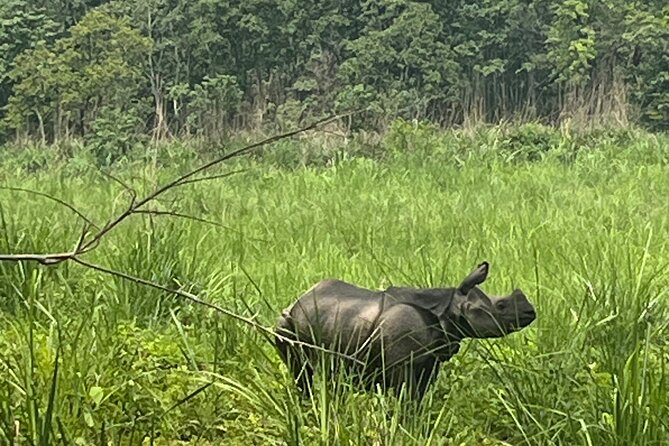
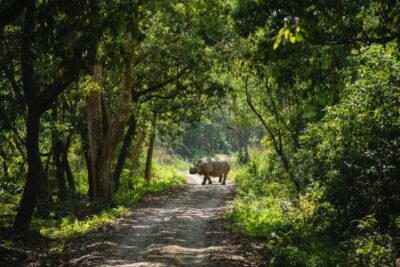
Based on feedback from past experiences, people commonly enjoy seeing wildlife, including large animals such as rhinos and also other animals in the natural habitat. The emphasis should be on the overall wildlife experience rather than a promise of a single species every day.
What you can control is your preparation:
- Wear sun protection and comfortable shoes for forest and village walking time
- Bring insect repellent and light layers, since mornings and evenings can feel different
- Keep your camera charged, but also accept that wildlife moments can be brief
- Stay flexible with timing and follow the guide’s cues around river and park areas
Also, the tour’s structure helps you cover more wildlife opportunities. Day one includes jeep safari style movement. Day two adds bird watching and canoeing. That combination increases your odds of meaningful sightings without spending the whole time driving.
Culture in Chitwan: Tharu village time that adds meaning
A lot of wildlife trips feel thin on culture. This one tries to fix that. The Tharu Village Tour gives you a window into local life, and the evening Tharu Cultural Show gives you a shared moment where you can understand what you are seeing beyond the park boundaries.
Even if your main interest is animals, the culture stop matters because it helps explain how people coexist with the natural setting. Chitwan is not a museum. It is a lived-in region, and your visit makes more sense when you spend time with the community side.
If you prefer low-pressure cultural encounters, this itinerary is generally a good fit because it does not require you to do anything extreme. It is guided and structured, which is helpful if you are short on time in Nepal.
Who this tour suits best
This tour is a good match if you:
- Want two full days focused in Chitwan with wildlife and cultural variety
- Prefer a small group and organized day flow rather than independent planning
- Enjoy river-based wildlife viewing as much as land-based safari viewing
- Value having meals included, so you do not spend your day hunting for food
It may be less ideal if you are the type who wants total freedom every hour, since you will be following a guided schedule and doing set activities each day. It can also feel a bit fast if you are hoping for a long, multi-day hike style experience.
Should you book this 3-day Chitwan safari?
If your goal is a well organized, value focused Chitwan experience with both wildlife and Tharu culture, I think it is a solid booking. The combination of jeep time, morning bird watching, and Rapti River canoeing is a smart way to see the region from multiple angles within a short visit.
I would still check two things before booking. First, make peace with the idea that wildlife sightings depend on nature, not on checklists. Second, budget for drinks, because the tour meals are included but not your beverages.
If you want an efficient introduction to Chitwan that still feels human and not just mechanical, this is the kind of 3-day plan that works.
FAQ
What is the duration of the Chitwan National Park tour?
The tour lasts 3 days (approximately).
What does the tour cost per person?
The price is $199.00 per person.
Are pickup and tickets included?
Pickup is offered, and you receive a mobile ticket.
What meals are included?
The tour includes breakfast (2), lunch (2), and dinner (2).
What activities are included during the 3 days?
You can expect Chitwan National Park time, Tharu Village activities, a jeep safari, Tharu Cultural Show, bird watching, and canoe rides along the Rapti River.
Where does the trip start and how do you travel to Chitwan?
The tour starts in Kathmandu, and you travel by road, with about a five-hour drive to reach Chitwan.
Where do you go on the last day?
On day three, you drive back from Chitwan National Park to Kathmandu or Pokhara or Lumbini.
Can I cancel for a full refund?
Yes. You can cancel up to 24 hours in advance of the experience for a full refund. If you cancel less than 24 hours before the start time, the amount paid is not refunded.
More Guided Tours in Kathmandu
More Tours in Kathmandu


More Tour Reviews in Kathmandu
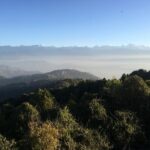
Not for you? Here's more nearby things to do in Kathmandu we have reviewed


Chitwan Safari Tours from Kathmandu, compared.
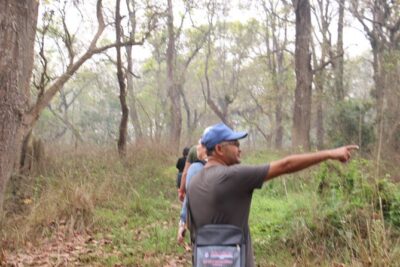 ★ 5.03-Day Chitwan National Park Jungle Safari Tour Package with Pick UpFrom $180184 reviews
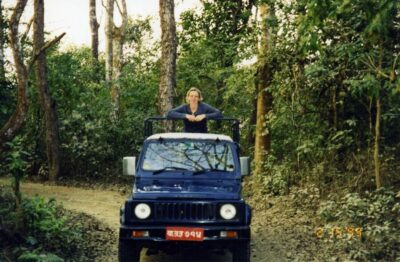 ★ 4.6From Kathmandu/Pokhara: 3-Day All-Inclusive Chitwan SafariFrom $149133 reviews
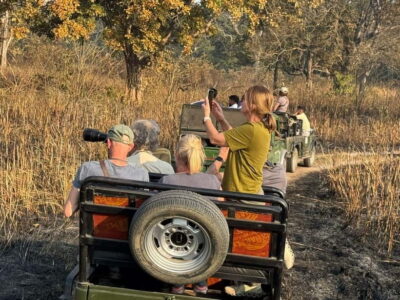 ★ 4.63-Day Chitwan Safari Tour with Hotel TransfersFrom $151127 reviews
 ★ 4.7Kathmandu/Pokhara: 3 Day Chitwan Jungle Safari TourFrom $12987 reviews
 ★ 5.03 Nights 4 Days Chitwan National Park with Tower Night StayFrom $35041 reviews
 ★ 4.7From Kathmandu/Pokhara: Private 3-Day Chitwan Safari TourFrom $16834 reviews
 ★ 4.52 Days Chitwan Jungle Safari Tour from Pokhara/KathmanduFrom $11727 reviews
 ★ 5.012-Day Nepal Adventure Trek with Jungle SafariFrom $95026 reviews
Browse the lists this tour appears in