
REVIEW · WALKING TOURS
Walking tour of real Kathmandu through back streets.
A Kathmandu street walk can feel like a puzzle you solve. This one strings together the city’s daily life with major cultural stops, from Ason bazar to Kathmandu Durbar Square, plus the lanes around Indra Chowk and Freak Street. I especially like how the route is built around ordinary neighborhood scenes, not just landmark photos, and how the licensed guide, Anil Manandhar, brings the stories to what you’re actually seeing.
My second favorite part is the mix of sacred and everyday. You’ll move between Hindu temples, Buddhist stupa areas, public courtyards, and the busy open-air market where people come for vegetables and groceries. In past tours with Anil, people have mentioned highlights like seeing the Pachali Bhairav dance at the palace, so there’s a good chance you’ll catch a meaningful cultural moment while you’re there.
One thing to plan for: entrance fees are not included, and the tour needs good weather. If you’re visiting in rain-prone days, it can change your schedule, so build in some flexibility.
Key highlights to look for

- Ason bazar as the city’s open-air “everyday supermarket”
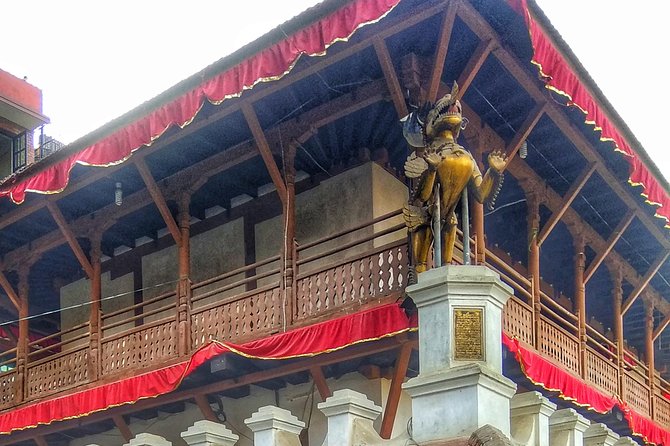
- Kathmandu Durbar Square with Kumari Temple and major palace courtyards
- Indra Chowk and the market-to-temple transitions you can feel on foot
- Hanuman Dhoka Palace area, with possible performance moments like Pachali Bhairav
- Freak Street lanes that show Kathmandu’s layered identity
Walking Kathmandu the smart way, using back streets

If your Kathmandu plan is mostly monuments and museum time, this style of walking tour gives you something else: the rhythm of the city as people live it. The back streets matter because they connect the big names you came for (Durbar Square, Kumari Temple, Hanuman Dhoka Palace) with the small things that make the place feel real, like the market energy and the tight courtyards around temples.
The group format is also a practical plus. This is priced for a group up to 10, and it’s private, so your guide can slow down when you have questions, or nudge you toward quieter lanes when you need a breather. For a city where a wrong turn can cost time, having a licensed guide is value you feel fast.
You can also read our reviews of more walking tours in Kathmandu

Meeting at Garden of Dreams, then heading into the city’s working heart
You start at the Garden of Dreams area on Tridevi Sadak. That matters because it’s a calmer point to regroup before you head into busier neighborhoods. From there, you’re on foot through Kathmandu streets that lead you toward the Durbar Square complex and the surrounding market corridors.
The timing is built around a half-day window. The listed hours run daily from 9:15 AM to 2:15 PM, and the walk is about 3 to 4 hours. If you’re the type who likes to see one big area well instead of bouncing around all day, this format usually fits perfectly.
What I’d recommend you do before you go: keep your camera ready, but also keep your senses open. Markets and temple areas reward attention to details like the flow of people, how locals move through spaces, and how guides explain the “why” behind what you’re seeing.
Kathmandu Durbar Square: Kumari Temple, courtyards, and layered faith

Kathmandu Durbar Square is the anchor of this walk, and it’s not just one site. It’s a cluster of sacred spaces and public gathering points, and your guide helps you read it as a living complex.
Here’s what you can expect in the Durbar Square area:
- A blend of Buddhist stupa spaces and Hindu temples, so you see how different traditions share cultural space
- Public courtyards and open areas where people move through daily routines
- Stops tied to major named spots like Kumari Temple and the Hanuman Dhoka Palace area
Kumari Temple is the kind of place that instantly draws focus, because it is widely associated with the living tradition of the Kumari. Even if you don’t know the background going in, a good guide makes it understandable without turning it into a lecture. You’ll also get a sense of how temple compounds function as both spiritual centers and community spaces.
One practical note: temple courtyards can have rules about where you can stand or how you should move. Your guide will help you navigate this, so don’t rush ahead. Slow down, ask when needed, and you’ll get more out of the experience than you would trying to “power-walk” it.
Ason bazar: the open-air market where you see daily Kathmandu
If Durbar Square is the cultural headline, Ason bazar is the daily-life story. This market is described as Kathmandu’s traditional and ancient market place, and you’ll understand why once you’re in it. It’s essentially an open super market in the way locals use it, with vegetable and grocery sections that show what people are buying and preparing.
This is one of the best stops for getting a real sense of the city’s texture because it’s not staged for tourists. You’ll see:
- Market movement that feels constant, because shoppers come and go
- People focused on practical purchases, not sightseeing
- The contrast between market bustle and nearby sacred spaces
If you’re curious about Kathmandu food culture, markets are where you learn the basics quickly. Even if you don’t plan to eat street food (that’s your call), you can still use the market stop to learn how locals think about ingredients and daily needs.
Do keep your expectations grounded. Markets can be crowded and visually intense. If you get overwhelmed easily, tell your guide and they can pace you through the busier lanes.
Indra Chowk and the streets in-between: where landmarks connect
The tour also includes Indra Chowk, which is part of the Kathmandu street network that links major areas together. The value here is less about a single photo point and more about how walking through these areas helps you understand spatial relationships.
On foot, you experience the city’s transitions:
- From public square energy into market streets
- From everyday shopping lanes to temple courtyards
- From formal landmark areas to more intimate back-street views
This is exactly the kind of connection that’s hard to replicate if you only use taxis or if you stick to a single “tour route.” Walking makes the city’s geometry feel intuitive, so you’ll likely remember the layout later when you’re exploring on your own.

Freak Street lanes: Kathmandu’s layered, human side
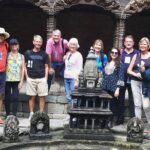
Freak Street is famous, but what makes it worth including is not the label. It’s the fact that it sits inside a city that is still very much itself. This walking segment helps you see Kathmandu beyond the most famous tourist nodes by moving through lanes that reflect Kathmandu’s changing history and cultural mixing.
I like this part because it adds contrast. After you’ve spent time in sacred spaces and the structured intensity of markets, Freak Street feels more like a human story you can watch in motion. You get to see street life and the “in-between” atmosphere that often gets skipped by strict sightseeing days.
If you’re uncomfortable with crowds or loud street scenes, it can still be manageable, but go in with a flexible mindset. Your guide can help you keep moving and avoid getting stuck in the busiest pockets.
Hanuman Dhoka Palace and possible Pachali Bhairav moments
The Hanuman Dhoka Palace area is one of the most important stops in the complex, and your guide will connect it to the surrounding courtyards you’ve already been walking through. This is where architecture and tradition start to feel like they’re part of the same conversation.
One specific highlight mentioned in Anil Manandhar’s guiding work is the possibility of seeing Pachali Bhairav dance at the palace. That’s a meaningful cultural moment, and it’s the kind of thing that turns a standard walk into a memory you won’t forget.
Because performance schedules aren’t listed in the tour details you provided, think of this as a potential bonus you might catch while you’re in the palace area. The real takeaway, though, is that the guide helps you recognize what you’re seeing, and that’s often more important than whether a single performance happens on your specific day.
Price and logistics: what you’re really paying for

At $68 per group (up to 10 people), this tour is positioned as a value-friendly way to cover several major stops within a short time. You’re not paying per person for each individual site. You’re paying for the guide service and time management, and for navigating a dense area where self-guided walking can waste hours.
What’s not included is admissions or entrance fees. That means your final spend depends on what fees apply during your visit. The good news is you’ll know this ahead of time, and your guide can help you plan around it.
Duration is about 3 to 4 hours, which is long enough to feel like a complete experience, but short enough that you’re not locked into a full-day commitment. It’s also a good fit if you want to save energy for later visits, like another temple, a museum stop, or a slower dinner.
Two quick practical tips:
- Wear shoes that can handle uneven ground and lots of walking.
- Bring a simple plan for weather. The tour requires good weather, so if rain shows up, you’ll need to be ready for a change.
Who this Kathmandu street tour suits best
This walking tour fits best if you want Kathmandu to feel like a place where people live, shop, pray, and move through daily life. It’s especially good for:
- First-time visitors who want an efficient introduction without feeling rushed
- Travelers who like guided context, not just sightseeing checklists
- People who enjoy markets and temple architecture in the same day
- Small groups who prefer a private guide and a controllable pace
If you only want panoramic viewpoints or you prefer transport between sites, you might find walking less satisfying. But if you enjoy streets, crowds, and close-range cultural contact, this is the right kind of itinerary.
It’s also worth noting the guide’s experience. From what’s been shared, Anil Manandhar has decades of guiding background, including other Kathmandu temple routes like Pashupatinath on major days. That track record matters, because it usually translates to clearer explanations and better on-the-ground decision-making.
Should you book this Kathmandu back-streets walk?
I’d book it if you want a guided, high-signal walk that connects Ason bazar and Kathmandu Durbar Square with the neighborhoods between them. The price per group makes it easy to justify, and the private format helps you get answers instead of just following a crowd.
You should think twice if entrance fees would throw off your budget, or if your travel dates have unstable weather. Since the tour depends on good conditions and the walking time is concentrated, it works best when you can keep your schedule flexible.
If you’re aiming for Kathmandu that feels lived-in, this is a strong choice. You’ll leave with more than photos, you’ll understand how the city’s sacred sites and daily market life fit together.
FAQ
How much does the Kathmandu walking tour cost?
It’s $68.00 per group (up to 10 people).
How long is the tour?
The tour lasts about 3 to 4 hours.
What is included, and what is not included?
A licensed guide service is included. Entrance fees are not included.
Where do we meet, and where does the tour end?
You meet at the Garden of Dreams, Tridevi Sadak, Kathmandu 44600, Nepal. The tour ends back at the meeting point.
Is this tour private?
Yes. It’s a private tour or activity, so only your group participates.
What are the tour hours?
The listed hours are Monday through Sunday, from 9:15 AM to 2:15 PM.
What is the cancellation policy?
Free cancellation is available up to 24 hours before the experience starts for a full refund. If it’s canceled due to poor weather, you’ll be offered a different date or a full refund.
More Walking Tours in Kathmandu

More Tours in Kathmandu
More Tour Reviews in Kathmandu
Not for you? Here's more nearby things to do in Kathmandu we have reviewed


Walking Tours, compared.
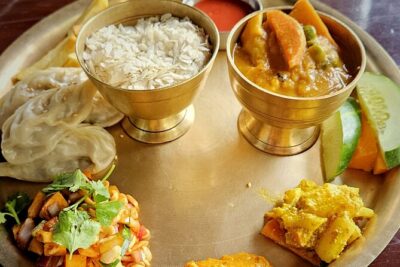 ★ 5.0Kathmandu Food and Drink Walking TourFrom $36266 reviews
★ 4.9Food and Drink Walking TourFrom $28119 reviews
★ 5.0Kathmandu Food and Drink Walking TourFrom $36266 reviews
★ 4.9Food and Drink Walking TourFrom $28119 reviews
 ★ 5.0Walking Street Food Tour in KathmanduFrom $48111 reviews
 ★ 5.0Walking Food Tour in Hidden Local Eateries of KathmanduFrom $3640 reviews
 ★ 5.0Kathmandu Walking TourFrom $2636 reviews
 ★ 5.0Old Kathmandu Walking Tour, Historic World Heritage Durbar SquareFrom $2822 reviews
 ★ 5.0Smells of Kathmandu Walking Day TourFrom $2820 reviews
 ★ 5.0Guided Walking Tour with Monkey TempleFrom $1518 reviews
Browse the lists this tour appears in