
REVIEW · TOURS
Nepal Cultural Highlights Tour in 10 Days
A first taste of Nepal, with fewer logistics headaches. I like the small-group feel (max 10) because you get actual back-and-forth time with your English-speaking guide, and I like the private driver and vehicles because you can focus on the views instead of road math. One thing to keep in mind, though, is that you will sit in the car a lot, including a few longer drives between regions.
This tour is built for people who want the big sights without building a plan from scratch. You hit major cultural stops in Kathmandu Valley, then you switch gears to wildlife time in Chitwan, and finish with mountain views in Pokhara before winding down with Bandipur and an airport transfer.
The value is strongest if you are a first timer, or if you just want someone to manage transfers, hotels, and activities so you can spend your energy on experiences, not schedules. The price is $1,699, and it mainly pays for comfort, guidance, and transportation, not for a pile of extra add-ons.
Key Highlights You Will Feel Immediately
- Max 10 people keeps conversations, questions, and pacing more personal
- Private transfers by vehicle mean less waiting and easier cross-region travel
- Kathmandu Valley UNESCO focus across Durbar Squares, stupas, and sacred temples
- Chitwan National Park on the Rapti River with canoe time and wildlife sightings
- Pokhara sunrise at Sarangkot for the classic Himalaya-and-lake perspective
- World Peace Stupa and Bandipur add calmer end-of-trip views and old-town charm
Why This 10-Day Nepal Loop Works So Well
Nepal is not a country where everything is close. Distances add up, roads take time, and planning separate bookings can turn into a full-time job. This tour is designed around that reality. You get moved between Kathmandu, Chitwan, Pokhara, and the other key stops with all land transport handled.
I also like the structure for the way it balances energy levels. You start in Kathmandu with big cultural landmarks, then switch into outdoors time in Chitwan, and finish with scenic viewpoints around Pokhara. That mix is helpful when you do not want your trip to feel like a single long museum day.
One practical perk: because the tour includes an English-speaking local guide and manages your ground logistics, you do not get stuck figuring out language barriers, local timing, or how to coordinate multiple transport legs.
You can also read our reviews of more tours and experiences in Kathmandu.

Kathmandu Day: Durbar Square, Swayambhunath, and Two UNESCO Stupas
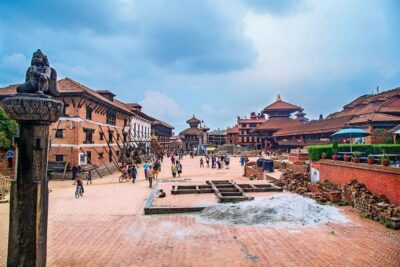
Kathmandu is where you learn Nepal’s rhythm fast. On Day 2, you start at Kathmandu Durbar Square, with old temples and the kind of architecture you notice more the longer you look. This is not about speeding through, it is about getting your bearings: where the old city sits, what the carvings look like, and how religious life is woven into everyday space.
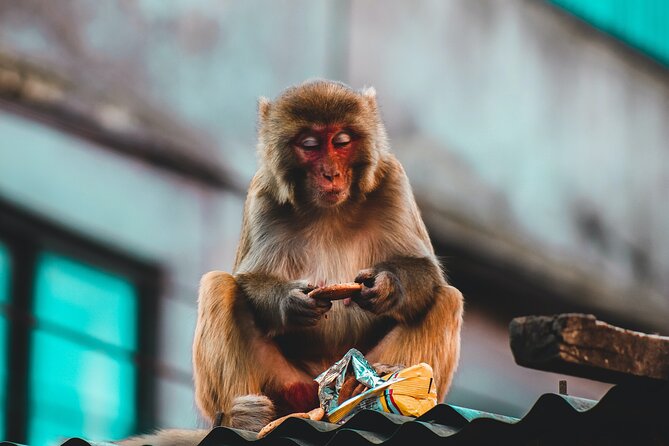
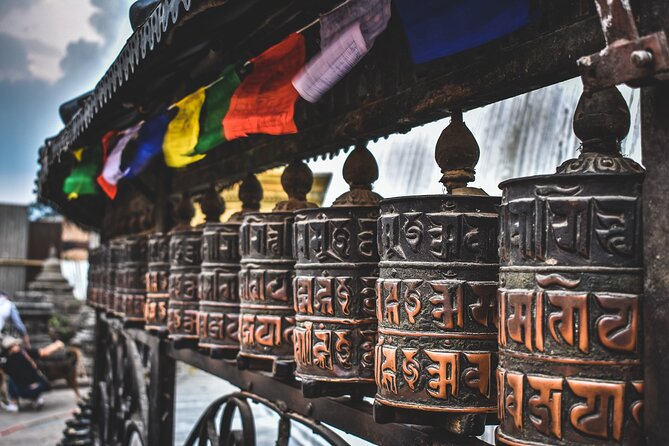
From there, you head to Swayambhunath Stupa, also called Monkey Temple, perched on a hill. The climb is part of the experience, and the views help. Even if you are not looking for monkeys specifically, you will notice the temple’s hilltop position and the way it pulls people upward from street level.
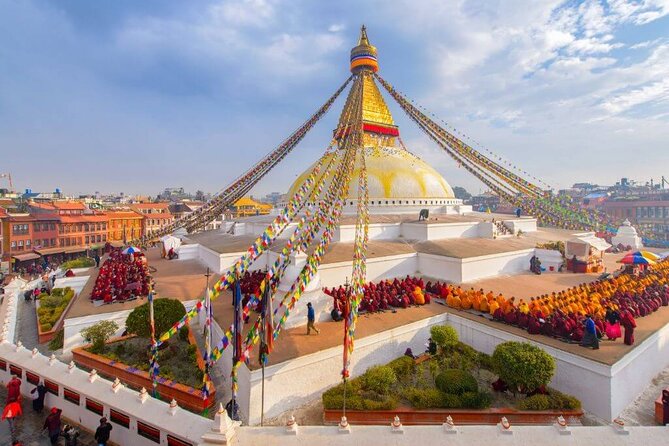
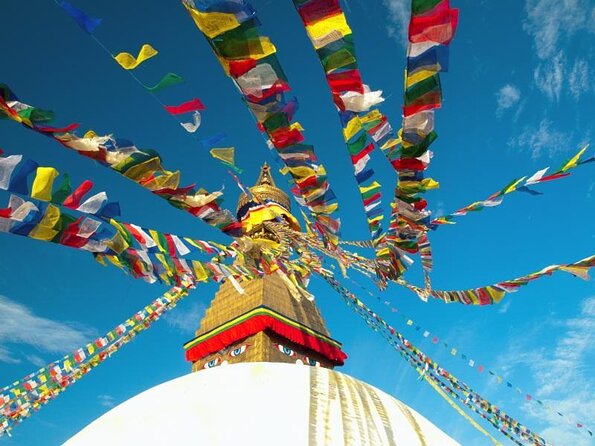
Next comes Boudhanath Stupa, one of the biggest stupas in the world and a UNESCO World Heritage site. This is where the mood changes. You get time to breathe, have lunch, and observe devotees and rituals in a calmer setting. It is a good pause after busier Durbar Square moments.
Pashupatinath in the Evening: Sacred Space, Real Life Along the Bagmati
After the stupa circuit, you go to Pashupatinath Temple, an important Hindu pilgrimage site along the Bagmati River. It is also known as a place where cremation ceremonies take place, which means the atmosphere is meaningful in a way you cannot fake.
The evening timing matters. Lighting shifts how stone, river, and prayer spaces look, and it can feel more human, less staged. Just bring respect and patience. Keep your distance where people are participating, dress appropriately, and remember that this is a working religious site, not a sightseeing set.
Patan and Bhaktapur: When Details Replace the Rush
By Day 3, you leave the main Kathmandu feel and step into the deeper texture of the valley. Patan Durbar Square is your first stop. This is another UNESCO World Heritage site area, and it gives you a chance to compare styles and layouts with what you saw earlier in Kathmandu.
You are also guided toward a temple focus in Patan, including the Krishna Temple (as listed in the tour). That kind of targeted stop helps break up the idea that all Durbar Squares look the same. They do not.
Then you move to Bhaktapur Durbar Square, one of the largest and best-preserved medieval city centers from the Malla period. The best part here is not only the monuments, it is the sense of daily traditions continuing around them. You even get a feel for local crafts like pottery, which adds a practical link between heritage and modern life.
If you like slower travel moments, Bhaktapur is a great day-spot for that. If you hate walking in uneven stone streets, wear shoes you can trust.
Chitwan National Park: The Big Change From Temple Stone to River Life
Day 4 is a drive day, about 160 kilometers southwest from Kathmandu to Chitwan National Park. The payoff is that your trip stops feeling like one city after another. You shift into lowland Nepal, more open sky, and a wildlife-centered pace.
What I like about arriving with transport already handled is simple: you do not lose the first wildlife hours to paperwork or late starts. You get there as part of a plan.
Day 5 then makes the connection to nature real. You go canoeing on the Rapti River, with the chance to observe Marsh Mugger and Gharial crocodiles resting by the river. Even if you do not see everything every day, being on the water gives you a different angle than a drive-by safari style.
Canoe time also tends to slow the mind down. You are not scanning for temples. You are listening, watching shore edges, and learning how animals use the river edge.
Bird Watching and Lumbini Time: Meaningful Stops Between Wildlife Hours
Day 6 is a thoughtful pivot. You get bird watching around the Rapti river bank, and your guide explains different bird species you might spot. This is a great move for travelers who want more than one type of nature experience. It is not just about crocodiles or cars, you get a chance to focus on the smaller, quieter details.
The day also includes Lumbini as a stop on the schedule. Lumbini is often associated with deep spiritual meaning, and pairing it with Chitwan’s wildlife focus creates a nice contrast. One day can hold both contemplation and outdoors energy, and this tour tries to do that rather than forcing a strict either-or approach.
If you are the kind of traveler who likes a mix of nature and culture, this combo is one of the tour’s smarter choices.
Pokhara: Sarangkot Sunrise for the Classic Himalaya View
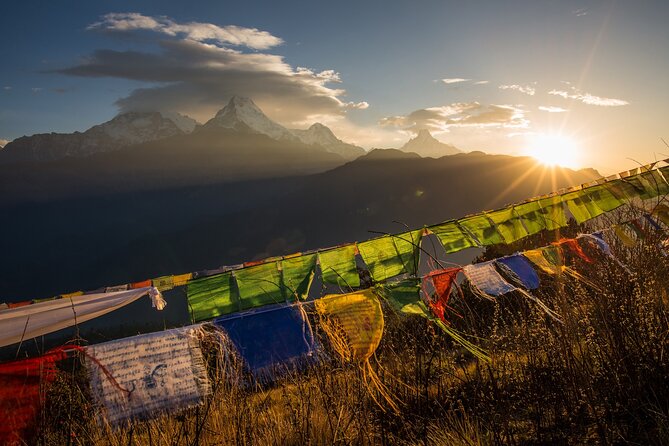
After Chitwan and the mid-trip stops, Day 7 drives you to Pokhara. The route follows the Siddhartha Highway, connecting the Terai region with the mountain region. On long travel days, this is where having a driver makes a bigger difference than you might think. You get to look out and enjoy, instead of constantly bracing for navigation tasks.
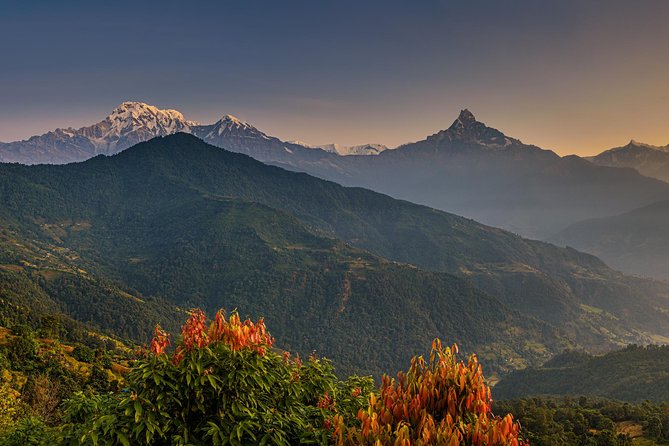
Day 8 starts early with Sarangkot for sunrise. You are there specifically for the Himalayan mountain views, including the big idea of 8000+ meter peaks. Sunrise timing can be cold and slow, so pack something warm and be ready to wait a bit before the light really hits.
After sunrise, you get breakfast (as listed). Then the day turns to waterfalls and caves.
Devi’s Fall and Gupteshwor Cave: Unique Water Features, Easy Half-Day Flow
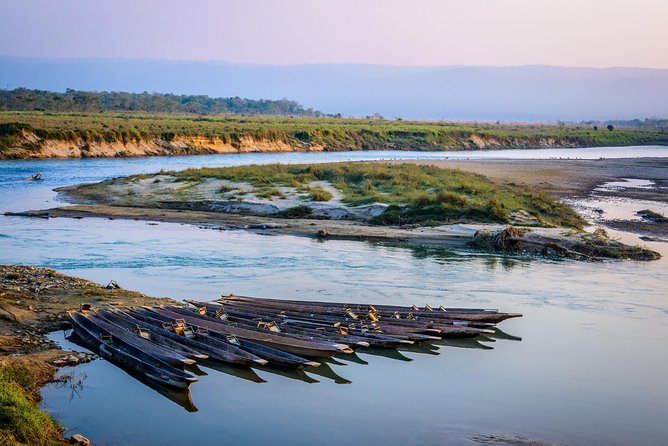
You visit Devi’s Fall, and the standout detail is that the waterfall continues underground. That makes it different from a typical scenic waterfall stop.
Next is Gupteshwor Cave, located across the street from Davis Waterfall in the area. You can see the flow of the waterfall from inside the cave. This is one of those Nepal moments where geography and water create a photo opportunity that feels a little like science and a little like myth.
The tour then heads toward your hotel, which matters because these kinds of stops can stack up quickly in real tiredness. Having the day end with travel back gives you recovery time for your last full days.
World Peace Stupa, Bandipur, and the End-Trip Feel
Even after waterfalls and caves, Day 8 adds one more viewpoint: the World Peace Stupa. It is a white-domed Buddhist monument symbolizing peace, built by Japanese monks, and it sits on a hilltop with views over the Himalayas and Phewa Lake.
Day 9 brings a different tempo. You drive back toward Kathmandu with a stop in Bandipur, an old town with a bit of charm and a slower feel. You get about an hour there to explore, plus lunch at your own expense before continuing onward.
This is the part of the trip that helps you land softly. Instead of finishing Nepal with only airport logistics, you get a short old-town pause.
On Day 10, you get transferred to Kathmandu International Airport around 3 hours before departure, which is exactly when you want to be thinking about flights.
Price and What You Are Actually Paying For
At $1,699 for 10 days, this tour has a straightforward value story. You are paying for:
- All land transportation by private vehicle
- Hotel accommodation
- An experienced, English-speaking local guide
- Government and local taxes
- Entrance fees for World Heritage Sites
- Meals that are listed as included: breakfast 9 times, plus 2 lunches and 2 dinners
Tipping is not included, and neither is travel insurance. Drinks and beverages also are not included, and donations in temples or schools are not included. That matters because in Nepal, small additional costs can add up fast if you do not plan for them.
One possible confusion point is meals. The tour includes specific meal counts, but the exclusions mention food for everywhere except Chitwan. So I would budget for extra meals and snacks beyond what is listed as included, especially for lunch or dinner on days where only some meals are covered.
If you hate micromanaging budgets, you might spend less time thinking and more time eating with snacks between planned meals. If you are a careful spender, plan your lunches and beverages around what is included.
Who This Tour Fits Best (And Who Might Feel Cramped)
This experience fits best if you:
- Want a first-time Nepal overview without building your own plan
- Prefer a small group with guidance instead of solo navigation
- Enjoy cultural landmarks, then wildlife time, then scenic viewpoints
- Like knowing where you will sleep each night, because accommodations are handled
You might feel less thrilled if you:
- Easily get tired of long car days between Kathmandu, Chitwan, and Pokhara
- Need very flexible free time each day, because the schedule is built around guided stops
- Expect a lot of meals and drinks included, since drinks and extra food are not covered across the board
The core strength is comfort with structure. It is not trying to be an ultra-adventurous, independent backpacking trip. It is trying to make Nepal feel doable and meaningful in 10 days.
Trust Factor: A Tour That Tries to Keep You Out of Trouble
This operator shows strong social proof with a 4.9 out of 5 rating from 40 reviews and a 100% recommendation rating listed. In a country where you will find many tour options, that matters.
What I like about the design is that it reduces the most common stress points: airport pickup, transfer routing, hotel management, and an English-speaking guide for explanations and timing. When you are juggling multiple regions, those “small” fixes are often the difference between enjoying your trip and constantly checking schedules.
Should You Book This Nepal Cultural Highlights Tour?
Book it if you want an efficient, guided Nepal sampler with private transport, a small group, and a balance of temples, UNESCO sites, river wildlife, and mountain views. The route makes sense for a 10-day window, and the included support (guide, hotels, taxes, and key entrance fees) helps you avoid the planning drain.
I would skip it if you want total freedom and lots of unscheduled time, or if you know you hate car-heavy days. If you are good with being moved from place to place and you want the major Nepal highlights handled for you, this is a solid choice.
If you do book, plan your packing for early mornings in Pokhara, wear comfortable shoes for Durbar Square streets, and keep a bit of cash or card ready for drinks, tips, and meals not listed as included. That way, the trip stays fun instead of stressful.
FAQ
How big is the group on this Nepal Cultural Highlights Tour?
The tour has a maximum of 10 travelers, and it is a small-group experience for more personalized attention.
Is airport pickup included?
Yes. On your arrival at Kathmandu International Airport, a driver will be waiting outside the terminal to transfer you to your hotel in Thamel.
What parts of Nepal does the tour cover?
You visit Kathmandu (including Kathmandu Durbar Square, Swayambhunath, Boudhanath Stupa, and Pashupatinath), Patan Durbar Square, Bhaktapur Durbar Square, Chitwan National Park, Lumbini, Pokhara (including Sarangkot, Devi’s Fall, Gupteshwor Cave, and World Peace Stupa), and Bandipur before returning to Kathmandu.
What meals and admissions are included?
The tour includes breakfast 9 times, lunch 2 times, and dinner 2 times. It also includes entrance fees for World Heritage Sites, plus government and local taxes.
Are tips, travel insurance, and drinks included?
No. Tipping for the guide and driver is not included. Travel insurance is not included, and drinks or beverage bills are not included.
Can I cancel for a full refund?
Yes. Free cancellation is available if you cancel at least 24 hours in advance of the experience start time for a full refund.
More Tours in Kathmandu
More Tour Reviews in Kathmandu
Not for you? Here's more nearby things to do in Kathmandu we have reviewed


Tours, compared.
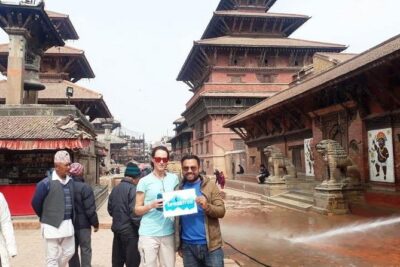 ★ 5.0Private Kathmandu Sightseeing Tour | UNESCO World Heritage sitesFrom $17756 reviews
 ★ 5.0Everest Base Camp Helicopter Tour landing at Everest View HotelFrom $1,575668 reviews
 ★ 5.0Full Day 7 UNESCO Tour with Lunch – Private/GroupFrom $10415 reviews
 ★ 5.0Private Bhaktapur and Nagarkot Day Tour From KathmanduFrom $20305 reviews
 ★ 5.0Full Day Top 4 UNESCO Tour with Lunch – Private/GroupFrom $10269 reviews
 ★ 5.0Kathmandu Food and Drink Walking TourFrom $36266 reviews
 ★ 5.0UNESCO Seven World Heritage Tour in KathmanduFrom $180253 reviews
★ 4.9Full-Day 7 UNESCO Tour with Lunch – Private/GroupFrom $5247 reviews
★ 5.0UNESCO Seven World Heritage Tour in KathmanduFrom $180253 reviews
★ 4.9Full-Day 7 UNESCO Tour with Lunch – Private/GroupFrom $5247 reviews