
REVIEW · TOURS
Nepal and Bhutan Tours
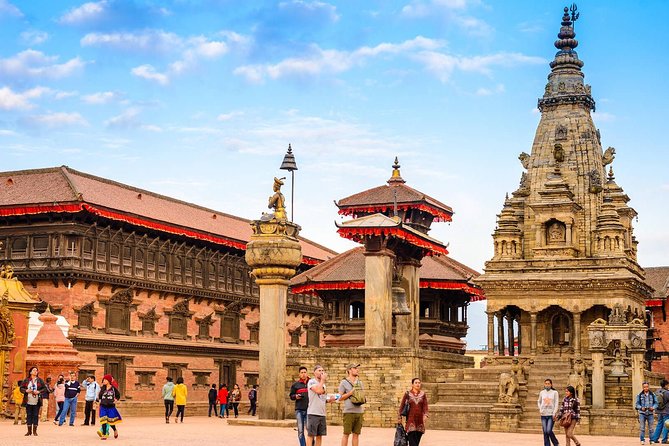
A change of altitude and a switch of temples can do wonders for a trip. This Nepal and Bhutan plan strings together Kathmandu heritage and Bhutan monasteries, with sunrise views and private driving that keeps the day from feeling like a marathon. I especially like the way it mixes big-name cultural sites with slower mountain moments, and I like that the Tiger’s Nest hike is built into a real route from Paro. One thing to weigh: the Bhutan portion needs solid stamina, and some days start early to make the most of weather and light.
Because this is a private tour (just your group) with professional guide and driver support, you get smoother pacing than a squeeze-you-in group bus. You’ll also get a clear sense of value for your $1,400, since many entries, hotel nights, and key transfers are packaged together. The possible drawback is that the plan depends on flight timing and good conditions, so weather hiccups can affect sunrise views and hikes.
Key points before you go
- Private vehicle, guide, and driver support: You are not coordinating connections on your own.
- Sunrise timing, then a flight to Paro: You get early mountain light and an efficient jump into Bhutan.
- Kathmandu classics with hilltop views: Swayambhunath, also called the monkey temple, is a standout stop.
- Punakha Dzong and river confluence area: You see why this site matters spiritually and historically.
- Tiger’s Nest at the end of a long drive day: Includes the Taktsang monastery ticket, with a hike from Ramthangkha.
- 3-star hotels in both Nepal and Bhutan: You keep comfort during the travel days.
Value and price, what $1,400 buys you
At $1,400 for roughly 8 days, this tour is aiming at “less hassle, more coverage.” I like that you’re not just paying for a guide’s time. You’re also paying for a private vehicle in Nepal and Bhutan, hotel stays at 3-star level, and the logistics pieces that normally eat up your energy.
The included items are a big part of the value story. Your plan lists welcome dinner, lunch, meals in Bhutan (breakfast, lunch, dinner, plus mineral water), museum fees and special entry fees, and the airfare between Kathmandu and Paro (and back). You also get a professional tour guide and driver with their salary and meal support.
There is one detail you should sanity check before you pay: Nepal visa fee is listed as not included, even while a general visa fee is shown under included. So confirm what you personally need for Nepal versus Bhutan, based on your nationality.
You can also read our reviews of more tours and experiences in Kathmandu.
Day 1 in Thamel: arrival walking plus a welcome dinner
You start in Kathmandu with a 7:15 am start time at Tribhuvan Airport. That early anchor helps if you land, clear formalities, and want to keep the day useful instead of waiting around.
In the evening you head to Thamel, Kathmandu’s tourist district, for a relaxed walk and a welcome dinner. This is the kind of first night that works well if you want a gentle landing, not a rushed sightseeing sprint.
A practical note: Thamel is lively and shop-heavy, so it’s easy to overdo browsing. I’d treat this first evening as orientation time, get your bearings, and save your big walking for the next day.
Day 2: Nagarkot sunrise energy, then Kathmandu hilltop heritage
Day 2 is built around a classic Nepal move: early mountain sunrise vibes, then back to Kathmandu for cultural sights. After breakfast you start the city portion.
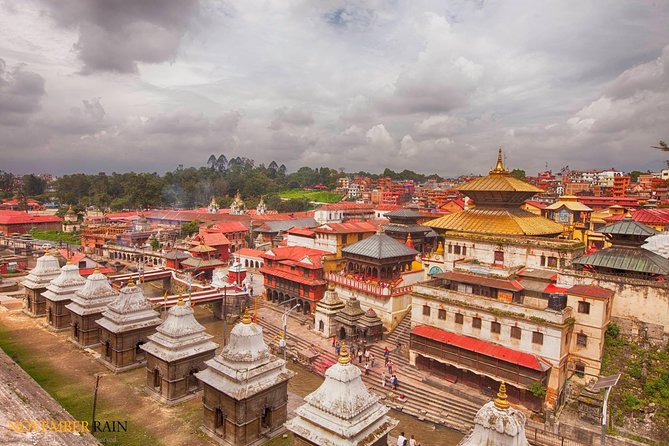
Your Kathmandu tour highlights two major religious landmarks tied to Buddhism. You visit Swayambhunath Stupa, also known as the monkey temple, perched on a hilltop. The dome-shaped stupa look is distinctive, and the hill setting gives you wide views over the city on clearer days.
The day is marked at about 5 hours for the city stops, with entry listed as free for at least the Swayambhunath portion in this plan. That’s a nice perk since you’re spending your time on sights, not extra tickets.
The pacing consideration: after sunrise, you may not feel like doing a huge museum day later. If you’re sensitive to early starts, plan to hydrate well, and keep your evening low-key.
Day 3: wake early, then fly to Paro (Druk Air)
Day 3 keeps the early start, with time to witness sunrise views, then it transitions to travel. After breakfast, you go to Kathmandu airport and fly to Paro, a flight time listed as about one hour with Druk Air.
This is one of the smoothest parts of the overall itinerary. Instead of a long overland slog, you move into Bhutan quickly, which helps when your trip is only 8 days.
What to expect in Paro day energy: you arrive into Bhutan’s rhythm, which tends to be more about monasteries, temples, and scenic drives than constant stop-and-go. Just be ready for the fact that sunrise is weather dependent.
Day 4: Punakha on the schedule, Changangkha Lhakhang and a nunnery visit
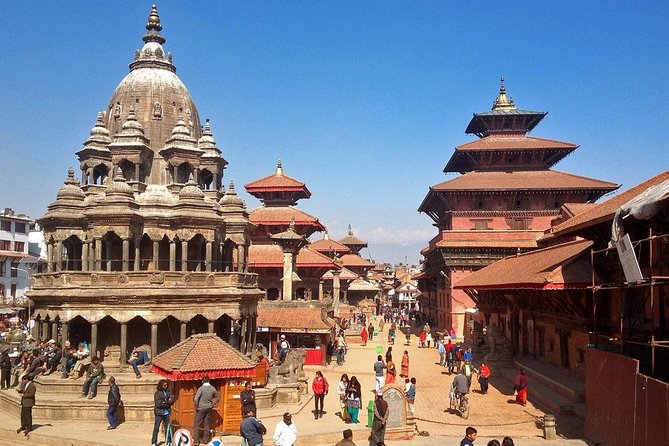
Day 4 drives you toward Punakha, but one of the key scheduled stops is Changangkha Lhakhang, built in the 12th century. The plan notes it as one of the oldest temples in Thimphu, plus it sits on a ridge above Thimphu, which matters because the setting helps you understand how these places were chosen for visibility and meaning.
You also visit the Drubthob Goemba nunnery. Nunnery visits add a real “everyday practice” dimension to the itinerary. You’re not just seeing monuments. You’re seeing living religious communities connected to the region’s Buddhist traditions.
The day is listed around 5 hours for this stop block, with admission shown as free in the plan. That’s a good way to keep costs controlled while still getting meaningful cultural contact.
A consideration for this day: with Bhutan drives, your focus can drift after the fourth or fifth hour. I’d keep your camera ready for temple details but also give yourself time to sit quietly and watch how the site feels.
Day 5: Punakha Dzong, river confluence views, and Lobeysa time
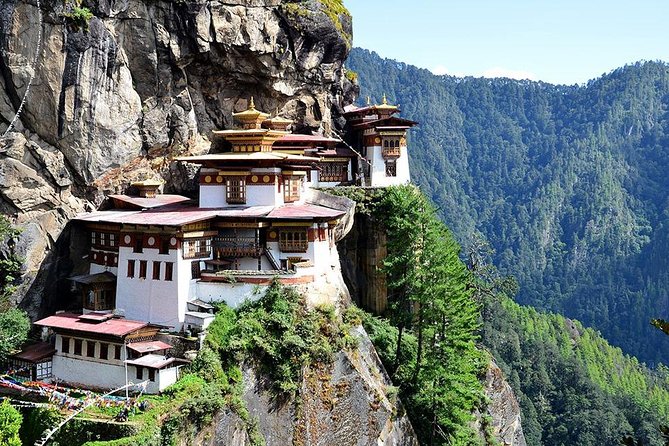
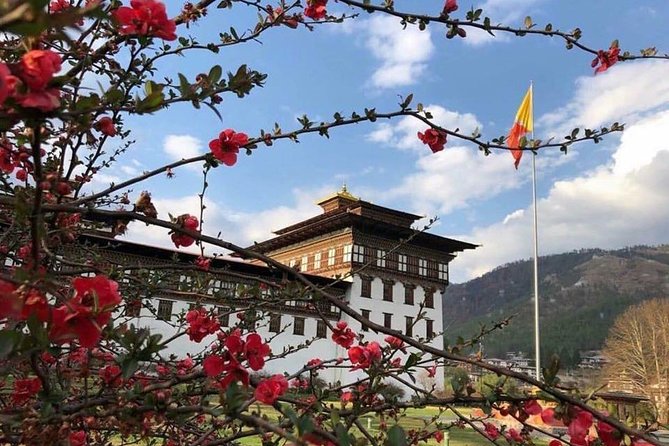
Day 5 is anchored around Punakha Dzong, described as the ancient capital of Bhutan spanning the Mo Chu and Pho Chu rivers. It’s also noted as the winter capital for monks and the Je Khenpo, the chief abbot.
That detail helps you understand why this isn’t just a pretty fortress. It’s a center of seasonal religious life, with real roles for the people who manage and protect practice there.
After Punakha Dzong, the plan says you drive to Lobeysa to time that continues in the itinerary text. Even with limited detail here, the takeaway is that you’re getting more than one “single landmark photo.” You get a second location stop before settling into the day’s flow.
The stop block is about 5 hours, with admissions listed as free. That makes this day a strong value day, especially if you like your schedule full but not overloaded with ticketed attractions.
Day 6: Drukgyal Dzong ruins, then the Taktsang hike from Ramthangkha
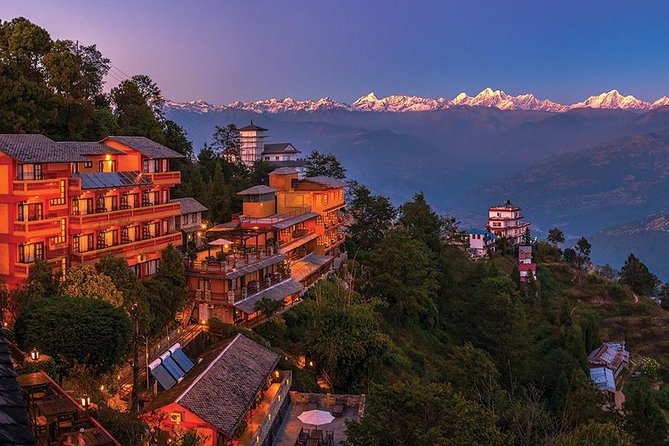
This is the day many people remember, and for good reason. After an early breakfast, you drive the winding road to Drukgyal Dzong, a ruined fort once defended the valley from Tibetan invasions. Ruins can feel like “just rocks” if you’re rushing, but the context given here makes it more than scenery.
Then you drive to Ramthangkha and hike up to Taktsang monastery, also called Tiger’s Nest. The itinerary lists the Taktsang monastery admission as included, which is helpful because this is often a cost that can be annoying to budget for separately.
You should plan for a real hike. The itinerary labels this portion at about 6 hours, so it’s not a quick stroll. I recommend wearing proper grip shoes and keeping your pace steady rather than sprinting for views.
The payoff is that the route combines history at a ruin and drama at a monastery perch. If your legs are the limiting factor, this is still doable for many travelers, just expect it to be work.
Day 7: fly out of Bhutan, return to Kathmandu, then shop and breathe
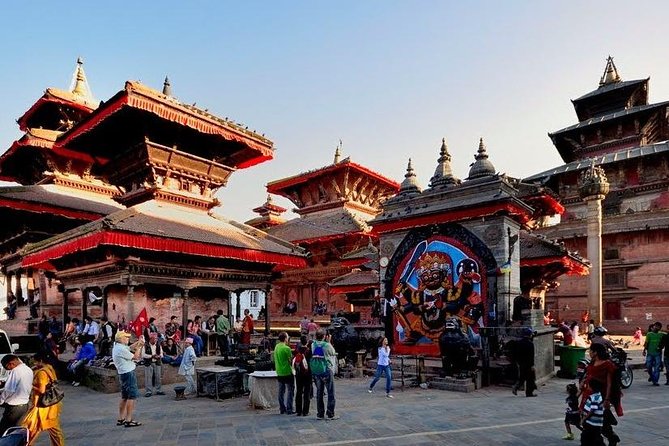
Day 7 moves you from Paro back into Nepal. After breakfast, you drive to Paro airport, and a representative helps with exit formalities, then you say farewell and head for Kathmandu.
Once you’re back in Kathmandu, the plan includes a transfer to your hotel plus leisure time. It specifically calls out shopping time, which is a smart way to use the day without cramming more temple stops.
Admission is marked free for this day’s listed blocks, so your paid portion is mostly earlier in the journey. This is your “recovery day,” and you can decide how much social time you want.
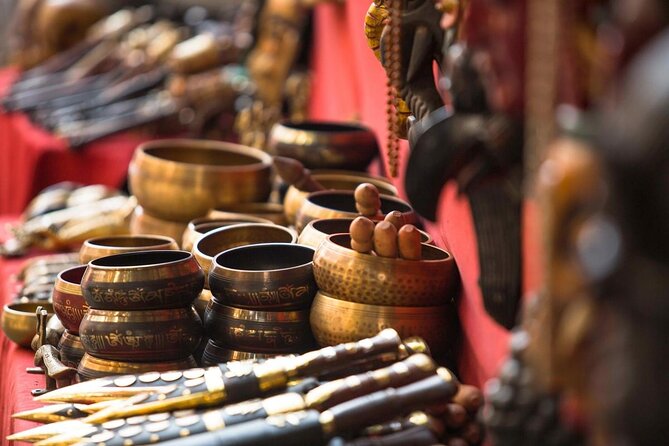
If you’re planning souvenir shopping, I’d do it late in the day when you’re less likely to buy in a rush. Thamel is right there again.
Day 8 in Thamel: the mountain trip closes, then airport transfer
Today is the wind-down. The itinerary says the journey within the mountains of Nepal ends, and you get escorted to the airport about 3 hours before your scheduled flight.
On the way, you have time to plan your onward journey. That buffer is genuinely useful. It means you’re not scrambling for transport or trying to make final purchases in a panic.
The best part of a good final day is that you don’t rush it. Thamel is a good choice because you can step out, grab what you missed, and still make your airport timing.
Who this tour fits best
This plan fits best if you want a clean introduction to both countries without juggling too many moving parts. You’ll like it if you appreciate heritage sites, religious architecture, and scenic mountain mornings.
It’s also a good fit if you prefer private transport. The itinerary uses private vehicle wording for Nepal and Bhutan sightseeing, which means you’re less likely to lose half a day to public-transport hassles.
This is less ideal if you hate early mornings or you want zero hiking. The Tiger’s Nest day is the big physical moment, and the Nepal sunrise timing also asks for an early start.
The bottom line, should you book it
If you want an 8-day Nepal and Bhutan trip that’s packed with key cultural stops and still leaves some breathing room, I’d say yes. The value case is solid because many costs are bundled: 3-star hotels, private driving, guide support, museum and special entry fees, plus key meals in Bhutan and the Paro flight connection.
The reason I’d hesitate for some people is simple: weather matters and the itinerary relies on sunrise timing and a substantial hike. If you can handle early starts and you’re comfortable on your feet for Tiger’s Nest, this is a strong match.
FAQ
Where does the tour start, and what time?
The tour starts at Tribhuvan Airport in Kathmandu, Nepal, with a start time listed as 7:15 am.
Is pickup offered?
Pickup is offered, according to the trip details.
How long is the tour?
The duration is listed as 8 days, approximately.
What meals are included?
Lunch is listed as included, and Bhutan meals are listed as included as well: breakfast, lunch, and dinner, plus mineral water. The plan also lists breakfast (5) and dinner (2).
Are flights between Kathmandu and Paro included?
Yes. The included section lists airfare for Kathmandu to Paro and Paro to Kathmandu.
Is this a private tour?
Yes. It is private, and only your group will participate.
What is the cancellation policy?
You can cancel up to 6 days in advance for a full refund. If you cancel less than 6 full days before the start time, the refund rules change, and if you cancel less than 2 full days before the experience starts, the amount paid is not refunded.
More Tours in Kathmandu
More Tour Reviews in Kathmandu
Not for you? Here's more nearby things to do in Kathmandu we have reviewed


Tours, compared.
 ★ 5.0Private Kathmandu Sightseeing Tour | UNESCO World Heritage sitesFrom $17756 reviews
 ★ 5.0Everest Base Camp Helicopter Tour landing at Everest View HotelFrom $1,575668 reviews
 ★ 5.0Full Day 7 UNESCO Tour with Lunch – Private/GroupFrom $10415 reviews
 ★ 5.0Private Bhaktapur and Nagarkot Day Tour From KathmanduFrom $20305 reviews
 ★ 5.0Full Day Top 4 UNESCO Tour with Lunch – Private/GroupFrom $10269 reviews
 ★ 5.0Kathmandu Food and Drink Walking TourFrom $36266 reviews
 ★ 5.0UNESCO Seven World Heritage Tour in KathmanduFrom $180253 reviews
★ 4.9Full-Day 7 UNESCO Tour with Lunch – Private/GroupFrom $5247 reviews
★ 5.0UNESCO Seven World Heritage Tour in KathmanduFrom $180253 reviews
★ 4.9Full-Day 7 UNESCO Tour with Lunch – Private/GroupFrom $5247 reviews