
REVIEW · KATHMANDU WALKING TOURS
Kathmandu Walking Tour
Kathmandu comes at you from every corner. This Kathmandu walking tour is interesting because it starts in the everyday market world of Ason market and ends with a head-turning view from Swayambhunath. Along the way, you get the kind of street-level context you miss when you only visit monuments from a map.
I also like that the route mixes sacred sites with normal city life, so you see how temples, squares, and daily errands share the same space. One possible consideration: this tour is not suitable for pregnant women or wheelchair users, since the walk involves uneven streets and a hilltop climb.
Key Points You’ll Actually Care About
- Start at Ason market where you watch daily Kathmandu, up close, from the oldest market area
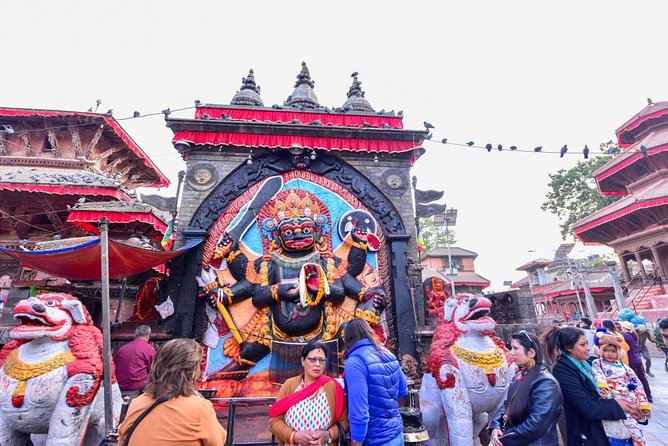
- Kathmandu Durbar Square (UNESCO) for temples, palaces, shrines, and key religious squares in one stop
- Freak Street history stop at a once-famous Hippy-era junction, where the area still sparks stories
- Swayambhunath hilltop views (UNESCO) for panoramic Kathmandu Valley angles you can’t get from street level
- Small group, up to 10 people so your English-speaking guide can answer questions without rushing you
- Skip the ticket line plus mineral water to keep the walk moving, with any monument fees handled separately
From Thamel Pickup to Ason Market: getting your bearings fast
Most Kathmandu sightseeing tours start at a “main attraction” and then try to backfill the context. This one flips it, by beginning in the city’s living, everyday rhythm. You’re picked up from your hotel in the Thamel area, then you head out on foot.
That first walk matters. It helps you understand how Kathmandu moves: narrow streets, busy shopfronts, and religious corners appearing right beside regular daily tasks. Within the first stretch, you stop thinking of the city as a list of sights and start seeing it as a place where people work, pray, and shop on the same blocks.
Also, the time window is friendly. At 4 hours, you get a real snapshot without losing your whole day to transit and waiting.
You can also read our reviews of more walking tours in Kathmandu

Ason Market and the street-life you’ll remember
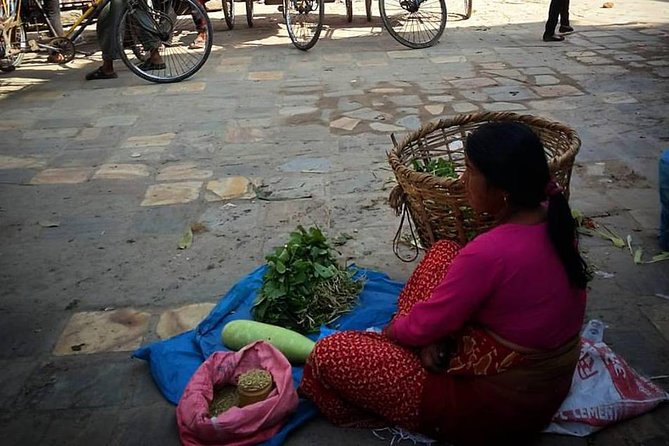
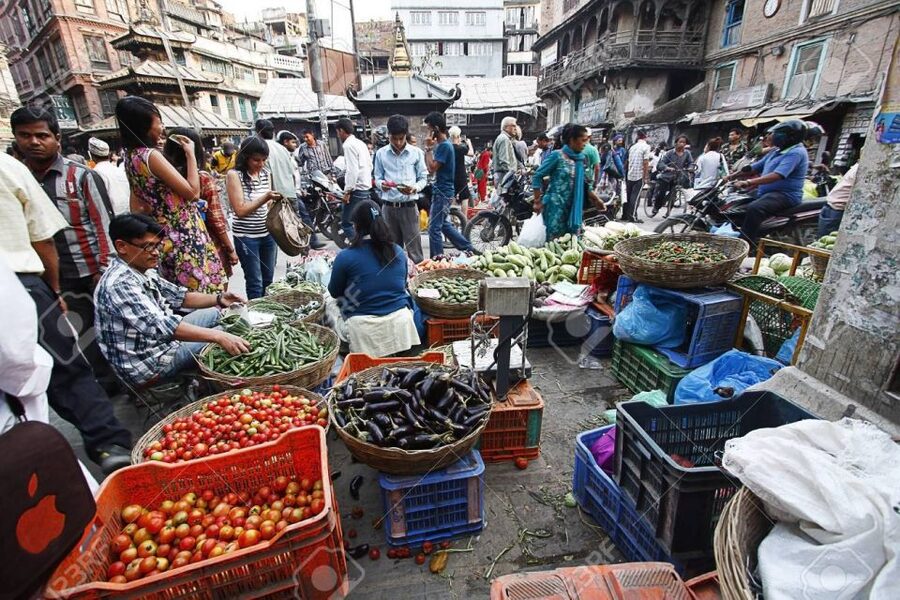
Ason market is the tour’s opener, and it sets the tone immediately. You’ll walk through a maze of streets, alleys, and older market areas while you pass shops and squares that locals clearly use all the time. This is one of those places where your eyes do the learning, before your brain catches up with the meaning.
What I like about starting here is that it grounds everything else. When you later stand in a heritage square or near temple steps, it feels less like you’re visiting a separate world. You can already connect what you’re seeing to how Kathmandu functions day to day.
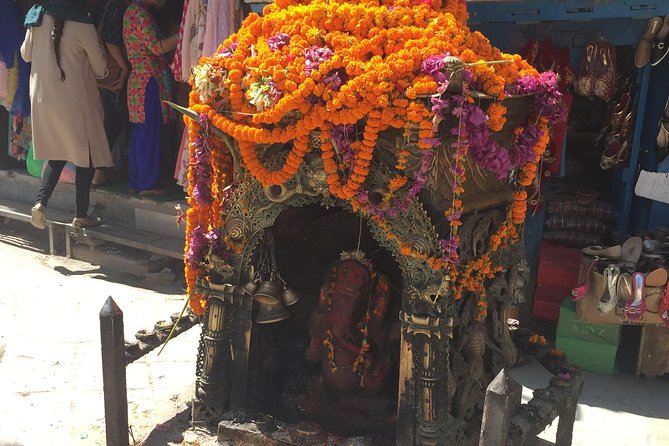
You’ll also get a simple but useful pattern for navigating the city. You learn where the pedestrian flow tightens, where bargaining and buying happen, and how shrines and small temples fit into normal street scenes. It’s practical learning, not just sightseeing.
Bring comfortable shoes. The walking is the main activity, and Kathmandu sidewalks do not always behave like the ones back home.
Kathmandu Durbar Square (UNESCO): temples and sacred squares in one compact stop
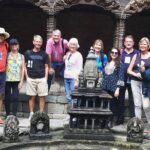
After Ason, you head to Kathmandu Durbar Square, one of the city’s UNESCO World Heritage Sites. This is the kind of place that works best when you’re walking slowly and letting your guide connect the dots. The square is described as a historical and religious center with many temples, palaces, and shrines concentrated in one area.
Why this stop is worth including on a walking tour: it’s not just a photo spot. You see how worship and architecture share the same space. Even if you’re not chasing deep architecture details, you’ll notice how the layout funnels attention toward specific sacred points.
The practical side is that Durbar Square gives you a clear sense of the city’s cultural “center of gravity.” Once you’ve stood there, other temple corners and street shrines start to feel less random, and more like part of a system.
One small consideration: you’ll likely want to budget time for the slow part, looking up and turning corners. This tour is timed, so you won’t linger forever, but it does give you a meaningful window in the heart of Kathmandu.
Freak Street and the Hippy-era junction stop
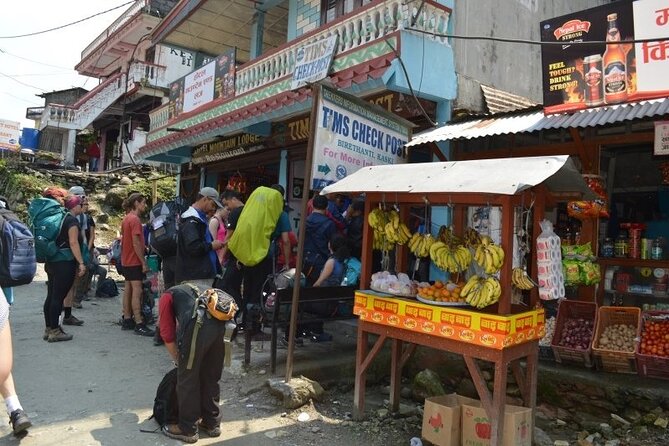
Next comes a stop at Freak Street, described as a famous junction from the Hippy era. It’s a quick detour compared with the UNESCO sites, but it adds something important. It puts Kathmandu’s modern traveler story into the same walk as the city’s older religious landscape.
I like these “story stops” because they help you read the city in layers. You can go from temple squares to a junction that once shaped traveler culture, and you start to understand how Kathmandu has served different roles over time.
There’s no need to expect a museum here. Think of it as a chance to place Kathmandu in a wider map of travel history, and then keep moving with better context in your head.
If you want a tour that is only temples and UNESCO gates, you might find this portion a little lighter. If you want Kathmandu to feel like a real city, not just a checklist, it’s a good balance.
Monkey Temple and Swayambhunath (UNESCO): the panoramic Kathmandu Valley payoff
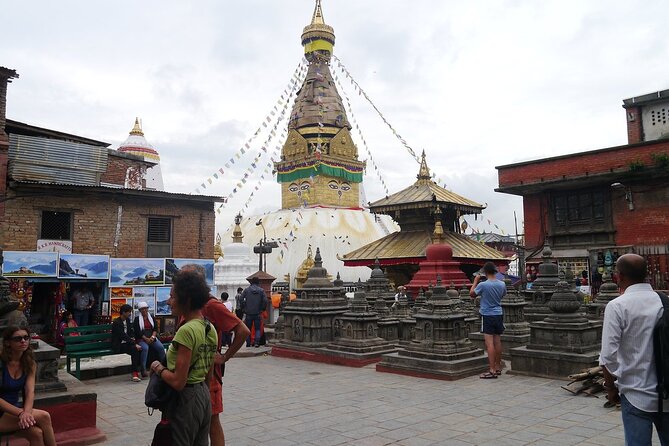
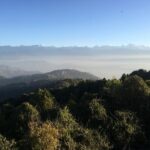
Swayambhunath, also known as the Monkey Temple, is the second UNESCO World Heritage Site. It’s located at the top of a hill, and the main reward is the panoramic view of the Kathmandu Valley.
This is the part where the walk earns its keep. Even if you’ve seen valley views in photos, the hilltop perspective still changes how you understand the city. You can usually feel the scale of Kathmandu better from above, and you start recognizing the geography that shapes daily life below.
What you’re doing here is more than “standing at a view.” You’re mixing the physical climb with temple atmosphere, so the experience becomes sensory. Looking outward over the valley pairs naturally with seeing how people gather around shrines.
Important practical note: the hilltop means more effort. Plan for stairs and uneven terrain, and go at a steady pace. This is also why the tour is not suitable for everyone who needs mobility support.
Afterward, you can walk back to Thamel, or take a taxi from Swayambhunath to Thamel. That flexibility is a nice safety valve if your legs feel done before your day is.



Pace, shoes, and what 4 hours feels like in Kathmandu
This is a 4-hour walking tour, small group style, with limited space for up to 10 participants. That small-group size changes the experience, because you’re not constantly weaving around large crowds, and you can ask questions without feeling like you’re slowing down a bus.
Still, the pace is real. You’re covering market streets, heritage squares, and a hilltop viewpoint in a half-day. If you’re the type who wants long stops, you’ll have to choose your moments carefully.
Here’s my practical advice for comfort:
- Wear shoes with good grip and support.
- Keep water handy, since you’re provided mineral water, but you’ll still feel the walking heat and sun.
- Bring cash for monument entrance fees, since those are not included.
Also, expect that your route will take you through active areas. That’s part of the charm, but it means you’ll be walking through real city traffic patterns and crowd flow.
Price and value: what $30 covers, and what you’ll pay separately
At $30 per person, this tour is priced for a half-day city walk with guidance, not a full-service package with all admissions included. You get an experienced live guide in English and a bottle of mineral water, plus the benefit of skipping the ticket line at heritage entrances.
What’s not included is just as important: monuments entrance fees and any transfers or taxis. That means you should plan for extra spending at the gates. Since the tour also asks you to bring cash, the setup is clearly meant for on-the-spot fees rather than all-in pricing.
So is it good value? For most people, yes, because you’re paying for the walking route, the guide explanations, and a smart use of time. If you were planning to visit Durbar Square and Swayambhunath anyway, the guide saves you effort finding context, and it helps you make the most of the limited time.
If your travel style depends on admission included and zero surprises, you’ll want to keep a little cash buffer. That way the tour stays easy, not annoying.
Guides and why the explanations make the sights click
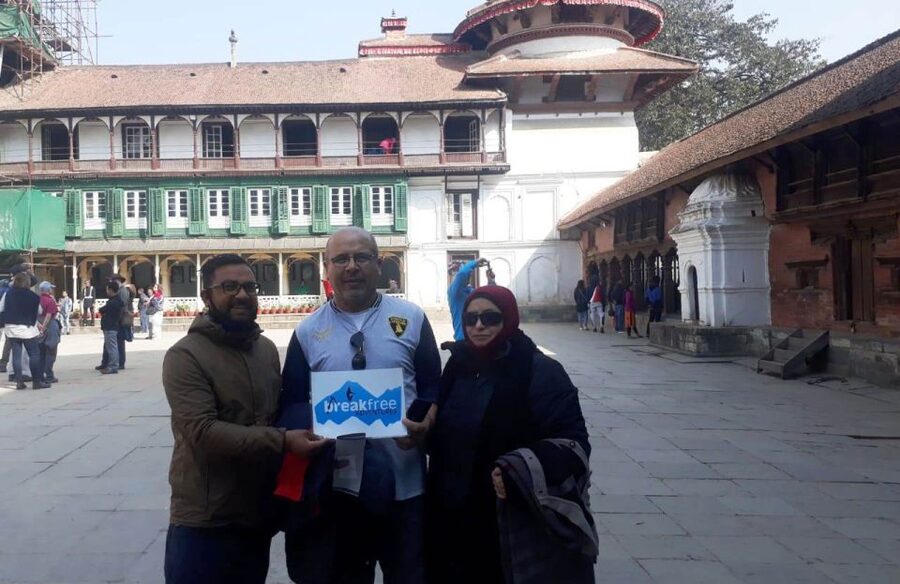
The biggest upgrade in a walking tour is your guide, and this one has a strong reputation for clear, friendly storytelling. Past guests have specifically named guides like Shankar Bhattarai and Madan Sakota as very good at explaining the city, the religions of Nepal, and daily life details you might otherwise miss.
Even without memorizing facts, a good guide helps you notice what matters. You learn why certain shrines sit where they do, how people move through squares, and what the sites are for beyond sightseeing. That’s the real value of paying for a live guide, especially in a city where symbols repeat constantly.
There’s also a practical win: pickup timing and question answering. When your guide can keep the group moving while still giving you thoughtful answers, the tour feels smooth instead of rushed.
If you’re the kind of traveler who likes asking Why is this here? or What does that mean? then this tour fits your style.
Should you book this Kathmandu walking tour?
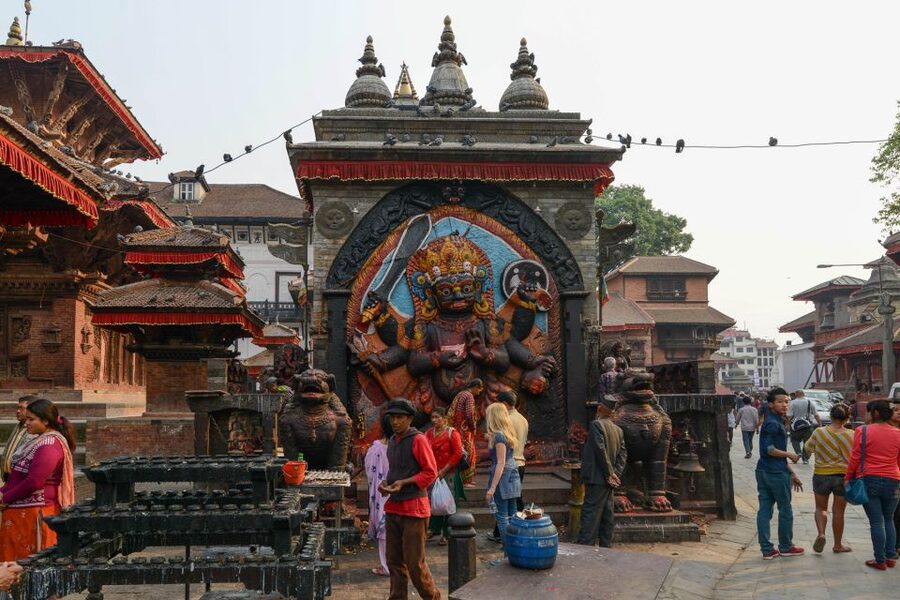
Book it if you want a small-group introduction to Kathmandu that mixes daily street life with two UNESCO stops in a single half day. It’s a smart way to get context quickly, especially if you’re staying in or near Thamel and want to see more than just one temple complex.
Skip it or rethink it if your mobility is limited, since it is not suitable for wheelchair users and involves a hill climb to Swayambhunath. Also, if you hate paying extra at entrances or dislike walking-intensive plans, make sure you budget for monument entrance fees and keep your expectations realistic for a 4-hour route.
FAQ
How long is the Kathmandu Walking Tour?
The tour lasts 4 hours.
What is the starting location and how do I meet my guide?
Pickup is included from your hotel in the Thamel area. Your guide will collect you from your hotel, so you need to provide the hotel name when booking.
What does the tour cost?
The price is $30 per person.
Is the tour a private tour or a group tour?
It is a small group tour limited to 10 participants.
What’s included in the price?
The tour includes an experienced English-speaking tour guide and mineral water.
Are entrance fees included for monuments or UNESCO sites?
No. Monuments entrance fees are not included.
Is the tour only walking, or are there other transport options?
You walk back to Thamel, or you can take a taxi from Swayambhunath to Thamel.
What should I bring?
Bring a passport or ID card, comfortable shoes, and cash.
Is this tour suitable for wheelchair users or pregnant women?
No, it is not suitable for wheelchair users or pregnant women.
More Walking Tours in Kathmandu

More Tours in Kathmandu
More Tour Reviews in Kathmandu
Not for you? Here's more nearby things to do in Kathmandu we have reviewed


Kathmandu Walking Tours, compared.
 ★ 5.0Kathmandu Walking TourFrom $2636 reviews
 ★ 5.0Old Kathmandu Walking Tour, Historic World Heritage Durbar SquareFrom $2822 reviews
 ★ 5.0Smells of Kathmandu Walking Day TourFrom $2820 reviews
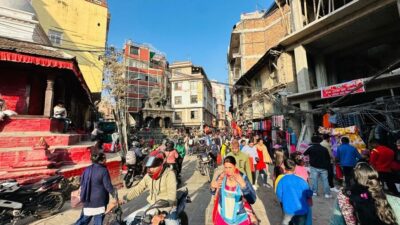 ★ 5.0Kathmandu Heritage Walk | Heritage Walk of KathmanduFrom $404 reviews
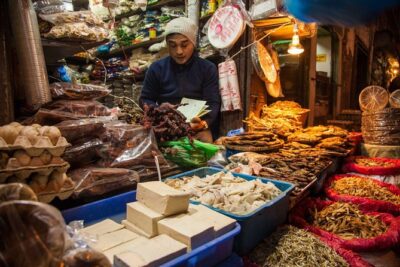 ★ 5.0Local Bazaar Walking Tour in Kathmandu with Professional GuideFrom $1004 reviews
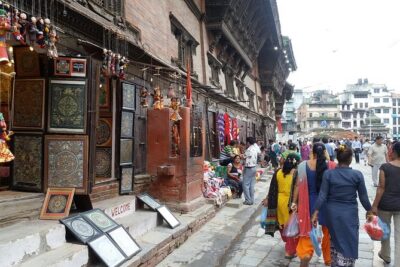 ★ 5.0Walking tour of Kathmandu with awesome local guidesFrom $304 reviews
Browse the lists this tour appears in