
REVIEW · KATHMANDU UNESCO HERITAGE TOURS
Kathmandu: Full-Day Tour of 5 World Heritage Sites
Kathmandu can feel like a time machine in motion. In one full day, you’ll visit five UNESCO World Heritage Sites and move between Hindu and Buddhist sacred spaces, with stories that stretch back over 2,000 years.
I especially like how the day blends famous landmarks with meaning. You get Durbar Square, the Palaces and temples tied to the Kumari, and then you go to major pilgrimage sites like Pashupatinath and the Buddhist gompas at Swayambhunath and Buddhanath.
One consideration: monument entrance fees and food are not included, so your total day cost will depend on what you choose to pay on site and what you eat.
Quick hits before you go
- Five UNESCO sites in one day in Kathmandu, so you spend less time planning and more time seeing.
- Hindu and Buddhist holy places together, so you understand Kathmandu’s religion mix instead of treating them like separate trips.
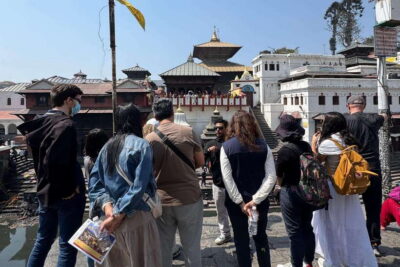
- Pashupatinath on the Bagmati River, where you’ll see major temple life and hear how cremations fit into Hindu practice.
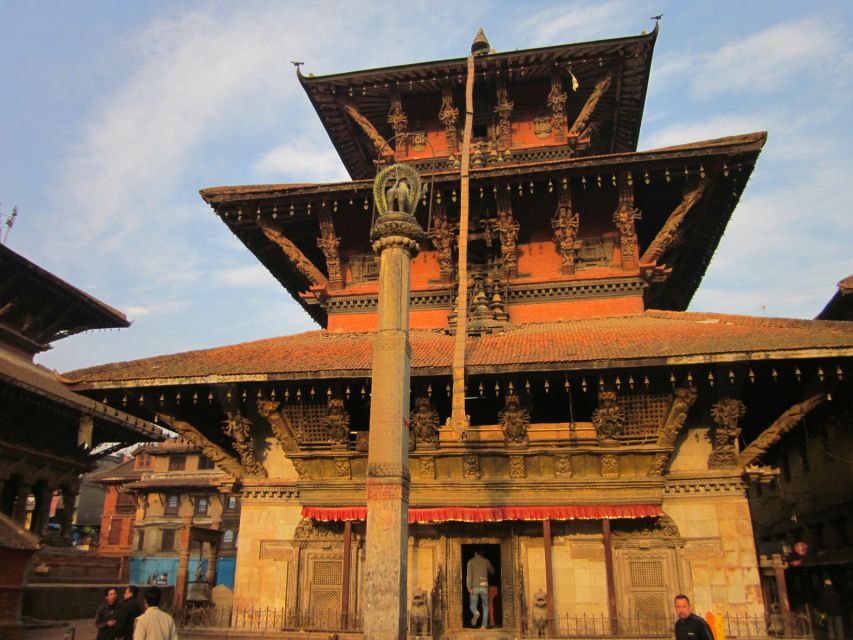
- Durbar Square and the Kumari palace, a rare chance to connect architecture with living tradition.
- Himalaya viewpoints from the Kathmandu Valley region, with Nagarkot described as a strong lookout area (about 35 km from city center).
Why Kathmandu packs 2,000 years into one guided day
Kathmandu sits at about 1,400 meters in a bowl-shaped valley ringed by peaks like Shivapuri, Phulchowki, Nagarjun, and Chandragiri. That setting matters. The city’s geography helps explain why people built religious sites where they did, and why the views of the mountains keep showing up when you move around town.
The story your guide will connect for you reaches back far. Archaeological work traces settlement in Kathmandu Valley and nearby sister towns like Patan and Bhaktapur to a wide ancient span, often described as between 167 B.C. and 1 A.D. In plain terms, this isn’t a “new city.” It’s layers on layers.
This matters for your experience because you’re not just ticking off buildings. You’re learning how Kathmandu evolved as Nepal’s capital and largest city, and why sacred sites became anchors for identity, festivals, and pilgrimages.
You can also read our reviews of more historical tours in Kathmandu

Price and what you truly get for $65
At $65 per person for a full day, the value comes from what is included, not just the headline number. You get transportation, an English-speaking tour guide, and taxes and service fees. That reduces the big headache for solo travelers: getting a route that makes sense and doesn’t waste your day on unplanned transit.
The trade-off is also clear. Entrance fees for monuments, plus food and beverages, are not included. So I’d treat the $65 as the “core experience cost” and budget extra for sites you have to pay into and meals along the way.
If you want to see multiple UNESCO sites efficiently, this format tends to be worth it. If you’re the type who likes long unscheduled wandering without a set route, you might feel boxed in by the guided structure.
Getting picked up in Thamel or at the airport
The tour uses two pickup options: Thamel and Tribhuvan International Airport. That’s helpful if you’re arriving and want to start sightseeing right away, or if you’re already staying in the Thamel area where lots of guesthouses and tour offices cluster.
Drop-off is also flexible, with options at Tribhuvan International Airport and Thamel. In practical terms, that means you can plan around your flight or keep the day ending near where you’re staying.
One small planning tip: Thamel is described as the older part of town with narrow lanes and shop-filled corners. Even if you’re not going inside shops, you’ll still be walking and threading through tight streets, so comfortable shoes matter.
Durbar Square, Kumari tradition, and the Hindu heart of Kathmandu
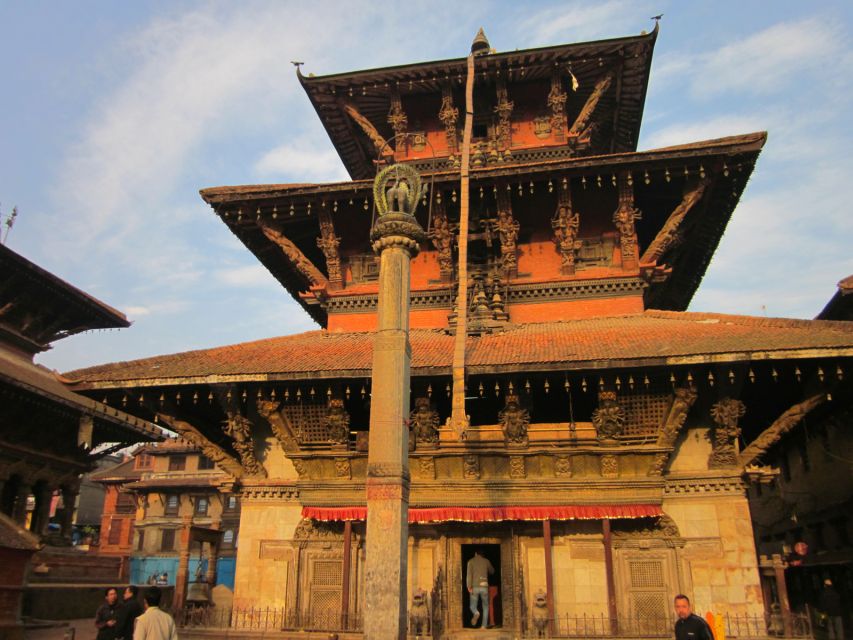
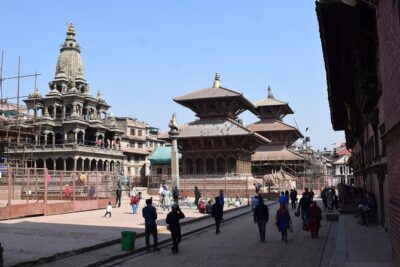
Durbar Square is one of the UNESCO stops and one of the most visually dense places you’ll visit. It’s tied to Hindu temples, statues of Hindu deities, and the Palace of Kumari, the living goddess. In other words, it’s not just sightseeing. It’s also a place where you can understand how religion and community identity show up in public space.
What I like here is the way the guide can connect details to context. Temples and sculptures can look like decoration until you know what they represent. The Kumari palace adds another layer, because it ties the site to a living tradition rather than something frozen in the past.
Potential drawback: Durbar Square can be intense for your senses. You’ll likely see crowds and activity, and you’ll want to stay aware of where to stand for photos without blocking foot traffic. If you’re sensitive to busy spaces, plan to pause when you need a breather.
Pashupatinath on the Bagmati River: Hindu temple life up close
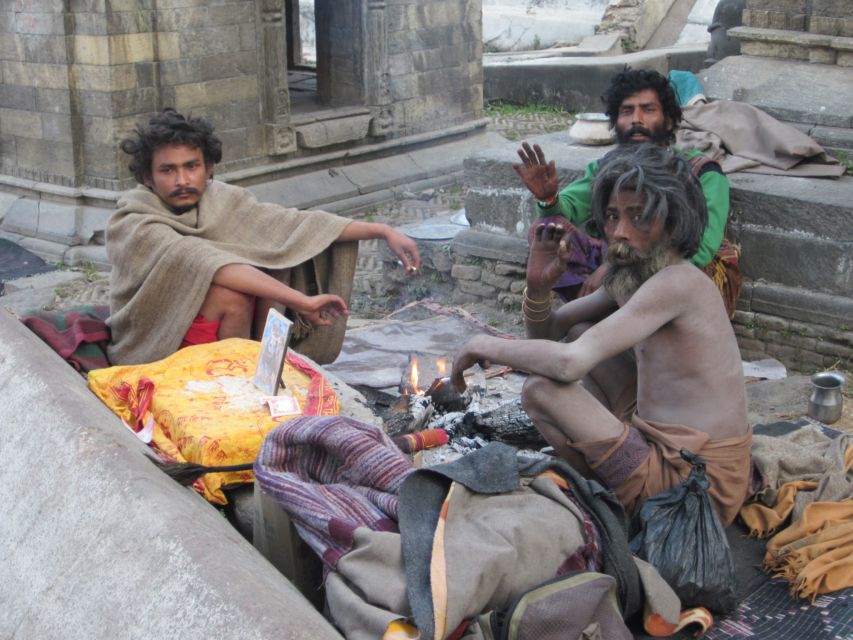
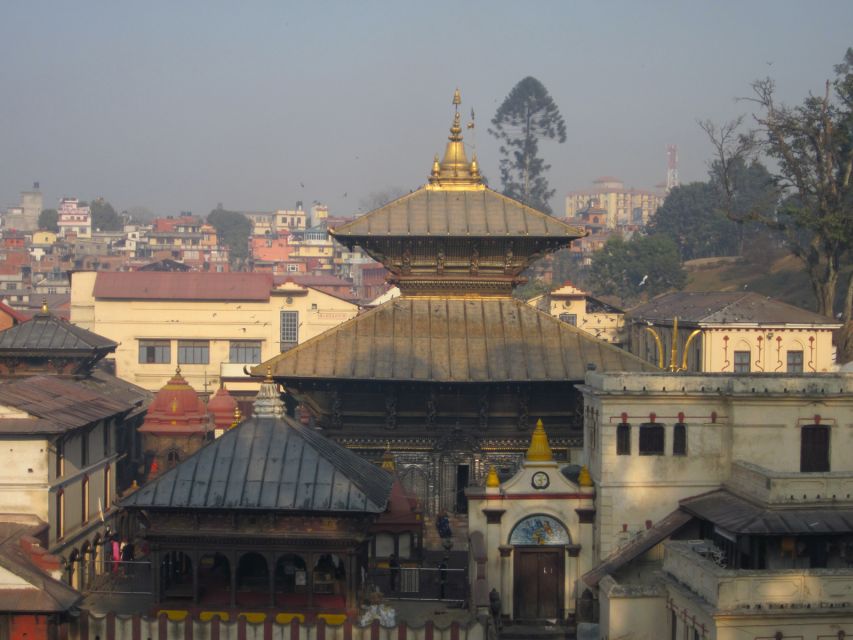
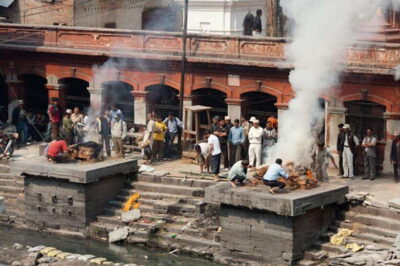
Pashupatinath is described as the world’s largest Hindu temple and a major spiritual center for Hindu followers. It draws pilgrims, and you’ll see colorful Sadus. The Bagmati River is part of what makes this stop so powerful, because it’s also where many Hindus choose cremation.
That last point is not a detail to skim past. It’s central to the temple’s role in Hindu practice. You’ll likely witness the rituals that families and pilgrims associate with death and spiritual transition, and that can feel heavy if you’re not expecting it.
I think this stop is worth it because it connects architecture to real religious practice, not staged tourism. But go in with a mental note: dress respectfully, be mindful with your camera, and expect the atmosphere to be serious.
If you’re traveling with someone who worries about respectful photography or who finds funeral-related rituals distressing, talk about it beforehand so you’re on the same page.
A few more Kathmandu tours and experiences worth a look
Swayambhunath: the hilltop stupa viewpoint daydream
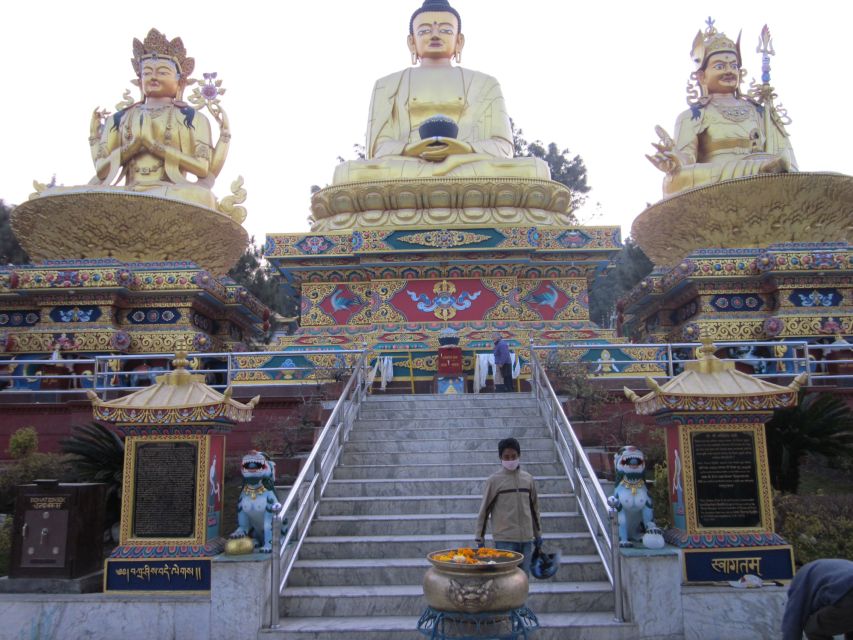
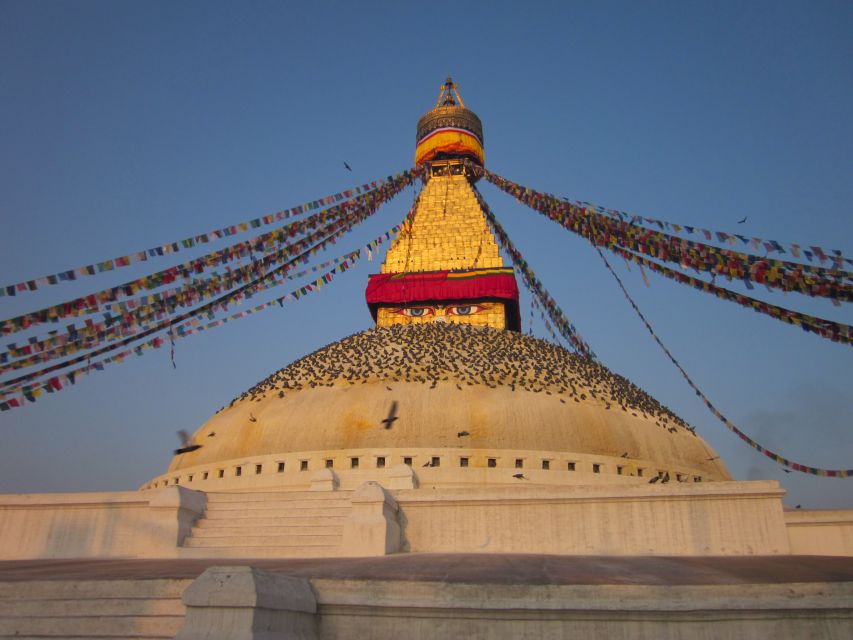
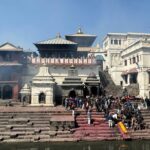
Swayambhunath is a Buddhist gompa and UNESCO World Heritage Site. It’s known for its hilltop position, and this elevation helps explain why it works so well in a full-day route. You’re not only learning about the stupa and Buddhist symbolism, you’re also getting a better sense of Kathmandu’s layout from above.
What makes this stop memorable for me is how Buddhism presents itself visually and rhythmically. Gompas and stupas encourage a slower, more focused kind of attention than the more ceremonial bustle of some Hindu temple areas. Even if you don’t speak the local religious language, the physical layout helps you understand where people want to stand, walk, and look.
A practical note: hilltop sites mean more stairs and uphill walking than you might expect. Wear footwear that handles uneven steps, and plan a calm pace rather than rushing for the best photo.
Buddhanath: Buddhist devotion at a major gompa
Buddhanath is the other Buddhist UNESCO stop, described as one of Kathmandu’s significant gompas. It’s famous enough that you’ll recognize it quickly once you’re there, but the real value is in what the guide helps you notice.
The stupa and its surrounding spaces function as more than architecture. They’re built for worship and routine. People move, pause, and focus their attention around the religious center. That makes it a great contrast to the more story-heavy Hindu sites, because here you can feel how Buddhism shapes daily behavior and public devotion.
If you like calm breaks in the middle of a sightseeing day, this is one of the stops that can give you that. It also offers plenty of photo opportunities, but keep in mind you’re in an active worship area.
Himalaya views from Nagarkot, and why the valley matters
Kathmandu’s surroundings are part of the point. The tour information describes Nagarkot as about 35 kilometers from the city center, and highlights it as a high viewpoint for seeing the Langtang range and other big peaks in the region, including Annapurna, Manaslu, Cho Oyu, and Shishapangma.
Even if the weather doesn’t gift you a perfect line of sight, you’ll get the idea. Nagarkot is there to make you understand Kathmandu’s altitude and the way mountains frame daily life. On a cultural tour, this kind of view is not a detour. It’s context.
My advice: if you’re strict about photos, plan to bring a layer. Viewpoints can shift fast with cloud cover, and it’s better to be comfortable while you wait for the light to change.
How the 6-hour guided block works in real time
The tour includes a guided tour in Kathmandu lasting 6 hours. That’s long enough to feel complete, but not so long that you’d lose the thread between sites. The best way to make the day feel effortless is to treat it like a guided storyline, not like five separate attractions.
You’ll move between Hindu and Buddhist holy places, plus Durbar Square. As you go, the guide helps connect symbols, temple layouts, and why each site matters. That connection is the difference between “I went to places” and “I understood Kathmandu.”
One thing I’d do: ask a question once per stop. Guides like Uddhab are specifically praised for being patient and giving you time to follow along. A good guide will slow down when you’re confused, but you still need to prompt them to teach.
What to budget besides the tour price
Even though the tour includes transportation and the guide, you should budget for extra costs that come up naturally during a day out.
Here’s what’s not included:
- Monument entrance fees
- Food and beverages
- Personal expenses
In practice, I recommend planning for at least one or two paid entries if the sites require them, and one full meal during the day. If you’re trying to keep costs down, eat near where you’ll be walking rather than timing food for after a long stop.
Also, bring small cash. While the tour handles transport and the guide, you’ll still run into small purchases and donations, especially around religious spaces.
Who this tour suits best
This is a strong match if you:
- Want to see multiple UNESCO sites without building a route yourself
- Like culture that’s tied to living practice, not just museum labels
- Appreciate both Hindu and Buddhist history in the same day
- Prefer a guided pace that helps you interpret what you’re seeing
It might be less ideal if you:
- Want a fully flexible, self-paced day with no fixed stops
- Feel uncomfortable around cremation-related rituals and religious solemnity
- Don’t like walking on stairs and uneven terrain at hilltop sites
Should you book this Kathmandu world heritage day tour?
I’d book it if you want a high-value, structured day that connects Kathmandu’s temples, stupas, and history into one coherent experience. The price includes the big practical pieces, transportation plus an English-speaking guide, so you spend your time learning instead of figuring out logistics.
To make it work smoothly, plan your budget for entrance fees and meals, and wear shoes that handle walking. If you want Himalayan views, keep your expectations realistic based on weather, but trust the value of getting that mountain context during a cultural day.
If your priority is fast, meaningful UNESCO coverage in Kathmandu, this one-day format is a smart call.
More Historical Tours in Kathmandu
More Tours in Kathmandu

More Tour Reviews in Kathmandu
Not for you? Here's more nearby things to do in Kathmandu we have reviewed


Kathmandu UNESCO Heritage Tours, compared.
 ★ 5.0Private Kathmandu Sightseeing Tour | UNESCO World Heritage sitesFrom $17756 reviews
 ★ 5.0Full Day 7 UNESCO Tour with Lunch – Private/GroupFrom $10415 reviews
 ★ 5.0Full Day Top 4 UNESCO Tour with Lunch – Private/GroupFrom $10269 reviews
 ★ 5.0UNESCO Seven World Heritage Tour in KathmanduFrom $180253 reviews
★ 4.9Full-Day 7 UNESCO Tour with Lunch – Private/GroupFrom $5247 reviews
★ 5.0UNESCO Seven World Heritage Tour in KathmanduFrom $180253 reviews
★ 4.9Full-Day 7 UNESCO Tour with Lunch – Private/GroupFrom $5247 reviews
 ★ 4.97 UNESCO Sites Tour in 1 Day (Private Tour)From $4204 reviews
 ★ 4.9Top 4 UNESCO Tour with Lunch – Private/GroupFrom $5181 reviews
 ★ 5.0Kathmandu Private Sightseeing Tour | UNESCO World Heritage SitesFrom $35109 reviews
Browse the lists this tour appears in