

REVIEW · KATHMANDU FOOD & MARKET TOURS
Kathmandu Food & Drink Walking Tour Taste Local Delicacies
Spice and snacks, right on Kathmandu streets. This 3-hour walking tour threads together Thamel, Asan, Indrachok, and Chhetrapati with a local guide who turns food into context. You’ll sample street food and local drinks as you walk tight city lanes.
What I like most is the mix of Newari and Nepali bites, not just generic tourist food. I also like the way the guide points out what to look for, especially at Asan spice market, where ingredients and stalls actually mean something. One drawback to plan for: the tour involves walking and eating in crowded areas, so if you hate stairs, heat, or spicy food, you’ll want to pace yourself.
Key highlights you’ll feel on the walk

- Small group size (max 15) keeps the pace friendly and questions easy
- Thamel to Jyatha gives you both tourist energy and calmer neighborhood snacks
- Asan spice market stop helps you connect dishes to the ingredients behind them
- Local drinks plus traditional delicacies make the tour feel more than just food samples
- Guides like Umesh and Ananta were praised for patience and clear explanations
Why Kathmandu Food Tastes Better on Foot

Kathmandu food is everywhere, but it is not always obvious. On the street, the best places are often the ones you would normally walk past, because they look small, simple, or tucked behind the main road.
This style of tour fixes that problem fast. In about 3 hours, you get a concentrated route through key areas and you taste enough variety to understand the flavors and habits behind Nepali eating. You’re not hunting alone, and you’re not stuck with a single restaurant.
You can also read our reviews of more walking tours in Kathmandu
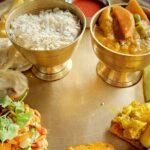

Meeting at Narsingh Chowk, Then Getting Your Bearings
You meet at Nepal Handloom Pashmina Traders on Narsingh Chowk Marg in Kathmandu (44600). The tour starts there and ends back at the same point, so you do not need a complicated end-of-tour plan.
You’ll also be given a mobile ticket, and confirmation comes at booking. Pickup is offered, and the meeting area is near public transportation, which helps if your arrival timing is messy. With a maximum of 15 people, you should feel part of a group, not shoved around in a crowd.
The walk matters here. Kathmandu streets can change character block by block, so moving on foot is how you get from “tourist zone” to “where locals actually eat” without guessing.
Thamel to Jyatha: From Tourist Lanes to Local Nooks
The first stop is Thamel, Kathmandu’s well-known hub for visitors. Expect colorful shops, street stalls, and that mashup of modern tourism with traditional daily life. This is a useful starting point because it gives you a mental map of what the city feels like before you go deeper.
Then you move to Jyatha, a quieter area near Thamel. This stop is built for discovery: small eateries and traditional shops in a more residential feel. If you want a gentler on-ramp to street food, Jyatha is where you get it.
Practical tip: pace yourself early. Thamel can spark strong cravings because it smells like food and spices from every angle. If you rush your first tasting, you may feel stuffed before you reach the more characterful markets later.
Asan Spice Market Stop: See the Ingredients Up Close

Asan is one of Kathmandu’s oldest marketplaces, and it sits at a historic crossroads where multiple streets meet. This is not just a place to snack. It’s a place where you can actually watch trade happening and connect what vendors sell to what ends up in dishes.
The tour includes time here, and the standout value is that you’re guided through it with an explanation of what you’re seeing. Asan is also where the spice market angle comes in, which is great if you like learning the “why” behind flavors.
What makes this stop especially worth your time is that you get context as you walk. You’re not only consuming food, you’re linking food to ingredients and local buying habits. That makes the rest of the tastings feel more intentional.
Indrachok and Chhetrapati: Temples, Textiles, and Everyday Bites

After Asan, the route continues toward Indra Chowk (Indrachok), a historical square near Kathmandu Durbar Square. This area is known for old temples, local textile shops, and active vendor life. You should feel the mix of sacred spaces and everyday commerce, which is very Kathmandu.
The final stop is Chhetrapati, a busy intersection and neighborhood that borders Thamel and leads toward the older parts of the city. It may not look special from a distance, but that’s the point. This is where daily routine shows up: people moving between errands, snacks, and normal life.
One realistic consideration: streets here can be busy, and some moments can feel a bit intense if you are sensitive to noise or close contact. The good news is that this tour runs with a guide who keeps the group moving through food stops without rushing you to try anything you do not want.
You can also read our reviews of more food & drink experiences in Kathmandu

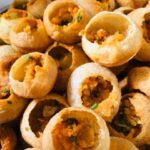
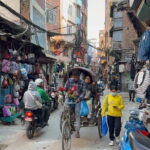
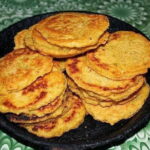
What You Actually Eat and Drink (and How the Guide Helps)

This is a true food and drink walking tour, so plan to eat more than one thing. The tour includes coffee and/or tea, bottled water, and a range of food items listed by the operator such as brunch, lunch, dinner, and snacks. Even if the quantities feel like tastings rather than full restaurant portions, the variety should be noticeable across the route.
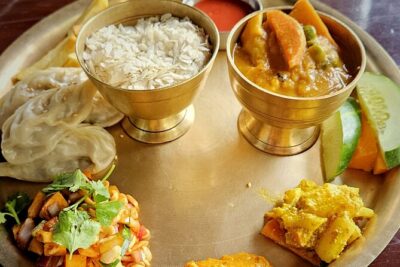
You’ll try traditional delicacies and street food with a focus on Newari and Nepali flavors. There’s also an emphasis on locally brewed drinks, plus chances to wander into smaller lanes for unique tastes.
The guide is not just there to point. The best part, based on what’s been praised, is how they explain what you’re eating and why. Guides including Umesh and Ananta were described as patient and careful about comfort, with no pressure to sample something you dislike. That makes a big difference if you’re picky, cautious with spice, or unsure about unfamiliar ingredients.
Practical advice from how the experience is designed:
- Start with small bites first, then decide what you want more of
- If you have dietary limits, speak up early, since the tour is paced around your comfort
- Bring your appetite, not your expectations of Western-style tasting menus
Price, Time, and Group Size: Is It Good Value?

At $15 per person for around 3 hours, this is budget-friendly for a guided street food experience in Kathmandu. You’re paying for three things: a local guide, access to multiple small food stops, and a route that saves you from guessing where to go.
Most walking food tours charge more once you add guide time and multiple tastings. Here, the price stays low, and the group size cap of 15 helps keep costs down while still offering real attention.
Also, the route covers several distinct neighborhoods in a short time. That matters because Kathmandu is not uniform. Thamel feels different from Jyatha, and Asan feels different from Indrachok. You get that variety without the extra hassle of arranging separate visits.
Where the value can wobble is if you have very specific food preferences and end up passing on many items. Since the tour includes multiple courses listed by the operator, you’ll generally get better value when you say yes to most tastings.
Good-Weather Reality Check and Street-Food Common Sense

The tour requires good weather. If conditions are poor, it can be rescheduled or refunded, which is better than forcing a damp street scramble.
Beyond that, street food in Kathmandu means you should use normal street-food judgment:
- Choose stalls that look busy and are handling food fresh
- Keep water handy, and pace tastings
- Be cautious with extremely spicy items if you do not usually handle heat
This tour’s pacing helps. It’s not described as a sprint, and guides have been praised for being understanding about what you are willing to try. Still, you’ll be walking between stops, and you will be in busy public areas.
If you are prone to motion sickness or feel uncomfortable in crowded streets, plan to wear comfortable shoes and keep your expectations flexible.
Who This Tour Fits Best
This fits best if you want food with context, not just a list of dishes. If you like learning how markets work, what spices are used, and how Newari and Nepali flavors show up in everyday eating, this gives you that.
It also works well for:
- First-time visitors who want a fast, guided introduction to Kathmandu neighborhoods
- People who prefer small group experiences
- Anyone who appreciates patience from a guide, especially if you are unsure about trying everything
If you hate walking, dislike street food, or strongly prefer only fully enclosed, sit-down meals, you might want a different style of tour. The route takes you through markets and squares where the environment is part of the experience.
Should You Book Kathmandu Food & Drink Walking Tour?
Yes, if you want a low-cost way to eat well, learn as you go, and see Kathmandu’s food culture in multiple areas in one evening-scale time block. The price is a major plus, and the small group size keeps it from turning into a noisy conveyor belt.
Book it particularly if:
- You want Newari and Nepali street food variety, not just one neighborhood
- You like market stops, especially Asan
- You want a guide who explains and does not rush you into tasting something you dislike
Skip or rethink it if:
- You are very sensitive to crowds, walking, or strong smells
- You only want strictly Western-style food formats
- You do not handle spicy flavors and do not want to negotiate with tastings
If you do book, come hungry, wear comfy shoes, and treat it like an education as much as a meal.
FAQ
How long is the Kathmandu Food & Drink Walking Tour?
It runs for about 3 hours.
How much does the tour cost?
The price is $15.00 per person.
Where does the tour start and end?
It starts at Nepal Handloom Pashmina Traders on Narsingh Chowk Marg, Kathmandu, and it ends back at the same meeting point.
Is pickup available?
Yes, pickup is offered.
What areas will the tour visit?
The walk goes through Thamel, Jyatha, Asan, Indrachok (Indra Chowk), and Chhetrapati.
What food and drinks are included?
Coffee and/or tea, snacks, bottled water, and multiple meal items are included as listed by the operator, along with traditional delicacies and local drinks.
What group size should I expect?
The tour has a maximum of 15 travelers.
Is a mobile ticket used?
Yes, the tour uses a mobile ticket.
What happens if the weather is bad?
The tour requires good weather. If it is canceled due to poor weather, you’ll be offered a different date or a full refund.
What is the cancellation window?
You can cancel for a full refund up to 24 hours in advance. Within 24 hours, the amount paid is not refunded.
More Walking Tours in Kathmandu
More Tours in Kathmandu

More Tour Reviews in Kathmandu
Not for you? Here's more nearby things to do in Kathmandu we have reviewed


Kathmandu Food & Market Tours, compared.
 ★ 5.0Kathmandu Food and Drink Walking TourFrom $36266 reviews
★ 4.9Food and Drink Walking TourFrom $28119 reviews
★ 5.0Kathmandu Food and Drink Walking TourFrom $36266 reviews
★ 4.9Food and Drink Walking TourFrom $28119 reviews
 ★ 5.0Walking Street Food Tour in KathmanduFrom $48111 reviews
 ★ 5.0Secret Food Tour – Food Bites and Sights Kathmandu 14+ TestingsFrom $3582 reviews
 ★ 4.7Kathmandu Secret Food Crawl & Local Market TourFrom $2854 reviews
 ★ 5.0Kathmandu Food & Drink and Shopping Rickshaw TourFrom $2548 reviews
 ★ 5.0Walking Food Tour in Hidden Local Eateries of KathmanduFrom $3640 reviews
 ★ 5.0Kathmandu Food Crawl & Market TourFrom $2526 reviews
Browse the lists this tour appears in