
Kathmandu feels like five different cities at once, and this private car loop keeps it from getting chaotic. You get a comfortable pickup-based route through major Kathmandu Valley sites, many tied to UNESCO world heritage, with time set aside at five big-name stops. I especially liked the punctual pickup and the calm, smooth drive that makes a half-day feel manageable.
What I really loved was how the guide kept things clear and human, not just reciting facts. In the experience, guides like Mr. Subham and Bisham showed up with the kind of polite, practical explanations that help you understand what you are looking at while you are still standing there. One thing to plan for: several entrances are not included, so you should budget extra for ticketed sites like Pashupatinath and Kathmandu Durbar Square.
Key Highlights You’ll Actually Feel During the Tour
- Private car door-to-door: pickup and drop-off from your hotel, plus a round trip by private vehicle
- English-speaking guide: explanations that help you connect the dots at each stop
- UNESCO-linked sites: most stops fall under UNESCO world heritage coverage
- Short, realistic timing: 40 minutes to 1 hour 30 minutes per major area, built for a half-day
- Polite driver and clean car: repeated praise for smooth driving and good service
A Private Kathmandu Valley Route That Keeps the Day Calm
Kathmandu can be intense. Even when you love the city, moving across it with the right timing matters. This tour is designed around that reality: you start with pickup, you ride in a private car for the full circuit, and you stop at the key sights without having to negotiate transport between locations.
I like the structure because it feels purposeful. You are not trying to sprint through five major sites with the energy of a full-day marathon. Instead, you get a sequence of stops that starts high and moves through the valley’s most famous religious and palace landmarks. And because it is a private trip, it is just your group, so you are not stuck waiting on other people who have different paces and priorities.
There is also a smart practical layer to it. You get bottled water, and the guide is English speaking. That sounds basic, but when you are dealing with temples, museum rules, and local etiquette, a guide who can explain the basics in plain language makes the experience feel easier.
You can also read our reviews of more city tours in Kathmandu
Price and Value: What $80 Covers (and What It Does Not)
The price is $80.00 per person for a 6 to 7 hour private car tour. That includes a lot of the expensive day-killers you usually have to solve yourself, like hotel pickup and drop-off and round trip private transport. When you are paying for a private vehicle for several hours in a city like Kathmandu, that cost often disappears when the package is done well, and this one does exactly that.
Value also depends on what you like to do. If you want to see multiple top Kathmandu Valley sites in one day without stressing about logistics, you’re likely to feel this as good value. The itinerary has clear stop lengths, and the guide helps you make sense of what you are viewing so you are not just collecting photos and moving on.
The main cost consideration is entrance fees. The tour description says entrance fees are not included. That matters most for Pashupatinath Temple, Kathmandu Durbar Square, and Narayanhiti Palace Museum. On the other hand, Swayambhunath and Boudhha are listed with free admission tickets in the schedule. So you can roughly plan for a mix of free and paid stops instead of being surprised by every location.
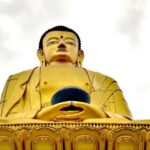
Stop 1: Swayambhunath Temple on the Hill (A Great Start Point)
You kick things off at Swayambhunath, the Buddhist temple on top of a hill. The allocated time is about 1 hour, and the admission ticket is listed as free.
This is a smart first stop for two reasons. First, starting at a hilltop site often helps you get your bearings. You are immediately in the spirit of Kathmandu Valley’s religious identity, and you will feel like you have landed in the right place fast. Second, 1 hour is enough time to explore at a comfortable pace without turning this into a time sink. You get to look, pause, and take in what is around you before the day moves into other areas.
One practical note: even though admission is free, you still want to dress and behave respectfully. Temple visits are not a quick photo shoot. A guide helps here, not because you need a lecture, but because you need the tiny etiquette cues that make your visit smoother.
If you enjoy guided storytelling, this is also where you’ll feel it. In the experience, guides like Mr. Subham were praised for explaining things, and Swayambhunath is the kind of stop where that explanation can turn random visuals into something you understand.
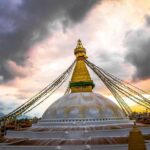
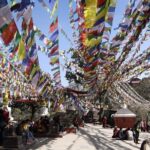
Stop 2: Boudhha Stupa (Short, Peaceful, and Efficient)
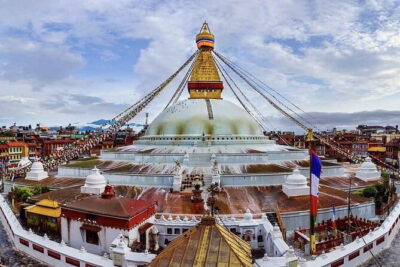
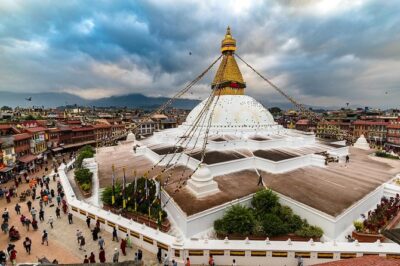
Next is Boudhha, described as a very nice Buddhist stupa in Kathmandu. You get about 40 minutes, with free admission tickets listed in the schedule.
This stop is all about efficiency without rushing. Forty minutes sounds short until you realize that this is a place where you often want to slow down, sit with the atmosphere, and watch rather than sprint. The tour’s timing supports that. You are not being asked to cram in a checklist. You are being given just enough time to enjoy the space and move on when you are ready.
I also like that this stop includes free admission. It keeps the budget predictable and lets you spend your time on observing rather than thinking about entry costs at each location.
If you prefer spiritual sites that are less about palace facts and more about calm viewing, Boudhha fits. And because the tour keeps it short, it helps you avoid fatigue early in the day.
Stop 3: Pashupatinath Temple (A Must-See, Plus Budget for Entry)
Then you head to Pashupatinath Temple, a famous Hindu temple in Nepal. The scheduled visit is about 1 hour 30 minutes, and admission ticket is marked as not included.
This is one of the biggest considerations of the whole itinerary. The site is a major draw, and the longer time slot suggests it is meant to be experienced, not just passed through. But since entrance fees are not included, you should plan for extra spending here.
From a pacing perspective, this stop is placed well. After two Buddhist-focused locations, you get a shift to one of Nepal’s best-known Hindu pilgrimage sites. That contrast can make the day feel more meaningful because you are comparing different sacred styles and purposes without having to interpret everything on your own.
The guide matters at this point. A good explanation helps you understand what you should focus on and what you should avoid. In the feedback around this experience, guides were repeatedly praised for being polite and for explaining everything, and Pashupatinath is the type of place where you will appreciate that support.
You can also read our reviews of more private tours in Kathmandu
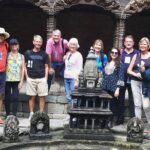
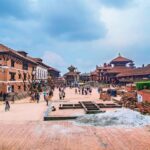
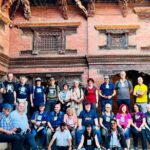
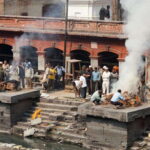
Stop 4: Kathmandu Durbar Square, the Ancient Royal Palace Site
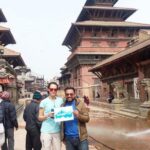
After Pashupatinath, the route continues to Kathmandu Durbar Square, described as an ancient royal palace of Nepal. The stop is about 1 hour, and admission ticket is not included.
This part of the tour shifts you from religious landmarks to royal heritage. Durbar Square is meant for people who like seeing how power, culture, and architecture connect. If you want the story behind a city, this is where your guide can turn your walk into a guided understanding of what you are seeing.
One caution: because entrance fees are not included, you may want to keep some cash or a payment method ready, since the tour package does not cover it. The good news is that the time is controlled. One hour is often enough to get the main sights without your legs feeling like they are filing a complaint.
This is also a practical stop for your energy. You are already on the move from earlier temples and you still have one final museum stop. A one-hour visit makes that sequence feel doable rather than exhausting.
Stop 5: Narayanhiti Palace Museum (The Royal Palace Turned Museum)
The last stop is Narayanhiti Palace Museum, described as the latest royal palace of Nepal now turned into a museum. You get about 40 minutes, with admission ticket not included.
This is a nice way to close the day because it shifts from active sacred spaces to an indoor or museum-style experience. A shorter final stop is great if you want a calm wrap-up rather than more outdoor walking. In 40 minutes, you can see the museum concept without needing half a day to process it.
If you like history but you also like not getting mentally overloaded, this ending works. You end with a structured environment where your guide can help you focus on the most relevant pieces rather than hoping you will interpret everything correctly on your own.
It also helps that the tour starts early enough to keep this from becoming a late-day shuffle. A 6 to 7 hour total duration keeps you from feeling stranded in Kathmandu when you just want to get back to your hotel.
Transport, Guide Style, and Why Punctual Pickup Matters Here
The biggest comfort win is the private car, paired with pickup and drop-off from your hotel. That matters in Kathmandu because travel time between sites can add up quickly, and negotiating transport on your own can turn a “sightseeing day” into a “problem-solving day.”
The experience feedback also highlights what you want to hear before you book: clean car, polite driver, and smooth drive. One note that stands out in the feedback is punctual pickup, even arriving a few minutes early. That sounds minor, but it changes your whole day. You stop wasting the first hour of your itinerary trying to figure out where your ride is.
Guide quality is the other major factor. In the feedback, guides named Mr. Subham and Bisham were praised for explaining everything and staying polite. That is what makes a private tour feel worth paying for. You are not just getting transportation, you are getting interpretation.
And yes, you get bottled water. It’s not a deal-breaker, but in a hot or active day, the small items matter.
Timing: How the 6 to 7 Hours Feels in Real Life
The itinerary runs about 6 to 7 hours. That range matters because Kathmandu traffic and site crowd patterns can affect timing. The structure still gives you a workable plan: two stops around free admissions, one longer religious temple visit, a one-hour heritage square, and a final museum stop.
Here is how I would think about it as you plan your day:
- The first hilltop Buddhist stop sets a tone.
- The second stupa stop resets pace.
- The mid-day Hindu temple is the longest, so you budget attention and energy.
- The palace square gives you heritage context.
- The museum closes the loop in a shorter block.
If you have a tight schedule, this kind of flow helps. It also helps if you are visiting for a short time and want to pack the most important Kathmandu Valley stops into a single day.
Who This Private Car Kathmandu Tour Is Best For
This tour fits best if you want a private, guided day that checks off major Kathmandu Valley landmarks without making you handle transport. It is also a good option for families or mixed-age groups who still want to see multiple sites but prefer pacing built around scheduled stop durations.
You’ll likely enjoy it if:
- you like temples and heritage sites and want guided explanations
- you prefer hotel pickup instead of figuring out transit on your own
- you want a calm structure rather than a chaotic free-for-all day
If you are the kind of person who hates paying for guided stops and wants full independent freedom, you might prefer to DIY. But if you want less hassle and clearer context, the private car setup is the point.
Should You Book This Kathmandu City Tour by Private Car?
I would book it if your priority is a well-managed half-day through Kathmandu Valley’s major temple and heritage highlights. The combination of hotel pickup, a clean private vehicle, an English-speaking guide, and a schedule with realistic stop lengths makes it feel like a day designed for actual humans, not just an itinerary on paper.
Book it especially if you want someone to help you understand what you are looking at, not just where to stand for photos. The guide quality is a repeated strength, and named guides like Mr. Subham and Bisham are part of why people seem to feel taken care of.
One reason you might hesitate is simple: entrance fees are not included, and several major stops are ticketed. If you hate unexpected costs, you’ll want to budget in advance for paid entries like Pashupatinath Temple, Kathmandu Durbar Square, and Narayanhiti Palace Museum.
If you can handle a bit of extra budget for entrances, this tour looks like a strong value for a private, guided Kathmandu Valley experience.
FAQ
How long is the Kathmandu City Tour by private car?
It runs about 6 to 7 hours.
What is the price per person?
The price is $80.00 per person.
Does the tour include hotel pickup and drop-off?
Yes, it includes hotel pickup and drop-off, plus round trip transfers by private car.
Is this a private tour or shared group?
This is a private tour/activity. Only your group participates.
Are the entrances included in the tour price?
Entrance fees are not included. The schedule lists free admission for Swayambhunath and Boudhha, while Pashupatinath Temple, Kathmandu Durbar Square, and Narayanhiti Palace Museum are not included.
Do you get an English-speaking tour guide?
Yes, the tour includes an English speaking tour guide.
Is bottled water provided?
Yes, bottled water is included.
What is the cancellation policy?
Free cancellation is available. You can cancel up to 24 hours in advance for a full refund, and changes within 24 hours are not accepted.
When will I get confirmation after booking?
Confirmation will be received at the time of booking.
More City Tours in Kathmandu
More Tours in Kathmandu

More Tour Reviews in Kathmandu
Not for you? Here's more nearby things to do in Kathmandu we have reviewed


Kathmandu City Sightseeing Tours, compared.
 ★ 5.0Private Kathmandu Sightseeing Tour | UNESCO World Heritage sitesFrom $17756 reviews
 ★ 5.0Kathmandu Highlights: Private UNESCO World Heritage Sites TourFrom $4950 reviews
 ★ 5.0Explore Kathmandu in 2 Days: UNESCO Sites & Nagarkot Sunrise TourFrom $10037 reviews
 ★ 5.0Full Day Kathmandu City Sightseeing Tour of UNESCO Heritage SitesFrom $5036 reviews
 ★ 5.0Private Full-Day Kathmandu All 7 UNESCO World Heritage Sites TourFrom $8030 reviews
 ★ 5.0Kathmandu City Tour – Private UNESCO World Heritage Sites TourFrom $1720 reviews
 ★ 5.0Kathmandu City TourFrom $10018 reviews
 ★ 5.0Explore Kathmandu with Local GuideFrom $7518 reviews
Browse the lists this tour appears in