
REVIEW · KATHMANDU UNESCO HERITAGE TOURS
Explore Kathmandu in 2 Days: UNESCO Sites & Nagarkot Sunrise Tour
Early mornings, big temples, real Kathmandu.
This two-day trip ties together UNESCO sites in Kathmandu and Patan with a sunrise run to Nagarkot and a second UNESCO hit in Bhaktapur. I like how the route keeps moving, so you see Hindu and Buddhist Kathmandu in the same breath, not as separate daydreams. I also like the included creative stop at the Thanka art school, plus the singing and healing bowl center, which gives you a calmer rhythm after temple walking. One thing to consider is the early 4am wake-up for Nagarkot, because the day starts before the city has properly brewed its morning.
What makes this tour feel practical is the full-day structure: pickup and drop from your hotel, a professional guide, and set time windows at each major site. In past experiences with this style of tour, a guide’s timing and local context can make the difference, and the reviews for this one repeatedly credit Prakash for being on time, well-communicated, and genuinely helpful.
The main drawback is budget math. The tour price is $100, but you also pay UNESCO entrance fees for five sites (NPR 4600, about USD 35 per person) and you’ll cover your own meals. If you’re traveling tight on cash, that extra line item can feel like a surprise rather than a small add-on.
Key highlights worth centering your planning on
- Nagarkot sunrise timing (4am departure), with a focused window for views of the Himalayas including Everest
- Pashupatinath, Boudhanath, and Swayambhunath as a three-stop mix of Hindu pilgrimage and Buddhist devotion
- Patan Durbar Square craftsmanship plus a visit to the Golden Temple (Hiranya Varna Mahavihar)
- Thanka art on cotton with natural colors, including styles like mandala and the wheel of life
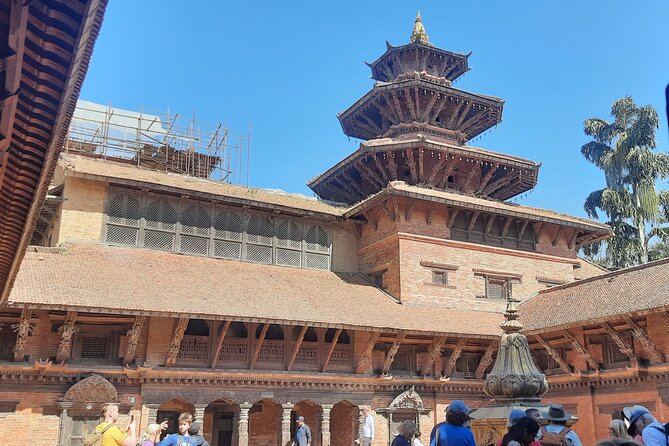
- Bhaktapur Durbar Square as a live museum vibe, with key monuments like Nyatapola Temple
- Hotel pickup and drop by tourist car, which saves energy on a city where traffic can be unpredictable
Kathmandu Valley UNESCO sites, without the chaos overhead
Kathmandu Valley UNESCO sightseeing can get overwhelming fast if you try to piece it together on your own. This is the reason I like organized routes like this: you trade decision fatigue for clear sequencing and a guide who can explain what you’re looking at while you’re still fresh.
Day 1 leans heavily into the religious core of the Kathmandu Valley, starting with Pashupatinath. Then you swing to Boudhanath and Swayambhunath, where the mood shifts from river rituals and temple life to Tibetan-influenced Buddhist practice and hilltop viewpoints. After that, you head into Patan, focusing on Durbar Square, where Newar craftsmanship is the main character.
Day 2 is more about stepping into a different kind of Kathmandu time. First comes the Nagarkot sunrise and Himalayas viewpoints. After breakfast, the tour moves to Bhaktapur, often described as a city that feels like a living museum, and the monuments there match that slower, older rhythm.
A few more Kathmandu tours and experiences worth a look
Pashupatinath, Boudhanath, and Swayambhunath: the Kathmandu spiritual triangle
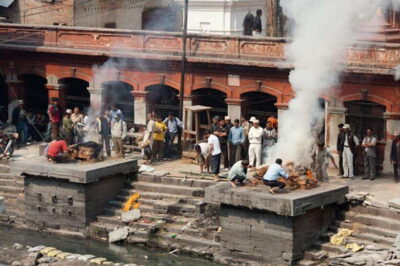
This tour’s Day 1 begins at Pashupatinath Temple, a major Hindu shrine in Kathmandu. You’ll have time to look at the big Shiva temple complex and, importantly, you’ll be there in the vicinity of the Bagmati river where open cremation ceremonies are part of the setting. If that detail makes you queasy, plan to keep your attention on the architecture and the flow of the temple grounds rather than forcing eye contact with anything you’d rather not see. This is not a sanitized stop, it is a real working religious site.
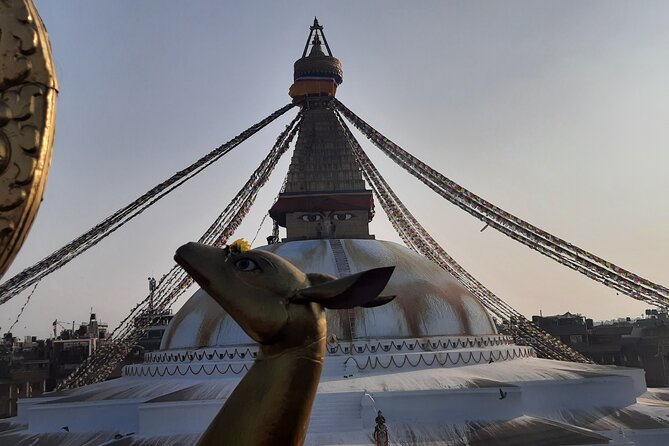
Next is Boudhanath Stupa, one of the most visually calming places in the city. The stupa area is surrounded by monasteries and reflects strong Tibetan culture influence. It’s a nice contrast to Pashupatinath because you’re likely to feel more stationary here, with space to observe prayer rhythms and the stupa itself from multiple angles.
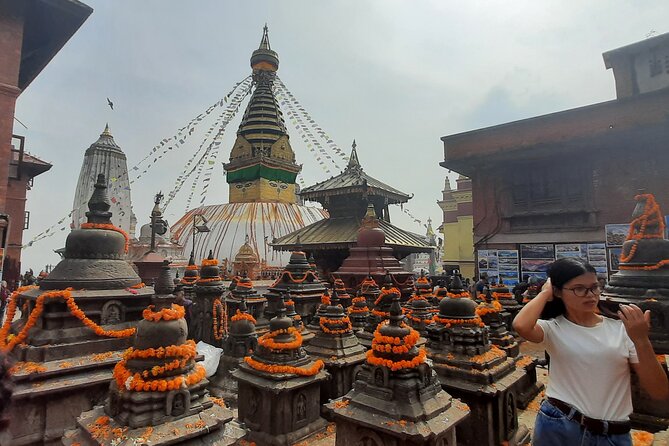
Then the tour climbs to Swayambhunath, also known as the Monkey Temple. The key practical point is the stairs. You should expect a climb as the stupa sits on top of a hill. If you pace yourself, it turns into part of the experience rather than a chore, because the views start opening as you gain altitude. Also, keep your belongings secure. This place is famous for monkeys, and you don’t want to bargain with the wrong striped opportunist at the top.
Each of these three stops is allotted around two hours, which is enough time to take photos, walk the main viewpoints, and let the guide translate what you’re seeing into something meaningful.
Patan Durbar Square and the Golden Temple: Newar art you can actually see
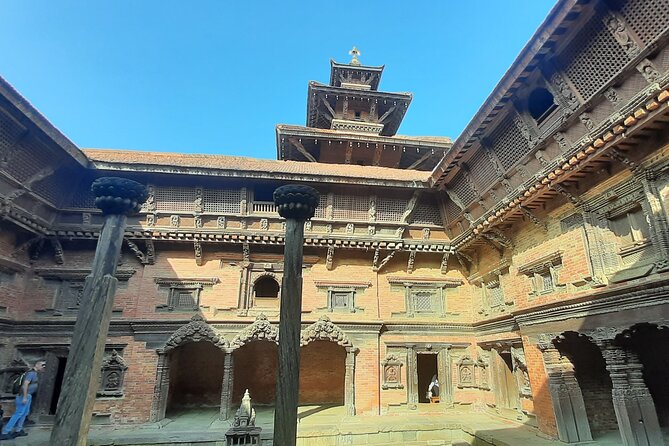
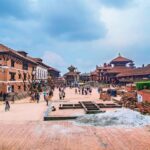
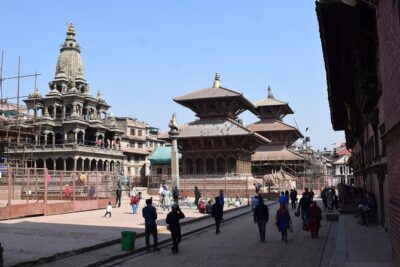
After the Kathmandu religious triangle, you move to Patan Durbar Square in Lalitpur. This is one of those places where the design work is not subtle. You’ll see wood and stone carvings of Hindu and Buddhist idols on temple walls and in smaller shrine spaces. The feel here is Newar craftsmanship at its best, tied to the era of Malla kings as patrons of art and architecture.
Patan Durbar Square is also where it becomes easier to understand why the Newar style matters. You’re surrounded by architectural details: carved windows, temple facades, and the kind of craftsmanship that feels obsessive in the best way. Even if you’re not a “temple architecture” person, this is the stop where your eyes start doing extra work and you begin noticing patterns.
Right after, you visit the Golden Temple (Hiranya Varna Mahavihar). Its real name is Hiranya Varna Mahavihar, while the front section is plated in golden color, which is why it’s commonly called the Golden Temple. If you like places where one specific feature tells the whole story, this one does it. The time is short, about 30 minutes, so arrive ready to look closely rather than expecting a long wandering session.
The overall tradeoff in Patan is that you get focused viewing rather than hours of wandering at a slow pace. For most people, that’s a good thing, because it keeps Day 1 from dragging and preserves energy for the evening and the next day’s sunrise.
Thanka art school plus singing bowls: a hands-on break from stone and stairways
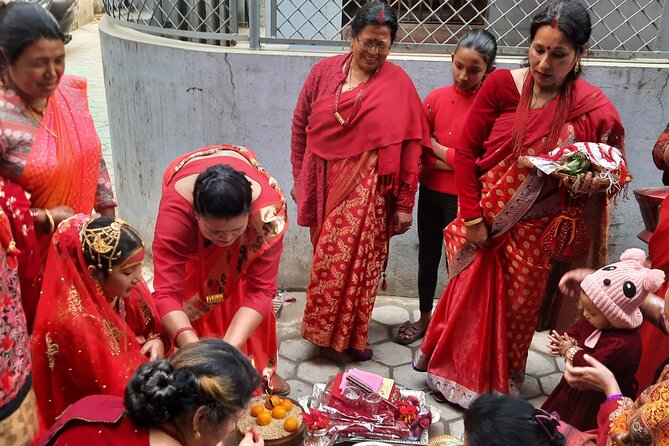
One of my favorite “bonus value” elements here is that you don’t only see heritage sites. You also get a cultural craft stop at the Boudha Stupa Thanka Center. This is a painting and art school experience, and you get a short visit that’s designed to show how Thanka artwork is created.
The description is specific: it’s painting on cotton clothes using natural colors. You might see examples and styles such as mandala, wheel of life, Buddha life story, and single point meditation painting. That matters because it turns a typically touristy souvenir category into something with context.
This stop also includes a free visit component, which is a nice perk given that the rest of the itinerary includes non-included UNESCO entrance fees. It’s only about 20 minutes, so think of it as a quick but meaningful creative intermission rather than a full workshop.
You’ll also have a stop at the Singing and Healing Bowl Center (included). The exact experience isn’t described in detail in the info you provided, but the practical value is clear. It’s a sit-down, sensory break that helps you recover between long walking segments. After you’ve stood in temple courtyards and read the visual language of carvings, hearing or experiencing the bowls can reset your attention.
Nagarkot at 4am: how to get the sunrise without ruining the trip
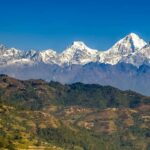
Day 2 starts early with Nagarkot sunrise and Himalayas views. The plan is to leave Kathmandu around 4am, and it’s about 1 hour 30 minutes by car, roughly 35 km. That early start is non-negotiable if you want the best shot at sunrise timing, and the value here is that your group is already organized to be there at the right moment.
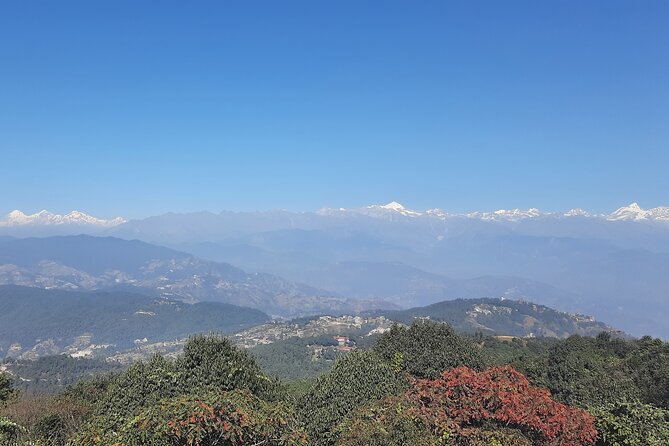
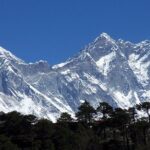
The payoff is big views: sunrise and Himalayan visibility, with the possibility of seeing Mount Everest and other mountains. You’ll also get views over the Kathmandu Valley and the city of Bhaktapur. Even when clouds or haze interfere, the viewpoint experience is still part of why Nagarkot is booked so often.
This stop lasts about three hours. That duration is practical. It gives you time to watch the light change, not just arrive for a quick photo, and it gives you room to stay patient if conditions shift.
What to plan mentally: you’re trading sleep for geography. If you hate early mornings, you’ll feel it. If you can handle the wake-up, this is the section where the tour feels most “worth it,” because few DIY itineraries manage the timing and viewpoint access as neatly.
A few more Kathmandu tours and experiences worth a look


Bhaktapur Durbar Square and Nyatapola: the living museum UNESCO feel
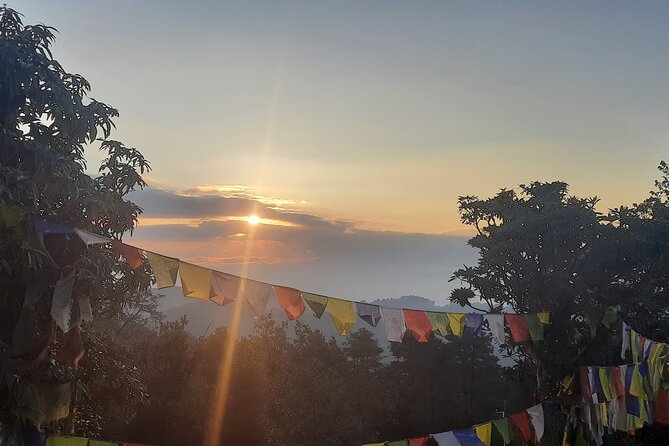
After sunrise viewing, the tour moves to Bhaktapur. The morning after comes with breakfast first, which is a smart sequencing choice since you’ve already spent energy on the hill.
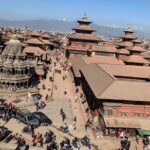
Bhaktapur is described as a city of devotees and a city of live museum. You’ll visit the Bhaktapur Durbar Square and get a chance to observe four major squares in the area. Time is about two hours, which is enough to see the key monuments without turning it into a sprint.
Bhaktapur is often the UNESCO stop where people notice the difference in atmosphere immediately. It feels older, less hurried, and more about craft and monument viewing than city-scape photo chasing. If you want “Kathmandu that feels less like Kathmandu,” this is where you should lean in.
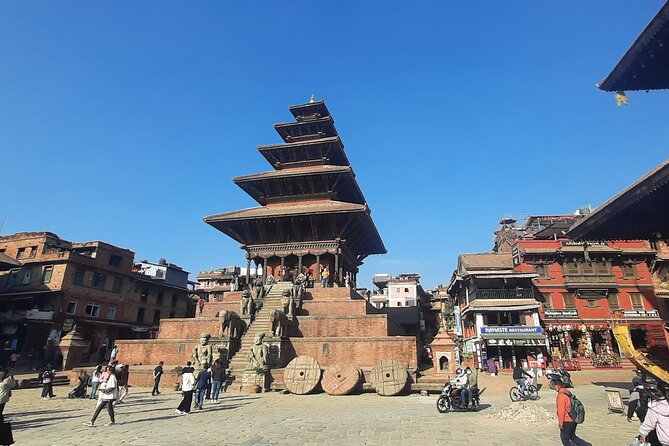
Then you add Nyatapola Temple, described as the tallest temple in Bhaktapur. It’s dedicated to Goddess Siddhi Laxmi and presented as a great example of Nepali or pagoda-style temple architecture. The visit is short, about 20 minutes, but that short window works well for a tall-structure stop. Stand back, look up, then walk in close enough to see details.
Near Nyatapola you also have the nearby Bhairab Temple mentioned. After that comes Dattatreya Temple, dedicated to God Dattatreya, described as a mixed incarnation of Brahma, Vishnu, and Shiva. Another short stop around 20 minutes keeps the flow moving.
Finally, you finish with Pottery Square, where handmade pottery and other items are created. This is a practical last stop for souvenirs, especially if you want something crafted locally rather than a mass-produced shop item. Time here is about 20 minutes and includes time for buying small mementos.
Price and logistics: where the real cost comes from
The tour price is $100 per person, and it includes pickup and drop by tourist car, a professional guide, the Thanka art school visit, the singing and healing bowl center, and a bottle of water per person. It also offers group discounts and uses a mobile ticket.
Then you hit the UNESCO entrance fees. The info provided says entrance fees for five UNESCO World Heritage Sites are NPR 4600, about USD 35 per person, and these are not included in the $100. Meals are also not included, so you need to budget for your own food and drinks. Gratuities are expected.
So in simple budgeting terms, you should plan for roughly $135 for the main tour plus UNESCO entrances, and then add meals and tips. For two full days that include multiple UNESCO sites, plus a sunrise drive to Nagarkot, plus craft and culture stops, the value is fairly strong, as long as you’re comfortable with the early start.
One logistics note that matters for comfort: the tour is listed as private, meaning only your group participates. That usually makes timing smoother and reduces the awkwardness of herding strangers between temples.
Also, this experience is commonly booked about 53 days in advance on average. If you’re traveling in high season, don’t assume you can book last minute.
Timing and temple etiquette that will keep your day smooth
This tour stacks multiple active locations, so your “success” depends less on the map and more on your energy management.
Wear comfortable walking shoes. Between stairways at Swayambhunath and repeated walking through temple squares, you’ll want support for uneven stones. Bring something to cover shoulders and legs if you tend to get cold easily when sitting in temple areas. The itinerary does not list dress requirements, but these sites are active places of worship, and you’ll feel more at ease when you dress respectfully.
Start-of-day energy matters. The Nagarkot segment is about 4am. Plan to go to bed early and keep your phone charged if you’re using it for photos. Sunrise viewing is a waiting game, and you don’t want low battery anxiety during peak light.
For photography, expect that not every corner is equally photo-friendly. You’ll be in functioning religious spaces at major shrines and stupa areas. When in doubt, follow your guide’s cues and focus on observational respect rather than filming everything.
Finally, keep a buffer for meals. Since meals are not included, treat food as your flexible variable and plan to eat near the end of each block rather than hunting down a sit-down place whenever hunger hits.
Who should book this tour, and who might want a different plan
This is a strong fit for you if you want two days that hit both the classic Kathmandu UNESCO highlights and the extra “wow” factor of Nagarkot sunrise. It’s also good if you like a guide-driven approach, especially since Prakash is specifically mentioned in the feedback as improving the trip with knowledge, timing, and a fun, friendly tone.
You might choose something else if you hate early mornings or you want a more slow, independent pace with lots of free time for wandering and café breaks. This tour is structured. That’s a plus for many people, but it isn’t built for long solo detours.
If you’re traveling with someone who needs a mix of sacred sites and cultural crafts, the Thanka art stop and singing bowl center help balance the heavy temple load.
Should you book this Kathmandu Valley and Nagarkot sunrise UNESCO tour?
I’d book it if you want maximum UNESCO coverage in two days, with one standout non-temple moment at Nagarkot sunrise, plus a cultural craft stop that doesn’t feel like a forced shopping stop. The inclusion of pickup and drop by tourist car, a professional guide, and the short creative intermission make the schedule feel workable.
Skip it or reconsider if your budget can’t flex for the UNESCO entrance fees and meals. Also be honest about the 4am start. If you can’t handle that, the rest of the itinerary will still be impressive, but the tour’s main advantage will feel like punishment instead of reward.
If you do book, pack practical temple walking gear, charge your camera, and rely on the guide for pacing. A good guide, like Prakash as mentioned in the experiences around this tour, is often the difference between seeing temples and actually understanding what you’re looking at.
FAQ
What is the duration of this Kathmandu experience?
It runs for approximately 2 days.
What does the tour cost?
The tour price is $100.00 per person.
Are hotel pickup and drop-off included?
Yes. The tour includes hotel pick up and drop by tourist car.
Is a guide included?
Yes. A professional guide is included.
Are meals included in the price?
No. Meals are not included, and you pay for your own food and drinks.
What about UNESCO entrance fees?
Entrance fees for five UNESCO World Heritage Sites are not included. The cost is NPR 4600 or about USD 35 per person.
Is the Nagarkot sunrise included?
Yes. The tour includes Nagarkot sunrise and Himalayas views, with an early departure around 4am.
How far is Nagarkot from Kathmandu and how long is the drive?
It is about 35 km from Kathmandu and takes about 1 hour 30 minutes by car.
What cultural activities are included besides the temples?
The tour includes a traditional Thanka art school visit and a singing and healing bowl center.
Can I cancel for a full refund?
Yes, free cancellation is available. You can cancel up to 24 hours in advance for a full refund.
More Morning in Kathmandu
More Tours in Kathmandu

More Tour Reviews in Kathmandu
Not for you? Here's more nearby things to do in Kathmandu we have reviewed


Kathmandu UNESCO Heritage Tours, compared.
 ★ 5.0Private Kathmandu Sightseeing Tour | UNESCO World Heritage sitesFrom $17756 reviews
 ★ 5.0Full Day 7 UNESCO Tour with Lunch – Private/GroupFrom $10415 reviews
 ★ 5.0Full Day Top 4 UNESCO Tour with Lunch – Private/GroupFrom $10269 reviews
 ★ 5.0UNESCO Seven World Heritage Tour in KathmanduFrom $180253 reviews
★ 4.9Full-Day 7 UNESCO Tour with Lunch – Private/GroupFrom $5247 reviews
★ 5.0UNESCO Seven World Heritage Tour in KathmanduFrom $180253 reviews
★ 4.9Full-Day 7 UNESCO Tour with Lunch – Private/GroupFrom $5247 reviews
 ★ 4.97 UNESCO Sites Tour in 1 Day (Private Tour)From $4204 reviews
 ★ 4.9Top 4 UNESCO Tour with Lunch – Private/GroupFrom $5181 reviews
 ★ 5.0Kathmandu Private Sightseeing Tour | UNESCO World Heritage SitesFrom $35109 reviews
Browse the lists this tour appears in