
Monkey Temple, giant stupas, sacred river, one packed day. This is a Kathmandu Valley tour built around UNESCO World Heritage stops, starting at Swayambhunath and sweeping through temples and durbar squares that feel totally different from each other. I especially like how the day gives you variety fast, from a hilltop stupa to palace squares without wasting hours changing plans.
I also really like the pacing with private transportation and an experienced guide, plus a small group limit of up to 15 people. That matters in Kathmandu, because you want someone helping you make sense of what you are seeing, whether it is the Newari temple clusters in Patan or the sacred setting of Pashupatinath on the Bagmati River.
One drawback to plan around: the timing is tight. Several major stops are listed at about 30 minutes, and monuments entrance fees (worth about 30 USD) plus lunch are not included.
Key highlights you will feel fast
- Five UNESCO sites in one day, centered on Swayambhunath, Patan Durbar Square, Boudhanath, Pashupatinath, and Kathmandu Durbar Square
- Short, focused visits (around 30 minutes at multiple stops), so you get the big moments without a long grind
- Hindu and Buddhist mix you can actually see on the route, from Monkey Temple to Boudhanath Stupa
- Pashupatinath by the Bagmati River, with the temple complex tied to Nepal’s national deity
- Small group size (max 15), which keeps the day easier to manage than large bus tours
Why this 4 to 6 hour route works for first-timers
If you have only one day in Kathmandu, this kind of route is hard to beat. You are not just checking off landmarks, you are moving through different religious and cultural zones of the valley, in a logical order that reduces backtracking.
I like that the day is built for people who want to get their bearings quickly. The itinerary starts with Swayambhunath, then shifts into durbar square architecture, moves to the scale of Boudhanath, and finishes with major temple and palace sites. By the end, you understand why Kathmandu is often described as a city of temples, without needing days of museum hopping.
Also, the duration being listed as about 4 to 6 hours means you can still do something else later the same day. You are not locked into a full day that eats your entire trip rhythm.
You can also read our reviews of more historical tours in Kathmandu
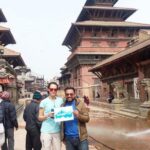
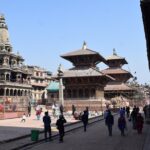

Price and logistics, what $40 really means
At about $40 for the experience, the value mostly comes from private transportation plus an experienced guide. That is the part you would usually pay for anyway, especially if you want a straightforward route across multiple UNESCO sites.
Two costs to budget mentally: lunch is not included, and monuments entrance fees are listed as worth about 30 USD. That does not make the tour expensive, it just means the sticker price is not the whole day cost. Think of the $40 as paying for the organized movement and guidance, and expect to add on site fees and food.
You also get pickup offered, a mobile ticket, and group discounts. Since the meeting start time is 9:15 am, having pickup can help you avoid the early-morning scramble.
Finally, the group cap of 15 travelers is a big deal for comfort. It usually means less waiting around at quieter moments, and it is easier for your guide to keep everyone together.
Swayambhunath Monkey Temple: a Hindu-Buddhist warm-up
Most people enter the Kathmandu Valley from street level, so starting at Swayambhunath feels like a reset. This is the famous Monkey Temple, and it is described as a blend of Hinduism and Buddhism, which is exactly the kind of contrast you want early in the day.
Swayambhunath is also loaded with story. There is a legend that the stupa emerged spontaneously when the valley was formed from a primordial lake more than 2,000 years ago. Even if you do not treat legends as literal history, they help explain why the site is taken so seriously.
The visit time at Swayambhunath is listed at about 30 minutes. With that window, I recommend treating it like a “first impressions” stop. Look up at the chaityas and the stupa setup, notice the mixed religious feel, then take a few minutes to orient yourself for the rest of the day.
Practical consideration: hilltop temple areas can mean stairs and uneven stone. Wear shoes you can trust, and keep your water handy since lunch is not included.
Patan Durbar Square: concentrated Newari temple architecture
After Swayambhunath, Patan Durbar Square shifts the tone from hilltop spirituality to carved stone and palace-temple energy. This is the royal palace area of Patan, and the stand-out feature is the concentrated mass of temples in Newari architecture.
The guide value here is real. Durbar squares can look like a cluster of buildings at first glance, but a good explanation helps you understand the layout and why the architecture feels so dense. If you are into details, this is the stop where your questions will actually get answered.
The time at Patan Durbar Square is listed at about 30 minutes. That can feel short, but Patan is not a place you have to fully “do” to appreciate it. Even in a short visit, you can walk the main temple zone and see why this durbar square is often described as visually overwhelming in the best way.
One extra note from real-world Kathmandu experience: if your guide has a knack for local food detours, this is a good spot to ask for a nearby bite. People who toured with guides such as Ajit have been pointed toward local momo around Patan, which is a nice break between monuments.
Boudhanath Stupa: the huge dome that changes your scale
Next comes Boudhanath Stupa, and it is the kind of sight that makes you stop walking for a moment. This site is said to have been built around the 14th century, and it is connected to the story of Gautam Buddha. The description you get here matters because the stupa is designed to feel monumental, not just decorative.
Boudhanath is known for its giant dome, with a Buddhist pyramid on top of the dome. That shape tells you something about how the site functions spiritually, and why worship here feels different than in smaller temples.
Your time at Boudhanath is listed at about 30 minutes, and that is enough to notice the scale and get your bearings. I like using this stop to slow down a bit. Spend a little time looking at the main structure from different angles, then decide where you want to focus your attention before moving on.
Practical tip: stupa areas can involve crowds at certain times. If you want photos, give yourself a couple of tries. If you want calm, keep your mindset flexible and follow the flow of foot traffic.
A few more Kathmandu tours and experiences worth a look
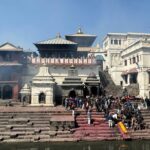
Pashupatinath Temple by the Bagmati River: Nepal’s national deity setting
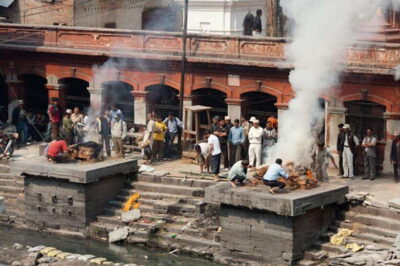
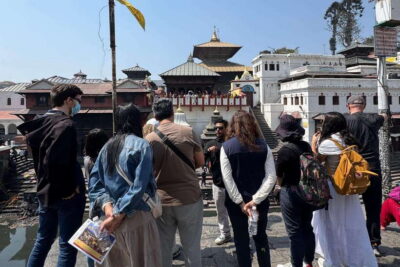
Pashupatinath is the “major pilgrimage site” stop of the day. It is situated on the bank of the Bagmati River, and the temple complex is described as a sprawling collection tied to Nepal’s national deity.
This is one of those places where the setting is part of the meaning. A riverbank temple changes the atmosphere. You feel the combination of devotion, tradition, and daily life around it, even if you are only there briefly.
Because the itinerary section you have does not list a specific duration for Pashupatinath, plan for it to take the time it takes. It is likely the kind of stop where you cannot just sprint through. Even if your schedule is tight, keep a bit of buffer for slow walking, looking around, and letting the space land.
Cultural sensitivity matters here. Dress and behavior should be respectful at a major Hindu pilgrimage site. If you are unsure, it is safer to choose covered shoulders and knees, and keep your voice down.
Kathmandu Durbar Square and the Kumari Temple stop
The final historic zone on the route is Kathmandu Durbar Square, which is also connected to the Basantapur Durbar Square area. Durbar Square sites are palace-temple spaces, not just single buildings, so they reward a slow scan even when your listed time is about 30 minutes.
One specific highlight included is the Kumari Temple. That means you are not only looking at architecture, you are also getting a glimpse of a living tradition connected to the temple complex.
This stop is a good place to consolidate what you learned earlier. By now you have seen the stupa scale of Boudhanath, the Newari temple concentration of Patan, and the religious complex feel of Pashupatinath. Kathmandu Durbar Square ties those threads together into a broader picture of how royal and religious spaces overlap in the valley.
For this final segment, I suggest using the 30 minutes strategically. Spend the first few minutes orienting, then pick one cluster or courtyard to focus on so you get something real out of a short stop.
What to do for lunch and energy during the day
Lunch is not included, and that is important. A 4 to 6 hour sightseeing block can run long if you feel hungry or distracted, so do not rely on finding a perfect meal at the exact moment you are ready to eat.
I recommend thinking of food as a planned part of the schedule. If you find yourself with a gap, grab something quick near the durbar squares or temple zones, then keep your main meal for later.
Also, Kathmandu guides often know where people can find simple local comforts. In the past, guides associated with this kind of tour have helped visitors with local picks like momo around Patan and lassi around Indra Chowk. Even if you do not get the same exact recommendation, asking your guide where locals stop for a quick bite is a smart move.
Weather and pacing, what can affect your day
This experience requires good weather. If it is canceled due to poor weather, you will be offered a different date or a full refund. That means you should pay attention to your forecast, not just your calendar.
The good news is the itinerary is relatively short. Because you are not traveling to remote areas, weather issues usually affect the day’s comfort more than your ability to see anything at all. Still, rain can make walking unpleasant, and temple steps can feel slick.
If you go on a clear day, you will enjoy the hilltop start at Swayambhunath even more, since views and orientation tend to be better when visibility is good.
Who this Kathmandu UNESCO tour is best for
This tour is a strong match if you want a one-day hit of major sites without planning every turn. It is also good if you like the idea of a guide translating what you are looking at, especially for complex places like durbar squares and temple complexes.
You will probably like it most if:
- you want to cover multiple UNESCO sites in one organized route
- you prefer private transportation over independent hopping
- you enjoy history and religion through places you can actually walk through, not just read about
You might want to think twice if:
- you dislike short stop times, since several listed stops are about 30 minutes
- you do not want to handle entrance fees on top of the tour price
- you need a very flexible schedule, since the route is designed as a structured loop
Should you book this Kathmandu UNESCO day tour?
Yes, if your goal is a practical, guided overview of Kathmandu Valley’s top UNESCO sites in one tidy block. The value is strongest when you take it as a “see the big things, understand the context” day: private transport, an experienced guide, and a route that mixes hilltop stupa views, palace architecture, and major pilgrimage settings.
Before you book, just do two things: budget for monument entrance fees (about 30 USD) and lunch, and plan around weather since the operator says good conditions are required. If you do that, you will likely end the day with a clear sense of why Kathmandu’s sacred sites feel so close together, even when the styles and beliefs differ.
FAQ
What time does the Kathmandu tour start?
The tour start time is listed as 9:15 am.
How long is the tour?
The duration is approximately 4 to 6 hours.
Which UNESCO World Heritage sites are included?
The tour includes five sites in the Kathmandu Valley: Swyambhunath Stupa, Bouddhanath Stupa, Pashupatinath Temple, Basantapur Durbar Square (Kathmandu Durbar Square), and Patan Durbar Square.
Is pickup included?
Pickup is offered.
Is lunch included?
No, lunch is not included.
Are entrance fees included?
No. Monuments entrance fees worth about 30 USD are not included.
How big is the group?
This tour/activity has a maximum of 15 travelers.
Is there a mobile ticket?
Yes, mobile ticket is mentioned as part of the tour.
What happens if weather is poor?
The experience requires good weather. If it is canceled due to poor weather, you will be offered a different date or a full refund.
Is the tour refundable if I cancel?
The experience is non-refundable and cannot be changed for any reason. If you cancel or ask for an amendment, the amount you paid will not be refunded.
More Historical Tours in Kathmandu
More Tours in Kathmandu


More Tour Reviews in Kathmandu
Not for you? Here's more nearby things to do in Kathmandu we have reviewed


Kathmandu UNESCO Heritage Tours, compared.
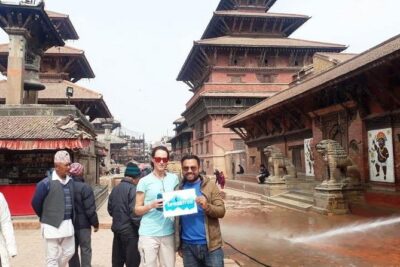 ★ 5.0Private Kathmandu Sightseeing Tour | UNESCO World Heritage sitesFrom $17756 reviews
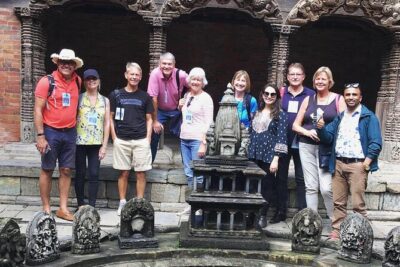 ★ 5.0Full Day 7 UNESCO Tour with Lunch – Private/GroupFrom $10415 reviews
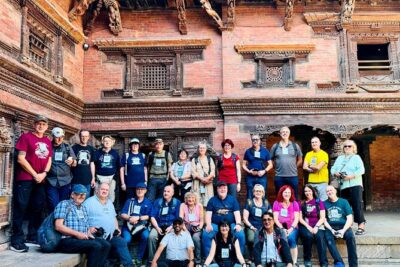 ★ 5.0Full Day Top 4 UNESCO Tour with Lunch – Private/GroupFrom $10269 reviews
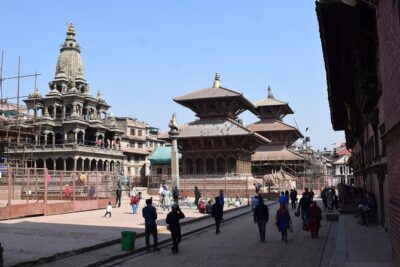 ★ 5.0UNESCO Seven World Heritage Tour in KathmanduFrom $180253 reviews
★ 4.9Full-Day 7 UNESCO Tour with Lunch – Private/GroupFrom $5247 reviews
★ 5.0UNESCO Seven World Heritage Tour in KathmanduFrom $180253 reviews
★ 4.9Full-Day 7 UNESCO Tour with Lunch – Private/GroupFrom $5247 reviews
 ★ 4.97 UNESCO Sites Tour in 1 Day (Private Tour)From $4204 reviews
 ★ 4.9Top 4 UNESCO Tour with Lunch – Private/GroupFrom $5181 reviews
 ★ 5.0Kathmandu Private Sightseeing Tour | UNESCO World Heritage SitesFrom $35109 reviews
Browse the lists this tour appears in