

REVIEW · PATAN & LALITPUR TOURS FROM KATHMANDU
Folklore and Everyday Life in Ancient Patan
Patan holds stories in everyday corners. This walk through ancient Lalitpur focuses on how Newar Buddhism and Tantric Hindu practice shape daily life, not just monuments on a postcard. I love the way the route stays in old neighborhoods with courtyards and shrines, so you understand Patan as a living place.
I also love the guide factor: Sandip and Pinhua bring the details to life with humor, pointing out what to notice in doors, woodwork, and street rhythms, including falchaa resting areas and the sacred roles of courtyard spaces.
One consideration: the tour does not include Patan Durbar Square itself, so if you want the main palace complex, you will need to add time and extra museum ticket fees.
Key Highlights You Should Know

- Courtyard-first Patan: Pimbahal, Nyakhachowk, and Nagbahaa show how faith and daily life share the same space.
- Monastery scale you can see: Pimbahal is a major Newar Buddhist monastery with 4,000+ ordained monks and famous carved work.
- Architecture you can read: You get a practical visual guide to traditional elements like falchaa resting areas and ancestral shrines.
- Art shaped by old global contact: Nagbahaa includes a discussion of Greek influence and Hellenistic impressions in Buddhist and Hindu iconography.
- A useful finish point: The walk ends at Swotha Square, close enough to continue on to Patan Durbar Square if you want.
- Small group feel: Max group size is 10, which helps the guide keep it personal.
Walking Patan Like a Local, Not a Tourist Shortcut

Patan is often marketed by its big sights, but the real culture shows up in the small stuff: courtyards, side shrines, and quiet religious routines you would miss if you only chase major temples. This tour is built around that idea. Instead of rushing straight to the palace complex, you start near Patan Dhoka and move through the old town around the main square area for a more local, nuanced view.
What makes it appealing is the mix of faith and street life. You do not just hear religious facts. You connect them to how people actually live with their beliefs in everyday space. Expect Newar Buddhist monastic life, Tantric Hindu practice, and the way shrines sit alongside homes and community areas.
And the pace fits the goal. With a duration of about 2 hours to 2.5 hours, you have time to look closely without feeling like you are sprinting through lanes. You are also in a small group, with a maximum of 10 people, so questions stay in range and the guide can steer the conversation toward what you notice.
You can also read our reviews of more tours and experiences in Kathmandu.

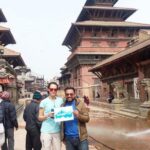

Getting Started at Patan Dhoka and Finding the Old Town Rhythm
The walk starts at the entrance gate of the old town of Patan, near Patan Dhoka on Patandhoka Road in Lalitpur, with a start time of 10:00 am. The finish is at Swotha Square, which is only a short walk from Patan Durbar Square.
That meeting and ending setup matters. Starting at Patan Dhoka helps you enter the old town zone with less confusion, and ending near Swotha Square gives you a natural next step if you want to visit the Durbar Square complex after the tour. Since the tour intentionally does not cover Patan Durbar Square, you can treat it like a focused primer. Then you decide how much time to spend at the ticketed main palace area and museum afterward.
No pick up or drop off is included, so plan to reach Patan Dhoka on your own. The tour is near public transportation, which helps. Also, the tour works best in good weather, so if the sky is rough, the operator may offer a different date or a full refund.
Stop 1: Pimbahal Courtyard and Newar Buddhist Monastic Life
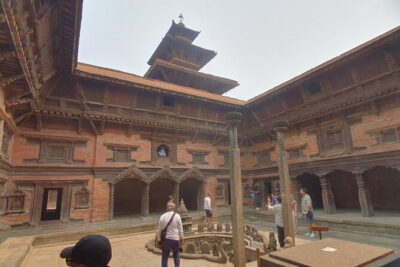
Your first major stop is Pimbahal, a Newar Buddhist monastery area reached through traditional courtyard settlement patterns. This is where the tour’s “everyday faith” theme starts to click. Courtyards in Patan are not just open air. They function as social and spiritual space, and the guide uses that idea to connect indigenous knowledge with religious practice.
Pimbahal is also big enough to reset your sense of scale. You are looking at a monastery known for more than 4,000 ordained monks in the monastic order. When a place is that active, it shapes sound, movement, and the feel of the surrounding neighborhood.
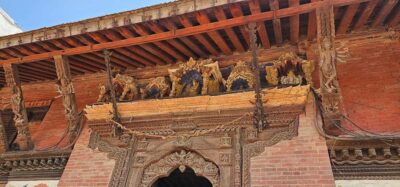
You will also notice the craftsmanship. The tour highlights the intricate woodwork and carved detail that make Pimbahal worth lingering over. Even if you are not a “museum person,” this is the kind of stop that teaches you how to look. Instead of taking photos and moving on, you learn what details matter and how the design supports the sacred role of the space.
What to watch for: carved surfaces, how sacred space is framed, and how courtyard design encourages community routines rather than isolation.
Stop 2: Nyakhachowk Courtyard, Falchaa Resting Areas, and Neighbors’ Shrines

From Pimbahal, you take a cosier path and shift from monastery scale to daily architecture. Nyakhachowk is your next courtyard stop. The point here is to help you “read” the street and buildings as a system of local living.
One of the tour’s practical highlights is the traditional architecture you are guided to notice. You will see falchaa resting areas, which are part of how daily life accommodates people moving through the neighborhood. That detail sounds small until you realize it is a built-in social habit, not just decoration.
You also look at ancestral shrines and vernacular houses. This is where you get a sense of how faith and family memory share space. In Patan, religious symbolism does not only live in big temples. It shows up at human scale, tied to homes and neighborhood identity.
Nyakhachowk is also described as having one of the mos… structures nearby in the area, pointing to the way multiple sacred traditions exist in the same urban fabric. The lesson for you is not to treat Patan like one “mono-faith” story. It is a real city with overlap.
Possible drawback here: if you prefer nonstop temple stops, this part may feel more architectural than dramatic. The payoff is understanding how the city works.
Stop 3: Nagbahaa Courtyard and the Story Inside the Iconography

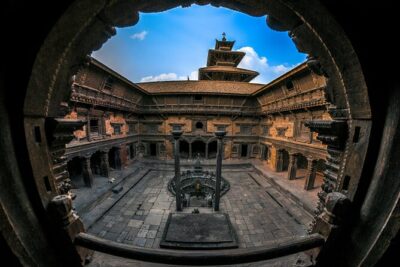
Nagbahaa (Nag Bahal) is one of the largest courtyards in old Patan, and it is where the tour makes a bigger leap from local routine to wider art history. The guide uses this stop to talk about how globalization, in older times, influenced traditional art.
This is the section that can surprise you, even if you know Patan’s Buddhist and Hindu connections. You learn about Greek influence and Hellenistic impressions that show up in Buddhist and Hindu iconography. The idea is simple: religious art in Kathmandu Valley did not develop in a vacuum. Styles traveled, ideas shifted, and artists adapted influences to local beliefs.
This stop is short compared with the others, but it is dense with meaning. You are given a framework for what you are seeing, and then you look again with better eyes. That is why this tour earns its reputation as a strong “understand the Kathmandu Valley” walk. It connects small courtyard experiences to bigger cultural currents.
What to watch for: icon shapes, decorative patterns, and how a familiar religious figure might carry unusual styling.

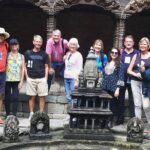


Stop 4: Swotha Square, Temples, Shrines, and Tea-Stop Energy

The tour ends at Swotha Square, a pleasant finish with temples, shrines, and tea shops. This is a smart ending point because it is not just a “drop you off” moment. You get a sense of where the neighborhood’s everyday energy continues after the guided portion.
Swotha Square also gives you a practical way to plan your next move. If you want to see Patan Durbar Square, the guide can point you toward it. That main palace complex is ticketed, and the museum inside is specifically described as worth your time if you choose to continue. The important detail is that you are not forced into it during the 2-hour walk. You control the extra time based on your interests and your budget.
So you can do this in a way that feels natural. You start with the local courtyards and belief patterns. Then, if the main Durbar Square complex still calls your name, you layer it on top with context.
Price and Value: What $65 Gets You in Real Walking Time

At $65 for about 2 to 2.5 hours, this tour is positioned as a mid-range, guide-led cultural walk. The price makes more sense when you look at what is included and what is not.
Included:
- Experienced local guide
- Mobile ticket
- Courtyard access points where admission tickets are free at the stops listed
Not included:
- Pick up and drop off
- Patan Durbar Square (including its museum entry, which carries extra admission fees)
That matters for value. The walk concentrates on courtyards, monasteries, and neighborhood architecture, with free admission at the stops you visit. The main Durbar Square remains optional after the tour, so you can decide whether you want to spend more money for the palace complex and museum experience.
The small group size also supports the value. With up to 10 people, your guide can answer questions and slow down when you want to look longer at something specific.
If you are budgeting in Kathmandu Valley, this tour can function as a “culture orientation” before you buy bigger ticket attractions. It also works well if you are on a tight schedule and still want more than a quick photo walk.
Who This Tour Fits Best (and Who Might Want a Different Style)

This walking tour is best for you if you want culture with context. If your interest is Newar Buddhism, Tantric Hinduism, and the way those beliefs appear in everyday urban space, you will likely get a lot from the route and explanations.
It is also a good match if you like guided storytelling. The reviews and tour descriptions emphasize humor and a guide who brings local folklore into a format you can follow while walking. Sandip is specifically mentioned as an especially strong guide, with an easygoing approach and lots of practical cultural detail. Pinhua is also referenced in a positive way, suggesting a warm, human team dynamic.
This tour may feel less ideal if:
- You mainly want the headline monument experience right away, since Patan Durbar Square is not covered.
- You dislike walking through narrow lanes and courtyards for close viewing. The tour does say most travelers can participate, but it is still a city walking experience.
Practical Tips for Your Walk in Ancient Patan
- Wear shoes you trust. Patan’s old town streets and courtyard paths are not built for fragile soles.
- Bring patience for small moments. The best parts here are the details, like shrine placement and courtyard layout, not just big buildings.
- If you plan to add Patan Durbar Square afterward, you will need extra time and money for the ticketed areas and museum entry.
- Start with an open mind. The Greek influence topic at Nagbahaa is exactly the kind of “I did not expect that” moment that makes this walk memorable.
Should You Book This Patan Courtyard and Folklore Tour?
Yes, you should book it if you want to understand Patan as a living neighborhood where faith and daily life share the same physical space. The biggest strength is the route: courtyards first, monastery scale in Pimbahal, everyday architecture in Nyakhachowk, iconography and cross-cultural influence at Nagbahaa, then a smooth landing at Swotha Square.
I would skip it only if you are strictly chasing Patan Durbar Square highlights. Since this tour does not cover the palace complex, you would end up doing it separately anyway. If your time and budget only allow one guided experience, this courtyard-focused approach gives you more cultural meaning per hour.
FAQ
What is the duration of the Folklore and Everyday Life in Ancient Patan tour?
The tour lasts about 2 hours to 2 hours 30 minutes.
Where does the tour start and end?
It starts at Patan Dhoka on Patandhoka Road in Lalitpur and ends at Swotha Square.
Is Patan Durbar Square included in this tour?
No. Patan Durbar Square is not covered. The tour ends near it, and you can visit it independently afterward if you want.
What is included in the ticket price?
It includes an experienced local guide and a mobile ticket.
What is the group size limit?
The tour has a maximum of 10 travelers.
What time does the tour run?
The start time is 10:00 am.
Can I cancel for a full refund?
Yes. You can cancel up to 24 hours in advance for a full refund, and the experience may be moved or refunded if weather is poor.
More Tour Reviews in Kathmandu


Not for you? Here's more nearby things to do in Kathmandu we have reviewed


Patan & Lalitpur Tours from Kathmandu, compared.
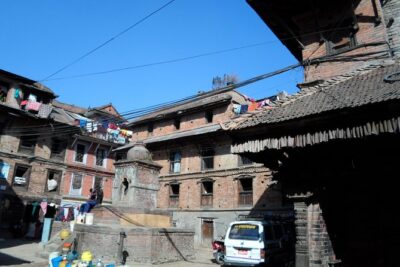 ★ 5.0Bhaktapur & Patan Durbar Square Day ToursFrom $50122 reviews
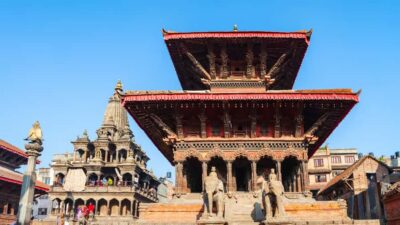 ★ 4.7Private Patan and Bhaktapur Sightseeing TourFrom $4964 reviews
 ★ 5.0Patan and Bhaktapur City Full Day TourFrom $5024 reviews
 ★ 4.5City tour of Bhaktapur and Patan Durbar SquareFrom $11020 reviews
 ★ 5.0Patan Heritage Tour – Private/Small GroupFrom $514 reviews
 ★ 5.0Kathmandu and Patan Heritage and Living Goddess Experience TourFrom $5012 reviews
 ★ 5.0Patan & Bhaktapur Durbar Square Tour with Lunch – Private/GroupFrom $511 reviews
 ★ 5.0Nagarkot Sunrise, Bhaktapur and Patan Durbar Square Tour in KathmanduFrom $13010 reviews
Browse the lists this tour appears in