

REVIEW · TOURS
Fixed Departure Tibet Overland Group Joining Tours.
Eight days, big views, real Tibetan life. This fixed-departure overland group trip from Kathmandu strings together high passes, classic monasteries, and major Lhasa landmarks, with Yamdrok Tso and the English-speaking Tibetan guide doing a lot of the heavy lifting. I like that you get a full cultural hit across multiple regions, not just a Lhasa blur, and I also like the built-in structure that covers key entrance fees and the Tibet travel permit. One thing to consider: the early start at 5:15am and the long driving days, plus altitude passes, means you should be ready for a physically busy schedule.
You travel with a maximum of 30 people, in twin-sharing rooms on a bed-and-breakfast basis, and pickup is offered. The price is $1,300 per person, which is reasonable for a cross-border group plan when permits and monastery entrance fees are included, but you will still need to budget for lunches, dinners, and personal costs.
Key reasons this tour is getting strong marks

- The guide support matters: an English-speaking Tibetan guide is included, and coordination from staff like Gokul and Asmita shows up as a repeated highlight.
- You see more than Lhasa: monasteries and sights in Gyantse and Shigatse, plus the road through Tibetan countryside, make the trip feel like a route, not a checklist.
- Big scenery moments are built in: passes over 4,700m and 5,000m, plus Yamdrok Tso, give you frequent view breaks.
- Permits and entrance fees are handled: the Tibet travel permit and monastery entrance fees are included, reducing your admin stress.
- Group size stays manageable: up to 30 travelers helps keep the day-to-day smooth.
Price and Logistics: what your $1,300 really covers

At $1,300 per person, this is a straightforward “group overland” deal: you are paying for transport (van or bus as per the plan), a guide, lodging in twin-sharing rooms with breakfast, and the big paperwork and site costs that can otherwise add up quickly in Tibet.
What you should still expect to pay separately is spelled out clearly: lunch and dinner are not included, and train or air fare for any sector is not included. Personal expenses like drinks and tips are on you too. If you prefer solo rooms, the single supplement is mentioned as not included, so plan ahead if you want privacy.
The tone of the trip is also practical: confirmation at booking, a max group size of 30, and pickup offered from Kathmandu. That matters because Tibet logistics can be the kind of thing that ruins a trip if you do it late or piecemeal.
You can also read our reviews of more tours and experiences in Kathmandu.
Getting permits and using your original passport on time
This is the part that can make or break your experience, so don’t treat it like paperwork theater.
For Tibet visa and booking confirmation, you need your original passport ready early: at least 3 working days in advance for the Tibet visa process, and minimum 15 working days in advance for Tibet tour permit booking confirmation. That means you should not wait until the last minute, even if your flight plans are flexible.
If you like to travel fast and decide late, this is a flag. If you plan properly, the benefit is big: the tour includes the Tibet travel permit, and it is designed to take the admin burden off your shoulders.
Day-by-day overland route: Kerung to Shigatse to Lhasa and back
This trip is really two things at once: a route across some serious altitude country, and a curated sequence of religious and historical sites. The “why” behind the itinerary is simple, you see the same Tibetan world from different angles, monastery to monastery, valley to plateau road.
Day 1: Kerung border and the uphill drive
You start early and drive to the Kerung Border, passing through countryside en route. After border formalities, the day turns into an uphill drive toward Kerung.
The value of this day is that it sets the tempo. You ease into the trip with time spent moving through the region, then you shift from paperwork mode to travel mode.
A practical consideration: border days can be unpredictable in timing. This is one of those situations where good shoes, layers, and a calm attitude beat complaining every time.
Day 2: toward the high plateau, with Himalayan views
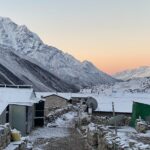
After breakfast, you keep going toward the highest plateau. The drive is built around Tibetan scenery and Himalayan views. When you reach Tengri, you get a chance to see spec… (the plan is clearly describing a scenic stop before you continue onward).
This is the day for big sky and high-altitude feeling. If you get motion sick easily, plan for it on long drives, because Tibet overland is mostly road time.
Day 3: Shigatse day, crossing Gyatchu La (5,220m)
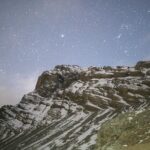
You continue to Shigatse, crossing Gyatchu La (5,220m), described as the highest pass of the trip. The route includes scenic Tibetan landscapes and Himalayan views.
This is the hardest “road math” day on paper, because high passes mean slower going, colder air, and sometimes more time feeling the altitude. The upside is obvious, you are not doing this tour to stay seated in a hotel all day.
Day 4: Tashlhumpu Monastery in Gyantse area, plus valley driving
After breakfast, you do sightseeing tied to Panchen Lama’s tradition at Tashlhumpu Monastery. Then you drive toward Gyantse valley, passing through Tibetan villages.
Why this day works: it breaks up the main Lhasa-heavy sightseeing with a different kind of local texture. You get religious context and you also see everyday village life along the way.
Day 5: drive to Lhasa, crossing Karo La (5,010m) and Kamba La (4,794m), with Yamdrok Tso and the Brahmaputra River
This is another “road with prizes” day. You cross two passes, Karo La Pass (5,010m) and Kamba La Pass (4,794m), with Yamdrok Tso (Turquoise Lake) and the Brahmaputra River along the route.
If you want epic view moments, this day is one of your top payoffs. Just remember: photos are great, but altitude makes you move slower and breathe more carefully. Pack patience, not just a camera.
Day 6: Lhasa essentials with Potala Palace and city views
You start with guided sightseeing after breakfast. The day begins at Potala Palace, described as the winter palace of the Dalai Lama, and from there you see the Lhasa town view.
Potala is the kind of stop that changes your sense of scale. You understand why Lhasa is historically central, because from that vantage it is easy to see how the city sits within the religious and political geography.
The plan also includes other Lhasa landmarks in the overall trip concept, like Norbulingka Palace, Barkhor Bazaar, and the Tibet Museum, but your day-by-day flow is the safe way to experience it without trying to sprint between sites.
Day 7: Drepung and Sera Monastery, plus Sights around Jokhang and Sakya context
Today is your second Lhasa sightseeing day. You visit Drepung Monastery, built in the 14th century and historically the world’s largest monastery sheltered by 10,000 monks. Then you go to Sera Monastery.
This pairing is a strong one-two. Drepung gives you the large-scale idea of monastic power, and Sera adds the living rhythm of daily religious life.
The tour overview also places Jokhang Temple and Shalu Monastery, and mentions Sakya Monastery. The practical takeaway for you is that you are not only seeing buildings, you are moving through Tibetan religious spaces that have their own atmosphere and rules.
Day 8: checkout and drive back to Kathmandu or onward
After breakfast, you check out and drive either to Kathmandu or Mainland China, depending on your next destination choice.
This matters for planning. If Kathmandu is your endpoint, you’ll want to align your flights or onward plans with that final drive option.
Monasteries and palaces: why these stops are more than photos

This itinerary is packed with major names, but what makes it worthwhile is how the religious sites are grouped in a logical arc.
In the Gyantse and Shigatse side of the route, you are seeing monastic sites that connect to Tibetan religious history and regional identity. Places like Tashlhumpu Monastery and Gyantse Kumbum (noted as part of the overall trip highlights) give you a better sense of why these towns mattered, long before modern roads.
In Lhasa, the focus sharpens. Potala Palace anchors the day with a political and symbolic viewpoint. Jokhang Temple fits as a cultural center in the broader trip concept, and Sera and Drepung make sure you experience monasteries not just as museums, but as active sites of devotion and learning.
And yes, you should expect the typical monastery visit rhythm: guided explanations, entrance timing, and respectful behavior. If you are the type who likes to ask questions, the included English-speaking Tibetan guide helps you make meaning out of the details you would otherwise miss.
Mountain passes and altitude: what you should plan for
This tour is not just “pretty drives.” It includes multiple passes with real numbers:
- Gyatchu La at 5,220m
- Karo La Pass at 5,010m
- Kamba La Pass at 4,794m
You should plan for colder conditions, thinner air, and fatigue from travel days. Even with a guide and group structure, these heights affect your energy levels.
A simple rule I use for trips like this: build your day around walking gently, breathing slow, and not treating every viewpoint stop like a workout. If you already know you struggle at altitude, talk to a medical professional before going.
Comfort, food, and what the “bed and breakfast” plan really means
You get twin-sharing rooms and breakfast, and the plan says breakfasts total 7. Lunch and dinner are not included, so you will either buy meals on your own or rely on whatever meal timing your group plan allows.
This is one of those “good to know” items. With lots of sightseeing, meal options can be limited, and choosing where to eat every day becomes part of your effort level. If you have dietary needs, plan to communicate clearly at the start and carry small backup snacks for long driving stretches.
On comfort, the included part is basic and functional: clean lodging is implied by the general logistics emphasis, but the specific hotel star level is not stated in the provided information. So your best strategy is to expect comfortable enough rooms for a busy, high-altitude circuit, not a luxury retreat.
Who this tour fits best

This fixed-departure overland tour suits you if:
- you want a guided route through classic Tibet highlights with minimal planning work
- you like religious sites and history, but also care about getting out on the road for views
- you can handle early mornings and long driving days
- you are okay with twin-sharing rooms and paying for meals separately
It is also a good match if you appreciate steady structure. The included monastery entrance fees and permit handling reduce the hassle factor, so you can focus on being present at the sites instead of managing paperwork day by day.
Should you book this Tibet overland group tour?

If you want a guided, organized route that covers major monasteries and palace highlights while also delivering high-pass view days, I think this one is a solid choice. The included English-speaking Tibetan guide, the included Tibet travel permit, and the fact that monastery entrance fees are covered are the practical reasons it feels like good value at $1,300.
I would hesitate if you hate early starts, struggle at altitude, or cannot commit to the passport timelines for visa and permit processing. In Tibet, timing and paperwork are not optional, they are the foundation.
If you fall in the middle, you will probably be happiest if you plan your meals budget, pack layers for altitude weather, and keep your expectations grounded. This tour rewards steady travelers who like the rhythm of road plus sacred sites.
FAQ
What time does the tour start in Kathmandu?
The tour start time is listed as 5:15am, with the first driving day focused on getting to Kerung Border after an early morning start.
How long is the trip and how many people are in the group?
The duration is 8 days (approx.) and the group size is capped at maximum 30 travelers.
What’s included in the price, and what’s not?
Included features are twin-sharing rooms on a bed and breakfast basis, an English speaking Tibetan guide, van or bus transportation as per the itinerary, monastery entrance fees, Tibet travel permit, and breakfast (7). Not included are lunch and dinner, train or air fare, personal expenses like drinks and tips, and visa fee, flight fare, and any single supplement if needed.
Do I need my original passport for this Tibet tour?
Yes. You must provide your original passport at least 3 working days in advance for the Tibet visa process, and permit booking confirmation needs to be done at least 15 working days in advance.
Which major sights does the tour include?
The trip highlights include Lhasa landmarks such as Potala Palace, Norbulingka Palace, Barkhor Bazaar, and the Tibet Museum, plus religious sites like Jokhang Temple, Sera Monastery, Drepung Monastery, Sakya Monastery, Shalu Monastery, and Gyantse area stops such as Tashlhumpu Monastery and Gyantse Kumbum.
Are there high-altitude passes during the drive?
Yes. The itinerary includes Gyatchu La (5,220m), Karo La Pass (5,010m), and Kamba La Pass (4,794m).
How much notice do I need for a full refund if I cancel?
You can cancel up to 6 days in advance for a full refund. The policy states that you must cancel at least 6 full days before the experience start time for full refund eligibility.
More Tours in Kathmandu
More Tour Reviews in Kathmandu
Not for you? Here's more nearby things to do in Kathmandu we have reviewed


Tours, compared.
 ★ 5.0Private Kathmandu Sightseeing Tour | UNESCO World Heritage sitesFrom $17756 reviews
 ★ 5.0Everest Base Camp Helicopter Tour landing at Everest View HotelFrom $1,575668 reviews
 ★ 5.0Full Day 7 UNESCO Tour with Lunch – Private/GroupFrom $10415 reviews
 ★ 5.0Private Bhaktapur and Nagarkot Day Tour From KathmanduFrom $20305 reviews
 ★ 5.0Full Day Top 4 UNESCO Tour with Lunch – Private/GroupFrom $10269 reviews
 ★ 5.0Kathmandu Food and Drink Walking TourFrom $36266 reviews
 ★ 5.0UNESCO Seven World Heritage Tour in KathmanduFrom $180253 reviews
★ 4.9Full-Day 7 UNESCO Tour with Lunch – Private/GroupFrom $5247 reviews
★ 5.0UNESCO Seven World Heritage Tour in KathmanduFrom $180253 reviews
★ 4.9Full-Day 7 UNESCO Tour with Lunch – Private/GroupFrom $5247 reviews