
REVIEW · EVENING EXPERIENCES
Evening Photography Tour of Kathmandu
Night photography in Kathmandu has a pulse. This private half-day run takes you to Boudhanath and Pashupatinath, where you can frame Buddhist lamps and Hindu arati without guessing routes. I love how the guide steers you toward the right moments, not just pretty scenery.
I also like that you get private transportation and a licensed English speaking city guide, so the evening feels organized even when crowds thicken. You are not sitting through lectures all night, either, because the context is tied directly to what you are photographing.
The only real drawback to plan around is good weather and low light. If conditions are rainy or visibility is poor, the experience can be affected, and you will need a camera you know well.
Key highlights worth your attention
- Two UNESCO-level moments in one evening: Boudhanath first, then Pashupatinath for the fire and chanting.
- Guided positioning for photos: you are told where to stand for ceremonies and movements.
- Real ritual scenes, not staged ones: butter lamps, monks and devotees, and the rhythm of arati.
- Admission included at both stops: you spend less time figuring out tickets.
- Private, your group only: the pace is easier to manage for photography.
Kathmandu at dusk: what you are really photographing
This tour is built around spiritual life as it naturally happens after sunset. At Boudhanath, the key images come from movement: people walking the Parikrama route around the stupa, monks and devotees pausing for prayer, and the soft glow of butter lamps. At Pashupatinath, the emphasis shifts to the fire ceremony, chanting, and the intensity around Shiva’s arati on the Bagmati River side.
I like that the focus stays practical. You are not left to wander and hope you stumble onto a good angle, because the guide’s job is to point you to the exact moments that are worth photographing. That matters in Kathmandu, where lighting and crowds can change fast.
Also, you are moving between two major sites without the hassle of navigating on your own. Private transportation from central Kathmandu keeps the evening smoother, especially if you are traveling with limited time or energy.
You can also read our reviews of more evening experiences in Kathmandu
Boudhanath Stupa at night: parikrama, butter lamps, and glowing details
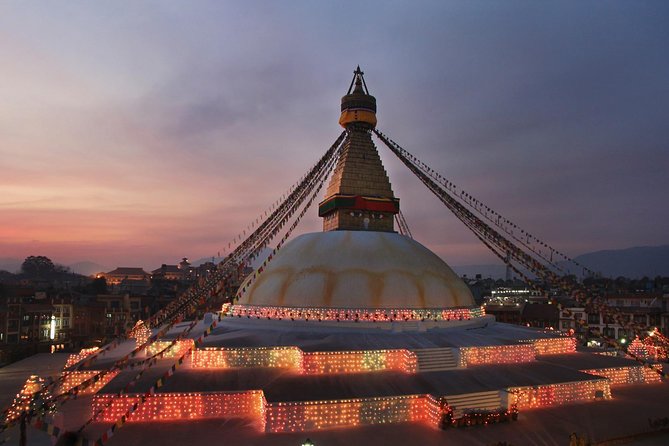
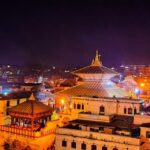
Your evening starts at Boudhanath Stupa, a major pilgrimage center for Tibetan Buddhism. Once the light shifts, the white domed stupa looks almost sculpted, because the lighting and decorations make the shape pop against the night sky. This is the kind of place where the atmosphere is part of the photo, not just a background.
What you are aiming for here is ritual motion. You will watch devotees make Parikrama, the circumambulation walk around the stupa. The beauty is in repetition, because the same prayer gestures happen again and again, and that creates consistent photographic rhythm.
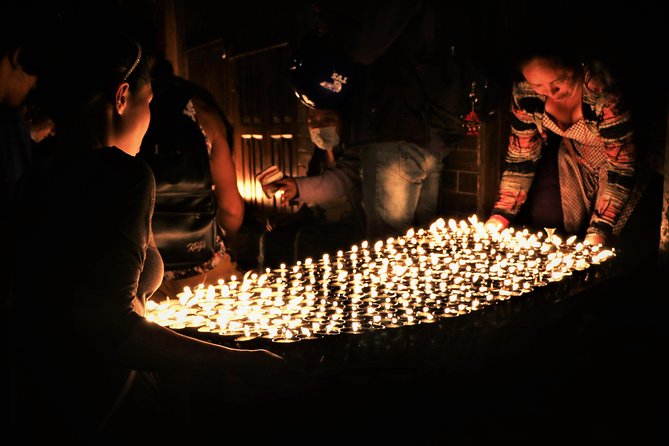
Then the butter lamps come in. People light lamps and pray for well-being of sentient beings and for world peace. For your camera, this means you get warm light sources in a religious context, plus people turning, looking upward, and pausing along the walkway.
The tour allocates about 1 hour at this stop with the admission included. That is a good amount of time because it gives you room to arrive, find a comfortable shooting spot, and still catch multiple prayer cycles as people keep moving.
One small consideration: this is a popular site. You might find it helpful to keep your camera ready but your movements calm, because crowd flow can block your view if you rush.
Pashupatinath after sundown: arati fire rituals and Shiva imagery
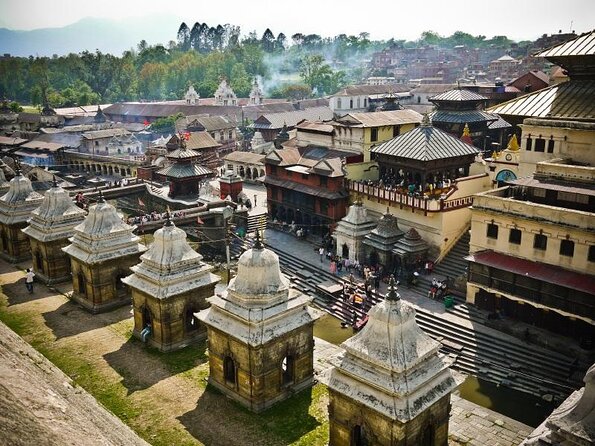
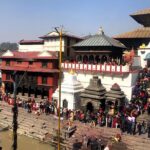
Next up is Pashupatinath Temple, one of Kathmandu’s most important Hindu shrines dedicated to Lord Shiva. In the evening, the atmosphere gets intense in a way that feels unmistakably spiritual. The sound of chanting and hymns is part of the experience, and it shapes what is happening visually, too.
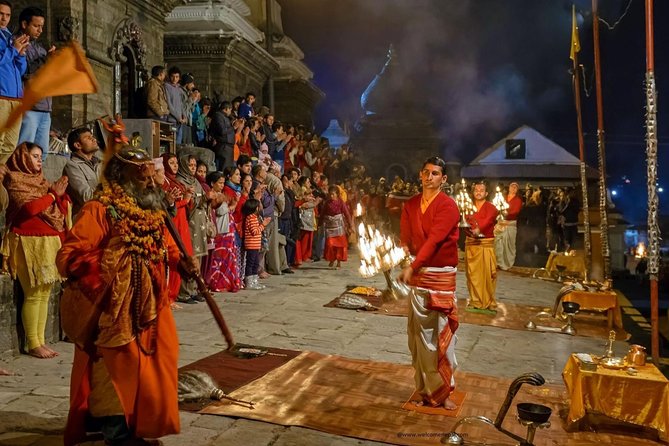
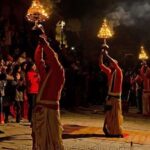
The main event is the arati ceremony. Priests offer aarti using light from a flame, while devotees react with a kind of trance-like dancing that can look almost rhythmic. If you like photographing people caught in the moment, this is where your photos can get emotional, not just pretty.
There is also symbolism baked in. Pashupatinath is tied to the meaning protector of all living beings, and the temple tradition also connects Shiva with the Tandav celestial dance. You may see references to this theme in how the rituals play out, even if you are not reading every signboard.
You get about 1 hour at this stop, again with admission included. This timing is practical because arati is time-bound. If you arrive late, you risk missing key parts of the flame offering and chanting. The guided pacing helps reduce that risk.
Photography tip that stays simple: watch for the moment the flame is raised and the chanting peaks. Those are the times when faces, hands, and expressions line up for stronger frames.
How the guide turns a good night into better photos
A photography tour lives or dies by positioning, timing, and context. This one is designed around all three.
The guide’s value shows up in two ways. First, you are told where to go to find settings and moments worth capturing. Second, between major ritual moments, you get context that helps the images make sense. That second part matters because if you understand what a lamp lighting means or what arati represents, you tend to photograph with more intention.
In particular, past groups have highlighted guides like Mr Bikash for strong knowledge and a very professional, polite approach. Other travelers have pointed to Deepa as especially helpful for explaining what you are seeing during the fire devotion. Even if your guide is someone else, you can expect a similarly focused style, because the tour includes an English speaking licensed city guide.
Private transportation also helps the guide do their job. You spend less time lost and more time at the sites when the action is actually happening. In photography, that difference is everything.
Transportation and time: why the half-day format works
The tour runs about 3 to 4 hours, and that is a sweet spot for evening energy. You are not committing to a long night where you lose attention or start rushing. You also get enough time at both sites to see real parts of both ceremonies.
The day-to-evening transition is important here. Even if you have visited Kathmandu’s religious landmarks in daylight, evening changes the visual story. Boudhanath becomes a lantern-lit scene, and Pashupatinath becomes a fire and chant event. If you only have a small window, this format is a fast way to see Kathmandu at its most spiritually visual.
Pickup is offered, and transportation is included from central Kathmandu. That reduces friction for arrival and departure, especially if you are staying in a busy area where traffic and parking can slow you down.
There is also a practical advantage to the private setup. Your group only participates, so you are not stuck matching someone else’s pace while you wait for your best shot.

Price and value: what $102 buys you in real terms
At $102 per person, the value comes from stacking several costly pieces together.
You are paying for a private experience, not just a general entry into sites. You also get private transportation and an English speaking licensed city guide. On top of that, admission tickets are included at both Boudhanath and Pashupatinath, which saves you money and time.
If you were to do this on your own, you would likely pay separately for transport and guide time. Even if you discounted those, you would still face the biggest risk: arriving at the wrong time or missing the arati moment because you were figuring things out on the fly. This tour is built to minimize that risk with timing and local guidance.
What is not included is simple: dinner, bottled water, and alcoholic beverages are not part of the price. That is not unusual, but it does change how you should plan your evening. I suggest you eat beforehand, and if you like having water during walks and ceremonies, consider bringing your own or budget for it nearby, since it is not included.
Also, the average booking lead time is about 12 days. If you are traveling during a busy season, booking earlier gives you a better chance of matching your schedule.
What to bring and how to handle low light in Kathmandu
The tour’s promise is refreshingly straightforward: all you need is your camera. That said, your results depend on being ready for low light and moving subjects.
Bring:
- A charged camera with enough memory for lots of changing scenes.
- A way to keep your camera strap secure and your hands free during crowd movement.
- A lens you can use comfortably in a temple environment, since you may need to work around people.
You are shooting butter lamps, flame rituals, chanting crowds, and priests performing arati. These subjects move, and the light sources are bright but localized. That means you will likely want to prioritize steady handling over chasing every shot.
Comfort matters too. You might stand, shift positions, and move along paths around the stupa and temple riverfront areas. Wear shoes that handle uneven ground and keep you stable.
One more practical point: keep your expectations respectful. These are active places of worship, and ceremonies matter to the community. Stay aware of where you point your camera, and follow the guide’s direction on where it is best to stand.
Who should book this evening photography tour
This works best if you:
- Want a focused evening with two major Kathmandu spiritual sites in a single outing.
- Enjoy photography that includes people and rituals, not only architecture.
- Prefer a guide to handle timing, routes, and where to stand.
It can also be a smart choice if you have already seen the sites in daylight. Evening adds a different look, especially at Boudhanath with its lighting and butter lamps, and at Pashupatinath with arati flames and chanting.
If you are the kind of traveler who wants to do everything independently and you already know exactly when ceremonies happen, you might feel constrained by a set schedule. But if you are trying to maximize your time and get better photos with less guesswork, this tour is built for that.
Should you book this evening photography tour?
I recommend booking if you want better-than-average photos with less wandering. The biggest strength is that the experience is staged around real rituals at two of Kathmandu’s most important spiritual landmarks, and the guide helps you find the spots and moments that make the difference.
Skip it only if you strongly dislike low light photography or you are hoping for a long, self-paced tour with lots of downtime. Also, because the experience requires good weather, plan for the fact that heavy rain can change plans.
FAQ
FAQ
How long is the evening photography tour?
It lasts about 3 to 4 hours.
Where does the tour take place?
It takes place in Kathmandu, focusing on Boudhanath Stupa and Pashupatinath Temple.
Is pickup from central Kathmandu included?
Yes. Transportation from central Kathmandu is included, and pickup is offered.
Is this a private tour?
Yes. It is private, meaning only your group participates.
Are admission tickets included?
Yes. Admission tickets are included for both stops.
What is included in the price?
The price includes private transportation, all fees and taxes, and an English speaking licensed city guide.
Is dinner or bottled water included?
No. Dinner, bottled water, and alcoholic beverages are not included.
What should I bring?
All you need is your camera.
What happens if the weather is bad?
The tour requires good weather. If it is canceled due to poor weather, you will be offered a different date or a full refund.
What is the cancellation policy?
You can cancel for a full refund up to 24 hours before the experience starts. If you cancel less than 24 hours before, the amount paid is not refunded.
More Evening Experiences in Kathmandu
More Tours in Kathmandu
More Tour Reviews in Kathmandu
Not for you? Here's more nearby things to do in Kathmandu we have reviewed


Evening Experiences, compared.
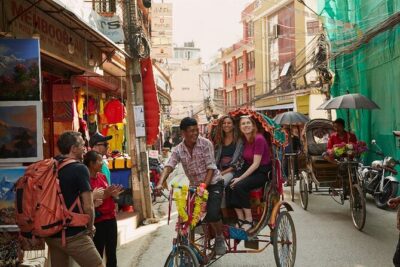 ★ 5.0Kathmandu Sunset Tour by Rickshaw Including Durbar Square VisitFrom $5073 reviews
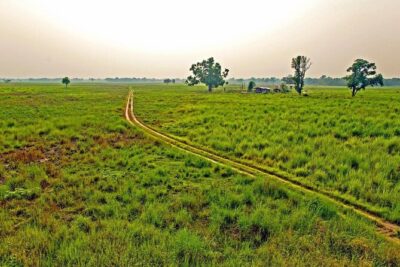 ★ 5.03 Nights 4 Days Chitwan National Park with Tower Night StayFrom $35041 reviews
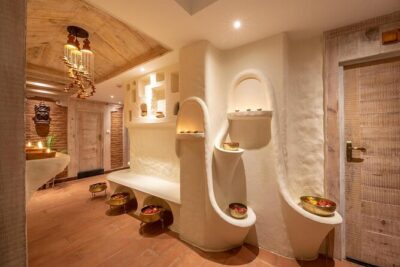 ★ 5.03 night 4 Day Yoga & Ayurveda Retreat to Detox the Body & Mind, NepalFrom $30037 reviews
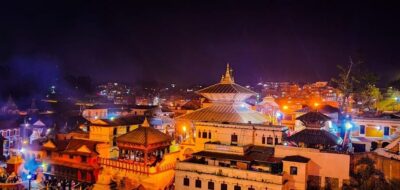 ★ 5.0Pashupatinath Temple Evening Aarati TourFrom $4536 reviews
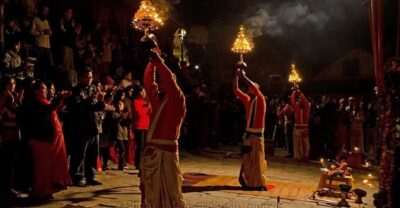 ★ 4.8Pashupatinath Temple Aarti Night TourFrom $7129 reviews
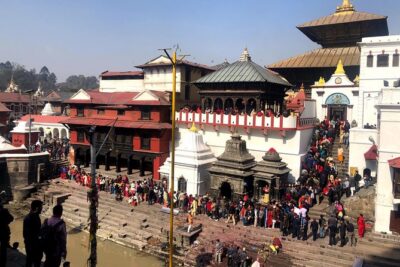 ★ 4.5Pashupatinath Evening Aarati: Few Divinely Hours in KathmanduFrom $3523 reviews
 ★ 5.02 Night 3 Days Pokhara City TourFrom $10022 reviews
 ★ 3.51 Night 2 Days Chitwan Jungle Safari Tour from KathmanduFrom $15519 reviews
Browse the lists this tour appears in