
REVIEW · NAGARKOT SUNRISE & HIKING TOURS
Essence of Nepal: 4-Day Tour Kathmandu, Nagarkot & Pokhara
Sunrise over the Himalaya in four days. I like how this trip mixes UNESCO temples and royal squares with Himalayan sunrises, without turning it into a fitness test. You’ll get major Kathmandu spiritual sites, then a Nagarkot and Sarangkot viewpoint routine built around weather, since clear skies are what make those panoramic views pop, especially outside peak dry-season months.
I also like the practical flow: you move by comfortable vehicle, sleep in 3-star hotels with breakfast, and include one standout shortcut, a scenic domestic flight to Pokhara. A small caution: the visibility game can be real. If clouds or monsoon rain roll in, you might not see the full Everest or Annapurna sweep, so plan on flexibility and bring warm layers for the colder hilltop mornings.
If you want Nepal’s big highlights with an English-speaking guide, you’ll likely appreciate the easy pace. And if you end up with extra time in Thamel, that’s a bonus, not an afterthought.
Key highlights to look for
- UNESCO World Heritage sights in Kathmandu Valley with major temples and durbar squares
- Sunrise and sunset viewpoints from Nagarkot and Sarangkot for classic Himalayan drama
- A mountain flight to Pokhara that saves hours on the ground
- Pokhara nature stops including Phewa Lake, Davis Falls, and Gupteshwor Cave
- Panoramic viewpoint time at Pumdikot and the Sarangkot sunrise routine
A smart 4-day loop of Kathmandu, Nagarkot, and Pokhara
This is a tight, first-timer-friendly route through three Nepal favorites: Kathmandu for heritage, Nagarkot and Sarangkot for Himalayan views, and Pokhara for lakes and natural attractions. The structure is simple. You start in Kathmandu, add one overnight at Nagarkot for sunset, then head to Pokhara for full-day nature sightseeing, and finish with an early-morning sunrise before returning to Kathmandu.
What makes it work is the balance between big-ticket places and manageable pacing. The tour is described as easy and low-strain, which matters when you’re dealing with Kathmandu traffic and early departures for sunrise. It’s also built for mixed ages and group types, since you’re not asked to do long hikes or technical routes.
One more thing I appreciate: the itinerary leans on variety. You’re not just cycling temples, or just riding cable cars. You’ll also see Buddhist and Hindu sites side by side, then switch to caves, waterfalls, and lakes. That mix is how you start to feel the shape of Nepal quickly.
A few more Kathmandu tours and experiences worth a look
Day 1 in Kathmandu: Cable car views and major temples
Day 1 is about getting your bearings and getting inspired fast, without wasting daylight. You begin with the Chandragiri Hills Cable Car, which is a great orientation move. You get a panoramic valley view and a sense of why Kathmandu feels like it’s surrounded by mountains, even when the city is busy and chaotic at street level.
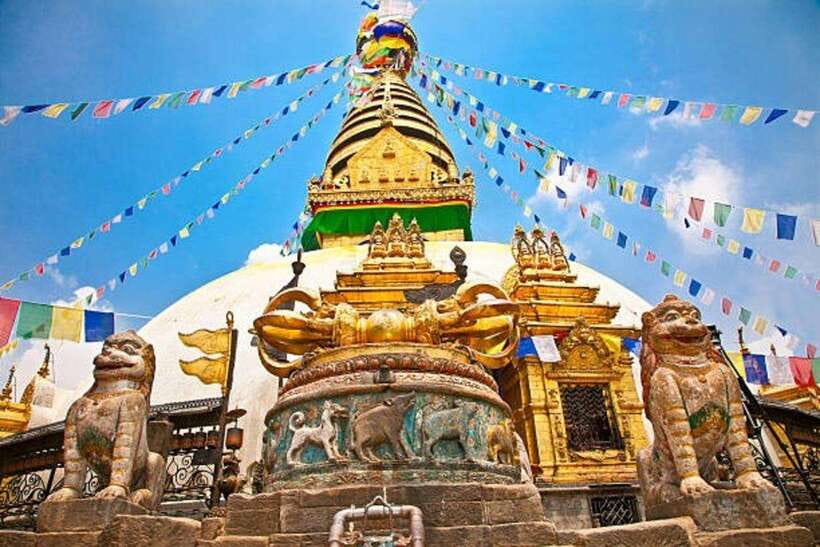
Then you switch to Kathmandu Valley’s big spiritual hitters. Swayambhunath, also called Monkey Temple, is an early stop that helps you see how old Kathmandu feels, up close. The stupa setting gives you that mix of reverence and everyday life, with people moving through prayer and rituals in a place that’s been famous for a very long time.
Next you’ll go to Patan Durbar Square, known for its royal palace history and Newari architecture. Even if you’re not a details-and-dates person, durbar squares have a way of making architecture feel human, because they’re centered on courtyards and everyday movement.
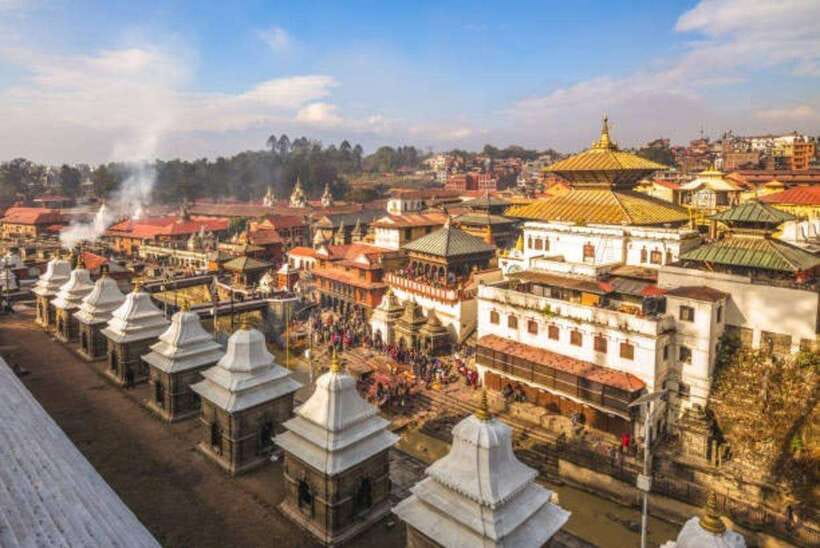
From there, the tour hits Pashupatinath Temple, a major Hindu sacred site. And you wrap the day with Boudhanath Stupa, a standout Buddhist landmark. Together, these stops do something useful: they show the spiritual split that defines much of Kathmandu, while still feeling connected, because the city is so visually compact.
Practical note: some areas restrict photography and videography. If that happens, just treat it as part of the experience, not a disruption, and keep your camera ready for the places that allow it.
Day 2 at Bhaktapur Durbar Square and the Nagarkot sunset line
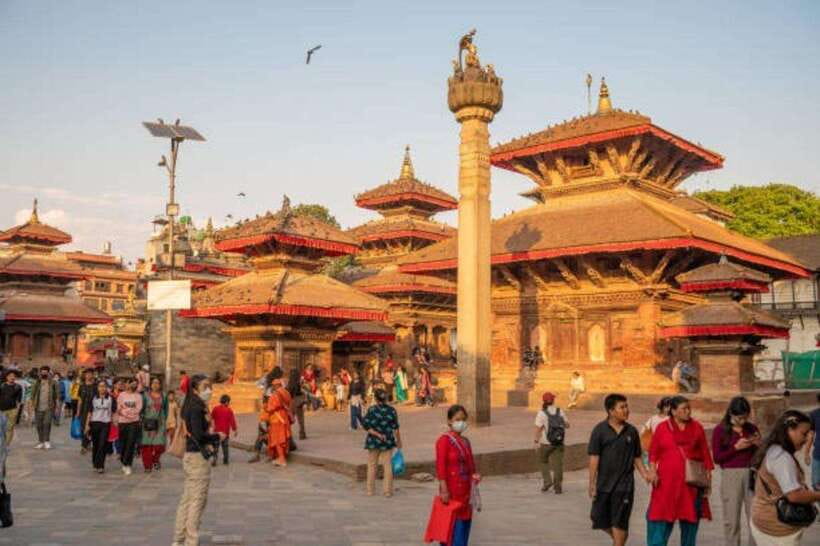
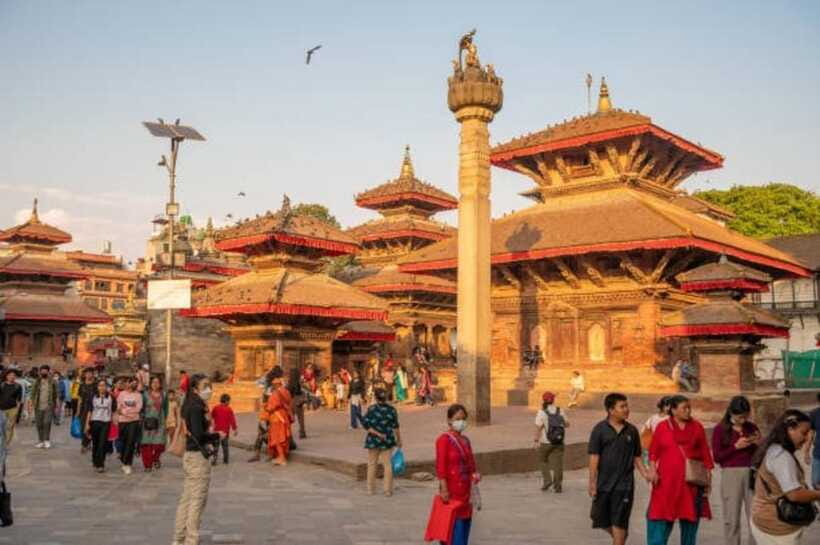
Day 2 has a strong “royal squares and views” rhythm. It starts back in Kathmandu with Kathmandu Durbar Square, where you’ll see the ancient royal courtyard and the Living Goddess tradition tied to the site. It’s a striking contrast to the more casual street vibe you’ll encounter around the city, so this is a good day to slow down and actually look at what’s in front of you.
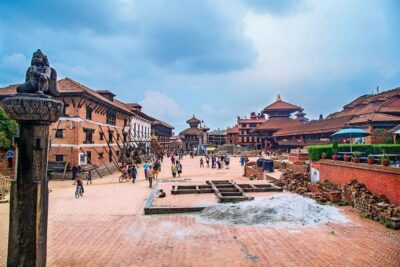
Then you head to Bhaktapur Durbar Square, one of the easiest places in Nepal to understand why people talk about craftsmanship. You’ll hit highlights like the 55-Window Palace, the Golden Gate, Nyatapola Temple, and Dattatreya Square. If you love symmetrical facades, carved details, and towers, this is where your eyes will work overtime.
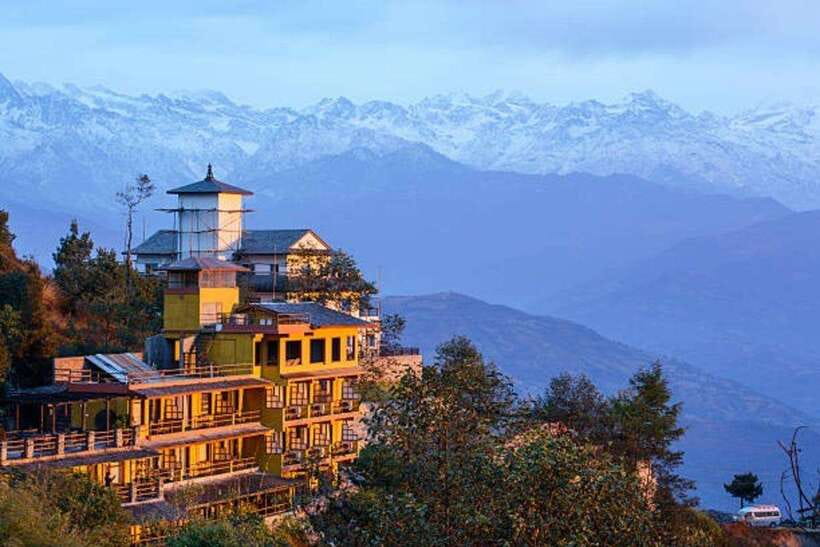
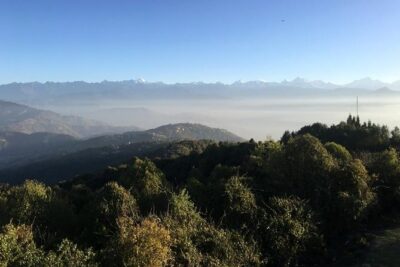
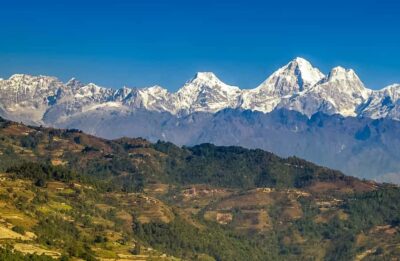
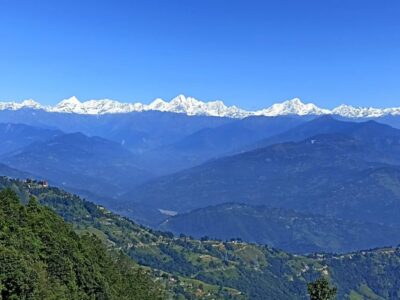
After the heritage focus, the day pivots into nature with an afternoon drive to Nagarkot. Nagarkot is the sunset play here, and it’s not random. The goal is a Himalayan twilight view stretching from the Langtang region toward Everest on clear evenings. That kind of “from where I stand, this is what the range looks like” moment is why people do Nagarkot.
One thing to remember: viewpoint weather changes fast. Clouds can move in. So if you get a solid opening window, don’t overthink it. Enjoy it, take your photos quickly, and be ready to pack up when the light drops.
Day 3: Scenic mountain flight to Pokhara and lakeside pacing
Day 3 is where the tour gives you a real shortcut. You get early Himalayan views from Nagarkot, then fly to Pokhara on a scenic domestic flight. This is a smart inclusion. It trades a long overland slog for a short ride, and you also get the excitement of a mountain approach before you even reach lakeside life.
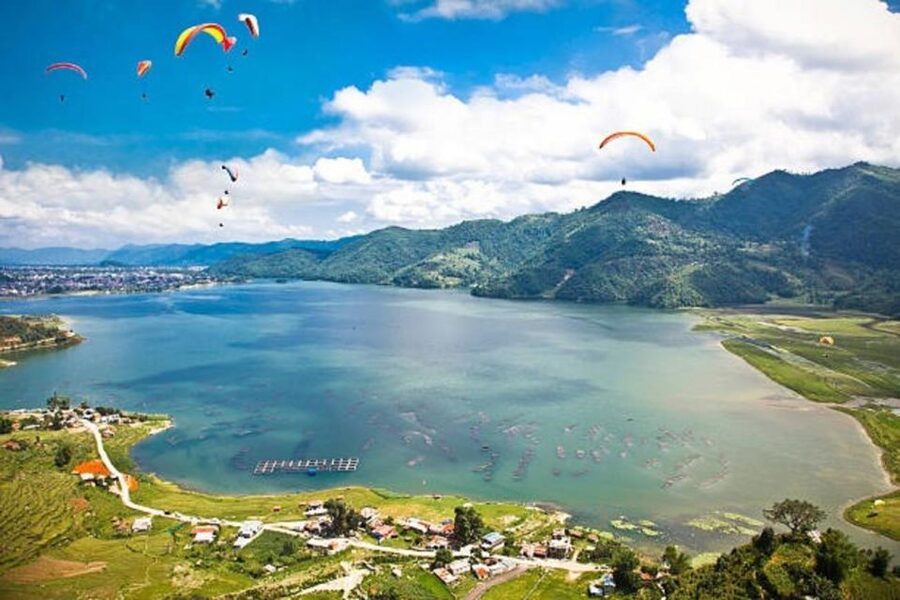
In Pokhara, the tone changes to slower and more relaxed. Phewa Lake is next, and the tour notes an optional boat ride. Even if you don’t take the boat, the lake area is a good place to settle your brain. You’ll see the reflection effect that makes Pokhara famous, especially around sunset.
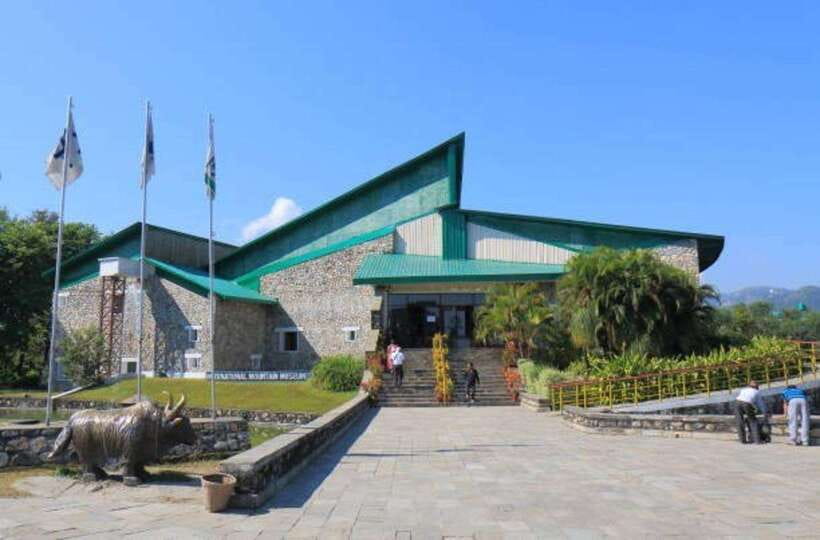
You’ll also visit the International Mountain Museum. This is a practical stop, because it turns “pretty mountains” into something with context: how the peaks are measured, why climbing culture exists, and how mountaineering connects to local life. It’s not required to be a mountaineering expert to enjoy it. It just helps you notice what you’re looking at later.
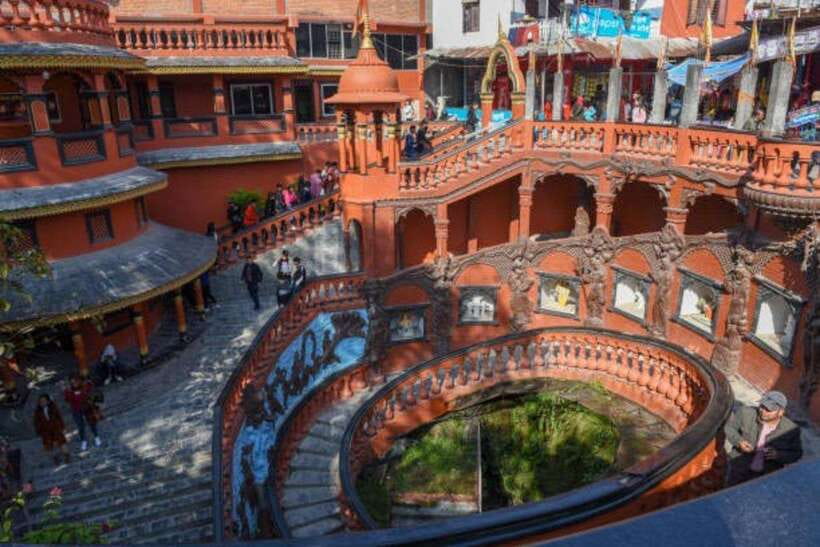
Then comes a pair of natural stops that feel like a different side of Pokhara. Davis Falls (listed as Davi’s Falls) and Gupteshwor Cave mix spectacle with a bit of mystery. The cave stop, in particular, gives you a break from outdoor glare and lets you cool down while still feeling like you’re sightseeing.
In the late evening, you’re in position to relax. The lake area is built for easy wandering and photo moments, with sunset reflections as the payoff.
Pokhara sights: Davis Falls, Gupteshwor Cave, and Pumdikot viewpoints
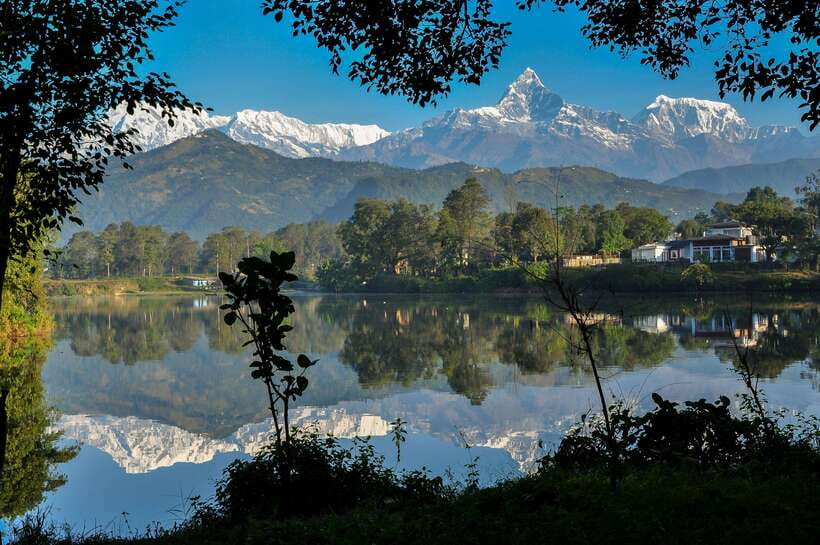
Pokhara sightseeing on this route has a nice “big and small” balance. Davis Falls is the big visual stop, and it’s the kind of place where you can look longer than you planned because water always draws your attention. Gupteshwor Cave adds a different texture. Caves are not just a background activity here. They’re one of the ways you feel Pokhara’s geology and sacred traditions in the same breath.
After that, you get Pumdikot Shiva Statue, which is all about scale and outlook. From there, the viewpoint angle is designed to show a wider view across major ranges like Annapurna, Dhaulagiri, and Manaslu. Even if the mountains are partially hazy, the viewpoint still helps you connect Pokhara’s setting to the higher terrain you saw in Nagarkot.
If you’re thinking about effort level, this day is a good reminder. You do sightseeing, but the overall pace remains manageable. You’re not asked to do a marathon day of walking, which matters for first-timers and anyone traveling with older family members.
And about the guide experience: one English guide named Sobit (with Bold Himalaya) receives specific praise for warmth and insight. If Sobit is leading your group, I’d treat the museum and cave explanations as part of the value, not just “extra talking.”

Day 4 in Sarangkot: Annapurna and Machhapuchhre at sunrise
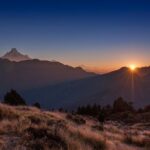
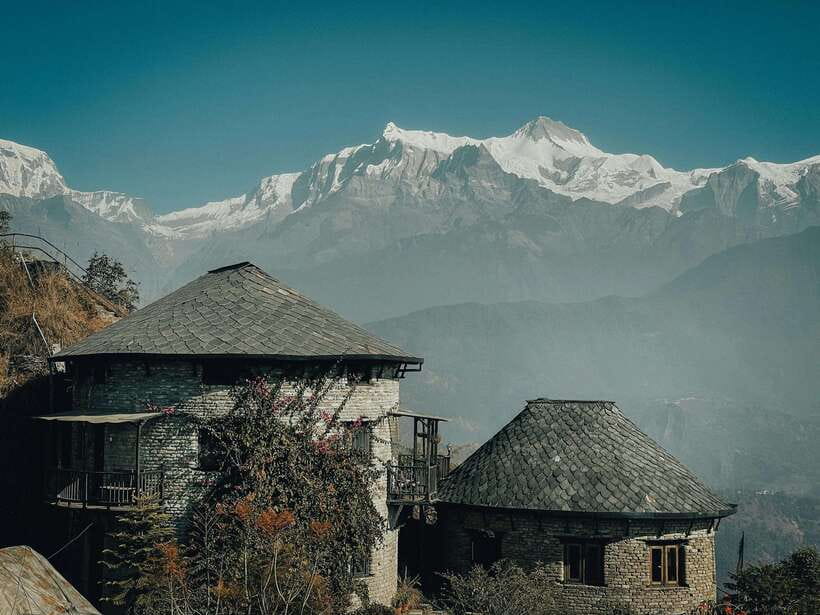
The final day is the sunrise payoff. You’ll drive early to Sarangkot for sunrise over the Annapurna range and Machhapuchhre, also known as Fishtail. This is the part of Nepal where being a morning person pays off, because the early light and clear air are what create the iconic look.
You’ll also visit Bindabasini Temple. It’s a useful stop on the way back from the viewpoint because it anchors the day in local religious life rather than only scenery. That keeps the end of the trip from feeling like a repeat of the same view.
Breakfast is included, and there is no hotel on this last day, so you’ll transition back toward Kathmandu. Return is by tourist bus, and there’s an optional flight available. If you want to reduce travel time, the flight option could be worth considering, depending on how you feel after sunrise and sightseeing.
The afternoon is free for shopping in Thamel, relaxing, or continuing your adventure. That freedom is important. It gives you a chance to turn the trip into something personal, instead of racing to hit one last scheduled thing.
What is included, and what you pay for separately
This tour aims to take logistics off your plate. Included items include a driver with associated expenses, and a professional English guide with compensation. Transport is arranged based on group size, and fuel, tolls, and parking charges are covered.
You also get the key travel components:
- Flight from Kathmandu to Pokhara with mountain views
- Return to Kathmandu by tourist bus
- Accommodation for three nights, one each in Kathmandu, Nagarkot, and Pokhara, in 3-star hotels on a twin-sharing basis with breakfast included
What’s not included is equally important for budgeting. Entrance fees are not included, and lunch, dinner, and drinks are on you.
The practical takeaway: if you’re someone who hates surprise costs at ticket gates, set aside a dedicated budget for entry fees and plan on paying mostly out of pocket for meals.
Price and value: is $416 a good deal for this route?
At $416 per person for four days, the value comes from what’s packed in, not from any single line item. You’re paying for:
- Three hotel nights at the 3-star level, with breakfast
- A guided program in English
- A domestic flight to Pokhara, which is often the time-saver people want most
- Ground transport with a driver plus tolls and parking
If you try to recreate this on your own, the hardest parts are usually timing and coordination. You need to line up Kathmandu heritage days, an overnight Nagarkot stay, a Pokhara arrival, and a return that doesn’t eat your last day. This route does that for you.
Where the math gets tricky is meals and entrance fees, since those are excluded. If you add typical entrance costs and eat out daily, your final total can rise. Still, having the big logistics handled often keeps the overall trip from feeling stressful.
My advice: treat $416 as a solid base cost for the guided structure and the included flight. Then add a practical daily budget for food and sites.
Weather, clothing, and timing tips that make or break the trip
This route is built around views, and views in Nepal are weather-dependent. The tour notes seasonal patterns: November to February are generally sunnier with cold mornings and evenings, and June to August brings monsoon rain. That means your best odds for clear Himalayan panorama are in the drier seasons.
Even if skies are good, higher altitudes require serious layers. Nagarkot, Sarangkot, and Pumdikot are colder than Kathmandu and Pokhara cities. Bring warm jackets and dress in layers so you can handle switching from chilly mornings to warmer daytime temperatures.
Comfortable walking shoes matter too. Even when the tour is described as easy, you’ll still walk around temple areas and viewpoint stops, and some sites involve uneven ground.
A few more practical notes from the tour information:
- Mobile networks work in most areas, and Wi-Fi is available in most hotels and restaurants
- Filtered water is recommended, and staying hydrated helps at altitude viewpoints
- Sunglasses and sunscreen are worth packing, because morning light can be surprisingly bright
- You may run into restrictions on photography in certain areas, so be flexible
Who this tour fits best, and who should choose something else
This is a strong fit if you want a first Nepal trip that hits the main icons quickly: Kathmandu Valley UNESCO sites, classic hilltop views, and Pokhara’s lakes and caves. It also suits seniors, families, couples, and small groups because the pace is designed to avoid long walks and avoid technical trekking.
It’s also ideal if you prefer comfort over chaos. You have a driver, a guide, and set overnight stops. That matters in Kathmandu, where navigating traffic and finding the right sites can turn a day into a headache if you go solo.
Who might want to rethink it? If your priority is deep, slow exploration of one place, you might feel a bit rushed. Four days is just not enough to master any single city. Also, if you absolutely need guaranteed Himalayan visibility, you might want a more flexible or longer plan for weather buffer, since clear views depend on conditions.
Should you book the Essence of Nepal 4-Day Tour?
Yes, if you want the Nepal highlights without building a complicated plan yourself. This is the kind of tour where the included scenic flight and the sunrise-focused viewpoints do a lot of work for you, and the hotel level keeps the trip comfortable.
Book with confidence if:
- You’re visiting Nepal for the first time and want an efficient route
- You want UNESCO temples plus Himalayan viewpoints plus Pokhara nature
- You appreciate having an English guide throughout, especially if you value explanations
Be cautious if:
- Your travel dates fall in the monsoon season and you need clear sky views for photos
- You strongly dislike early mornings, since the Sarangkot sunrise is the finale and it starts early
- You prefer to decide every day on your own, without a fixed structure
If Sobit from Bold Himalaya is your guide, that’s a genuine plus. He’s specifically praised for warmth, insight, and care, which can turn museum and temple stops into something more than checklists.
FAQ
What cities are included in the 4-day Essence of Nepal tour?
The tour covers Kathmandu, Nagarkot, and Pokhara, and it returns you to Kathmandu at the end.
How many nights do I stay in hotels?
You stay one night each in Kathmandu, Nagarkot, and Pokhara, in 3-star hotels on a twin-sharing basis with breakfast included. On the final day, there is no hotel.
Are breakfasts included?
Yes. Breakfast is included on the days specified in the tour schedule.
Are entrance fees included?
No. Entrance fees are not included, and you’ll pay them in Nepali Rupees.
Does the tour include lunch or dinner?
No. Lunch, dinner, and drinks are not included.
Is there a flight during the tour?
Yes. There is a scenic flight from Kathmandu to Pokhara with mountain views. The return to Kathmandu is by tourist bus, and an optional flight is mentioned.
What language are the guides and audio in?
The live tour guide is in English, and an English audio guide is included.
Do I need a passport?
Yes, you should bring your passport. A copy is accepted as well.
What should I wear for cold mornings in the hills?
The tour recommends packing layers and warm clothing for colder areas like Nagarkot, Sarangkot, and Pumdikot, especially during colder months.
How does pickup work if I am staying in Kathmandu or arriving by air?
Pickup is included. If you are already in Kathmandu, you can share your hotel or location for pickup. If you arrive on a morning flight, you meet at Kathmandu Airport and the tour begins based on your comfort and rest.
More 4-Day Experiences in Kathmandu
More Tours in Kathmandu
More Tour Reviews in Kathmandu
Not for you? Here's more nearby things to do in Kathmandu we have reviewed


Nagarkot Sunrise & Hiking Tours, compared.
 ★ 5.0Nagarkot Sunrise View and Day Hiking from KathmanduFrom $45471 reviews
 ★ 5.0Private Bhaktapur and Nagarkot Day Tour From KathmanduFrom $20305 reviews
 ★ 4.9Nagarkot Sunrise View & Morning Hike with LunchFrom $5188 reviews
 ★ 4.7Nagarkot Sunrise and Hike Tour to Changu NarayanFrom $55151 reviews
 ★ 4.8Everest View from Nagarkot & hike to ChanguFrom $43140 reviews
 ★ 5.0Nagarkot Sunrise & Hike to Changu Narayan Day Tour from KathmanduFrom $25126 reviews
 ★ 4.9Nagarkot Sunrise & Hike with Lunch -Private/GroupFrom $5122 reviews
 ★ 4.5Nagarkot Sunrise Trip & Day Hike with Lunch from KathmanduFrom $3583 reviews
Browse the lists this tour appears in