
REVIEW · TOURS
Buddhist Pilgrimage Tour In Nepal
Buddhist chanting in Kathmandu, in one tight loop. This 1-day Buddhist pilgrimage tour strings together three of the biggest spiritual stops in Kathmandu Valley, with a professionally guided route that’s easy to understand and simple to plan for. You’ll go to Boudhanath Stupa, Kapan Monastery (Kopan is how it’s often written), and Swayambhunath, plus there’s a lunch pause in Thamel along the way.
What I like most is how practical it feels for a first trip. I especially appreciate that you get door-to-door style pickup and private, comfortable vehicles for the transfers, which matters a lot when Kathmandu traffic can be unpredictable. The second big win is the tour structure, each stop is time-boxed and includes an admission ticket, so you’re not guessing what to pay or how long things will take.
One thing to consider: this is a packed day. If you want long, slow wandering time at each holy site, you may feel a bit rushed compared with doing a self-guided day.
Key highlights you should know
- Three major Kathmandu Valley pilgrimage sites in one day, with admission tickets included for each stop
- Small group size (max 10 travelers), so questions to your English speaking guide are actually easy
- Private, comfortable vehicle transport plus pickup and return to the meeting point
- Boudhanath’s stupa scale gives you instant context for how big Buddhism can look in Nepal
- Kapan Monastery focus (Gelug tradition) adds depth beyond just sightseeing
- Thamel lunch break in the middle, so your day does not stay temple-only
A 1-day Buddhist pilgrimage that still feels like a journey
Kathmandu Valley has a special way of layering faith onto everyday life. Even if you’re not a lifelong Buddhist practitioner, a route like this helps you connect the dots quickly. You’re not just looking at religious buildings. You’re moving between places that each play a different role in Buddhist practice, from monumental stupa devotion to monastery learning to a hilltop temple scene.
This tour is also designed for people who don’t want to juggle multiple tickets, multiple transfers, or multiple directions. You start at 9:15 am in Kathmandu, then follow a planned flow through the city. It’s the kind of day that works well when you only have limited time, but still want something authentic and meaningful.
You can also read our reviews of more tours and experiences in Kathmandu.
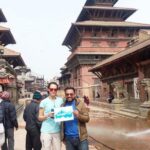

Pickup, private vehicles, and a guide you can actually ask questions
The tour runs with a pickup arrangement where your guide and driver meet you at your hotel and then handle the driving. That detail matters more than it sounds. Kathmandu streets can be chaotic, and having private transport means you spend less energy figuring out routes and more energy noticing what’s around you.
You also get a fully trained English speaking professional tour guide, which is a key part of why this trip works. You’re visiting three sacred locations, and your guide’s job is to give you the basics of Buddhism in Nepal and explain what you’re seeing as you go.
The group limit is 10 travelers, which keeps the vibe from turning into a moving crowd. It also helps if you have questions that come up mid-visit, like why certain sites look the way they do or what role monks play in daily ritual.
Stop 1: Boudhanath Stupa, a giant center of devotion
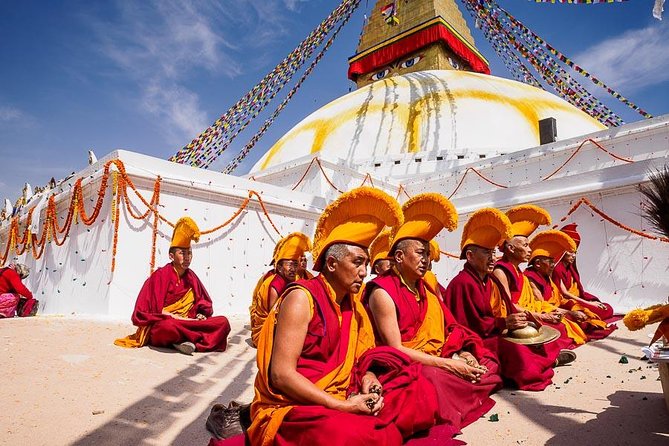
Your first major stop is Boudhanath Stupa, about four miles from central Kathmandu. It’s one of the largest stupas in the world and a major hub for Buddhist practice. Even if you’ve seen photos, the scale can hit differently in person. A stupa is not just a monument. It’s a focal point for reverence, gathering, and ritual movement.
This stop is built into the schedule as a focused one. You get around an hour here, and the admission ticket is included. That hour is important because it gives you enough time to slow down, watch how people move around the stupa, and take in the atmosphere without feeling like you must rush to the next place.
What I’d watch for is the way Boudhanath sets the tone for the whole day. It’s the kind of start that makes the later stops feel connected. Instead of treating the trip like three random landmarks, you can feel how the tradition has multiple expressions, and how people show devotion differently depending on the site.
Stop 2: Kapan Monastery in the Gelug tradition
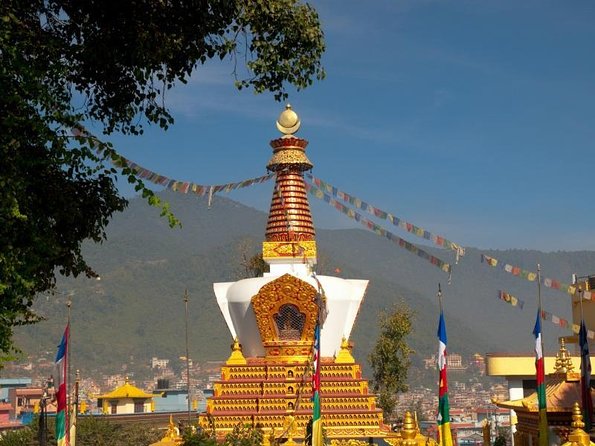
After Boudhanath, the route heads to Kapan Monastery. This is where the tour shifts from monument-level awe into a more grounded, practice-centered setting. Kapan Monastery is described as a Gelug tradition of Tibetan Buddhism, and that matters because it changes the feel of what you’re going to observe.
You’ll typically get about an hour at this stop, and the admission ticket is included. Expect the day to become more about the human side of Buddhism here, not only the architecture. Monasteries are where rituals, learning, and community life intertwine, and a good guide will help you understand the basics while you’re there.
Your time choice is also smart. The tour notes that it heads off to this stop by cutting across daytime traffic, which helps you arrive with less stress and more energy. When you’re only in Kathmandu for a short window, that is the difference between enjoying a spiritual visit and arriving tired.
Thamel lunch stop, using the break the smart way
From Kapan Monastery, you’ll head over to Thamel for lunch. The tour mentions that a table is reserved for you at The Ship Restaurant and bar, where you can enjoy traditional Nepalese Dal-Bhat. That’s the kind of meal many visitors enjoy because it’s straightforward comfort food, not a fussy sit-down that delays the rest of the day.
Here’s the key detail: meals are listed as not included. So treat lunch as part of your own budgeting, even if the tour arranges seating. In practice, this gives you a smoother experience than trying to find a place when you’re hungry and on a timetable.
If you like making travel days feel smoother, use this lunch window to do small reset tasks: refill water, catch your breath, and decide how you want to approach the final stop. You’ll have at least one more big spiritual site after lunch, so a calm meal helps you stay present.
Stop 3: Swayambhunath, the Monkey Temple with a spiritual viewpoint
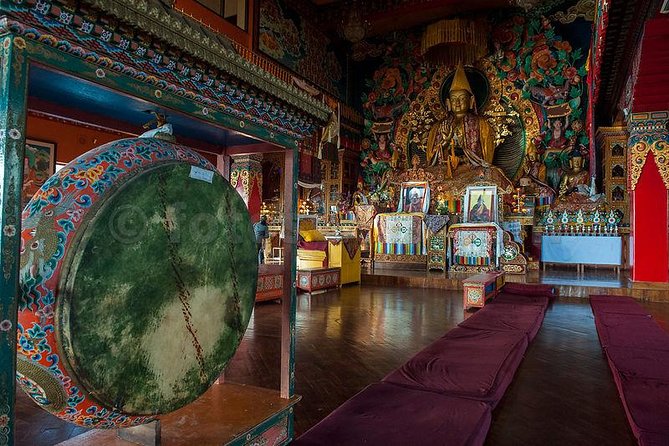
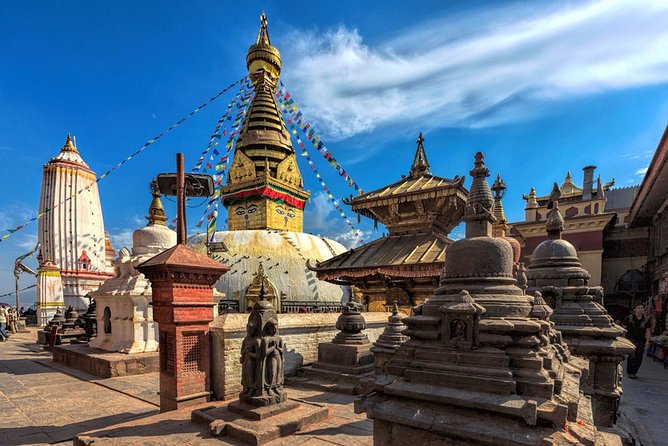
The last stop is Swayambhunath, popularly called the Monkey Temple. Your route brings you here after lunch, and this is where the tour caps the day with a site that combines strong visual energy with spiritual significance.
Swayambhunath is described as part of the major Buddhist pilgrimage sites in Kathmandu Valley. Like Boudhanath, it’s the kind of location where the surroundings matter. People tend to gather, and the hilltop setting makes you feel Kathmandu’s scale while you’re also focused on the religious atmosphere.
One caution for your day planning: because this tour is designed to hit three major stops in one day, you should be ready for some stairs or uneven walking. The data doesn’t spell out physical demands, but it does frame the visit as a quick, structured circuit. Comfortable shoes are a smart move here.
If you want the best “last stop effect,” don’t rush your final minutes. I’d treat Swayambhunath as the moment to connect what you learned earlier in the day: monumental stupa devotion, monastery tradition, and then a temple setting that is both spiritual and visually memorable.
Price and value: what $150 covers (and what it doesn’t)
At $150 per person, the tour sits in a range that feels fair for what’s included. You get private comfortable vehicle transport, a trained English speaking professional guide, and all government and local taxes. Admission tickets for each of the three stops are also included, which matters because it reduces surprise costs.
Also included is staff salary and insurance, so you’re not only paying for movement and entry tickets. You’re paying for a full service team to run the day end to end.
What’s not included is equally important. Nepal visa fees are not included, and meals and accommodations in Kathmandu are not included. Tips for staff are also not included. Optional activities beyond the listed stops during free time are not included.
Net-net, you’re paying for a structured day with the big tickets handled. That’s good value if you want simplicity and a guided context. It may be less appealing if you already know you’ll want to add lots of extras on the fly or you prefer fully independent exploring.
Group size, timing, and how far in advance to book
This tour has a maximum of 10 travelers, which keeps it personal enough for questions. Your confirmation is received at booking, and you’ll get a mobile ticket. That reduces friction if you’re juggling other plans in Kathmandu.
On average, it’s booked 18 days in advance. If your Kathmandu dates are fixed, I’d treat that as your signal to book early rather than waiting. Pilgrimage-style tours tend to draw people who have limited time and want a reliable plan.
The start time is 9:15 am, and the experience ends back at the meeting point. That return-to-start detail is helpful because you can better plan the rest of your day, whether you’re heading back to rest or continuing your itinerary.
What your day is really like on the ground
Even though this is marketed as a spiritual pilgrimage, the experience is built like a smooth city day. You’re moving by vehicle between stops. You’re spending a concentrated amount of time at each location. You’re stopping for lunch in Thamel and then finishing at Swayambhunath.
That structure is good for first-time visitors because it gives you a “covered itinerary” feeling without making the day feel fake. The holy sites are real, the guide support is real, and the included tickets remove a layer of uncertainty.
The best way to get value from a day like this is to arrive mentally ready to learn. Your guide is there to explain the rudiments of Buddhism in Nepal, and the tour is positioned around understanding how Nepal’s culture and religion intertwine. Nepal is primarily Hindu by population, but Buddhism is still pervasive across everyday life, and seeing major Buddhist pilgrimage sites in one loop helps you notice that blend fast.
Who should book this tour
This tour is a strong fit if you:
- Have limited time in Kathmandu Valley and want three major Buddhist sites in one day
- Like guided context, especially for a religion that may be new to you
- Want private transport and admission tickets handled so your day runs smoothly
- Prefer a smaller group size, max 10, over a large bus tour
It may not be your best match if you want lots of free time at each stop or if you get uncomfortable with a tight schedule.
Should you book Buddhist Pilgrimage Tour in Nepal?
I think this is worth booking if you want a guided, structured introduction to Buddhism in Kathmandu Valley and you appreciate simplicity. The price is reasonable for what’s included, especially private transport, an English speaking guide, and tickets for three significant sites.
I would only hold off if you know you want a slower, more independent pace at each location. With just one day and three stops, the timing is the point, and it won’t feel like a leisurely wander.
If you’re the type who likes learning as you go and wants your logistics handled, this is a smart use of a day in Kathmandu.
FAQ
What time does the tour start?
It starts at 9:15 am in Kathmandu.
How long is the experience?
It’s listed as 1 day (approximately).
How many stops are included, and which sites do they visit?
You visit three stops in Kathmandu Valley: Boudhanath Stupa, Kopan or Kapan Monastery, and Swayambhunath (Monkey Temple).
Is the admission ticket included?
Yes. Admission tickets are included for each stop listed on the itinerary.
Is the lunch included?
Meals are listed as not included. The itinerary includes time in Thamel and mentions a reserved table at The Ship Restaurant and bar, so you should plan to pay for your meal.
What is included in the price?
Included items are private comfortable vehicle transport, a trained English speaking professional guide, staff salary and insurance, and all government and local taxes.
What is not included?
Not included: Nepal visa fee, meals and accommodations in Kathmandu, optional activities during free time, and tips for staff.
How big is the group?
The tour has a maximum of 10 travelers.
What is the cancellation policy?
Free cancellation is available up to 24 hours in advance for a full refund.
More Tours in Kathmandu
More Tour Reviews in Kathmandu
Not for you? Here's more nearby things to do in Kathmandu we have reviewed


Tours, compared.
 ★ 5.0Private Kathmandu Sightseeing Tour | UNESCO World Heritage sitesFrom $17756 reviews
 ★ 5.0Everest Base Camp Helicopter Tour landing at Everest View HotelFrom $1,575668 reviews
 ★ 5.0Full Day 7 UNESCO Tour with Lunch – Private/GroupFrom $10415 reviews
 ★ 5.0Private Bhaktapur and Nagarkot Day Tour From KathmanduFrom $20305 reviews
 ★ 5.0Full Day Top 4 UNESCO Tour with Lunch – Private/GroupFrom $10269 reviews
 ★ 5.0Kathmandu Food and Drink Walking TourFrom $36266 reviews
 ★ 5.0UNESCO Seven World Heritage Tour in KathmanduFrom $180253 reviews
★ 4.9Full-Day 7 UNESCO Tour with Lunch – Private/GroupFrom $5247 reviews
★ 5.0UNESCO Seven World Heritage Tour in KathmanduFrom $180253 reviews
★ 4.9Full-Day 7 UNESCO Tour with Lunch – Private/GroupFrom $5247 reviews