
REVIEW · TOURS
All Nepal Tour
Temples, wildlife, and mountain towns in 10 days. I like how this trip knits together Kathmandu, Pokhara, Lumbini, and Chitwan into one smooth circuit, with real guided time in the cities and a structured jungle day. You’ll get a strong cultural hit without having to plan every transfer yourself.
I also like the people side. Guides are a big part of the value, and Ajay in Kathmandu is described as friendly and knowledgeable, while the team around Puruji runs with a professional, responsive tone.
One thing to watch is the fine print on food and extras. The inclusions say all meals, but the not-included list also calls out lunch and dinner in Kathmandu, Lumbini, and Pokhara, so you’ll want to confirm exactly which meals are covered. Also, the listed start time is 12:15 am, so ask for your real pickup time before you rely on it.
Key Highlights to Know Before You Go
- Guided city time in Kathmandu, Lumbini, and Pokhara with an expert tour guide and vehicle support
- Chitwan jungle programme includes permits and a nature guide, not just a casual stop
- Small group size, up to 15 travelers, which usually makes it easier to move and ask questions
- Hotel stays throughout with breakfast included, plus two Nepali dinners in Kathmandu
- Transport between regions by tourist or local bus, while airport and hotel transfers use private vehicles
- A gift box approach: a T-shirt for gents and a pashmina shawl for ladies
Kathmandu to Chitwan in 10 Days: The Big Picture
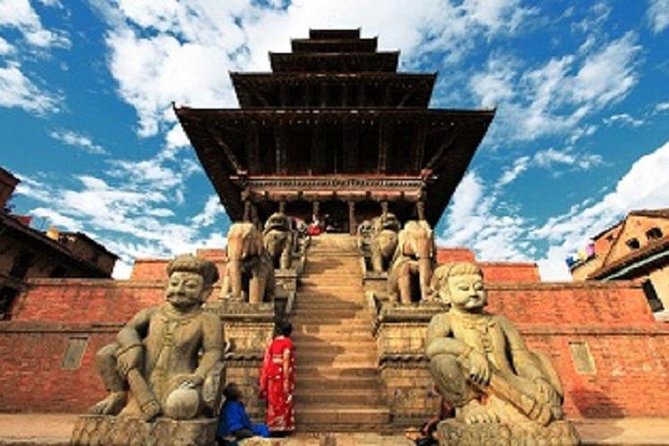
This is a classic “culture plus nature” Nepal route. You start in Kathmandu, drop into Pokhara, step into Lumbini, and finish with Chitwan’s jungle programme. The best part is that you’re not bouncing around on your own, because transfers, guided time, and permits are handled.
The itinerary also matches how most people experience Nepal well. Kathmandu gives you temples, markets, and day-to-day local life. Pokhara adds a calmer vibe and big views. Lumbini brings a very different kind of energy tied to heritage. Then Chitwan flips the mood into animals, forest, and a slower rhythm.
This tour is priced at $1,290, so you should think in terms of what you’re getting for the whole circuit, not just the “headline” sights. You’re paying for guided logistics across multiple regions, plus hotel accommodation, breakfasts, and the Chitwan jungle programme with permit coverage.
You can also read our reviews of more tours and experiences in Kathmandu.
Kathmandu: Temples, Local Life, and a Guide Who Makes It Click
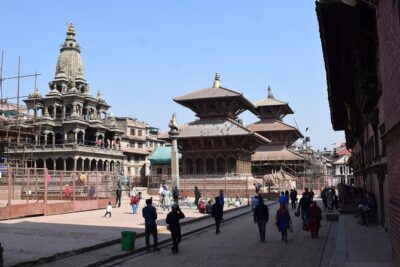
Kathmandu is where the trip earns its cultural points fast. You get guided touring in the city, along with private-vehicle support for getting around during the day. That matters because traffic and distances can be confusing if you’re trying to wing it.
From the trip experiences shared by previous clients, the guiding style is a big deal. Ajay is specifically called out as friendly and knowledgeable, and the focus is on showing you local daily life, not just checking boxes. That’s usually the difference between seeing temples and understanding how people actually use them.
You can also expect visits that fit Kathmandu’s top spiritual landmarks and holy sites. Previous planning described stops like Pashupathi Nath Temple, Swayambhunath (often written as Souyambu Nath), and Budhanilkanta Temple. Those are the kinds of places where a guide helps you notice details you’d likely miss on your own.
Here’s a practical way to enjoy Kathmandu on this kind of schedule. Go in with light expectations. You won’t have time for every museum or every alley market. Instead, pick a few moments that feel meaningful to you, then let the guide handle the route. It keeps the day from turning into stress.
Pokhara: Scenic Break and Smooth Travel Rhythm
Pokhara is the breath-after-the-storm stop. You travel there from Kathmandu by tourist or local bus, which keeps the route affordable and simple. Once you’re there, you get guided touring in the city with support from a private vehicle.
Pokhara is often a welcome contrast to Kathmandu’s intensity. Even when the weather isn’t perfect, the city has a way of making your pace slow down a notch. You’ll also have a chance to reset before the more spiritual day in Lumbini and the nature day in Chitwan.
A key value point here is timing. Because this is a multi-day circuit, your days are planned so you’re not constantly changing hotels at random hours. Hotel accommodation is included throughout the tour, with breakfast. That means fewer decisions for you and less risk of ending up hungry or scrambling on your own.
If you’re sensitive to road time, note that the route includes bus transfers between regions. The tour uses tourist or local bus for Kathmandu to Pokhara, Pokhara to Lumbini, and Lumbini to Chitwan. That’s not a deal-breaker, but you should treat it like a travel day and pack accordingly.
Lumbini: Heritage Day with Proper Guidance
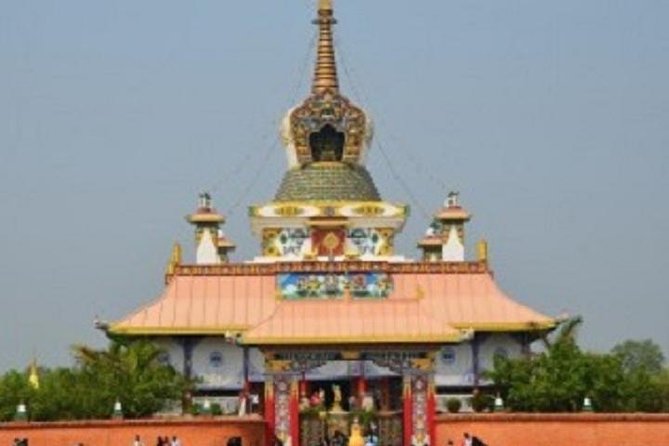
Lumbini is the spiritual and reflective turn in the itinerary. You get guided touring there with expert support, plus transport via tourist or local bus from Pokhara. The day is handled in a way that helps you see the place in context, not as a quick photo stop.
One of the reasons I like Lumbini as part of a single package is pacing. You’re not only traveling to a heritage site, you’re also traveling to a whole new “kind” of day. Kathmandu is busy, Pokhara feels lighter, and Lumbini slows everything down again.
The tour includes hotel accommodation and breakfast, and your city touring in Lumbini is organized. There is also a welcome and farewell Nepali dinner in Kathmandu, which means you’re not totally cut off from the local food culture while you’re moving through different towns.
Practical tip: wear comfortable shoes. Heritage sites often mean uneven ground and a lot of walking, and you’ll want to focus on what you’re seeing instead of thinking about your feet.
Chitwan Jungle Programme: Permits, a Nature Guide, and the Real Point of Going
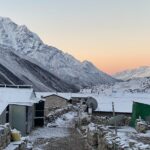
Chitwan is why many people choose a Nepal package like this. The included Chitwan jungle programme is set up with a jungle permit and a nature guide. Those two details matter more than they sound, because they suggest the day is organized rather than improvised.
You also get a jungle programme included “at per package,” plus jungle permit and a nature guide. That tells you the company is treating Chitwan as a structured activity with the right permissions and guidance. For many travelers, this is one of the most memorable days because it feels different from temples and city streets.
Another practical benefit: the tour includes group medical supplies and a first aid kit on hand. In places where schedules can shift with weather or wildlife rules, having basic support improves your peace of mind.
One more value note: Lumbini to Chitwan is another tourist or local bus transfer. That means you’re likely arriving with enough time to get settled and start the programme without a chaotic “rush hour arrival.” Still, keep water, snacks, and a layer for cooler or rainy moments, just in case.
Hotels, Meals, and the Value Math Behind the $1,290 Price
The tour includes hotel accommodation throughout, with breakfast. It also includes “all necessary paper works,” office service charges, and government taxes. And it adds small but real upgrades like a welcome and farewell Nepali dinner in Kathmandu.
There’s also a gift component: Above the Himalaya Gifts includes a T-shirt for gents and a Pashmina shawl for ladies. It’s not a life-changing perk, but it’s a tangible “you’re part of a group” touch.
Now the part you should verify before you pay in full. The inclusions say all meals, but the not-included section also lists lunch and dinner in Kathmandu, Lumbini, and Pokhara. That’s a contradiction, and it affects your budget.
When you ask questions, be specific:
- Which breakfasts are included?
- Which lunches and dinners are included by day and by city?
- Are the two Nepali dinners in Kathmandu the only dinner meals included, or are there other included dinners too?
Because you don’t want to discover this after you arrive. With a tour at this price, small meal gaps can add up fast.
Also check the “private transportation” line under not included. The tour does include airport and hotel transfers by private vehicle, and guided city tours use private vehicles. If you want extra private rides beyond those set transfers, you may pay extra. That’s normal, but it’s worth understanding.
Weather Choices: September to November, March to May, and the Tradeoffs
This tour is offered across multiple seasons, and your experience will swing based on weather. September to November is described as autumn with very pleasant and clear weather, plus mountain views that are at their best. March to May is warmer, and December to mid-February is colder but clear. June to August is rainy, and July and August have more rain.
Here are the temperature ranges listed:
- September to November: maximum 30°C, minimum 2°C
- March to May: maximum 33°C, minimum 13°C
- December to mid-February: maximum 19°C, minimum -2°C
- June to August: maximum 34°C, minimum 19°C
If your goal is mountain views, choose clearer months. If your goal is fewer crowds and winter air, consider December to mid-February, but pack for cold mornings. If you go in the rainy season, you should accept wetter days and potential schedule changes.
Also remember: weather affects not only sights. It impacts comfort, road conditions, and how quickly you feel tired. In rainy months, bring a good rain layer and be ready for muddy walkways in the cities and heritage sites.
Getting Around: Private Transfers, Bus Legs, and Timing You Should Confirm
Transportation is a mix. Airport and hotel transfers are by private vehicle. City touring in Kathmandu, Lumbini, and Pokhara includes a private vehicle for guided days. The between-city legs use tourist or local bus.
That combination is usually a smart compromise. Private vehicles reduce hassle when you’re starting and ending the day. Bus legs keep the overall price down for longer distances across Nepal.
There is also a “Pickup offered” feature plus a mobile ticket. However, the meeting point section lists a start time of 12:15 am. That’s unusually early and might mean your pickup window is early, or the listing format uses a default. Either way, confirm your exact pickup time the day before you leave, so you don’t get stranded trying to interpret a timestamp.
If you’re easily stressed by early mornings, this is the one part I’d plan carefully. Once you’re rolling, the route becomes predictable because hotels and guidance are covered.
What to Pack and What Paperwork You Actually Need
This is one of those tours where “bring the right documents” is not a throwaway line. You’ll need a valid passport with at least 6 months validity from your return date.
Visa guidance is also provided. You can obtain a Nepal visa upon arrival at Kathmandu Airport, and the visa costs are listed as USD 25 for 15 days and USD 40 for 30 days. Your exact option depends on your nationality and your timing, but the tour includes guidance so you’re not starting from zero.
The tour also asks for official papers and travel insurance. Insurance is required and must cover medical, personal accident, emergency evacuation, trip cancellation, lost gear, natural calamity, theft or damage to baggage, and more. That’s not just “nice to have.” Treat it as a core requirement of the trip.
Another detail that surprised me when I read the requirements: you should bring 4 extra passport-sized photographs for trekking permits. Even if you are not planning a trek, the company requests these photos for permits, so bring them. It’s easier than scrambling later.
And yes, pack a few layers. Even in warmer months, Nepal can feel cool at night, and temple mornings can be chilly depending on the season.
Who This Tour Fits Best
This tour fits best if you want a guided Nepal circuit with a balance of culture and nature. It’s also a strong choice for first-timers, because you’re not stuck researching routes between four major areas.
It also seems to work well for families and mixed ages. One experience shared involved an older mother who wanted a hike, and the guides found a manageable option. That suggests flexibility in how your day activities match comfort levels, as long as you communicate needs early.
If you hate bus rides, consider whether you want a more private, higher-cost transport plan. This tour uses tourist or local buses between key towns, and that’s part of the deal.
If you want maximum free time to wander alone, also think twice. This itinerary leans structured, with guided city tours and a planned jungle day. You can still enjoy downtime, but the schedule is designed to keep everything moving.
Should You Book All Nepal Tour? My Practical Take
If you want an organized route through Kathmandu, Pokhara, Lumbini, and Chitwan with hotels, breakfast, guided touring, and a properly set-up Chitwan jungle programme, this package looks like a solid value. The strongest selling points are the people and the structure, including the kind of guide experience highlighted by Ajay in Kathmandu and the professional organization associated with Puruji.
Before you book, do two quick checks to protect your budget and reduce surprises:
- Ask for a clear meal chart. Resolve the mismatch between included meals and the not-included lunch and dinner note.
- Confirm your real pickup time. The 12:15 am start time should not be treated as your personal schedule without confirmation.
If those are handled, you’ll likely enjoy a trip that feels authentic without feeling chaotic. Nepal is intense in a good way, but you want your logistics to be calm.
FAQ
What places does this tour visit?
The tour visits Kathmandu, Pokhara, Lumbini, and Chitwan.
How long is the tour?
It is listed as 10 days approximately, from arrival to departure.
What is included in the price?
Included items cover airport and hotel transfers by private vehicle, guided tours in Kathmandu, Lumbini, and Pokhara with an expert tour guide, hotel accommodation throughout with breakfast, all required paperwork and government taxes, meals, a Chitwan jungle programme with nature guide and jungle permit, and a welcome and farewell Nepali dinner in Kathmandu.
Do I need a visa, and what does it cost?
You can get a Nepal visa upon arrival at Kathmandu Airport. The tour data lists USD 25 for 15 days and USD 40 for 30 days. You can also obtain a visa through Nepalese consulates before travel.
Is pickup available?
Yes. Airport and hotel transfers are included by private vehicle, and pickup is offered.
What is the group size limit?
The tour lists a maximum of 15 travelers.
More Tours in Kathmandu
More Tour Reviews in Kathmandu
Not for you? Here's more nearby things to do in Kathmandu we have reviewed


Tours, compared.
 ★ 5.0Private Kathmandu Sightseeing Tour | UNESCO World Heritage sitesFrom $17756 reviews
 ★ 5.0Everest Base Camp Helicopter Tour landing at Everest View HotelFrom $1,575668 reviews
 ★ 5.0Full Day 7 UNESCO Tour with Lunch – Private/GroupFrom $10415 reviews
 ★ 5.0Private Bhaktapur and Nagarkot Day Tour From KathmanduFrom $20305 reviews
 ★ 5.0Full Day Top 4 UNESCO Tour with Lunch – Private/GroupFrom $10269 reviews
 ★ 5.0Kathmandu Food and Drink Walking TourFrom $36266 reviews
 ★ 5.0UNESCO Seven World Heritage Tour in KathmanduFrom $180253 reviews
★ 4.9Full-Day 7 UNESCO Tour with Lunch – Private/GroupFrom $5247 reviews
★ 5.0UNESCO Seven World Heritage Tour in KathmanduFrom $180253 reviews
★ 4.9Full-Day 7 UNESCO Tour with Lunch – Private/GroupFrom $5247 reviews