
REVIEW · TOURS
8 Days Tour in Nepal (Accommodation at 5 Star Hotel)
Stunning Nepal in just eight days. This package strings together Kathmandu heritage and Chitwan wildlife with a 5-star hotel base, so you get contrast without thinking too hard. I like that it also builds in real Pokhara moments, like sunrise at Sarangkot and time on Phewa Tal. One possible drawback to plan for is the amount of driving, since Nepal roads can be bumpy, and the days can feel packed.
I also appreciate the human touch behind the scenes. The pickup from Tribhuvan International Airport, the guided stops, and a small group size (up to 30) make the trip feel organized rather than chaotic. In the feedback, names like Mani (the owner), Sanjaya (guide), and drivers such as Binod or RAM show up, which is a good sign the team takes service seriously.
For value, I like the mix of included meals and key activities, with admissions handled at most major sights. You should note private transportation is not included, and that entrance tickets vary stop by stop, with some marked as included and others as free. Still, for $1,400 per person, it is an efficient way to hit a lot of Nepal without building every detail yourself.
Key highlights worth your attention
- 5-star hotel base keeps you comfortable after full sightseeing days
- Four big heritage stops in Kathmandu in a single day, with guided pacing
- Rapti River canoe time plus jungle walk plus jeep safari in Chitwan
- Pokhara sunrise from Sarangkot with wide mountain-region views when weather cooperates
- Gupteswar Gupha cave adds a different kind of adventure beyond temples and lakes
- Up to 30 people means you get group convenience without feeling swallowed by the crowd
Value Check: What $1,400 Buys in Nepal With a 5-Star Base
Eight days in Nepal sounds simple, but it is really three different worlds: the ritual city of Kathmandu, the jungle-and-river focus of Chitwan, and the lake and viewpoint rhythm of Pokhara. This tour is built around that rhythm, and the big “value” piece is staying in a 5-star hotel throughout, so your downtime actually feels like downtime.
The price also reflects the workload of coordination. You are not just visiting places, you are moving between regions, getting guided through major sites, and scheduling activities like canoeing and a safari. Since the trip is typically booked about 119 days in advance on average, it helps to think of it as a popular, well-scheduled route rather than a last-minute plan.
Meals help too, but in a realistic way. You get 6 breakfasts, plus 2 lunches and 2 dinners during the 8 days. That usually covers the easiest parts of the day so you can start early for heritage sights or sunrise viewpoints, while still giving you some flexibility on the days meals are not included.
The one “math” item to notice is transport style. The tour does not include private transportation, so you should expect group transfers rather than a dedicated car reserved only for you.
You can also read our reviews of more tours and experiences in Kathmandu.

Day 1 in Kathmandu: Airport Pickup and Thamel to Get Your Bearings
Your tour starts with a pickup from Tribhuvan International Airport and then a drive to your hotel. That matters more than it sounds, because Kathmandu traffic and navigation can chew up energy on Day 1, especially if you arrive tired.
Once you are checked in, you are given time to orient yourself around Thamel and nearby Durbarmarg, which is within walking distance. I like that this day avoids over-stuffing you with “must-see” stops, because Kathmandu can feel intense at first.
If you enjoy strolling at your own pace, Thamel is a practical place to do it. You can grab water, do a quick walk for orientation, and figure out how you want to spend your early evening before the guided sightseeing kicks in the next day.
Kathmandu in One Day: Boudhanath, Patan Durbar, Pashupatinath, Swayambhunath
Day 2 is a classic “big hits” Kathmandu day, and it works because it groups major religious sites into one guided flow. You also get a blend of Buddhist and Hindu sacred spaces, so the city feels alive from different angles, not just one.
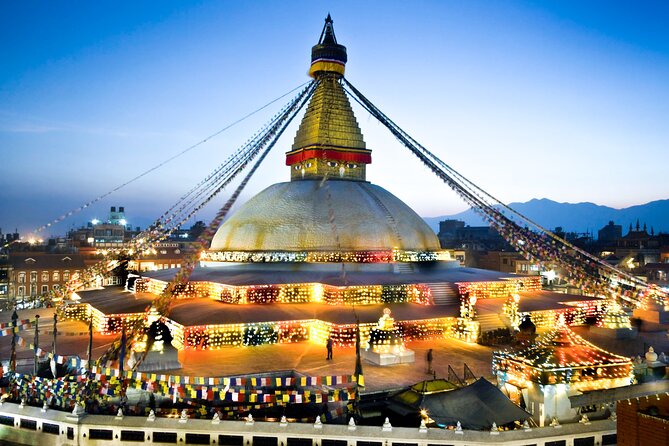
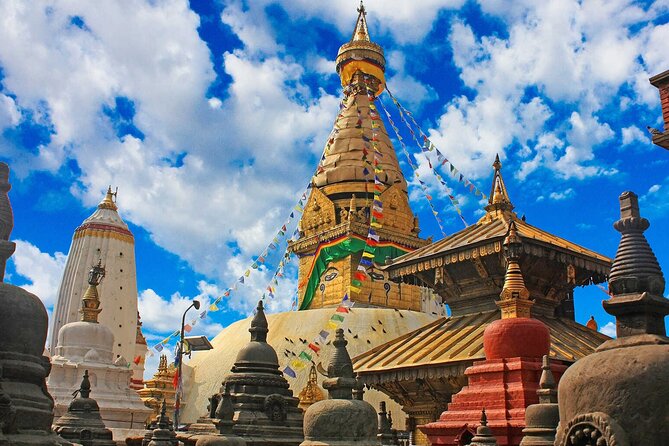
First up is Boudhanath Stupa, where the white dome and colorful Buddhist flags create an instantly calming atmosphere. Around the stupa, you get time to take in the scene, and the admission ticket is included. This is one of those places where even if you are not “into temples,” you still feel the scale and the stillness.
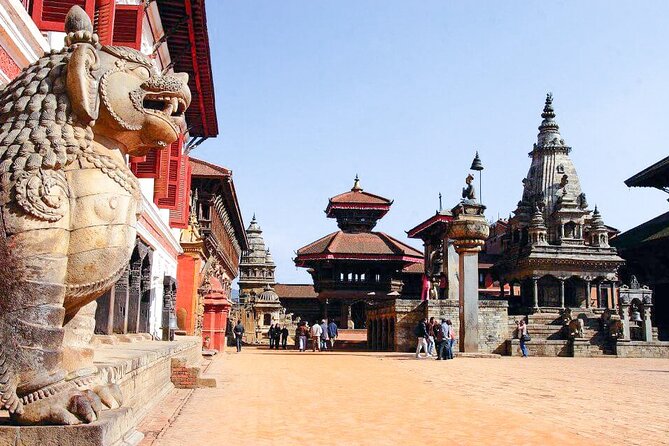
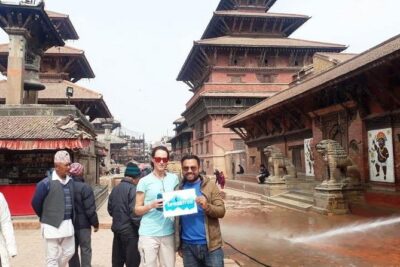
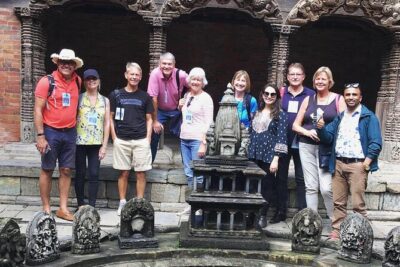
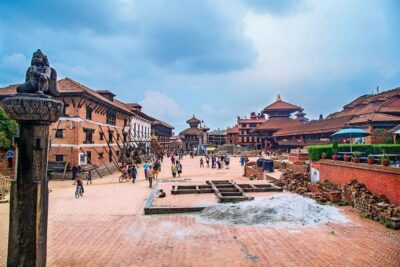
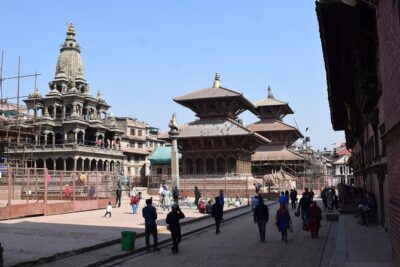
Next comes Patan Durbar Square, which is packed with detail. The tour highlights that area has 55 of the largest Hindu temples and 136 bahals, or courtyard spaces, along with specific points like the Krishna Temple and the Golden Window. If you like art and carved stone, this stop is a strong one, and admission is included.
Then you move to Pashupatinath Temple. The guide-led walk takes you through a large temple complex around the Bagmati River, including multiple shrines, ashrams, inscriptions, and images built up over centuries. This stop is included with admission, and it is a powerful shift from the Buddhist tone of Boudhanath.
Finally, you climb to Swayambhunath. From the top of the hill you get views plus a dense mix of statues of Gautama Buddha, chaityas, temples, and painted religious figures. The admission ticket is included here as well, and the stop length is set to let you actually see rather than just rush.
A small consideration: this is a long day even with set time slots. Expect some walking and lots of “looking closely,” and keep your pace steady.
Day 3 Travel to Chitwan: Hills on the Road, Then Jungle Time
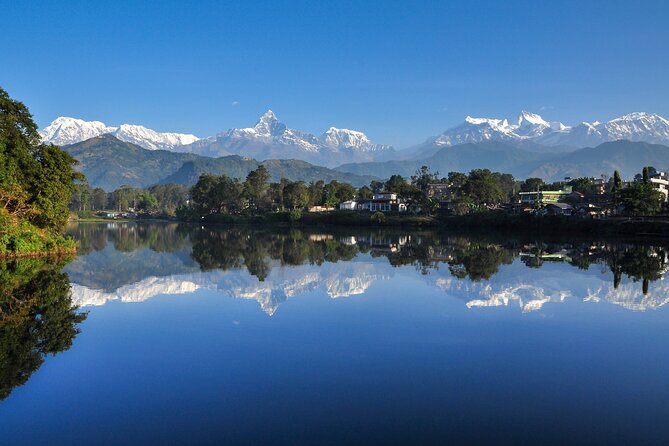
On Day 3, you cross out of Kathmandu Valley and head toward Chitwan. The ride itself is part of the experience, because you pass hundreds of hills, and if you are lucky you can spot mountains in the distance behind the landscape.
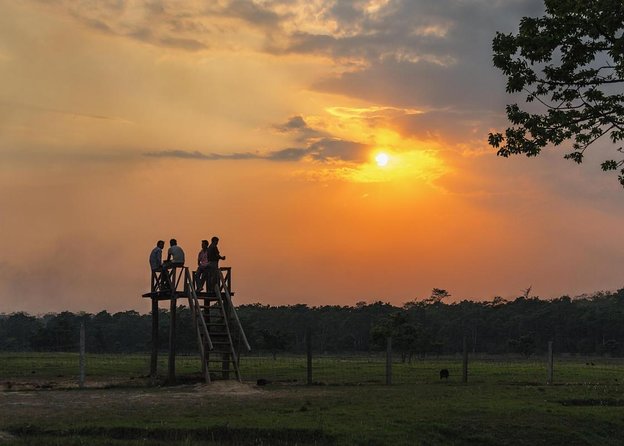
Once you arrive in Chitwan, the schedule turns more relaxed and evening-focused. You rest for a bit, then head out for a Rapti Riverside walk, a Tharu cultural show, and sunset views. It is a gentle on-ramp to the wildlife theme, and it helps you switch gears from temples to animals without feeling like you are sprinting.
The stop lengths are short to moderate, which keeps this day from dragging, but you still get enough time to feel the place. Admission is included for the evening activities, so you are not scrambling for tickets after travel.
Chitwan Safari Day: Canoe on Rapti, Jungle Walk, Jeep Safari, and Tharu Village
Day 4 is the wildlife centerpiece, and it is built like a menu: water, forest, and then a more open-sight adventure.
You start with canoeing on the Rapti River, set for about 45 minutes. The tour calls out crocodiles and other wild animals as part of what you might see from the river, and the activity is marked as admission-free. Even if wildlife stays hidden, the river and shoreline environment is its own reward.
Next you do a jungle walking segment around the native habitat area of Chitwan National Park. The time is set to roughly three hours, and the admission ticket is included. This is where you slow down and pay attention to the forest feel rather than just “driving for sightings.”
Then you visit the Elephant Breeding and Training center for about one hour, and this stop is also marked admission-free. Even if you do not know much about elephants, a focused center visit gives you a clearer context for what you are seeing in the region.
After that, the tour includes Chitwan Tharu Village, about 30 minutes, with admission included. This is a quick look at daily life and activities of the Tharu community, and it adds cultural grounding to the nature-heavy schedule.
To finish, you go on a jeep safari in the dense jungle with an open-top setup. It is listed at about four hours and includes admission. This part is often the highest-energy session of the day, because it combines motion, scanning, and the hope for a close animal encounter.
Practical note: this is an active day. You are outside a lot, so you will want to stay hydrated and keep your gear simple.
Day 5 to Pokhara: Rivers En Route and Phewa Tal Lake Time
After Chitwan, Day 5 is a transfer day with a scenic twist. The drive crosses paths with three rivers: Trisuli, Marsyangdi, and Daraudi. That matters because it keeps the day from feeling like a pure “bus day,” and it gives you changing scenery even before Pokhara.
When you reach Pokhara, the focus shifts to the lake. You stop at Phewa Tal, and the tour includes about two hours of time at the lake plus boating. This is the part that makes Pokhara feel different from Kathmandu, because the city spreads out around water rather than stairs and temples.
Phewa Tal is included with admission ticket, so the tour handles that piece for you. If you enjoy calm pacing, this stop hits the right note as a breather before the sunrise and viewpoint-heavy Day 6.
Day 6 in Pokhara: Sarangkot Sunrise, Devi’s Fall, Gupteswar Cave, and the World Peace Pagoda
Day 6 is a “views plus variety” day, starting early with one of Pokhara’s best known viewpoints.
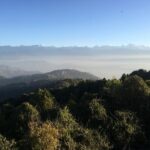
First is Sarangkot for sunrise. The tour highlights that, when conditions allow, you can see Annapurna and Manaslu region views plus the Pokhara valley. The included admission and set timing make this easier than chasing a sunrise on your own.
Then you go to Devi’s Fall, around 30 minutes. The tour explains the falls originate from Phewa Lake and enter a narrow gorge before flowing into the Seti River. It is a short stop, but it gives you that dramatic natural interruption in an otherwise scenic day.
Next comes Gupteswar Gupha (Gupha), described as the longest cave in Nepal at about 2,950 meters. The tour also notes it was discovered in the 16th century. If you like structure in your sightseeing, this stop adds a clear “activity” component without turning into a long hike.
Finally, you reach the World Peace Pagoda after a short hike from the city. The tour emphasizes the white pagoda and offers broad lakeside views from a single viewpoint. It is included with admission, and it gives you a feel-good ending to the day that is more reflective than adrenaline.
Key consideration: Sarangkot sunrise depends on weather. The tour says it requires good weather, and if weather cancels it, you are offered a different date or a full refund. That is a meaningful safety net for a sunrise plan.
Day 7 Back in Kathmandu: Durbarmarg Time for Your Own Plans
After returning to Kathmandu, you get a lighter day. On Day 7, the tour points you toward Durbarmarg, which is known for clubs, pubs, massage centers, shopping, and views of Narayanhiti Palace of the King.
This is a smart kind of free time. You already did the big temple circuit earlier, so now you can pick your own pace: shopping for small gifts, grabbing a snack, or doing an easy evening walk without fitting every hour to a rigid schedule.
Because your itinerary includes time to roam rather than only “guided stops,” this day often feels like the most personal one.
Day 8 Departure: Airport Transfer at Flight Time
On departure day, staff take you to Tribhuvan International Airport according to your flight schedule. That is the kind of detail that prevents Day 8 stress, especially when you are moving between time zones and trying to stay on a tight airport timeline.
If you have an early flight, having a scheduled transfer reduces guesswork. If you have a late flight, it helps you avoid arriving too early and wasting your last morning.
Hotel and Meals: How the Included Food Fits the Sightseeing Rhythm
You are staying in 5-star accommodation, which changes how you experience a multi-stop trip. In a tour like this, comfort matters, because you are mixing long drives with active wildlife time and then viewpoint walks.
Meals are included in a specific pattern: breakfast on 6 days, plus lunch on 2 days, and dinner on 2 days. That typically covers the mornings when you want energy for early starts, and then it plugs in some mid-day and evening meals during heavier travel or activity days.
The days without included meals give you flexibility. You can eat close to your hotel in Kathmandu’s Thamel area or keep it simple where your day ends. Just remember that lunch and dinner are not fully covered every day.
Admission tickets are also mixed. Some stops are marked included, others marked free, like Rapti canoe time and the elephant center. In practice, that reduces extra ticket-hunting during the day.
Group Size, Guides, and Transport: What “Organized” Feels Like
This tour runs with a maximum group size of 30 travelers. That is large enough to keep it cost-effective but small enough that you are still part of a real group, not one face in a crowd of hundreds.
You get pickup support, and you start at 9:15 am. The mobile ticket also helps with keeping things simple, especially if you are traveling without printing documents.
The guide quality seems to be a consistent theme in the feedback, with names like Sanjaya specifically mentioned. The owner, Mani, is also singled out for communication and the ability to arrange itineraries if changes are needed after arrival. Drivers such as Binod and RAM show up in the praise too, which usually means smoother timing on the road.
One more small but important point: when roads are not great, good driver habits matter. Your comfort depends on how skillfully your transport handles the ride.
Weather, Scheduling, and a Realistic Nepal Plan
Nepal tours often depend on weather, and this one explicitly says it requires good weather. If poor conditions cancel the experience, you will be offered a different date or a full refund.
That matters most for viewpoint plans like sunrise from Sarangkot and for outdoor segments around Chitwan and Pokhara. Even if the schedule stays intact, weather can affect what you can actually see.
Also, plan for a “moving day” mindset. You are covering Kathmandu, Chitwan, and Pokhara, so you are not doing everything on foot in one city. The tradeoff is you see more regions, but you give up some spontaneity.
Who This 8-Day Nepal Loop Is Best For
This tour is a strong fit if you want an efficient, guided route through Nepal’s top three highlights. You get major Kathmandu religious sites, a focused Chitwan wildlife and culture day, and then Pokhara lake and viewpoint experiences without having to manage each day from scratch.
I think it suits:
- First-time visitors who want a structured introduction
- People who prefer a guided pace with time to breathe
- Travelers who want wildlife experiences like canoeing and jeep safari but not a multi-day trek
- Comfort-minded guests, since the stay is at 5-star hotels
It might not fit as well if you hate fixed schedules or want full independence. Also, if you are sensitive to long driving days, consider whether you prefer fewer regions and more time in each.
Should You Book This Nepal 8-Day Tour?
If you want a well-organized Nepal trip that hits Kathmandu heritage, Chitwan wildlife, and Pokhara views in one package, I would book it. The biggest reasons are the 5-star hotel base, the fact that major sights are guided in a logical flow, and the wildlife day is built with multiple activity types, not just one.
The main “don’t ignore this” items are the pace and the logistics reality of Nepal roads, plus that private transportation is not included. If you are okay with scheduled days, guided stops, and a bit of travel time, this is good value for what you get.
FAQ
How long is the Nepal 8-day tour?
The tour runs for 8 days (approximately).
Where does the tour take place?
It focuses on Kathmandu, Chitwan, and Pokhara, Nepal.
Is pickup offered from the airport?
Yes. On Day 1, pickup is offered from Tribhuvan International Airport (TIA), and the drive goes to your hotel.
What time does the tour start?
The start time listed is 9:15 am.
Are meals included?
Yes. Breakfast is included for 6 days, and lunch is included for 2 days and dinner is included for 2 days.
Does the tour include entrance tickets?
Some admission tickets are included (for example at Boudhanath Stupa, Patan Durbar Square, Pashupatinath Temple, and Swayambhunath), while other activities are marked as free or admission-free (such as Rapti River canoeing and the Elephant Breeding and Training center). It varies by stop.
Is private transportation included?
No. Private transportation is not included.
What is the group size limit?
The tour has a maximum of 30 travelers.
What if weather is poor?
The tour requires good weather. If it is canceled due to poor weather, you will be offered a different date or a full refund.
What is the cancellation window?
You can cancel up to 3 days in advance for a full refund. If you cancel less than 3 days before the experience starts, the amount paid is not refunded.
More Tours in Kathmandu
More Tour Reviews in Kathmandu
Not for you? Here's more nearby things to do in Kathmandu we have reviewed


Tours, compared.
 ★ 5.0Private Kathmandu Sightseeing Tour | UNESCO World Heritage sitesFrom $17756 reviews
 ★ 5.0Everest Base Camp Helicopter Tour landing at Everest View HotelFrom $1,575668 reviews
 ★ 5.0Full Day 7 UNESCO Tour with Lunch – Private/GroupFrom $10415 reviews
 ★ 5.0Private Bhaktapur and Nagarkot Day Tour From KathmanduFrom $20305 reviews
 ★ 5.0Full Day Top 4 UNESCO Tour with Lunch – Private/GroupFrom $10269 reviews
 ★ 5.0Kathmandu Food and Drink Walking TourFrom $36266 reviews
 ★ 5.0UNESCO Seven World Heritage Tour in KathmanduFrom $180253 reviews
★ 4.9Full-Day 7 UNESCO Tour with Lunch – Private/GroupFrom $5247 reviews
★ 5.0UNESCO Seven World Heritage Tour in KathmanduFrom $180253 reviews
★ 4.9Full-Day 7 UNESCO Tour with Lunch – Private/GroupFrom $5247 reviews