
REVIEW · CHITWAN SAFARI TOURS FROM KATHMANDU
3-Day Chitwan Jungle Safari Tour from Kathmandu
Chitwan works even with limited time. I like that this tour is transport and meals included so you can focus on the wildlife and the river. I also love the mix of activities across days, from Rapti canoe rides to jeep safari time and Tharu cultural stops. The one thing to keep in mind is the long coach hours, so if you hate bus travel, you may want a longer option.
You’ll also want to manage expectations about logistics on the return day. One past guest said the handoff from the bus stop back to their hotel did not happen smoothly, even though transfers are listed as included, so confirm your exact pickup plan (and whether your hotel is inside Kathmandu city ring road) before you relax.
Key things to know before you go

- Early start with hotel pickup and a pre-dawn rhythm, including morning tea and a buffet breakfast before going out
- Rapti River canoeing plus bird watching, a calmer way to spot animals along the water
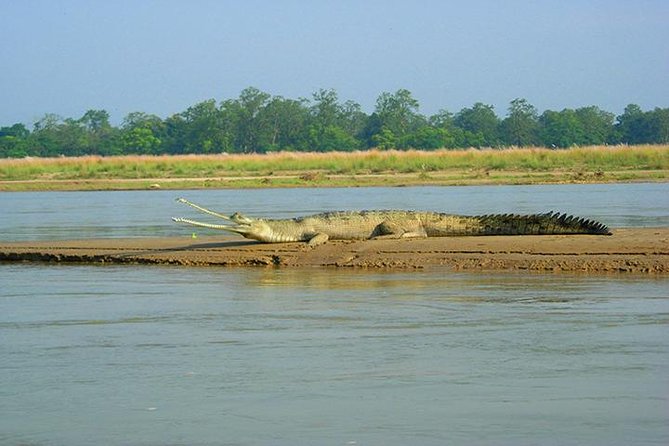
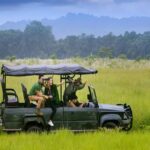
- Jeep safari time for bigger wildlife chances like rhinos and crocodiles, with tigers as the famous but unpredictable goal
- Tharu Village culture with a cultural performance and a visit to a local museum to balance the wildlife focus
- All-in pricing that includes park fees and conservation area fees, plus guide coverage and two nights’ lodging
- Sun and heat management because the Terai can run over 37 C in summer, so plan for warm-season comfort
Chitwan safari energy: what you’re really buying in 3 days
This is a classic Chitwan style trip: you start with a wildlife-first mindset, then you add culture so the days feel fuller than just driving around looking. The big value here is that you are not stitching together separate buses, entry tickets, and hotel transfers. Your cost covers the core pieces, from Kathmandu to Chitwan and back by tourist coach, plus a guide and the national park fees.
The day-by-day schedule is packed, but it’s packed in a useful way. Chitwan’s animals don’t show up because it’s convenient. They show up at the times and places that guides know and local rangers protect. So the early start on day two is not a random cruelty, it’s the point. If you can handle mornings that begin before you feel fully awake, you’ll get more out of the safari time.
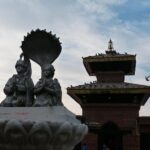
The other thing you’re buying is access to the Tharu community side. Chitwan sits in Nepal’s Terai zone, and the Tharu cultural performance and local museum visit help you understand the people who have lived alongside this landscape for generations. It’s a good balance when your brain is otherwise focused on spotting rhinos and crocs.
A few more Kathmandu tours and experiences worth a look
Kathmandu to Chitwan: transfers, timing, and why ring-road pickup matters

This tour includes hotel pickup and drop-off in Kathmandu and Chitwan. The key detail is that pick and drop off service is for hotels inside Kathmandu city ring road. If your hotel is outside that ring, there may be an extra charge. That’s worth checking early, because Kathmandu transfers can get messy when schedules collide with traffic.
The start is early. Your day one begins with pickup from your hotel and transfer to the tourist bus park. The schedule described has a transfer arriving at the bus park at 6:00 am, then you head toward Chitwan on the tourist coach. If you’re the type who needs breakfast first, pack a plan for it, because the trip is structured around getting into the park rhythm quickly.
One more practical note: this is described as a private tour/activity meaning only your group participates. You might also see group discounts offered, but the important part for comfort is that you are not mixing into random crowds with strangers constantly reshuffling the plan.
Day 1 in Chitwan Tharu Village: culture you can actually use later
Day one centers on the Tharu side of the region. You travel from Kathmandu and reach Chitwan Tharu Village, with admission included. Your day is long (about 12 hours), which usually means travel time plus several scheduled stops rather than a single quick visit.
What I like about this first day is that it gives you context before the big wildlife hunting begins. Wildlife tours can be totally mind-blowing, but they can also feel like you’re watching without understanding. The Tharu cultural performance and the local museum visit help you connect the landscape to the people.
Here’s how I’d approach this day mentally:
- Go in curious, not just on autopilot. Ask questions of your guide about daily life, farming, and how local communities relate to the forest and river.
- Take your time during the museum visit so it sticks. Later, when you’re on the river or in safari jeeps, you’ll notice details more clearly.
A small drawback of day one is that the total time is big, so if you’re very jet-lagged or your energy is low, you might not fully enjoy the cultural elements. The upside is that you can treat day one like a warm-up day. The more alert you are, the better the whole trip feels.
Day 2: Rapti River birding and canoe time (the calm before the jeep)

Day two is the day most people picture when they imagine Chitwan: early wildlife time, then river action, then safari driving. Your day begins with a wake up call and morning tea at 6:00 am, followed by a buffet breakfast at 6:30 am. Then you head out around 7:00 am.
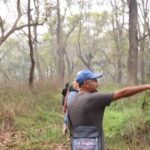
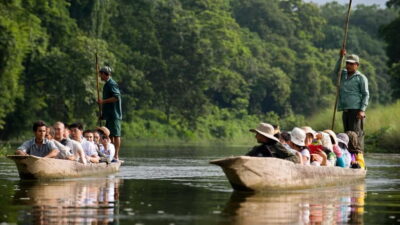
The first activity block is bird watching and canoe riding along the Rapti River. This is a smart start. A canoe ride moves slower than jeeps, and it’s often where you spot the subtler signals: ripples on the water, animal movement near the banks, and birds acting like living alarm systems. Canoeing is also a good way to get your eyes trained before you switch into higher-speed safari mode.
The value of this combo is timing. You get wildlife searching in two different styles in one day:
- Birding and canoeing, where you’re observing quietly and covering gentle stretches
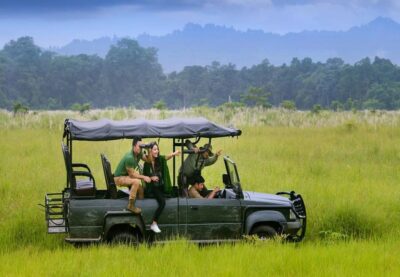
- Safari driving, where you’re positioned to react quickly when wildlife appears
Then, later in the day, the wider activity set includes adventure time like jeep safari and other scheduled experiences. Chitwan is known for rhinos and crocodiles, and you’ll have multiple chances built into the day.
A few practical expectations:
- Your guide matters a lot. Good guides help you see what you’d otherwise miss and they manage the group so you’re not constantly stopping and restarting.
- Wildlife sightings are never guaranteed, but the tour structure gives you the best shot by spreading the search across habitats.
Jeep safari chances: rhinos, crocodiles, and the tiger goal

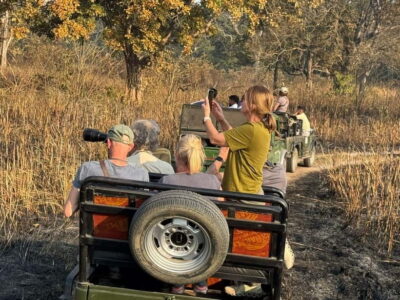
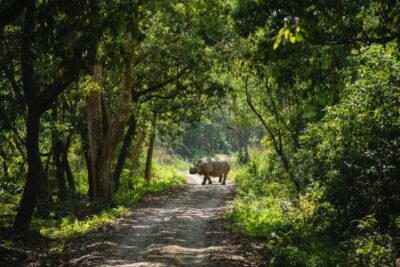
The highlights for this trip explicitly include the chance to see deer, rhinos, crocodiles, and tigers. The honest truth is that tigers are the most famous residents, and also the least predictable. You should treat tiger sightings as a bonus, not a promise.
What you can control is your behavior once you’re out there. Your tour materials include a specific clothing warning: don’t bring bright-colored clothing or busy patterns because it can draw attention and scare wildlife. Stick with greens, browns, and khakis. It’s not just about looking like a safari participant. It’s about lowering your visual impact.
If you want an even better experience, ask your guide about what you’re about to do before you leave the lodge or hotel. Then when something is spotted, follow the instructions quickly. That’s how you get the best viewing time without pushing the animal away.
One detail that stuck with me from real experiences on this kind of itinerary is how guides sometimes bring you back if something notable is found. A past guest shared that their guide found a rhino and returned to their room so they could see it without paying extra. That’s the kind of attentive guide behavior that makes the day feel personal instead of cookie-cutter.
A few more Kathmandu tours and experiences worth a look
Day 3: returning to Kathmandu and the trade-off of speed

Day three is built for the return. You go back to Kathmandu by tourist bus, with a shorter day length (about 6 hours). Breakfast coverage is listed for the trip, and lunch is not provided on day three when you’re back in Kathmandu.
So treat day three like a travel wrap-up day. You’ll likely be changing gears from wildlife mode to transit mode quickly, and your comfort matters. Bring something for cooling down, a light layer if the bus gets chilly, and keep your snacks in mind since lunch is not included.
The trade-off of doing only 3 days is simple: you fit in the big hits, but you move fast. One practical note from experience in the region is that if you’re the kind of traveler who enjoys slow, long safari time, a 4-day option can reduce the “too much coach” feeling. If you’re short on time, 3 days is still a highly workable plan, but you’ll be tired in the way only multi-leg wildlife travel can make you tired.
Where you’ll stay: 3-star lodges, simple comfort, and real meals

You get two nights’ accommodation in a 3-star category hotel or resort in Chitwan, with examples like Chitwan Paradise Hotel or similar. Rooms are on a twin/double sharing basis, and for solo travelers a single room is provided.
From past experiences, the lodging can be clean and quiet, with food that is reasonable rather than fancy. For example, one guest stayed at Maruni Sanctuary Lodge, calling the hotel clean and quiet and describing the food as reasonable. That’s exactly what you want on safari. You need a comfortable base, not a luxury destination spa.
Meals are also included for days one and two: breakfast and dinners, plus lunches on two days. Day three does not include lunch, so plan for your own food once you reach Kathmandu.
If you have dietary requirements, you should share them at booking time. The tour notes say you can advise specific dietary needs when you book.
Price and value: why $392 can work, if you use what’s included

At $392 per person, this is priced like a mid-range packaged safari. The value comes from what’s included, not just the headline number.
Included items you can lean on:
- Jungle safari guide during the trip
- Two-night stay in a 3-star hotel or resort
- Kathmandu to Chitwan and back by tourist coach
- Hotel pickup and drop-off in Kathmandu and Chitwan (with ring-road limitations)
- Activities as per the itinerary, including admission tickets
- Taxes, national park fees, and conservation area fees
- Most meals: breakfast twice, lunch twice, and dinner twice
Not included items that can add up:
- Drinks unless specified
- Tips for guide and driver
- Travel insurance
- Personal expenses
- Lunch on day three
My practical take: this price tends to make sense if you want a guided, managed experience where the big logistics are handled for you. If you enjoy self-planning and you already know exactly how you’ll reach Chitwan, you might find cheaper DIY routes. But DIY usually means you’ll spend time coordinating transport, entry fees, and guide services, and you’ll lose the “someone else handles it” comfort this package provides.
Also note the tour states you can choose private vehicle or flight on request for Kathmandu to Chitwan and back. If you want to reduce bus time, ask about upgrading. Just remember that the data you were given doesn’t say the exact cost for those options.
What to pack and how to behave for wildlife viewing
This tour includes the practical safari advice that matters. Don’t wear bright clothing. Choose greens, browns, and khakis. It helps you blend in and it also reduces the chance that wildlife reacts to you too strongly.
Other packing priorities, based on the climate notes and the schedule:
- Plan for heat. In the Terai, summer temperatures can exceed 37 C.
- Bring sun protection. Early mornings still come with strong daylight in warm regions.
- Use comfortable footwear for lodge areas and walking around during village or museum stops.
- Carry a light layer for early morning starts if you get cool air on travel.
Behavior matters too:
- Listen first, move second. When your guide says stop, stop.
- Keep noise low during canoe time. It’s not a performance. It’s observation.
- If something is spotted, follow your guide’s instructions so you don’t crowd the animal.
Logistics reality check: the one snag to watch for
One of the few downsides that shows up in real experiences is return transfer confusion. A guest reported that no one from Liberty Holidays met them at the bus stop to take them to their hotel, even though the service was expected. In the provider response, they said the guest was at Dharke, Dhading, about two hours more drive to Kathmandu, and they tried to contact the bus staff around 2:30 pm to confirm arrival.
I’m not saying this happens every time. But I am saying you should plan to verify your pickup and drop-off point the day before, especially if your hotel is outside the ring road or if your bus arrives at a slightly different time. A safari is exciting, but logistics are where stress is born. One quick confirmation call can save a long wait.
Who this tour suits best
This 3-day Chitwan safari is a good fit if you:
- Want wildlife time without managing transport and park fees yourself
- Like a structured itinerary with guided activities, not a loose wander
- Are interested in Tharu culture alongside safari viewing
- Can handle early mornings and a fair amount of coach time
It’s less ideal if:
- You hate long travel days and want minimal bus time
- You need very flexible scheduling. This itinerary is designed to run on a tight clock.
- You’re very sensitive to return-day pickup hiccups. If that would ruin your trip, confirm transfers carefully or consider a different itinerary style.
Should you book it? My decision guide
If you want a plug-and-play Chitwan experience from Kathmandu, this tour makes sense. The biggest reasons to book are the clear inclusion of hotel nights, meals, guide, and park fees, plus the smart mix of river canoe time, birding, and jeep safari chances with Tharu cultural stops.
I’d only hesitate if you know you’ll struggle with early starts and lots of movement, or if your hotel is outside Kathmandu city ring road and you don’t want to deal with possible extra charges or transfer complications. In that case, do the easy prep: verify your pickup and exact return plan before you go, and pack for heat and early mornings.
If you handle the logistics and show up ready to spot animals, you’ll likely come away with the kind of Chitwan memories that last longer than the bus ride.
More Safari Adventures in Kathmandu
More Tours in Kathmandu


More Tour Reviews in Kathmandu
Not for you? Here's more nearby things to do in Kathmandu we have reviewed


Chitwan Safari Tours from Kathmandu, compared.
 ★ 5.03-Day Chitwan National Park Jungle Safari Tour Package with Pick UpFrom $180184 reviews
 ★ 4.6From Kathmandu/Pokhara: 3-Day All-Inclusive Chitwan SafariFrom $149133 reviews
 ★ 4.63-Day Chitwan Safari Tour with Hotel TransfersFrom $151127 reviews
 ★ 4.7Kathmandu/Pokhara: 3 Day Chitwan Jungle Safari TourFrom $12987 reviews
 ★ 5.03 Nights 4 Days Chitwan National Park with Tower Night StayFrom $35041 reviews
 ★ 4.7From Kathmandu/Pokhara: Private 3-Day Chitwan Safari TourFrom $16834 reviews
 ★ 4.52 Days Chitwan Jungle Safari Tour from Pokhara/KathmanduFrom $11727 reviews
 ★ 5.012-Day Nepal Adventure Trek with Jungle SafariFrom $95026 reviews
Browse the lists this tour appears in