
Healing starts early in Kathmandu.
This 3-day Ayurveda Deluxe Programme at Ayurveda Health Home pairs morning yoga with a packed set of hands-on therapies meant for your body, senses, emotions, and mind. It is also set in a calm, hillside area above Kathmandu, so the routine feels less like a schedule and more like a reset. If you like structured wellness with doctor guidance and practical daily care, this is a strong fit.
What I like most is the balance of movement and treatment: you begin each day with yoga, then you get long blocks of therapeutic work that focus on how you feel inside, not just how you look on the outside. I also really like the human side. People describe the staff, doctors, and even the cooking team as kind and professional, with a family-like warmth that makes the whole process feel easier to stick with.
One potential drawback to consider: the days start early (6:30 AM yoga), and the treatment hours are substantial. If you want a slow, late-morning vacation, this won’t feel relaxing in the laid-back way.
Key highlights you should know before you book
- 6:30 AM yoga every day sets the pace, so plan for an early start
- 24 rejuvenating treatments across energy, senses, emotions, and mind
- Specific classic therapies are named, including Neti Karma, Eye Exercises, Spinal programmes, Siro dhara, and herbal tub bath
- A quiet hillside setting above Kathmandu makes the whole retreat feel calmer
- Three wholesome meals with a simple, delicious style people like
- Private group care so your experience stays focused on your own group
Kathmandu, hillside calm, and the feel of Ayurveda Health Home
Kathmandu is busy in the usual way, but this retreat is designed to change your rhythm once you arrive. The base is Ayurveda Health Home, Nagarjun Center in Tarakeshwor, and the setting is described as beautiful and meditative, with hills above the city. That matters, because Ayurveda care works better when your environment supports rest, not constant distraction.
The location also makes day-to-day logistics easier. The meeting point is near public transportation, and the retreat includes complimentary pick-up within Kathmandu. So you are not stuck trying to figure out local routes while you are tired from travel or jet lag.
The retreat is positioned as private, meaning only your group participates. That usually improves comfort when it comes to therapies that involve personal, close-contact care and a quiet, consistent schedule.
A few more Kathmandu tours and experiences worth a look



What you get for $970, and why it can be good value
At $970 for about 3 days, the price is not cheap, but it is easier to justify when you look at what is included. You get:
- 24 rejuvenating treatments (so you are not paying for a single massage and calling it a retreat)
- daily yoga sessions
- three meals during the retreat period
- doctor guidance, which changes the tone from spa-style wellness to something more structured
- accommodations described as luxurious
- complimentary pick-up within Kathmandu
For value, the key point is the density of care. Three days is short, but the programme keeps you busy in a purposeful way: long therapy blocks in the morning and mid-day, plus breaks for lunch and recovery time. If you are paying for the whole package and not planning to add extra treatments on your own, the cost can feel more reasonable.
For planning, also note the retreat runs at the start of each day with yoga at 6:30 AM. That affects how you should budget your energy and how late you can stay up the night before.
The daily rhythm: early yoga, then long therapy blocks
This retreat is built around two anchors: yoga in the early morning, and therapy sessions that last several hours at a time. That structure can work really well if you want your health routine to feel consistent, not like you are constantly deciding what to do next.
The yoga sessions are described as invigorating and timed to awaken your senses and energize your body. Even if you do not do yoga regularly at home, this helps you start the day with awareness rather than rushing in on caffeine and vibes.
Then the programme shifts into therapies focused on different layers of experience: energy, senses, emotions, and mind. It is not just about relaxing muscles. The language used for the treatments points to something more holistic and specific in intent.
Day 1 at Ayurveda Health Home: yoga and sensorial cleansing
Day 1 begins with yoga from 6:30 AM to 7:30 AM. This first session sets the tone, because it is less about stretching for comfort and more about waking up your system. You then move into a longer morning block from 8:30 AM to 12:30 PM for sensorial cleansing and deep stimulation therapies.
That sensorial cleansing focus is one of the more interesting parts of the experience. It is aimed at caring for things like your energy, senses, emotions, and mind, which is very different from the usual wellness model where the main goal is relaxation only. You can also see classic Ayurvedic eye and nasal practices showing up in the overall list of therapies associated with this retreat, including Neti Karma and Eye Exercises. Even if you are new to them, this kind of work tends to make the routine feel like you are doing something intentional, not just receiving treatments.
After the long morning work, you get a proper break for lunch and relaxation from 1:00 PM to 2:00 PM. That is important, because it gives your body time to digest what you just did, and it helps you avoid feeling like you are being scheduled from start to finish without recovery.
Day 2: breakfast, spinal programmes, and whole-body ubatan abhyanga
Day 2 also starts at 6:30 AM to 7:30 AM with yoga, again to keep your body and attention in sync with the day’s therapies. Then breakfast is 8:00 AM to 9:00 AM, which is more than a token meal. It is part of the rhythm, and it matters because Ayurvedic programmes often rely on regular timing.
From 9:30 AM to 1:30 PM, you shift into another substantial block of therapies. The programme names Spinal programmes and Whole Body Ubatan Abhyanga here, which is a great combo if you want both structure and overall skin or circulation support. Ubatan Abhyanga is an oil-and-herbal massage style associated with Ayurvedic tradition, and it fits the retreat’s theme of working beyond just one body part.
After that morning, lunch and another recovery window happens 2:00 PM to 3:00 PM. That “second half” break is a practical touch. It means you can settle down mentally and physically before the next early start.

Day 3 finale: siro dhara, head abhyanga, and herbal tub bath
Day 3 begins again with yoga from 6:30 AM to 7:30 AM, so the retreat keeps its disciplined morning feel. Breakfast follows 8:00 AM to 9:00 AM, and then the final therapy block is 9:30 AM to 12:30 PM.
This is where you get some of the most famous named treatments in the whole description, including Siro dhara, Relaxation Head Abhyanga, and an Herbal Tub Bath. These treatments are often chosen because they target sensation and nervous-system calming, especially around the head and head-to-body connection. In plain terms, this is the day meant to leave you feeling lighter and steadier rather than just tired.
Then you have time to reflect during the closing break from 12:30 PM to 1:30 PM, with a closing lunch to end your retreat. Ending with lunch rather than a rushed departure is a thoughtful way to let the body come down from the treatment intensity.
The care team: doctors, staff warmth, and why that matters
One of the clearest strengths of this retreat is the way people describe the staff and doctors. The overall vibe is friendly and professional, with cooks and treatment staff treated as part of the healing team, not just background. People also describe a family feeling, and that can be a big deal in a programme where you are spending lots of time in personal therapies.
Doctor guidance is also a major value point. When a retreat includes doctors, it typically means your care is more than a generic, one-size-fits-all schedule. Even if your treatments still follow the main structure, doctor involvement can make the whole process feel more intentional and safer, especially if you are trying Ayurveda for the first time.
Accommodations and meals: simple food, real recovery time
The retreat includes accommodations and three wholesome meals. The meals are described as simple but delicious, which is exactly what you want in a short detox-style wellness programme. Simple food makes it easier for you to feel settled rather than weighed down.
Because your schedule includes substantial hands-on sessions, the meal timing helps you stay steady. You are not left to hunt for snacks between long therapy blocks, and you are not forced to make decisions when you are mentally tired.
Accommodation details beyond “luxurious” are not specified here, so I would focus on what is clearly important: you get a place to rest between morning and midday sessions, and the retreat does not treat you like an add-on between activities.
Who this retreat is best for, and who should think twice
This 3-day Ayurveda Deluxe Programme is a great match if you:
- want a structured Ayurveda-focused wellness experience, not a random series of massages
- like routines, especially morning yoga
- are curious about Ayurvedic practices tied to the senses, including nasal and eye exercises
- enjoy a quiet setting above Kathmandu and want to feel cared for by a team
It may be a less ideal fit if:
- you hate early mornings, because yoga starts at 6:30 AM each day
- you prefer a very light schedule and do not want long therapy blocks
- you want a vacation that is mostly sightseeing and downtime, because this is very treatment-centered
The good news is that the experience is described as one most travelers can participate in. Still, if you have a medical condition, take medication, or you know you need modifications, ask questions before you commit so you feel confident about how your care will be handled.
Practical tips to make it feel worth it
A few practical moves can help you get more out of the 3 days:
- Plan for sleep. With yoga at 6:30 AM, a late night is a tax you will pay the next morning.
- Wear easy clothing for yoga. You want layers that feel comfortable during movement and simple enough to change out of quickly.
- Treat lunch breaks as part of the therapy. Use them to rest, not to rush around. Your body needs time to settle after long sessions.
- Ask what to expect for each treatment day. The named therapies include multiple head and body practices, so having clarity reduces stress.
- Be honest about comfort with touch. This is a hands-on retreat, and it helps everyone if you can communicate what feels good and what does not.
If you come in expecting a busy spa calendar, the experience might feel intense. If you come in expecting deep-body work and a more quiet way of being, you are more likely to enjoy the pace.
Should you book this 3-day Ayurveda Deluxe Programme in Kathmandu?
My take: if your goal is a focused Ayurveda reset, this retreat is worth serious consideration. The value is in the combination of 24 treatments, daily yoga, doctor guidance, meals, and accommodations, all wrapped into a short, structured 3-day programme. Add a calm hillside setting and a team people describe as kind and professional, and you get a wellness experience that feels cared for, not rushed.
You should book if you want something more than relaxation and you are okay with early starts and long treatment blocks. You might skip it if you want late mornings, lots of independent exploring, or a very light schedule.
If you want a straightforward wellness trip in Kathmandu where the care team does the heavy lifting and your days have a clear rhythm, this one is a strong choice.
FAQ
How long is the Ayurveda retreat in Kathmandu?
It runs for about 3 days.
What is the meeting point for the retreat?
The start point is Ayurveda Health Home – Nagarjun Center, Tarakeshwor-3, Kathmandu 44600, Nepal. The experience ends back at the meeting point.
Are meals included?
Yes. You receive three wholesome meals during the retreat.
What treatments are included?
The programme includes 24 rejuvenating treatments and names therapies such as Neti Karma, Eye Exercises, spinal programmes, whole body ubatan abhyanga, Siro dhara, relaxation head abhyanga, and herbal tub bath.
Is there yoga during the retreat?
Yes. Yoga sessions are scheduled in the morning on all three days.
Do I need to worry about finding transportation in Kathmandu?
The retreat includes complimentary pick-up within Kathmandu, and the meeting point is near public transportation.
Is this experience private?
Yes. It is a private tour or activity, so only your group participates.
What format is the ticket?
The retreat uses a mobile ticket.
What is the cancellation window for a full refund?
You can cancel up to 24 hours in advance of the experience start time for a full refund. Cancellation less than 24 hours before the start time is not refunded.
More 3-Day Experiences in Kathmandu

More Tour Reviews in Kathmandu
Not for you? Here's more nearby things to do in Kathmandu we have reviewed


Massage & Relaxation, compared.
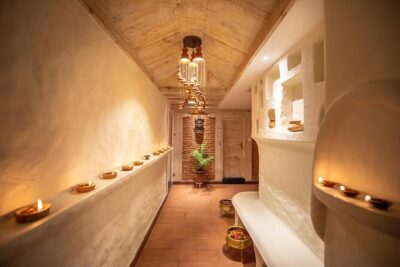 ★ 5.0Whole Day Massage & Spa With LunchFrom $10154 reviews
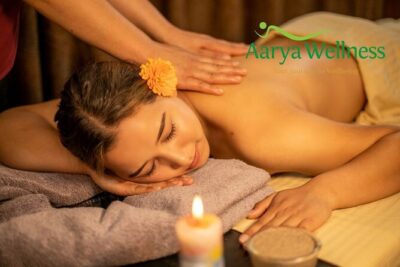 ★ 5.0Shirodhara and Sound Healing Spa Experience in KathmanduFrom $14052 reviews
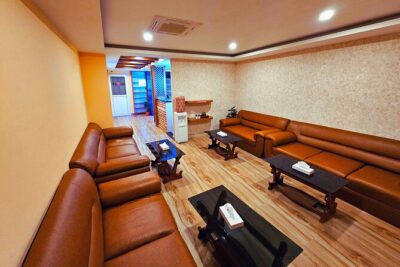 ★ 5.06 Hours Spa Package in Kathmandu (Massage, Sauna, Steam, Jacuzzi)From $9543 reviews
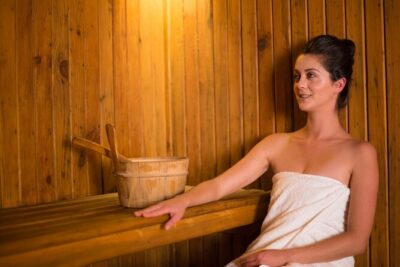 ★ 5.0Short Day Trip Hiking with 1 Hour Spa Massage in KathmanduFrom $15011 reviews
 ★ 5.0Trekkers & Hikers Spa Package by Heritage SpaFrom $789 reviews
 ★ 5.02 Hours full body Massage Spa Package in KathmanduFrom $908 reviews
 ★ 5.0Full-Day Yoga, Body Massage and Pedicure PackageFrom $1103 reviews
 ★ 5.0Ghorepani Ghandruk Wellness Yoga TrekFrom $1,9793 reviews
Browse the lists this tour appears in