

REVIEW · TOURS
10 Days Nepal Adventure Tour from Kathmandu
That first day air and the first temple sights can change everything. This 10-day Nepal adventure tour stitches together Kathmandu heritage, Trishuli River rafting, and the Chitwan National Park lowland wildlife, then finishes with a short trek in the Annapurna region. I like how it mixes big-ticket moments with smaller cultural time that helps you understand what you are seeing.
I especially love the way the trip starts with UNESCO sites in Kathmandu Valley, including Bhaktapur Durbar Square, Pashupatinath Temple, Boudhanath Stupa, and Swayambhunath. I also love the practical support, you get both a tour guide and a trekking guide, plus a small group capped at 12. That adds up to less stress when you are moving between cities and off-the-beaten-path spots.
One possible consideration: this is an active itinerary with road time and hiking days, so if you want a fully relaxed vacation, you might find the pace too busy. Also, while the tour includes guided sightseeing, not every guide experience will match your expectations, so bring your questions and set the tone early.
Quick hits you will actually care about
- Kathmandu UNESCO focus first: you start with major Hindu and Buddhist sites, not a random grab-bag of stops.
- Trishuli whitewater rafting day: rafting is built in, then you roll straight into Chitwan.
- Chitwan National Park, more than one activity: safari, canoeing, birding, and elephant bathing are part of the full day.
- Pokhara in the middle, not just a transit stop: you get time by the lake plus cave and waterfall stops en route.
- Ghandruk trek in the Annapurna Conservation Area: a village-to-village trek sequence with mountain views.
A tight 10-day route that makes Nepal feel connected
This tour works because it follows a logical “Nepal 101” arc. You begin in Kathmandu, where religion, art, and history are the main language. Then you head south to the Chitwan lowlands for water and wildlife. After that, you swing west to Pokhara for lake views and gateway terrain into the Annapurna region, ending with a short trek around Ghandruk and Pothana.
You get a mix of experiences that would be hard to line up on your own without juggling guides, transport, and timing. The included private transfers for key segments matter here, especially given road conditions that can range from smooth blacktop to bumpy construction zones and dusty narrow stretches near Kathmandu.
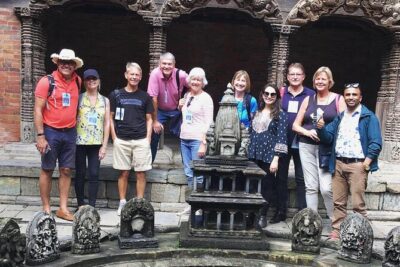
Small group size, capped at 12, also changes the feel. It is still a shared trip, but you are less likely to get lost in a crowd. In the best-run versions of this kind of tour, your guide can adjust the pace and explain what you are seeing while you are walking and riding.
You can also read our reviews of more tours and experiences in Kathmandu.
Kathmandu Valley UNESCO: the best way to start your trip

Kathmandu is not a one-day city. Even if you only have a short window, you want a guided path through the big religious landmarks so you can spot the patterns.
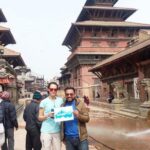
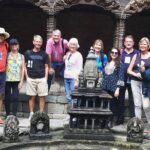
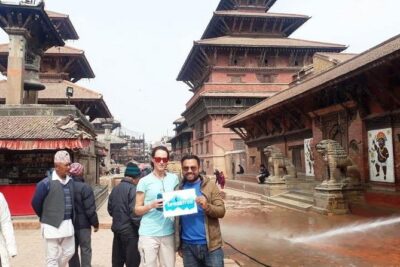
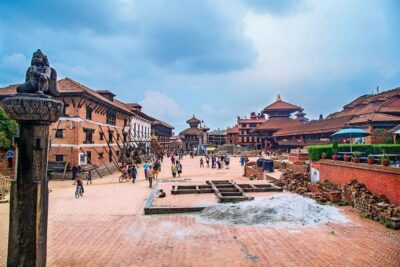
Day 2 is built around Kathmandu Valley’s UNESCO World Heritage Sites. You will visit Bhaktapur Durbar Square, Pashupatinath Temple, Boudhanath Stupa, and Swayambhunath. Each one teaches you something different:
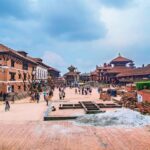
- Bhaktapur Durbar Square helps you connect temple architecture to everyday civic life.
- Pashupatinath Temple gives you a clearer look at Hindu sacred geography.
- Boudhanath Stupa is where Buddhist practice feels visible in the way people move through the site.
- Swayambhunath offers another layer of spiritual symbolism, and it is the kind of place where viewpoints help you orient yourself in the valley.
The practical value is that you start your trip with context. When you later see Tharu cultural elements in Chitwan or village life on the Annapurna trek, you understand these are not random “performances.” They are living traditions with roots in place.
If you care about photos, bring patience. Big sites mean crowds and crowds mean waiting your turn. Also, since entrance fees in Kathmandu are not included, budget for them so you are not stuck deciding on the spot.
Day 3 to Chitwan: rafting on the Trishuli River, then Tharu culture
The trip turns physical on Day 3. You drive from Kathmandu to Chitwan and you break up the day with whitewater rafting on the Trishuli River. It is a classic Nepal pairing, water action plus river-country scenery, and it sets you up for the next phase in the jungle region.
A day like this is also about rhythm. You start with a drive, you shift into a high-energy activity, then you land in Chitwan where the atmosphere changes from city bustle to lowland quiet. That transition is one of the strengths of this itinerary.
Once you arrive in Chitwan, your evening includes a cultural display by the Tharu people. This matters more than you might expect. Tharu culture is tied to the geography of the Terai and to how communities adapt to the jungle edge. Even if you are not a dance-spotter, you can learn a lot just by watching how the performance connects to daily life.
Logistics note: the Kathmandu to Chitwan drive takes about 5 to 7 hours. You might feel it in your legs, so do not plan additional adventures on arrival day. Let your body reset.
Chitwan National Park: a full day of safari, canoeing, and birding
Day 4 is a true wildlife day at Chitwan National Park. You get a full day of jungle activities that go beyond a single game drive. The included plan includes jungle safari, canoeing, birding, and bathing with elephants.
This is one of the most highly praised parts of the tour experience, mainly because it is guided and because wildlife spotting in Chitwan is not random. It takes local eyes to read what is happening in the vegetation and along water edges. The value of having a local team is simple: they spot animals and they help you understand what you are seeing.
You also sleep right inside the action. The itinerary includes two nights in the Chitwan area, with three meals included during the park stay. Staying in the lodge environment makes it easier to wake up early, when animals are most active, and to unwind after a long day without chasing dinner plans.
If you are worried about comfort, you should still pack for the realities of the lowlands. Humidity can affect how you feel after canoeing or birding sessions. In practice, light layers and quick-dry items help.
Pokhara travel day: Davis Falls, Gupteshwor Caves, and a lakeside reset
On Day 5, you drive to Pokhara. En route, the itinerary includes stops at Davis Falls, Gupteshwor Caves, and the Tibetan Refugee Camp. Then you settle in for an evening by the lake.
This is not just sightseeing. It is a decompression day after Chitwan. Pokhara’s lakeside layout gives you space to breathe, and the evening walk energy helps your mind catch up after rafting and wildlife.
A few practical notes for this stretch:
- The Pokhara to Kathmandu road conditions can include dusty, narrow sections in places that are not easy to predict from a map. The tour keeps things passable, but the ride can still feel long.
- Your comfort depends on how the day’s drive lines up, so expect that the travel part matters as much as the stops.
Even with those road realities, the Pokhara portion works because it gives you a change of scenery and a better view of why so many treks start in this region.
Trekking in the Annapurna Conservation Area: Ghandruk and Pothana
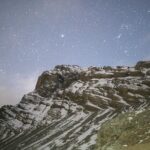
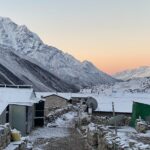
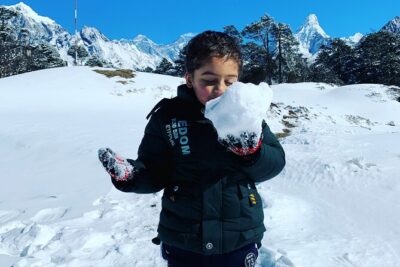
Then comes the part many people remember most: trekking inside the Annapurna Conservation Area. Days 6 to 8 cover a village route that links Ghandruk and Pothana, with mountain views and a sense of daily life in the hills.
Day 6 has you drive to Nayapul, then trek to Ghandruk. Ghandruk is described as a Gurung village with excellent mountain views, and that is exactly what makes it special. You are not hiking through empty scenery. You are walking through places where people live, work, and build community around the rhythm of the mountains.
Day 7 continues the trek from Ghandruk to Pothana, moving through forests and local villages. Day 8 then takes you from Pothana to Phedi through Dhampus, and you drive back to Pokhara.
A key value here is that you do not need mountaineering skills. The tour’s own fitness guidance is clear: you do not need rippling muscles, but you should be reasonably fit and enjoy walking. The route is designed for people who like a walking challenge more than technical climbing.
One detail that stood out from real guide dynamics: on trekking segments, your guide can make a huge difference in how you feel day to day. In one example, Dharma was described as kind and energetic and even helped by carrying a backpack at times. That is not guaranteed, but it reflects the kind of support a good trekking guide provides, beyond just leading the line.
What you should pack mentally
You should expect:
- Consistent uphill and downhill walking.
- Variable weather, especially in mountain regions.
- Basic lodge stays on the trek nights (and trekking lodge meals are not listed as included in the package).
Since trekking gear is not included, plan to bring your own. Even if you think you have everything, check footwear and socks carefully. Your feet do the heavy lifting on these days.
The Pokhara and Annapurna viewpoint effect: why these days pair well
Some tours treat Pokhara as a scenic pause. This one uses it as a pivot point.
You go from lowland wildlife, to lake downtime, to village trekking, and back to lake time for an evening walk around Pewa Lake on Day 8. That “back to the lake” moment matters because it helps you recover mentally and physically. It also gives you a calmer setting for photos and journaling before the drive back to Kathmandu.
You also get a clear sense of Nepal’s range, not just in elevation but in lifestyle. You see city temples, lowland jungle life, and hill villages across the same trip. That sense of connection is what makes a 10-day tour feel more like a journey than a checklist.
Transportation and road conditions: the part that decides comfort
This itinerary is efficient, but you are riding a lot. That is not a criticism, it is just the reality of Nepal routes.
The tour notes:
- Kathmandu to Chitwan takes 5 to 7 hours.
- There are mixed road conditions between Kathmandu, Chitwan, and Pokhara, with construction bumps in the Malekhu/Benighat areas.
- Pokhara to Kathmandu includes smooth new road early on, then dusty narrow segments, and near Kathmandu it is also under widening work, making the drive about 6 to 8 hours.
So what do you do with that information? Pack for comfort on the bus segments:
- A light layer helps when the vehicle temp swings.
- Bring water, because drinks are not included.
- Plan to keep expectations flexible for timing, especially in dusty stretches.
When the road is bumpy, you remember the route more than the scenery. When it is smooth, you can enjoy the passing hills and mountain views. Either way, you will arrive, but the ride affects your energy for the next day.
Hotels, meals, and the smart way to budget
The included accommodation is fairly clear:
- 3 nights in Kathmandu with breakfast.
- 2 nights in Pokhara with breakfast.
- 2 nights in Chitwan with 3 meals included.
- 2 nights during the Annapurna trek at lodges.
For meals, the tour includes some, but not all. All meals are not included overall. The package says lunch and dinner in Kathmandu and Pokhara are not included, and trekking lodge and meals while trekking are not listed as included.
That means you should budget for:
- Lunch and dinner in Kathmandu.
- Lunch and dinner in Pokhara.
- Food on trekking days, if it is not covered in your specific lodge arrangement.
On the plus side, the tour ends with a final farewell dinner that includes Nepalese cuisine and a show with folk dances and music. That is a nice closing touch because it wraps your cultural learning into a shared evening.
Entrance fees are also not included for Kathmandu and Pokhara sightseeing. That is common, but it still affects your total spend.
Guides and group size: where the experience really gets human
This tour is guided with English, and the group stays small. In the best versions, a guide turns “seeing” into “understanding.”
One guide name that came up clearly is Pramod Pangeni, described as professional and attentive throughout the trip. That kind of steadiness helps on long days with multiple stops.
On the trekking side, Dharma was mentioned as caring and energetic, and even offering practical help like carrying a backpack at times. When you have a guide who checks on your pace and energy, trekking days feel manageable instead of stressful.
There is a balance here. One person noted that some guides were not proactive and that they wanted more information at the sites. Another mentioned that a guide had limited English. You cannot control which exact guide you get, but you can control how you engage. If something is not clear, ask on the spot. If the guide is moving fast, ask for a minute to explain what you are looking at.
Also, one caution that matters for your comfort: a participant did not like being directed to certain shops or feeling pressured to buy items. That kind of thing can happen in guided tours. If you do not want shopping detours, say so early and politely. You can also decide in advance that you will only shop if you truly want to.
Price and value: what $1,080 buys you in real terms
At $1,080 per person for 10 days, this tour price makes sense when you look at what’s bundled.
You are not just paying for a driver and a few sights. You are paying for:
- Private airport transfers.
- Hotels in Kathmandu and Pokhara with breakfast.
- Chitwan lodging with 3 meals.
- Two nights in trekking lodges.
- A local tour guide and a trekking guide.
- Rafting at Trishuli River.
- Jungle activities in Chitwan National Park.
- A trekking permit.
- Multiple transport segments (including private rides for parts like Pokhara to Nayapul and Phedi to Pokhara).
If you were to piece this together independently, the guided pieces, rafting logistics, and trekking support are usually where costs and headaches pile up. The value is strongest for people who want structure and safety with an experienced team, especially for rafting and the trek.
The tradeoff is that some costs are still on you, mainly lunches and dinners in Kathmandu and Pokhara, drinks, entrance fees, porter (not included), and trekking gear. If you already travel with your own gear and you budget meals, the price feels fair.
Who this tour fits best
This is a great match if you want:
- A mix of culture, wildlife, and mountains in one trip.
- Guided rafting and a guided trek, without planning every detail.
- A small-group experience where you can actually talk with your guide.
It is also a good fit if you like variety. One day temples. Another day river action. Another day jungle activities. Then villages and mountain views.
You might not love it if:
- You want a slow, lounging vacation.
- You need wheelchair accessibility. The tour notes it is not suitable for wheelchair users.
- You are very sensitive to long drives and bumpy road stretches.
Should you book the 10 Days Nepal Adventure Tour?
If your ideal Nepal trip includes Kathmandu temples, Chitwan wildlife time, rafting on the Trishuli, and a short Annapurna village trek, I think you should seriously consider booking. The itinerary covers the big story beats with guided support, and the small group size helps you feel less like a passenger and more like a participant.
Book if you are ready for an active rhythm, and if you pack for comfort on roads and walking days. Do not book if you want a purely relaxed schedule or if you strongly dislike group-style shopping detours, since those can show up depending on guide behavior.
Before you commit, make a quick checklist for yourself: bring your trekking footwear, plan for lunches and dinners you may need to cover, and be ready to ask questions at each stop. If you do that, the trip’s main strengths, the guided connections between regions and the standout Chitwan wildlife day, should land exactly where you want them.
FAQ
What activities are included on this tour?
You get whitewater rafting on the Trishuli River, jungle activities in Chitwan National Park (including safari, canoeing, birding, and elephant bathing), and trekking in the Annapurna Conservation Area to Ghandruk, Pothana, and onward via Dhampus to Phedi.
How many nights are spent in each main location?
The itinerary includes 3 nights in Kathmandu, 2 nights in Pokhara, and 2 nights in Chitwan National Park area. It also includes 2 nights on the Annapurna Ghandrung trek.
What sightseeing is included in Kathmandu Valley?
Kathmandu sightseeing includes UNESCO World Heritage Sites: Bhaktapur Durbar Square, Pashupatinath Temple, Boudhanath Stupa, and Swayambhunath.
Is a porter included for the trek?
No. A trekking porter is not included.
Is trekking gear provided?
No. Trekking gear is not included.
What meals are included, and what should I plan to pay for?
Breakfast is included in the Kathmandu and Pokhara hotels. Chitwan includes 3 meals for the Chitwan park stay, but all meals are not included overall, and lunch and dinner in Kathmandu and Pokhara are not included.
What fitness level do I need for the trek?
The tour states you do not need to be a mountaineer, but you should be reasonably fit and enjoy walking. It also suggests physical preparation such as running, swimming, and hiking beforehand.
More Tours in Kathmandu
More Tour Reviews in Kathmandu
Not for you? Here's more nearby things to do in Kathmandu we have reviewed


Tours, compared.
 ★ 5.0Private Kathmandu Sightseeing Tour | UNESCO World Heritage sitesFrom $17756 reviews
 ★ 5.0Everest Base Camp Helicopter Tour landing at Everest View HotelFrom $1,575668 reviews
 ★ 5.0Full Day 7 UNESCO Tour with Lunch – Private/GroupFrom $10415 reviews
 ★ 5.0Private Bhaktapur and Nagarkot Day Tour From KathmanduFrom $20305 reviews
 ★ 5.0Full Day Top 4 UNESCO Tour with Lunch – Private/GroupFrom $10269 reviews
 ★ 5.0Kathmandu Food and Drink Walking TourFrom $36266 reviews
 ★ 5.0UNESCO Seven World Heritage Tour in KathmanduFrom $180253 reviews
★ 4.9Full-Day 7 UNESCO Tour with Lunch – Private/GroupFrom $5247 reviews
★ 5.0UNESCO Seven World Heritage Tour in KathmanduFrom $180253 reviews
★ 4.9Full-Day 7 UNESCO Tour with Lunch – Private/GroupFrom $5247 reviews