

REVIEW · TRISHULI RAFTING TRIPS FROM KATHMANDU
Rafting in Nepal: Trishuli, Bhotekoshi & Other River Rafting
Two rivers, one big water day. This rafting experience pairs hotel pickup with a proper safety briefing, so you spend less time figuring things out and more time enjoying the river. You also get that scenic, hilly drive out of Kathmandu, which matters because rafting feels like a whole day, not a quick hop.
I like the range of rafting styles here. Trishuli runs gentler Class II and III rapids that suit first-timers, while Bhote Koshi ramps things up with Class III to V sections for people chasing bigger adrenaline. One thing to consider, though, is transport, since public or tourist buses can be slower and more crowded than private rides, and that affects how long you actually feel like you are on the water.
Key things I’d highlight before you go

- You get pickup and drop-off from your hotel in Kathmandu, including time back at the start point after the rafting
- Trishuli is beginner-friendly, with Class II and III rapids and relatively warm-water rafting
- Bhote Koshi is advanced-leaning, with Class III to V rapids through narrower, more intense sections
- Guides handle safety, including a thorough briefing before you hit the water
- Lunch is included, a typical Nepali meal, so your day stays on schedule
- Group size is capped at 15, which helps keep the day feeling organized
Kathmandu to the put-in: why the ride shapes the day
Rafting near Kathmandu starts with a drive, and for most people, that is half the day. The experience includes return buses from Kathmandu to the put-in area, plus pickup and drop-off at your hotel. That is a big value point because it removes the hassle of arranging transport, paying for separate rides, and timing your own return.
In practice, the drive can feel like part of the adventure. One solid theme from real-world experience is that the trip out can take around a couple of hours each way, and roads may not be smooth. When you choose a public bus, you can also end up with a crowded ride that stretches the timeline. If you are the type who hates delays, private transportation is worth leaning toward, even if it costs extra on some schedules.
Also note the day is weather-dependent. If conditions are poor, you should expect a different date or a refund. So, plan like a local: do the rafting when the forecast looks good, not on the day you already have other tight plans.
You can also read our reviews of more tours and experiences in Kathmandu.
Trishuli River from Charaudi: easy-to-moderate thrills

Trishuli is the calmer option of the two. It is designed for easy-to-moderate rapids, typically Class II and III, which makes it a strong pick if you have never rafted before or you want to build confidence. The river flow also makes rafting possible in most seasons, which is useful when you are visiting outside the peak weeks.
The experience begins with a scenic drive to Charaudi, where you start. Once you arrive, you get a thorough safety briefing from the guides. That briefing matters more than you might think. It sets expectations for how to sit, where to hold, what to do during turns, and how the team signals you before rapids. You are not just getting gear and hopping in.
On the water, you should expect a mix of thrills and time to enjoy the scenery of hills and valleys passing by. Trishuli is also described as relatively warm-water, which makes the whole day feel less punishing, especially if you are sensitive to cold.
A small timing reality: the best days feel like you get enough time on the river to remember it. Some schedules can feel short on water time, so ask the operator what the pacing looks like for your date, especially if you are rafting for the water action rather than the overall day trip.
Bhote Koshi River from Sukute: more intensity, more edge
If Trishuli is your confidence builder, Bhote Koshi is the day you chase for bigger hits. This river is listed as more challenging, with rapids from Class III up to V. That range usually means you need quicker reflexes, tighter teamwork, and a bigger willingness to feel the river rather than just enjoy the ride.
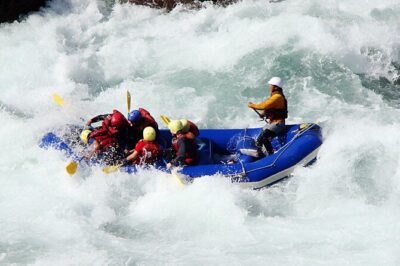
You start with a scenic drive to Sukute. Then comes the briefing again, which is a good thing because on Bhote Koshi, small mistakes can matter more. The rafting runs through intense rapids that wind through narrow gorges. In plain terms, expect the water to feel more powerful and more directed, with fewer easy flat moments.
This option is best for adrenaline seekers and people who already have some rafting comfort. If you are a true beginner, you might still ride, but you should go in knowing this is not the gentle training wheel river.
Also, roads out to the Bhote Koshi area can be rough in places, and a longer drive can cut into your patience. The trip is often described as worth it once you are on the water, but I would not pretend the travel part is fun in the same way a smooth drive is fun.
Safety and guides: the part you feel, even if you do not notice it
The experience is built around well-trained guides and a thorough safety briefing before you go onto the river. That means you are not expected to figure out rafting body mechanics alone. You should be shown how to brace, how to move during commands, and how to stay safe during rapids.
You also get all the gear you need. That removes one of the biggest friction points for rafting days, since buying or renting helmets, vests, and related items can be annoying. I like trips that handle the basics well, because then you can focus on the water instead of logistics.
One practical plus that comes up is that personal belongings are accounted for during the day. That is not a glamorous detail, but it makes a difference. You can enjoy the river without constantly worrying about your phone, wallet, or keys.
Lunch, timing, and how long you really raft

The schedule is longer than you might expect because it includes travel time plus rafting time plus lunch. The overall duration is listed as 6 to 12 hours approximately, so the day feels like a full outing.
Lunch is included, typically a Nepali meal. One of the most consistently praised practical pieces is that the lunch quality is good and it gives you real energy for the ride back.
On the river, some days include around two-plus hours on the water for the main rafting portion. Other timing can feel shorter depending on how the day is paced and which river you are scheduled for. If you care a lot about maximizing time in the raft, confirm the expected water time when booking, especially if your schedule is tight.
If you get motion sick easily, plan accordingly. The rapids on Bhote Koshi can make motion feel more intense, and the ride back can be bumpy if you are on public buses.
Choosing your river: match your nerves to the rapids

This is not an either-or decision for everyone. It is a pick-your-level situation.
- If you want first-time friendly rafting, choose Trishuli. The Class II to III rapids are the right level for building comfort, and the water is described as relatively warm.
- If you want bigger adrenaline and you are comfortable with stronger rapids, choose Bhote Koshi. The Class III to V grading, plus the narrower gorge sections, makes it feel more intense.
If your itinerary includes both rivers in one outing, you should think of it as a progression: start with Trishuli-style confidence, then upgrade to Bhote Koshi intensity. If it is offered as separate options on different days, then treat it as two distinct personalities of rafting.
Price and value check at about $90 per person

At $90 per person, this is positioned as an affordable day trip from Kathmandu, especially because it bundles a lot of the cost factors that add up on your own. You get hotel pickup and drop-off, transportation to and from the rafting area, rafting expenses, and lunch.
The biggest value question for you is not just the price tag. It is how much you like the travel and timing. If you end up on a crowded public bus for a large chunk of the day, you may feel like the rafting time is only part of the deal. If you are willing to pay for private transport, you can reduce the stress of long drives and crowded seating.
Given the mix of included items, I think the pricing makes sense if you show up ready to have a full-day experience. It feels least like value if your only goal is maximum time on the water with minimal travel.
What to bring and how to prepare (without overpacking)

Because the operator supplies the rafting gear, you can travel light. Still, you should show up prepared for getting wet and changing into dry clothes afterward.
I recommend bringing:
- Quick-dry clothes for after rafting
- A water-resistant way to carry essentials
- Sunscreen and sunglasses (the drive and river day can be bright)
- Footwear that works in wet conditions
Also keep your physical expectations in mind. The experience calls for moderate physical fitness. That usually means you can handle getting into the raft, listening to instructions, and staying steady during rapids, without needing extreme strength.
And yes, service animals are allowed, if that matters for your situation.
Should you book this Trishuli and Bhote Koshi rafting day?
Book it if you want:
- A guided rafting day with a proper safety briefing
- The ability to choose between beginner-friendly Trishuli and more intense Bhote Koshi
- A trip that includes pickup, transportation, lunch, rafting gear, and return ride
Skip it or choose with caution if:
- You hate long travel days or crowded buses, since transport can strongly affect your mood
- You only care about spending maximum time on the water, since the full schedule can run long and water time can vary
If you go in with the right mindset, this is a straightforward way to experience Nepal river rafting close to Kathmandu. You trade deep wilderness exploration for a well-run, level-appropriate river day, which is exactly what many people come to Nepal for in the first place.
FAQ
What does the price include?
The price includes pickup and drop-off at your hotel, transportation by private car or public/tourist bus (depending on what you choose), rafting expenses, a typical Nepali lunch, and transportation from the ending point back to where you started.
Do Trishuli and Bhote Koshi both happen in the same experience?
The experience description lists Trishuli as one stop and Bhote Koshi as another stop, with both included in the overall plan.
What rapid grades are on each river?
Trishuli rafting is described as having Class II and III rapids. Bhote Koshi rafting is described as having rapids ranging from Class III up to V.
How long is the rafting day?
The duration is listed as about 6 to 12 hours, depending on the schedule and day.
Is lunch included?
Yes, lunch is included and is described as a typical Nepali lunch.
What happens if weather is poor?
If the experience is canceled due to poor weather, you will be offered a different date or a full refund.
More Tour Reviews in Kathmandu
Not for you? Here's more nearby things to do in Kathmandu we have reviewed


Trishuli Rafting Trips from Kathmandu, compared.
 ★ 4.0Himalayan White Water Rafting Day Trip from KathmanduFrom $5222 reviews
 ★ 4.0Rafting Tour In Trishuli riverFrom $705 reviews
 ★ 4.9Beginner-Friendly Rafting Adventure on the Trishuli RiverFrom $633 reviews
 ★ 4.6From Kathmandu / Pokhara / Chitwan: River Rafting – 1 DayFrom $433 reviews
Browse the lists this tour appears in