REVIEW · KATHMANDU
Nepal Birding
Hillsides, forest birds, and a quiet break from Kathmandu. This private birding day gets you into the foothills near Shivapuri Nagarjun National Park with binocular-focused bird time, guided by someone who helps you spot what is actually out there, not just what sounds good on paper.
Two things I really like: the day works well if you have limited time because it is close to the city, and the plan is customizable to your needs and bird interests. The main drawback to plan for is simple, meals, drinks, and bottled water are not included, so you will want snacks and water ready before you start.
Key points to know before you go
- Private birding hike near Kathmandu Valley, with a local bird guide guiding your pace and priorities
- Private transportation included, so you spend less time coordinating and more time scanning the trees
- Flexible routing for different bird goals and comfort levels
- Birding chances can include Nepal’s national bird, the Himalayan monal, if conditions line up
- For some routes, the birding stops include Chitwan National Park, with a long list of possible raptors and forest species
Shivapuri Nagarjun birding: a Kathmandu day with real nature
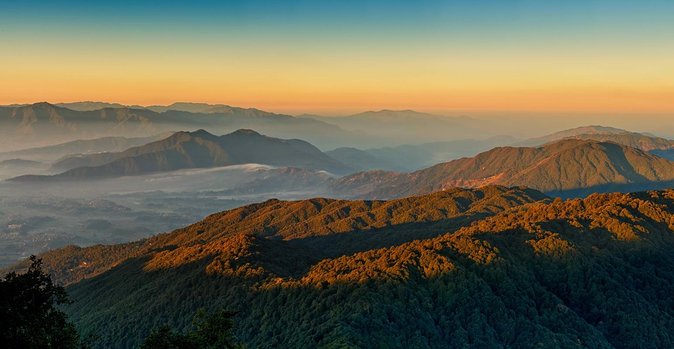
If you have ever thought Kathmandu feels busy even when you are outdoors, this is the fix. The big win here is how quickly you can shift from city noise to forest edge birding. The Shivapuri Nagarjun area sits right on the rim of the Kathmandu Valley, which means you can get that hillside, subtropical-forest feel without burning your whole day on travel.
I like birding from the ground up, following what birds do instead of chasing them. A private setup helps because you can slow down for a call you keep hearing, or move when the guide spots feeding activity. And since this is a hike day, you are not stuck in a vehicle window watching for movement only at a distance.
You should also know what you are signing up for: you are trading comfort and predictability for active searching. If you want a guaranteed checklist, birding will always be a little bit of a mystery. But the guide-led approach makes that mystery feel fun, not frustrating.
You can also read our reviews of more tours and experiences in Kathmandu.
Your cost and what you actually get for $225
At $225 per person, you are paying for a very specific value mix: a bird guide, private transportation, and “all fees and taxes.” That combination matters, because birding near national parks is not just walking. Getting to good birding spots on the right roads, at the right time of day, is often half the battle.
Where I think the price becomes fair is the day is built around reducing friction. You do not have to figure out bus schedules, you do not have to hire a separate local guide, and you do not have to stitch together tickets and logistics mid-day. That is especially helpful if you only have 1 free day in Kathmandu.
What is not included is also important. Breakfast, lunch, dinner, coffee or tea, alcoholic beverages, and bottled water are not part of the package. In other words, budget a little extra for your own food and hydration. If you show up underprepared, your “birding day” can turn into a hangry slog instead of a relaxed nature walk.
How the day runs: pickup, timing, and planning your start
This is set up as a private tour with flexible timing across a daily window: opening hours run from 7:15 AM to 3:15 PM. The exact route and duration can vary, but it is listed as 6 to 11 hours approximately, which gives you room for either a shorter birding hike or a longer day that includes more ground and more scanning stops.
Pickup is offered, which is great if you are staying in the city and do not want to play taxi roulette. The meeting is also described as near public transportation, so if you do not want pickup, there is likely a practical meeting location for you to reach.
One practical tip: treat this like a morning-first activity. Bird activity tends to be strongest earlier in the day, and starting closer to the opening window helps you take advantage of peak calling and movement. If you are the type who likes to sleep in, plan for a slightly harder birding effort later in the day.
What you will be doing on the ground
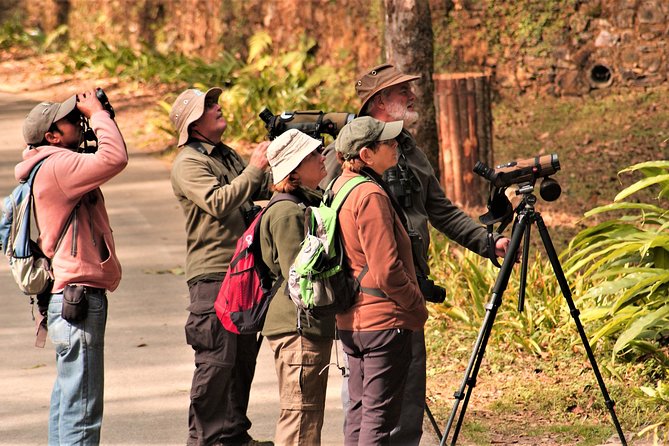
The core experience is an active birdwatching hike. That means you will be walking through forested foothills with periods of stopping, listening, and scanning. A private guide typically helps you in three ways:
- Finding the birds you are missing by ear and by behavior
- Reducing mis-IDs by guiding you to key field marks
- Choosing the next move so you do not waste time wandering in the wrong habitat
Your guide is also there to adjust effort. “Customizable to suit your needs” usually means the hike pace, stop frequency, and focus species can shift. If you are with friends who want more walking and you want more listening, a private arrangement makes it easier to balance both.
In the Shivapuri Nagarjun framing, the goal bird mentioned is the Himalayan monal, Nepal’s national bird. I cannot promise a sighting, but I can tell you that when guides focus on monal habitat and timing, you are doing the right kind of birding, the kind where you work with the habitat instead of just staring at branches hoping.
Bird species to watch for: raptors, forest birds, and signature chances
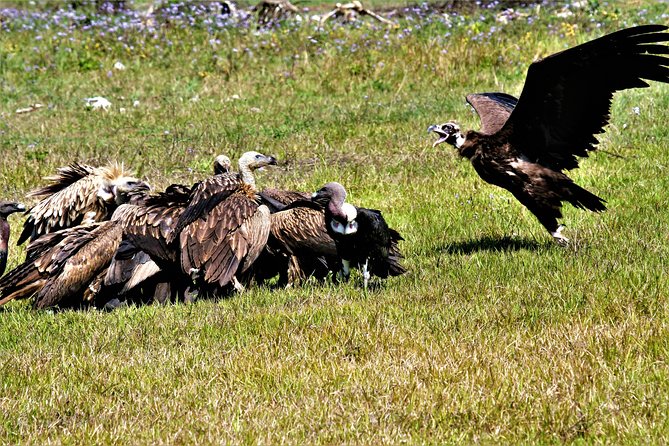
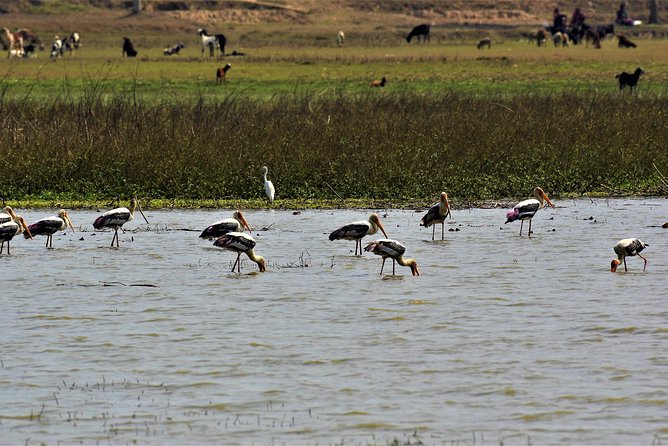
Birding here can be a mix of forest birds and birds of prey. Even without a single guaranteed target, the day can feel rewarding because you are likely to see a lot of different bird groups.
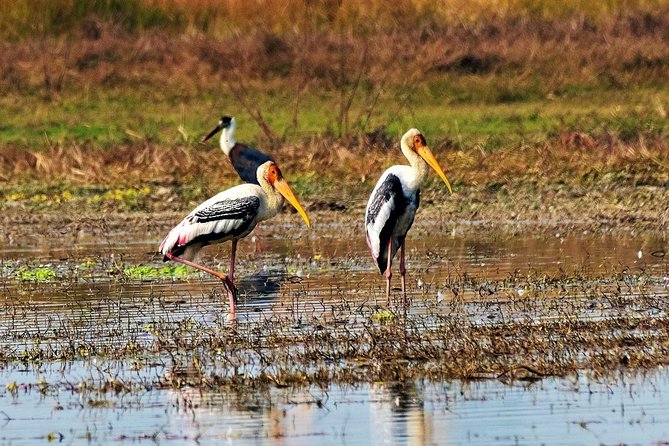
For routes that include Chitwan National Park, the bird list gets impressively specific. You might spot vulture and raptor types such as white-backed vulture, Himalayan griffon, black vulture, beard vulture, dark kite, hen harrier, goshawk, sparrow hawk, sikhra, common buzzard, Asian black eagle, and steppe eagle. There are also game and smaller forest birds mentioned, including kalij pheasant, leafbirds, flycatcher, bushchat, babblers, cuckoos, bulbul, swift, and warblers.
If your route includes the Chitwan-side specialties, there is also mention of spiny babblers as the endemic bird of Nepal. That kind of detail is exactly what makes a guided day worthwhile. A good guide is not just pointing randomly, they are steering you toward the habitat where those birds make sense.
For Shivapuri-style birding, the overview points to the Himalayan monal as a possible highlight. If monal is your top goal, talk to your guide early in the day about what you want most. A private setup makes that kind of conversation useful, because the guide can adjust where you spend time.

The Chitwan option and why Gadhi-Siraichuli matters
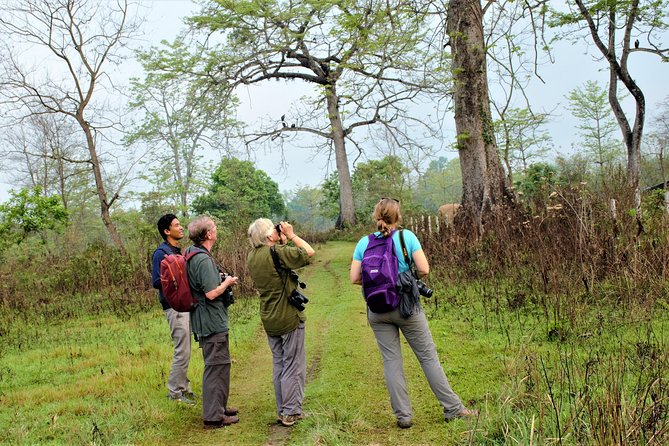
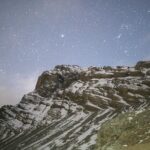
One detailed stop description points to Chitwan National Park and mentions a hike with views from the top of Gadhi-Siraichuli IBA hills. Even if your actual plan ends up being different based on customization, this is a useful clue for what kind of day you may be getting if your route leans into “bigger wildlife day” energy.
Chitwan is described as having over 650 species of birds, including 117 migratory birds. That matters because it changes what you should expect. Instead of thinking only about forest songbirds, you can think broader: seasonal movement, raptors, and mixed habitat sightings.
The mention of “locals lifestyle and bird-eye view of the valley is bonus” is the kind of real-world detail I always appreciate. Birding is great, but it is even better when the day is not just a series of tree sightings. If you end up with viewpoints in the mix, you will likely get those rare moments where you see the whole area and realize why birds choose these ridges and edges.
One note to keep you grounded: because the day is described as customizable, do not assume you are automatically doing every Chitwan feature. Confirm the exact route when you book, especially if you are short on time.
Fitness, weather, and how to make birding feel easy
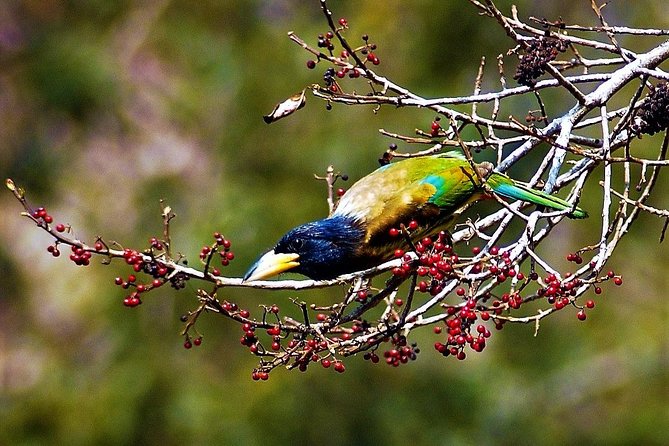
This is a hike day, and hiking at forest edge means you are dealing with uneven ground, possible slippery patches, and constant small changes in light. Most travelers can participate, but that phrase usually means “reasonable for average fitness,” not “easy stroll.”
Plan for a mix of conditions. In Nepal, weather can change quickly, and the fog or cloud can shift what you see, even if the birds are around. I recommend dressing in layers, bringing something rain-ready, and using footwear you trust on uneven trails.
Also, bring your own water and a simple snack plan. Since bottled water is not included, your comfort is on you. A bottle that is easily accessible matters more than you think once you get into listening mode, where you do not want to rush stops.
Binoculars are key, and you are likely to want them throughout. If you wear glasses, check that your binoculars are comfortable with them on. A small thing, but it makes the day smoother.
Your guide matters, and this company has real names behind it
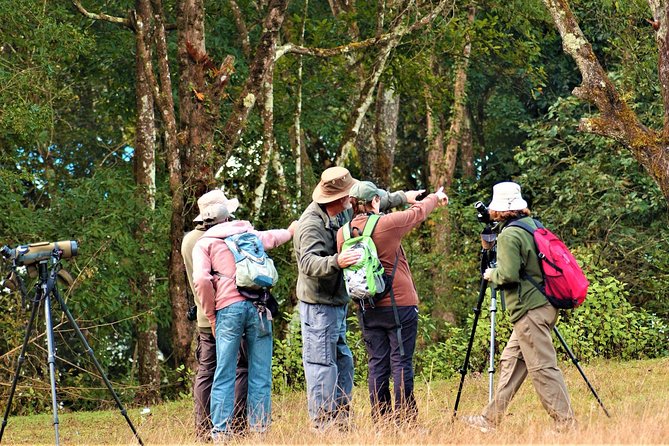
What makes this experience feel more than a generic birding day is the guide talent. Across Nepal birding work linked to this operator, you will see familiar names like Bishnu Thapa and his son Krishna, plus guides such as Raju, Prem Thapa, and Santa.
The common thread in how these guides are described is practical skill. They are not just calling out birds, they are good at tracking birds through different behaviors and life stages. In plain terms, you get fewer blank moments where you feel like you missed everything.
If you are hoping for a specific species, this is where the private format shines. Tell your guide your target at the start of the day. If you want Himalayan monal, say so. If you have a list of raptors you want to focus on, say that too. Then let the guide do the work of steering you to habitat and timing where those species are more likely.
And if your goals are broader, that is fine. With a guide who knows local bird behavior, even a “surprise species” day can turn into a steady stream of new birds.
Tickets, mobile access, and what to bring besides your appetite
You get a mobile ticket, which makes arrival and day flow simpler. Private transportation is included, and the tour is described as near public transportation, which usually means logistics are not meant to be a headache.
Bring:
- Binoculars if you have them, or plan to borrow if that is possible through your own arrangements
- A light day pack with snacks
- Water since bottled water is not included
- Rain layer and warm layer, even in pleasant weather
Food is the big gap. Breakfast and lunch are not included, and the day can be up to 11 hours. That means you should plan snacks that work while walking. Think easy-to-carry items that you can eat without stopping too long.
Who this birding day is best for
This is ideal for you if:
- You want a private day in nature close to Kathmandu
- You care about birds enough to enjoy listening and scanning, not just scenic overlooks
- You have a specific bird goal, like Himalayan monal, and you want a guide who can help you focus
- You want flexibility in pace and route, rather than a fixed script
It may not be the best fit if you:
- Need fully planned meals and snacks provided
- Want an extremely predictable outcome on specific sightings
- Dislike hiking at all, because this is built around walking as much as spotting
Should you book Nepal Birding in Kathmandu
I think you should book if you like birding and you have only a limited window in Nepal. The combination of private transportation, a bird guide, and the ability to customize your route makes this a strong value for a short Kathmandu escape.
Before you confirm, do two quick things: check whether your exact day is centered on Shivapuri Nagarjun National Park, or whether it includes the Chitwan-style birding stop and Gadhi-Siraichuli IBA hills. Then plan your food and water like an adult, because the package does not cover that for you.
If you do those two things, you will get the best part of birding in Nepal, getting out early, moving through real habitat, and letting a skilled local guide translate bird calls into sightings you can actually enjoy.
FAQ
Where does this tour start?
It’s in Kathmandu, Nepal, with pickup offered. The meeting point is described as near public transportation.
How long is the birding experience?
The duration is listed as approximately 6 to 11 hours.
Is the tour private?
Yes. It is a private tour or activity, and only your group participates.
What’s included in the price?
Private transportation, all fees and taxes, and a bird guide are included.
Are meals and bottled water included?
No. Breakfast, lunch, dinner, coffee or tea, alcoholic beverages, and bottled water are not included.
What birds might I see?
You may look for Nepal’s national bird, the Himalayan monal. For Chitwan National Park, the description lists many possible species, including raptors and forest birds.
Is admission covered?
For the Chitwan National Park stop shown, admission ticket is listed as free.
What time does the tour operate?
Opening hours are listed as Monday to Sunday, 7:15 AM to 3:15 PM.
Can I cancel for a full refund?
Yes. Cancellation is free up to 24 hours in advance of the experience start time for a full refund. If you cancel less than 24 hours before, the amount paid is not refunded.