REVIEW · KATHMANDU
Mt Everest Base CampTrek | Budget Package
Everest Base Camp feels close on this budget plan. You get the classic Sherpa villages and high-alpine scenery, plus a pre-dawn push to Kala Patthar for the big panorama.
I like that the English-speaking trek guide keeps the pace steady and your plan realistic, especially with built-in acclimatization stops. I also like the hands-on support, from the preparatory session to the included medical kit and certificates.
One thing to consider: the price does not cover your daily meals, drinks, or trekking gear. You’ll pay more on the ground for breakfast, lunch, and dinner at tea houses, plus you’ll want to budget for tips and any extra help with carrying.
If you match the fitness level and travel mindset, this $400 Everest Base Camp trek is a smart way to do the region without going broke. The group is capped at 15 travelers, so it stays social, not chaotic.
Key Points Worth Noting
- Kala Patthar pre-dawn climb is timed for sunrise-style views of Everest, south Col, Nuptse, and nearby glaciers.
- Two acclimatization days (Namche Bazaar and Dingboche) help you adjust before higher altitudes.
- Tea house accommodation for 10 nights keeps logistics simple and keeps costs down.
- Round trip flights KTM-Lukla-KTM cut out long travel days that many budgets cannot afford.
- English-speaking guide plus included medical kit adds confidence on a demanding trek.
- Meals and drinks are not included, so your real budget is more than the headline price.
Why This $400 Everest Base Camp Trek Can Be a Good Value
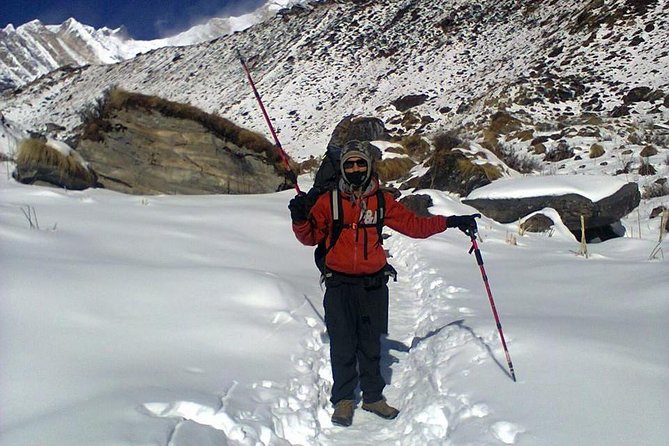
At $400 for about 14 days, this trek is built for people who want the Everest Base Camp experience without expensive add-ons. The biggest value here is what’s included: round trip Lukla flights and 10 nights in tea houses. Those two items alone can make or break a budget plan.
You also get private transportation pick up and drop in Kathmandu, plus a preparatory session before and after your arrival. That matters because trekking starts long before you lace up your boots, and getting your paperwork, timing, and expectations lined up reduces stress.
Now the catch, and it’s an important one: the tour does not include breakfast, lunch, or dinner. So while the trek price looks low, your total cost will rise on the trail as you pay for meals in tea houses and drinks along the way. You’re basically buying the structure, the guide, and the bed, not the full board.
You can also read our reviews of more tours and experiences in Kathmandu.
Kathmandu Arrival and the Practical Setup You Actually Need
Your trip begins in Kathmandu, with arrival support and pickup service. That’s useful because Kathmandu logistics can eat time if you land and immediately start figuring things out.
You should also plan to use the preparatory session, since that’s where you get the basics about the trek flow and what to expect. The package includes certificates, and there’s a medical kit on hand, which signals they take trekking safety seriously enough to prepare paperwork and gear.
Once you’re ready, the trek starts with the classic jump: flying into Lukla and hitting the trail from there. It’s a big advantage for budget travel because it skips long overland time.
Lukla to Phakding: Your First Reality Check at 2,651m
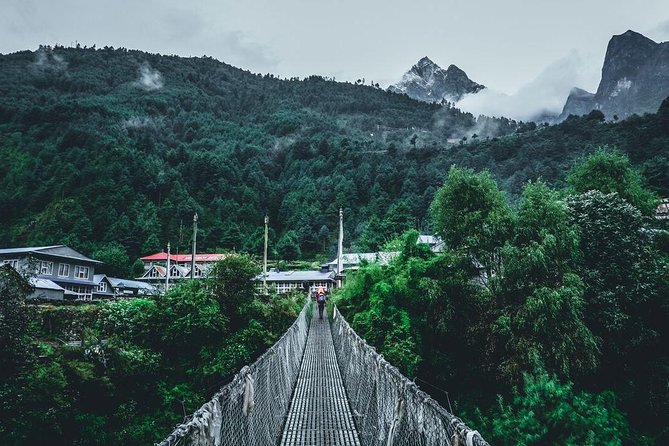
Your first trekking day goes from Lukla down to Phakding at about 2,651m. It’s around 8 km and roughly 3 to 4 hours, which is exactly the kind of effort you want on day one, after a flight day.
Phakding is where you learn the tea house routine: simple rooms, shared areas, and the rhythm of warming up between short walks. It also helps you get used to walking on uneven Himalayan paths without altitude panic.
Since you’re moving early in the itinerary, pack smart for the first day. Keep layers easy to access, because mountain weather can change fast, and your body temperature drops once the sun goes behind the ridges.
Namche Bazaar Takes the Spot as Your Acclimatization Hub
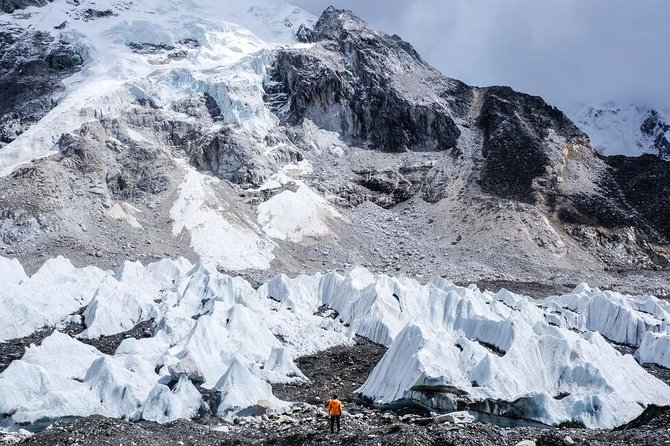
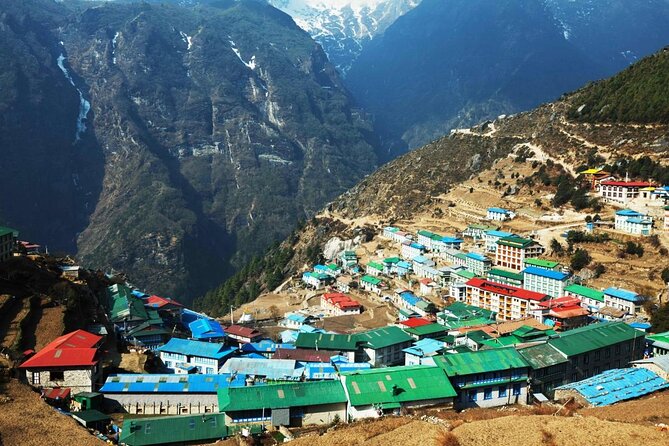
On the next main leg, you trek from Phakding to Namche Bazaar, reaching about 3,438m. This stretch is about 11 km and 5 to 6 hours, so it’s longer than day one, but still manageable if your pace stays steady.
Then you have an acclimatization day in Namche. That stop at roughly 3,440m is key because it gives your body time to adjust before the trek climbs higher. It’s also a good place to slow down, hydrate, and avoid the classic mistake of treating altitude like flat country.
Namche is also where the trek itinerary includes a stop around an Irish Pub area. That sounds like an odd detail until you realize it’s about timing and breaks. A warm drink and a quick rest can help you reset, especially when you’re trying to keep your energy stable for the climbs ahead.
To Tengboche: Monastery Views and a More Serious Climb
From Namche, you head toward Tengboche, roughly 3,870m. Expect around 10 km and 5 to 6 hours, and you’ll feel it more here as the trail gets steeper and the air thins.
Tengboche is famous in this region for its monastery area, and the trek includes Tengboche Gompa. Even if you don’t plan a long visit, this stop gives you a sense of place, you see how local communities have adapted to high altitude life, and you get a calmer moment between walking days.
The practical tip: keep your schedule flexible around wind and light. If you’re hoping for clear views, clouds and fog can change the look fast at higher elevations, so you’ll benefit from staying ready.
Dingboche and a Second Acclimatization Day You Will Appreciate
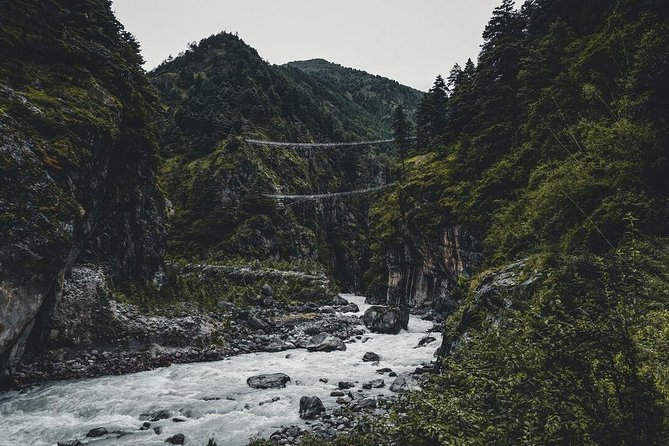
The trek continues to Dingboche at about 4,360m, around 9 km and 5 to 6 hours. This is where the trek starts to feel more like a true altitude challenge, not just a hiking adventure.
You then get another acclimatization day in Dingboche at roughly the same altitude. That second adjustment day is a major reason this package works well for a wider range of trekkers. You’re not just climbing because you can, you’re climbing in a way that supports your body.
Dingboche also appears linked with a Chhukhung route segment in the itinerary notes. If your guide offers a small side walk, it’s usually the kind of activity that helps you stay active without overdoing it.
Lobuche: The Point Where You Really Notice the Thin Air
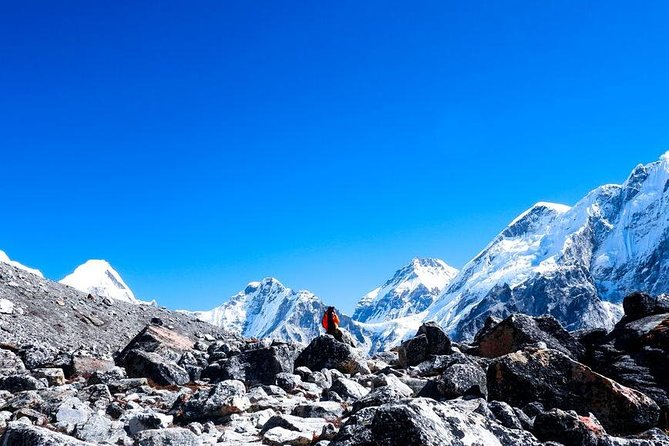
From Dingboche, you move on to Lobuche at about 4,940m. This leg is about 7 km and 5 to 6 hours, so it can feel slower than the distance suggests.
This is the day where cold and fatigue start to matter more. Your breathing might get heavier even when you’re moving at a calm pace, so treat every uphill as a slow climb, not a race.
Lobuche is also a useful staging point. It’s close enough to the highest sections to feel exciting, but it still lets you prepare before the long day to the base camp area.
Gorak Shep and Everest Base Camp: The Long Day That Pays Off
The next stretch is from Lobuche to Gorak Shep at about 5,170m, around 13 km and 6 to 7 hours. This is a serious day, and the altitude makes each step cost more energy than you expect.
Gorak Shep is where your trek lines up with the classic Everest Base Camp visiting moment. The plan includes walking up to Everest Base Camp at about 5,364m during this day, often the highlight most people remember.
Here’s how to think about it: base camp is not just a destination sign. It’s also a reminder that Everest is a place where weather, logistics, and stamina matter as much as bravery. Even with a guide and group support, you’ll want to keep your pace controlled and save energy for the walk back.
Kala Patthar Pre-Dawn: The View Is Worth the Cold
From Gorak Shep, you go for Kala Patthar at about 5,545m, then down toward Pheriche at about 4,288m. The total distance is listed at about 16 km and 7 to 8 hours, which is long, but the day’s main mission is the pre-dawn viewpoint.
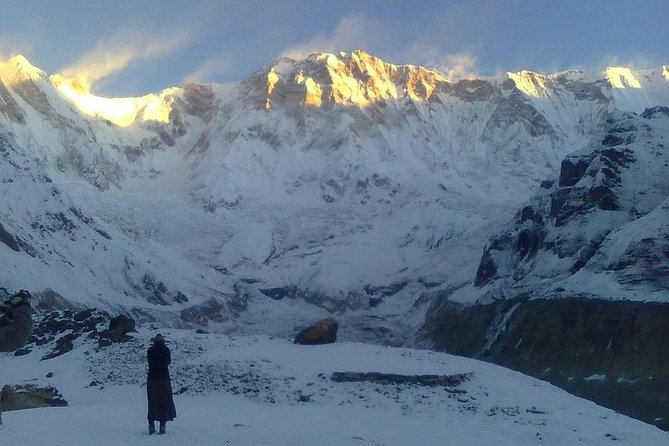
Kala Patthar is described as the popular vantage point for a dramatic view of Everest, south Col, Nuptse, and the lower glaciers. In plain terms, it’s the kind of photo moment that only works if you’re willing to wake up before your body wants to.
The practical downside? Cold can hit hard at these elevations, and you’ll want gloves and warm layers you can actually move in. Your guide and the included preparation session can help you pack smart, but you still have to show up ready.
Downhill Days Back to Namche, Then Lukla
After the high point day, you trek from Pheriche to Namche Bazaar at around 3,440m. This section is about 20 km and 6 to 7 hours, which means you’ll feel the walking legs come back, but your knees still need care on steep descents.
Then you head down to Lukla at about 2,860m, about 19 km and 6 to 7 hours. This is a day of long hours and shifting trail conditions, but it’s also a clear sign that you’re nearly done.
Finally, you fly back to Kathmandu, then wrap with your final departure day. That flight day can feel like a relief because it ends the climbing cycle.
The Human Side: Jiban, Tony, and Tika Make the Difference
For me, a budget trek is only as good as the coordination behind it. This package is organized through Jiban, the travel coordinator, who has been described as responsive and on top of what the group needs.
On the trekking side, the guide team mentioned names like Tony and Tika. The consistent theme is patient, helpful guidance and a steady style that helps you develop trekking skills without pressure.
Even if you’re physically capable, altitude is mentally demanding. A good guide helps you manage the small decisions: when to slow down, when to rest, and how to keep moving without getting reckless.
What You’ll Still Pay For on the Trail (Meals and Gear)
The biggest budgeting surprise for first-timers is meals. This package does not include breakfast, lunch, and dinner. Tea houses will be your baseline, and the price you pay will depend on where you are on the route and what’s available.
Drinks and beverage costs are also not included. That means you should plan to drink enough to stay comfortable, but not assume everything is covered.
You also need to bring trekking equipment yourself. The package mentions trekking equipment is not included, and you may also need to arrange costs related to extra porter support if you decide you want it. Tips and shopping are personal expenses too.
If you’re trying to keep the overall budget tight, plan for minimalist gear and stick to the essentials. Your goal is to travel light enough to move well, not to carry a backpack full of things you won’t use.
Weather Rules and Why Flexibility Is Part of the Deal
This trek requires good weather, and that’s not just a polite note. The cancellation policy says if the trek is canceled due to poor weather, you’ll be offered a different date or a full refund.
So even with careful planning, you should keep expectations flexible around flight timing and trail conditions. The trek is high enough that weather can change how comfortable things feel, even if the route still runs.
At the same time, the package includes a medical kit and support basics, and it’s built for travelers with moderate physical fitness. That combination suggests they are aiming at safe pacing, not a speed-run on Everest timelines.
Who Should Book This Everest Base Camp Budget Package, and Who Should Skip It
Book it if you want a structured Everest Base Camp trek that includes the heavy logistics like flights and tea house lodging. You’ll like the acclimatization rhythm, especially the stops in Namche Bazaar and Dingboche.
You should also consider it if you value a small group capped at 15. Smaller groups tend to feel easier to manage, and you spend less time waiting around.
Skip it if you hate packing and paying for meals as you go. This is not a full-board package, and you’ll need to handle food costs, drinks, and your own trekking gear. Also, if moderate fitness is not your baseline, altitude will demand more than you want.
If you’re a careful planner who wants real Everest views without the most expensive version of the trip, this package can be a strong fit.
FAQ
Is the price really $400 for the whole trip?
The price is listed as $400, and the trek duration is approximately 14 days. Meals, drinks, visa cost, international airfare, insurance, and trekking equipment are listed as not included, so your total trip cost will be more than $400.
What is included in the package?
Included items are 10 night tea house accommodation, round trip flights KTM-Lukla-KTM, private transportation pick up and drop, an English speaking trekking guide, certificates, a medical kit, government and local taxes, and preparatory sessions before and after arrival.
Are meals included?
No. Breakfast, lunch, and dinner are not included, and drinks and beverage costs are also not included.
Do I need trekking equipment and extra porter help?
Trekking equipment is not included. Additional potter or equipment costs are also not included, so you should plan for these if you need extra help carrying your bag.
Do I need a visa?
Visa cost is not included, so you will need to arrange it yourself.
How fit do I need to be?
The tour says travelers should have a moderate physical fitness level.
How many people are in the group?
The maximum group size is 15 travelers.
What if weather is bad?
The experience requires good weather. If it is canceled due to poor weather, you will be offered a different date or a full refund.