

REVIEW · FULL-DAY
Kathmandu Valley Full Day Sightseeing Tour
Temple views beat any postcard.
This Kathmandu Valley route works because it stacks four major sights in a logical flow, letting you see both the Hindu and Buddhist sides of Nepal in one day. I especially love the hilltop panoramas at Swayambhunath and the fine details of Patan Durbar Square woodwork and Newar architecture. One consideration is cost add-ons, since monument entry fees are listed as not included and a tour guide is an extra $30 per booking.
The pacing is built around short, focused visits: about 1 hour at Swayambhunath, 2 hours at Pashupatinath later in the day, then 1 hour each at Boudhanath Stupa and Patan Durbar Square. Hotel pickup and drop-off, plus a private car, makes the day feel simple even if Kathmandu traffic is not.
You also get that small, human touch from Accessible Adventure. The team emphasizes comfort and tailoring, and guides such as Himal and Avi have been noted for going the extra step, including arranging a Losar visit to Sangyechhoeling Monastery when it fit.
Key points to know before you go

- Four iconic Kathmandu Valley stops in one day: Swayambhunath, Pashupatinath, Boudhanath Stupa, and Patan Durbar Square
- Swayambhunath is a shared Hindu and Buddhist shrine with big views from the hilltop
- Boudhanath is UNESCO-listed and described as the biggest stupa in Nepal, tied to Tibetan Buddhism
- Private car plus hotel pickup and drop-off keeps transit stress low
- Guides with names you might meet, like Himal and Avi, are praised for thoughtful help
- Budget for add-ons since monument fees and the tour guide cost extra per booking
Price and logistics: what $45 covers, plus the realistic add-ons

At $45 per person for a full-day Kathmandu Valley sightseeing tour, you’re paying for a clean, low-friction way to hit multiple landmarks without arranging everything yourself. The price includes all government taxes and office service charge, plus hotel pickup and drop-off. You also get a private car for the city tour, and the package includes required field staff coverage (insurance and meal).
The part to double-check is cost beyond the base rate. Monument entry fees are listed as not included, even though the stop descriptions label admission ticket free for each site. That mismatch is worth a quick confirmation when you book, so you do not get surprised at any gate or counter.
Then there is the tour guide line item: $30 per booking for the city tour guide. Even if you have a driver and field staff, this matters because the guide is what turns a set of old stones into a story you can actually follow. Past experiences with this team highlight guides like Himal and Avi for being especially helpful.
Duration is also something to plan around. Expect roughly 5 to 7 hours, and the itinerary is structured with dedicated time blocks at each stop. If you like to move at a steady pace and not constantly ask where to go next, this format should feel comfortable.
One final practical note: this is a private tour/activity, meaning only your group participates. That usually makes it easier to keep your interests in the loop, especially if you want more time at one place and less at another.
A few more Kathmandu tours and experiences worth a look
What the private-group format changes in your day
A lot of Kathmandu tours feel like a bus trip with stops. This one is a private setup, so your schedule is still the schedule, but you get more flexibility in the moments between. You’re not competing with strangers for the same photo angle or trying to decipher what the guide said over background noise.
Pickup and drop-off for sightseeing is included, so you skip the scramble of figuring out meeting points with taxis and changing plans on the fly. You start in Kathmandu and the tour ends back at the meeting point, which is exactly what you want when you have a full day but not endless energy.
You’ll also have a private car during the city tour. That matters because Kathmandu Valley sights are spread across a few directions, and the day’s flow is part of the experience. The route runs west to start, then shifts north, then north-east, then back toward the Patan area. Having a car ready means you can focus on what you came for, not the logistics.
If you’re traveling as a couple or small group, group discounts may apply, which can make the per-person cost even better. And since the tour offers a mobile ticket, it helps reduce paperwork stress right when you are trying to get moving.
Stop 1: Swayambhunath, Monkey Temple views and mixed-religion meaning
Swayambhunath is the opening act, and it’s a smart choice. It is perched atop a hill, and it’s also called the Monkey Temple. The tour frames it as the oldest shrine of Nepal, and it’s attended by both Hindus and Buddhists. That blend is the point: you’re not just seeing one faith’s architecture, you’re seeing a place where beliefs overlap in everyday practice.
In about an hour, you should be able to get your bearings, walk the area, and take in the panoramic outlook over the valley. The view is part of why people come here, and the hilltop setting makes the whole scene feel layered, with rooftops and monuments stretching out below.
One thing I like about how this stop is placed early in the day is that you’re not tired yet. If you wait, hilltop walking can feel heavier later. Starting here lets you enjoy the atmosphere before the afternoon rush of sacred sites and temple time.
Etiquette is the practical consideration at any shrine like this. Since the site is attended by Hindus and Buddhists, you’ll want to be respectful, keep things quiet where it makes sense, and follow any guidance from staff on-site.
Swayambhunath is also a good place to reset your expectations for the day. You’ll notice the way different religious symbols can coexist, and that sets you up for the next stops, where the focus shifts more clearly into specific traditions.
Stop 2: Pashupatinath later in the day, Hindu temple focus after lunch
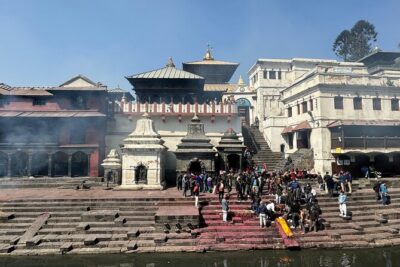
After your lunch and a short rest, the itinerary heads north to Pashupatinath in the late afternoon. This timing is intentional in the sense that it gives you a rhythm, not a nonstop sprint. You’re also moving from a mixed faith hilltop shrine into a temple that’s described as Nepal’s most significant Hindu temple.
Pashupatinath is a sacred Hindu temple, and the tour gives you about 2 hours here. That extra time makes sense. It’s not only about seeing buildings, it’s about understanding how a major religious center functions. Even if you only know the basics going in, you should feel the significance fast, because this is the kind of place locals and visitors treat as meaningful space, not just sightseeing.
If you’re sensitive to crowds or sensory overload, late-day temple spaces can still be intense. Your best strategy is simple: go slowly, watch how people behave, and keep your focus on the parts that matter to you. If you want atmosphere, hang around a bit longer. If you want photos, choose your angles early, then return to observation.
The biggest practical consideration at Pashupatinath is budgeting and planning around what you will be paying for. Monument entry fees are listed as not included, and Pashupatinath is a site where entry procedures can exist. At the same time, the stop description indicates admission ticket free. So again, confirm what applies on your exact day.
This is also where a tour guide pays off. A good guide can help you connect what you see to why it matters, and that is exactly what Accessible Adventure’s approach leans toward, storytelling rather than just directions.
Stop 3: Boudhanath Stupa, UNESCO status and Tibetan Buddhism atmosphere

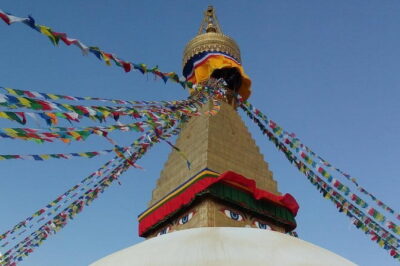
From Pashupatinath, the tour drives further north-east to Boudhanath Stupa. This stop is described as the biggest stupa of Nepal and also listed as a UNESCO world heritage site. The itinerary calls Boudhanath the center of Tibetan Buddhism, which shapes the feeling of the area.
You get about 1 hour at Boudhanath, which is enough time to understand the layout, notice the religious activity around the stupa, and take in the scale. Even if you have only read a little about Tibetan Buddhism, you’ll likely recognize that this place is built for ritual movement and contemplation. The stupa is the anchor, and everything around it supports that purpose.
I like that this stop is not rushed past. For a 5 to 7 hour day, dedicating a full hour to Boudhanath suggests the tour expects this to be more than a quick photo stop. If you’re the type who enjoys watching how people perform rituals, this is one of the more rewarding moments of the day.
Practical note: similar to the other sacred sites, you’ll want to follow site rules and dress respectfully. Since you are in an active religious place, quiet observation is usually appreciated.
Also, since Boudhanath is UNESCO-listed, there may be additional signage or management that can affect how you enter and where you can walk. The time block is tight enough that having a guide to point out the important areas saves time and helps you avoid aimless wandering.

Stop 4: Patan Durbar Square, Newar architecture and the feel of an old city
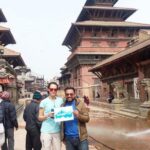
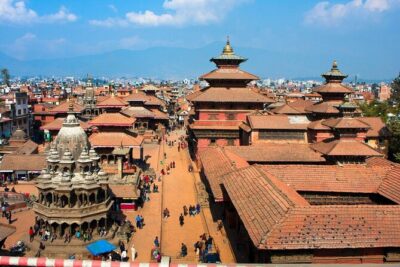
After Boudhanath, the itinerary ends with Patan Durbar Square. This is described as located in the heart of the ancient city of Patan, and it is also a UNESCO World Heritage Site. The highlights mentioned are intricate woodwork and Newar architecture, which is exactly what I look for when I want more than generic temple photos.
Patan Durbar Square is a great closer because it shifts the focus from living ritual and hilltop views into crafts, courtyards, and built heritage. When you stand in places like this, you start to see how design details reflect local identity. Newar architecture often catches your eye through repeating patterns, carved elements, and careful proportions.
You get about 1 hour here. That’s enough to walk the key areas, take in architecture details, and still keep the day from dragging. The drawback of ending with this kind of stop is simple: if you love photography or architecture, an hour can feel short. If you know that’s you, ask the guide early if you can spend a little longer during the Patan segment.
Monument fees may come up here too, since the tour listing says monument entry is not included while the stop description says admission ticket free. Confirm when you book, and keep a little flexibility in your budget just in case.
If you want a “story of the valley” in one day, Patan Durbar Square does that well. It’s where you see the valley’s identity expressed in wood and stone craft, right after you’ve experienced the valley’s spirituality in other forms.
The guide factor: storytelling you can actually use, not just facts

Accessible Adventure emphasizes that guides are more than narrators. The promise is storytelling that brings history to life and tailors the day to your preferences. That approach matters because Kathmandu Valley is easy to overwhelm. You see a lot. If you do not have context, it can blur together.
Guides highlighted for this tour include Himal and Avi, both noted for being helpful. If you’re the type who likes to know what something means before you move on, this is where the tour should feel worth the extra guide cost. A good guide can point out the small cues that you might miss on your own, and it can change your “I saw it” into “I understood it.”
There’s also evidence of responsiveness. One guide arranged a Losar visit to Sangyechhoeling Monastery even though it was not part of the original itinerary, when it fit. That’s the kind of flexibility that can turn a standard day into something more personal, especially if you are in town around festival timing.
A small practical tip: since you’re in a private format, you can ask what to prioritize. If you care most about architecture, say so. If you want more focus on religion and ritual, ask for that too. A day like this works best when the guide steers the time.
Timing and comfort tips for a 5 to 7 hour Kathmandu day

This tour is built for a realistic full day pace, not an all-day grind. The schedule is time-boxed: 1 hour at Swayambhunath, 2 hours at Pashupatinath, 1 hour at Boudhanath, and 1 hour at Patan Durbar Square, with travel time between.
Because Pashupatinath is scheduled after lunch with a short rest and then visited late afternoon, the tour assumes you’ll have a meal break inside the day. Lunch is not described as included, so plan to eat on your own or bring something simple if that fits your style.
Since Swayambhunath is hilltop, expect some extra physical effort compared to flat city walking. You do not need to train for it, just wear clothes and shoes that let you move comfortably over uneven ground and steps.
Dress and behavior matter at all four stops because they are religious sites. Keep your shoulders and appearance respectful, and follow any rules about where you can stand or walk. If a guide calls something out, take it seriously. It’s usually there for your comfort and for the site’s functioning.
Finally, if your biggest issue is fatigue, the private car and hotel pickup are your best friends. You get a seated reset between stops, which helps when you are stacking major landmarks back-to-back.
Who this tour is best for (and who might want a different plan)
This Kathmandu Valley tour is a strong match if you want a clean checklist day that still has meaning. If you’re short on time and you want the big names, the route hits major sites in a coherent order.
It’s also a good choice if you like your guide to explain what you’re seeing, not just point the way. Accessible Adventure’s storytelling approach is clearly part of the value, and the guide cost makes sense when you use it to learn, not just to tag along.
If you hate the idea of paying an extra fee for a guide or you want total independence, you might feel constrained by the structure. Also, if monument entry fees apply on your day even though the stop notes say admission ticket free, you may want to factor a little buffer.
For families or mixed-age groups, a 5 to 7 hour day is often doable, but you should think about energy level at a hilltop stop and around sacred spaces where you may spend extra time observing. The tour notes that most travelers can participate, and the private car helps reduce strain.
Should you book this Kathmandu Valley Sightseeing Tour?
I’d book it if you want a focused day that covers Kathmandu Valley’s most important spiritual and historic anchors, with pickup, a private car, and guides who can explain the why behind the sights. At $45 per person, the base price is reasonable for transport and organized movement, especially when you are also trying to avoid the headache of stitching together separate taxis and entrances.
I would hesitate if you are traveling with a strict budget, because a tour guide is an extra $30 per booking and the listing mentions monument entry fees as not included. If you do book, confirm what is actually free on your dates, then you can plan your money with confidence.
If you want, tell me your travel month and how many people are in your group, and I can help you decide whether to budget for the guide and any site fees, based on the rhythm of your day.
FAQ
How long is the Kathmandu Valley sightseeing tour?
The tour lasts about 5 to 7 hours.
What stops are included in the itinerary?
You visit Swayambhunath, Pashupatinath Temple, Boudhanath Stupa, and Patan Durbar Square.
Is hotel pickup and drop-off included?
Yes. Hotel pickup and drop-off for sightseeing are included.
Is the tour private?
Yes. It is a private tour/activity, and only your group participates.
How much does the tour cost?
The price is $45.00 per person.
Is there an additional cost for a tour guide?
Yes. A tour guide during the city tour is listed as $30.00 per booking.
Are monument entry fees included?
The tour listing says entry fee for monument is not included, though the itinerary notes admission ticket free for the stops. You should confirm what applies on your specific day.
Is the tour ticket mobile?
Yes, it offers a mobile ticket.
What is the cancellation policy?
Free cancellation is available up to 24 hours in advance of the experience start time for a full refund.
More Full-Day in Kathmandu
More Tours in Kathmandu

More Tour Reviews in Kathmandu
Not for you? Here's more nearby things to do in Kathmandu we have reviewed


Full-Day, compared.
 ★ 5.0Full Day 7 UNESCO Tour with Lunch – Private/GroupFrom $10415 reviews
 ★ 5.0Full Day Top 4 UNESCO Tour with Lunch – Private/GroupFrom $10269 reviews
★ 4.9Full-Day 7 UNESCO Tour with Lunch – Private/GroupFrom $5247 reviews
★ 5.0Full Day 7 UNESCO Tour with Lunch – Private/GroupFrom $5101 reviews
★ 5.0Full Day Top 4 UNESCO Tour with Lunch – Private/GroupFrom $10269 reviews
★ 4.9Full-Day 7 UNESCO Tour with Lunch – Private/GroupFrom $5247 reviews
★ 5.0Full Day 7 UNESCO Tour with Lunch – Private/GroupFrom $5101 reviews
 ★ 5.0Full Day Private Top 4 UNESCO Heritage Tour W/Lunch.From $1086 reviews
★ 5.0Full Day Top 4 UNESCO Tour with Lunch – Private/GroupFrom $567 reviews
★ 5.0Full Day Private Top 4 UNESCO Heritage Tour W/Lunch.From $1086 reviews
★ 5.0Full Day Top 4 UNESCO Tour with Lunch – Private/GroupFrom $567 reviews
 ★ 5.0Kathmandu Heritage Tour (Full Day)From $3863 reviews
 ★ 5.0Full Day Guided Tour in KathmanduFrom $561 reviews