

REVIEW · ANNAPURNA TREKS FROM KATHMANDU
Kathmandu/Pokhara: Annapurna Circuit Trek 10 days
Crossing a Himalayan pass is a life moment. What makes this trek stand out is the way you climb from lush river valleys into stark high country, then take on Thorong La Pass at 5,416 meters for big, clear views. I also love the day-to-day cultural stops, like temple time in Muktinath, because the scenery is only half the story here. The main consideration is altitude, you will work for every meter, and a slower pace matters.
The good news is the schedule includes an acclimatization day in Manang, so you get a chance to adjust before the hardest walking day. You are also traveling with an English-speaking guide in a private group, which means less guesswork about timing, routes, and how to handle the thin air.
One more thing I appreciate is that the experience is built around real teahouses, not camping fantasy. You get comfortable enough lodging, but you should plan for basic comforts, no guarantee on hot showers, and meals that are extra.
Key highlights you will actually feel on the trek

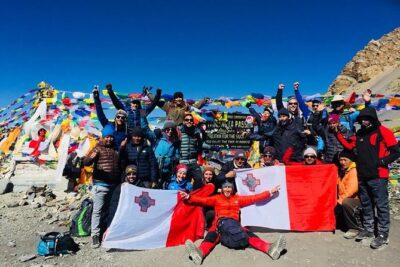
- Thorong La Pass at 5,416 m: the signature high point, with a demanding start and panoramic reward.
- Annapurna Conservation Area biodiversity: you move through different habitats as you gain altitude.
- Cultural immersion in village stops: small communities, daily life, and a respectful trekking rhythm.
- Muktinath temples and monasteries: a sacred finish zone with strong spiritual energy.
- Kali Gandaki Gorge and the Annapurna-Dhaulagiri walls: giant geography that makes your legs feel small.
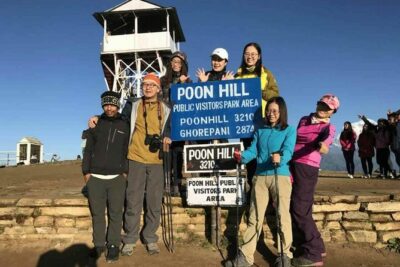
- Poon Hill sunrise approach: an early, memorable payoff as the trek wraps up.
Why the Annapurna Circuit feels different every few hours

The Annapurna Circuit is popular for a reason, it changes fast. One morning you are walking through terraced fields and river-side villages, and then you keep climbing until the air feels drier, the hills look more barren, and the view starts to look like a high-altitude photo shoot.
That shift is not just pretty. It is what keeps your brain engaged when your legs are already tired. You get subtropical greenery, alpine forest, and then more arid, Tibet-like terrain as you go. On a 10-day plan, that variety is compressed enough to stay exciting, but still paced enough that most people can adapt if they follow the guide and walk at a steady effort.
I also like that the trek is not only about the pass. You are building in cultural moments on the way, so the trek feels like a journey through communities, not just a hike to a number on a map.
Price and logistics: what $430 really buys you
At $430 per person for 10 days, the value depends on what you already have planned. This price includes the important hard-to-skip items: permits (ACAP and TIMS), all transportation from Kathmandu or Pokhara to the trailhead, an experienced English-speaking guide, teahouse accommodation during the trek, a first aid kit, trekking maps, a farewell dinner, and government taxes and service charges.
So what is not included? Meals during the trek are not included, and that usually becomes your biggest day-to-day spending. You will also need travel insurance that covers high-altitude trekking, plus your personal gear like jackets, sleeping bag, and trekking poles. Hot showers and charging facilities are also not something you should count on at every stop.
In practical terms, this is a good deal if you want structure and you are okay paying for your own meals and managing comfort basics. If you want meals fully packaged and zero-thinking travel, you may feel the extra costs more. But if you like the simple routine of teahouse trekking, this package keeps things focused and fair.
Days 1 to 4: settling into the Marsyangdi river route and gaining altitude

Most circuits start by easing you in through the subtropical valley zone near Besisahar and along the Marsyangdi River area. Your early days are about rhythm: walking, eating, sleeping, and getting used to the idea that the day always rises with you.
Day 1: Kathmandu to Dharapani (about 6 to 8 hours, 1,860 m)
This is a long travel day, so treat it like a warm-up. You are driven to Dharapani, and once you arrive you will likely do a short walk around to get moving and settle your body. It is not about distance, it is about adjusting to the altitude you will sleep at.
Day 2: Dharapani to Chame (about 4 to 5 hours, 2,670 m)
Chame is often a turning point because the terrain feels more Himalayan and less valley. Expect a steady climb, plus the usual teahouse routine that helps you recover between walking days. If you are carrying your own day essentials, this is also a good moment to check your gear setup.
Day 3: Chame to Pisang (about 5 to 6 hours, 3,300 m)
As you move higher, you will likely notice cooler nights and a brighter, sharper look to the sky. Pisang adds a sense of “going somewhere,” because you are approaching the higher zones of the Annapurna region. Keep your pace relaxed here. You are building endurance, not proving speed.
Day 4: Pisang to Manang (about 5 to 7 hours, 3,540 m)
Manang sits at a useful altitude for acclimatization, and it is also a place where you can feel the cultural shift. The region around Manang tends to feel more distinct as you climb, with high-country habits replacing the lower-valley vibe. It is a great stop for mentally preparing for the pass day.
Day 5 in Manang: the acclimatization stop that can save your trip

Your schedule includes a full acclimatization day in Manang (3,540 m). This is not extra fluff. It matters because Thorong La Pass at 5,416 m is a big jump for your body to handle all at once.
On acclimatization day, you typically explore and adjust your routine, and the goal is to help you breathe easier over the next steps. Practical advice: use the day to keep effort moderate, drink water steadily, and learn your own signs of altitude fatigue. If you feel off, you do not need to force a long walk just to prove toughness. The guide is there to help you plan the next day based on how you feel.
Days 6 and 7: from Yak Kharka to Thorong Phedi, preparing for the pass

Now you are in the higher zone, where every hour counts. The days leading up to Thorong La Pass are often about climbing without burning yourself out. This is where having a guide makes a difference beyond navigation.
Day 6: Manang to Yak Kharka (about 4 to 5 hours, 4,000 m)
Yak Kharka is a key staging point. The air gets thinner, and the scenery tends to feel harsher and more exposed. You might also notice how your body starts asking for slower pacing. Take that seriously. You are not “behind” if you walk slower here.
Day 7: Yak Kharka to Thorong Phedi (about 3 to 4 hours, 4,450 m)
Thorong Phedi sets up the pass attempt. This is where you want a calm evening: early sleep, careful water intake, and preparing layers for a cold morning. If you are sensitive to the cold, this is the time to be organized, not brave.
Day 8: Thorong La Pass at 5,416 m, then the descent to Muktinath

This is the day everyone remembers. You cross Thorong La Pass at 5,416 m, then descend to Muktinath at about 3,710 m. The pass itself is the headline, but the descent is where you get your legs back and your brain starts appreciating the bigger picture.
The pass day in real terms
A pass at 5,416 m is not just “high.” It changes how you move, how you breathe, and how long it takes to feel normal again. Expect a long, steady climb. You will want to keep your effort consistent, especially early, because going too hard too soon is the fastest way to feel miserable later.
Muktinath: more than a photo stop
Muktinath is sacred ground with ancient temples and monasteries. When you arrive at the lower altitude, it is a mental reset. You stop walking for a bit, you see the spiritual side of the region, and it helps the whole journey feel connected rather than random.
Day 9: through Kali Gandaki Gorge toward Jomsom

After Muktinath, the trek continues through the Kali Gandaki Gorge, known as the world’s deepest gorge. Whether you are a geology nerd or not, this kind of geography hits you right away. Your scale sense changes. Peaks feel closer than you expect.
Then you head onward to Jomsom (about 5 to 6 hours, 2,720 m). The lower altitude helps your body recover, but do not treat this as a free day. It is still trekking terrain, and you will be carrying accumulated fatigue.
Day 10: Jomsom to Pokhara, ending in rhododendron country mood

The trip ends with a drive from Jomsom to Pokhara (about 6 to 8 hours). Pokhara is a good place to exhale after 10 days of walking and altitude changes. Your photos will make more sense by then too, because you can look at them with your whole route in mind.
One more note: your itinerary’s ending portion includes the rhododendron-filled area around Ghorepani and an unforgettable sunrise experience at Poon Hill. If sunrise is a deal breaker for you, this might not be your favorite part. If you can handle an early start, it is a strong finale because the views over Annapurna and Dhaulagiri are exactly the kind of reward that makes the hard days feel worth it.
Teahouses, meals, and comfort you can plan for
This trek uses teahouse accommodation throughout the walk. That usually means simple rooms, warm blankets, and food that is filling and reliable enough for trekking days. But it is not a hotel.
Meals are not included, so expect to budget for your daily food at the teahouses. The upside is choice and flexibility. You can eat what you feel like, adjust portions, and keep your stomach happy instead of forcing pre-set meals.
Hot showers and charging facilities are not included, and availability can be inconsistent at some teahouses. I treat that as part of the adventure, but I also plan for it: keep your essentials charged early when you can, and pack layers that work even if the evening feels colder than you expected. A sleeping bag and warm jacket are part of what you bring, because your personal gear is not provided.
Biodiversity and village life in the Annapurna Conservation Area
One of the best parts of the Annapurna Circuit is that you are moving through a protected region with significant biodiversity. As the altitude changes, so do the trees, the habitats, and the overall feel of the area. You start with greener river valleys, climb into alpine forest, and then shift into more rugged, drier terrain.
But the real value is how these changes tie to people. The trek passes through ethnic villages, where daily life continues while you pass through as a guest. If you treat those stops with respect, you get more than a quick look. You see how trekking tourism helps local economies, from small businesses to the steady demand for guesthouse beds and meals.
It is not about collecting moments. It is about keeping a steady, respectful pace that lets you fit into village rhythms without rushing them.
Guides and porters: why Kim, Nir, and Milan matter
This trek is led by an English-speaking guide in a private group, and the reviews make it clear how much the experience depends on the person running the plan.
I love this setup because your guide is not only translating. You are also relying on them to keep you safe and comfortable, especially around the pass day and weather shifts. Multiple guides were praised for professionalism and genuine care.
Names you may see attached to this experience:
- Kim or Khim, praised for kindness, professionalism, constant support, and even humor that keeps you steady on tough sections.
- Nir, noted for adjusting the plan based on how people felt, and for selecting accommodations thoughtfully, including smart choices to avoid unpleasant dusty roads.
- Milan, recognized as fun but also careful, with strong support that made trekkers feel safe.
Porter support shows up too. One review highlighted Dill as superb, which matters because porters help keep the trek manageable, especially if you are not carrying your whole system.
If you want the best chance of a smooth experience, bring your guide the right attitude: communicate how you feel each day, follow pacing guidance, and trust that adjustments are part of good trekking.
Who this trek fits, and who should reconsider
This trek is a strong choice if you want:
- a high-altitude goal with a real challenge (the pass),
- cultural stops in villages and sacred Muktinath,
- and a trek that mixes walking effort with multiple view payoffs.
It is also a good match for people who like structure. Having an English guide, permits handled, and teahouse lodging included makes the whole plan simpler.
It is not suitable for pregnant women, as stated. Also, if you have reasons you cannot handle sustained altitude exposure, talk it through early with your medical professional. The schedule includes an acclimatization day, but Thorong La Pass at 5,416 m is still serious altitude.
Should you book this Annapurna Circuit trek?
If you want an organized, classic Annapurna Circuit experience with the hardest highlight built in, this is a solid pick. The value is strong because permits, transport to the trailhead, a guide, teahouse accommodation, trekking maps, and a first aid kit are included in the base price. The big moving parts for you are meals, insurance, and personal gear.
I would book if you like:
- a private group pace,
- steady guidance on altitude days,
- and the idea of ending with sunrise at Poon Hill and temple time in Muktinath.
I would hesitate if you dislike early mornings, hate basic teahouse comfort, or you are not ready for the extra costs of meals and high-altitude insurance. Also, if altitude scares you, do not ignore that feeling, even with acclimatization built in.
If your goal is real effort, real views, and a guide who keeps you safe and laughing along the way, this trek deserves a spot on your list.
FAQ
How high do you reach on this trek?
The trek includes crossing Thorong La Pass at 5,416 meters, and you also reach Muktinath at about 3,710 meters.
What is included in the $430 per person price?
It includes ACAP and TIMS permits, all transport from Kathmandu or Pokhara to the trailhead, an English-speaking guide, teahouse accommodation during the trek, a first aid kit and trekking maps, a farewell dinner, and government taxes and service charges.
Are meals included during the trek?
No. Meals during the trek are not included.
Is travel insurance required?
Yes. Travel insurance is mandatory and must cover high-altitude trekking.
What language is the guide?
The guide is available in English.
Is this trek a private group?
Yes, it is listed as a private group.
Do teahouses always have hot showers and charging?
Hot showers and charging facilities are not included, and they may be unavailable at some teahouses.
Where does the trek start and where does it end?
It starts with transport from Kathmandu or Pokhara to the trailhead, with the trek route beginning in Dharapani, and it ends with transport from Jomsom to Pokhara.
What is the cancellation policy?
You can cancel up to 24 hours in advance for a full refund.
Annapurna Treks from Kathmandu, compared.
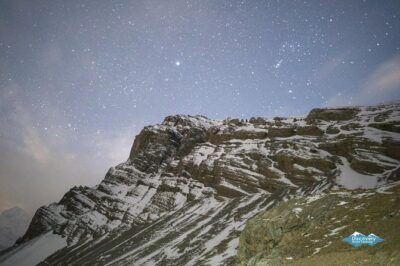 ★ 5.0Annapurna Circuit Trek with Tilicho LakeFrom $1,093368 reviews
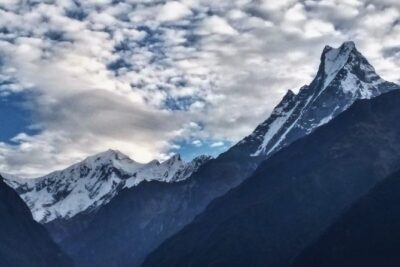 ★ 5.0Annapurna base camp trek 5 DaysFrom $699252 reviews
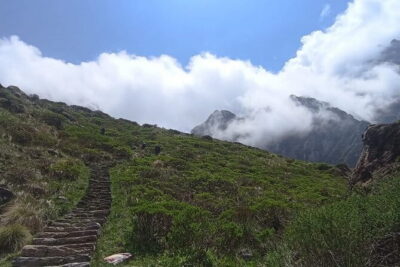 ★ 5.0Annapurna Base Camp TrekFrom $935111 reviews
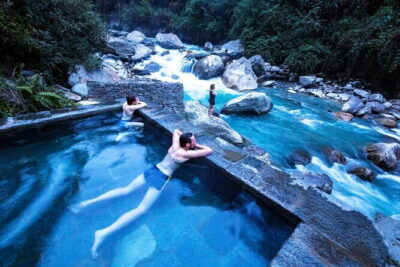 ★ 5.0Kathmandu to Annapurna Base Camp (ABC) 5-Day TrekFrom $99102 reviews
 ★ 5.0Annapurna Circuit TrekFrom $1,17594 reviews
 ★ 5.04 Days Poon Hill TrekFrom $40594 reviews
 ★ 5.0Annapurna Base Camp Trek 12 DaysFrom $80085 reviews
Annapurna Base Camp TrekFrom $78581 reviews
★ 5.0Annapurna Base Camp Trek 12 DaysFrom $80085 reviews
Annapurna Base Camp TrekFrom $78581 reviews
Browse the lists this tour appears in