
REVIEW · LUNCH EXPERIENCES
Kathmandu: Pharping, Dakshinkali and Chobhar Tour with Lunch
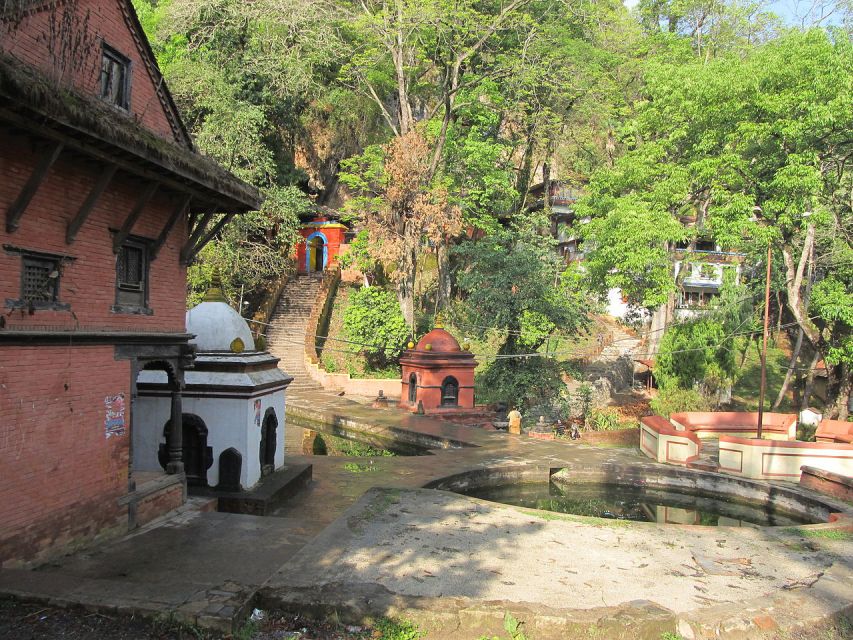
One hour outside Kathmandu, you hit caves and temples. A walk through Pharping and beyond mixes Hindu and Buddhist worship with real local atmosphere. I like the way this tour threads spiritual sites and nature stops into one smooth day, and you get lunch without having to plan it yourself. One thing to keep in mind, though, is that the Dakshinkali area can be emotionally intense for some visitors.
What I like most is the focused route: Asura Cave, Shesnarayan, and Gorakhnath in the Pharping area, then Dakshinkali, Taudha Lake, and finally Chobhar Gorge. The pacing helps you see a lot in 6 hours, not just hop from one photo spot to the next. The main consideration is physical comfort, because there are temple steps and walking, and this is not ideal if you have back or heart issues.
If you want a guided day that feels grounded, respectful, and easy to follow, this works well. You’ll spend enough time at each stop to actually understand what you’re seeing, especially with an English or Japanese guide. But if you’re expecting every cave or monument to be open every day, be flexible, since some closures can change what you access.
Quick hits before you go
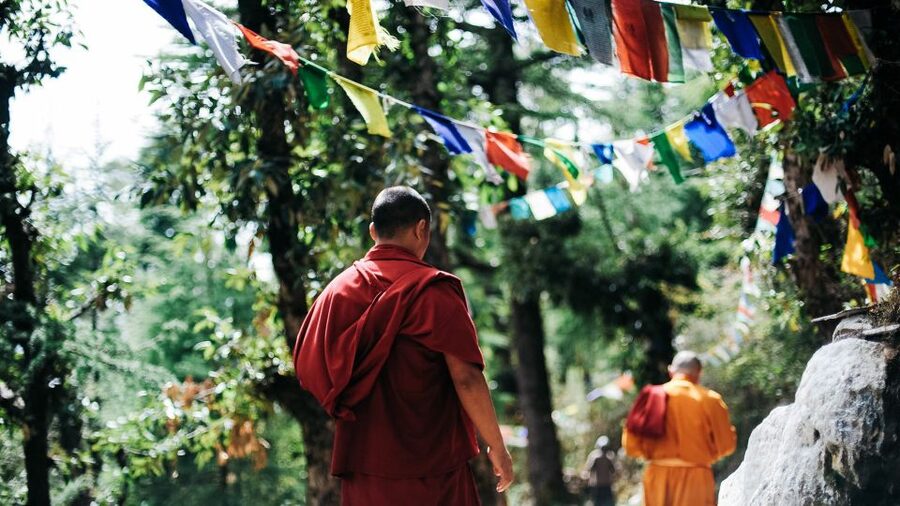
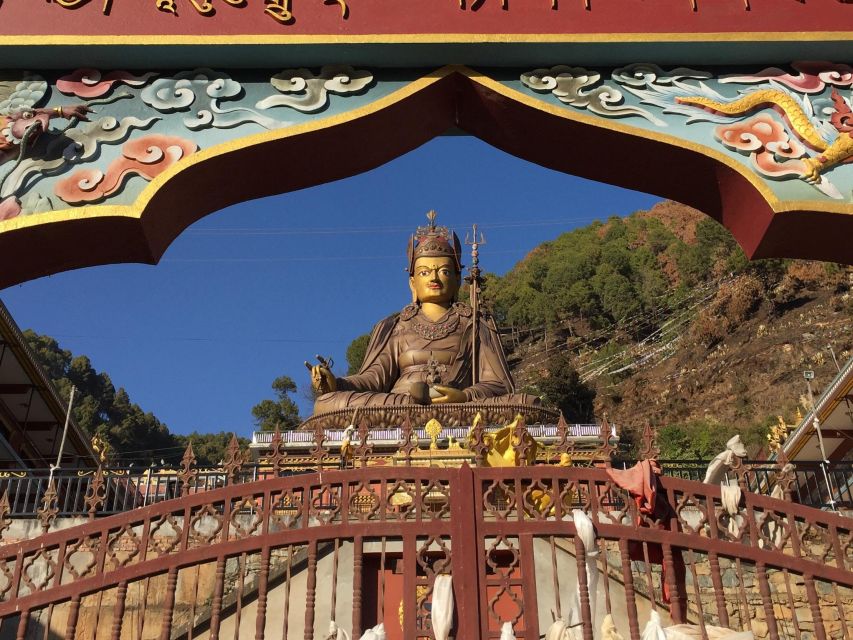
- Asura Cave offers a sacred, atmospheric Buddhist stop tied to Guru Rinpoche traditions
- Temple cluster time at Shesnarayan and Gorakhnath gives context for local worship styles
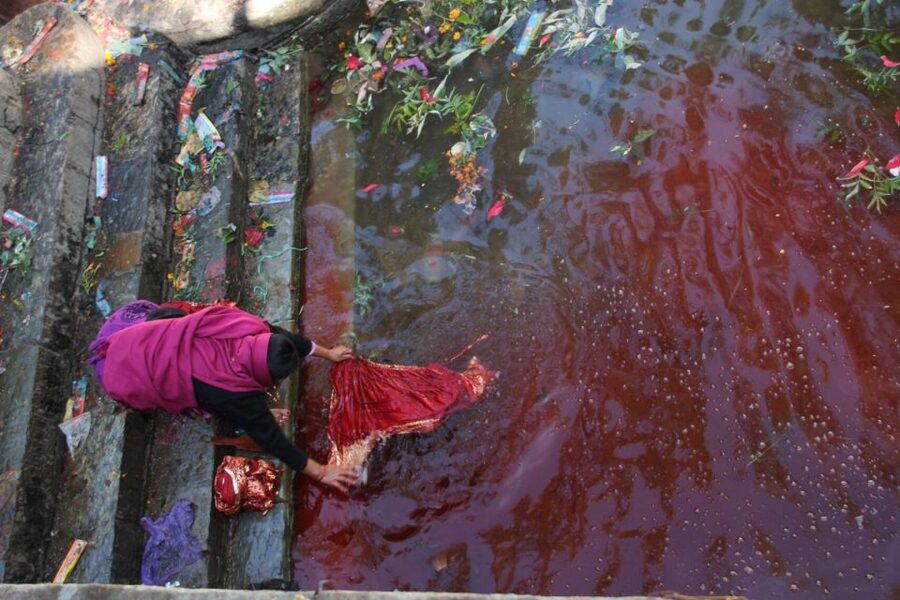
- Dakshinkali is powerful, and the site may include disturbing elements like a bloody river
- Taudha Lake gives you a calmer nature break and bird sanctuary vibe
- Chobhar Gorge connects Kathmandu’s landscape to the story of an ancient lake draining away
- Private group + luxury vehicle helps you avoid logistics stress in traffic-heavy Kathmandu
Why Pharping, Dakshinkali, and Chobhar make sense in one day
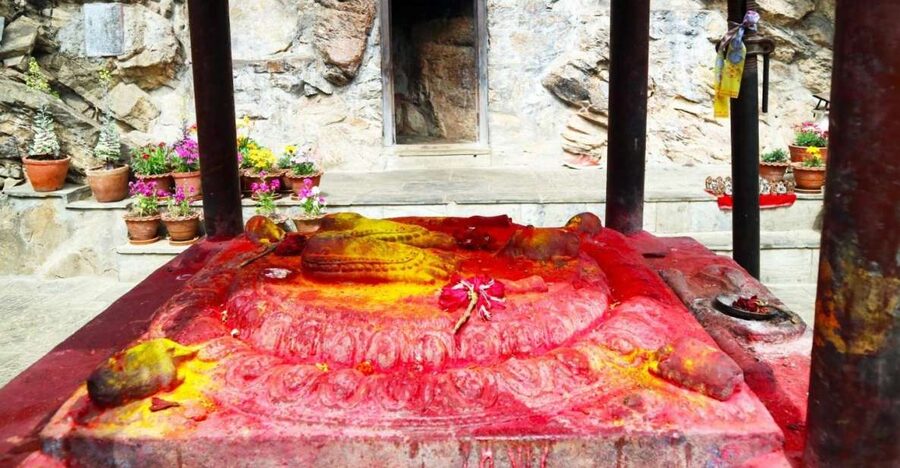
This is the kind of day trip that works for first-timers and repeaters. You leave Kathmandu, get out into the Bagmati Zone, and spend the day moving between spiritual landmarks and scenic geography that explains why Kathmandu looks the way it does.
The biggest value is balance. You get structured time at major sites, but the day also includes quiet breathing room at places like Taudha Lake and the Chobhar Gorge area. For $83, the tour bundles guide, entrance fees, lunch, and hotel pickup for hotels within Kathmandu city ring road, so your “day cost” stays predictable.
A few more Kathmandu tours and experiences worth a look
Asura Cave: a sacred cave with real atmosphere
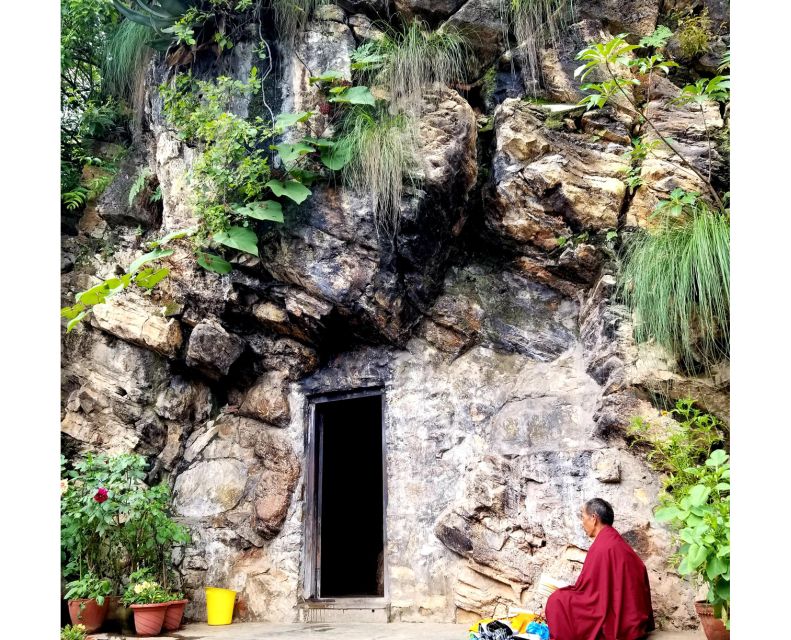
Asura Cave sits above Pharping, and it’s one of those places where the setting matters as much as the story. It’s associated with Guru Rinpoche, a major figure in Buddhist tradition, and the idea here is that this is a meditation and enlightenment site.
What you’ll feel is a change in pace. Caves have their own quiet logic, and you’ll likely slow down as you explore. You also get a built-in chance to ask your guide what makes this cave important, because the point is not just walking through a “cool spot,” it’s understanding why people come here.
Practical tip: wear comfortable shoes. Even if the walk is not long, cave and temple paths can be uneven, and you’ll be glad you chose grip over fashion.
Shesnarayan and Gorakhnath: temple time that teaches you the place
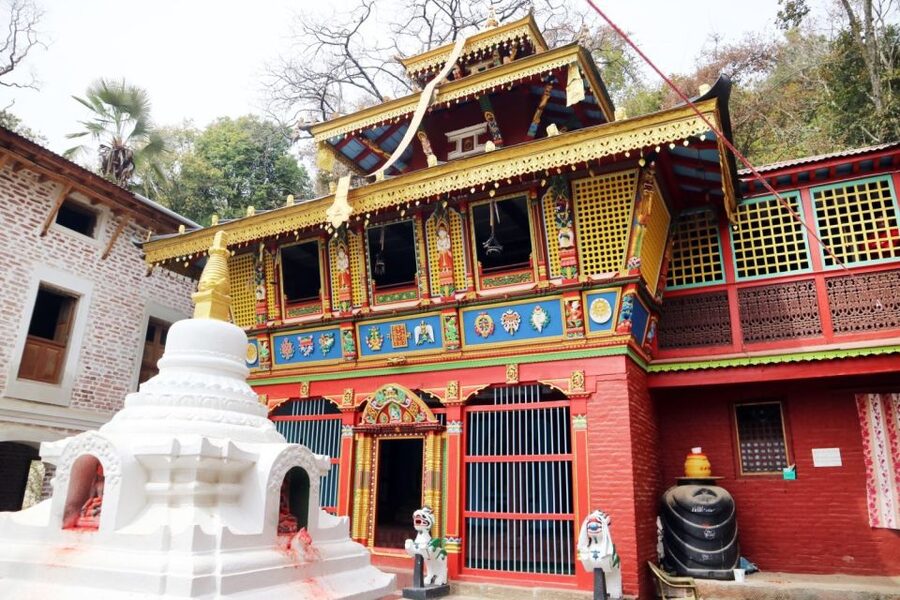
After Asura Cave, you head toward two important stops that help you read this area like a map, not a checklist.
Shesnarayan Temple is an ancient Hindu temple complex connected to the Kathmandu Valley’s Narayana temple tradition. It’s believed to have been built during the reign of Licchavi king Vishnugupta, so you’re standing in a site that anchors deep local memory. This is one of those places where your guide’s explanation can turn “pretty structures” into something you can actually place historically and culturally.
Then there’s Gorakhnath Temple, tied to Guru Gorakhnath and the Nath Sect teachings. The contrast is useful. You’re still in temple-land, but you’re learning how different spiritual lineages express devotion in their own way.
From a traveler standpoint, this is where a good guide earns their keep. If you pay attention, you’ll start spotting patterns in iconography, names, and why worship happens where it does.
Dakshinkali: powerful devotion, and a heads-up on discomfort
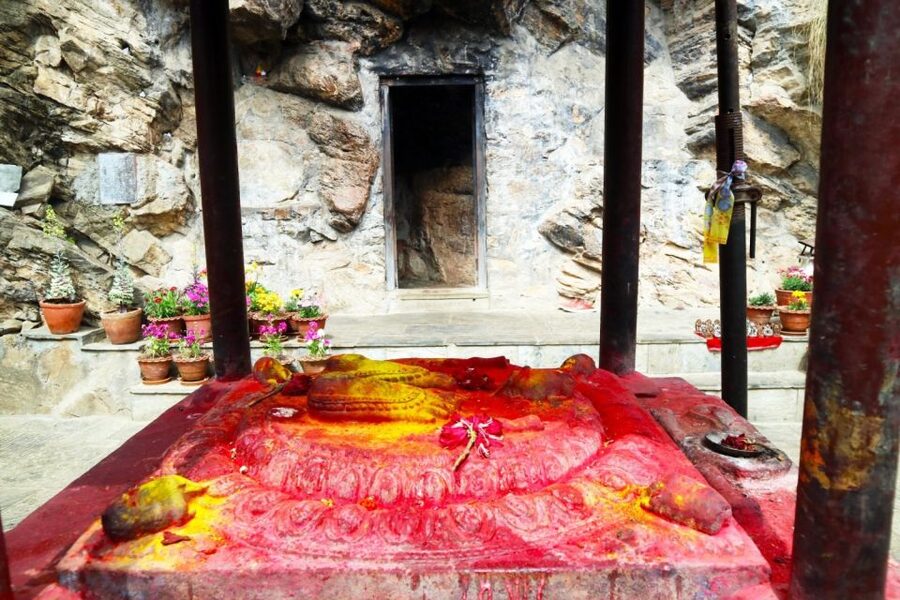
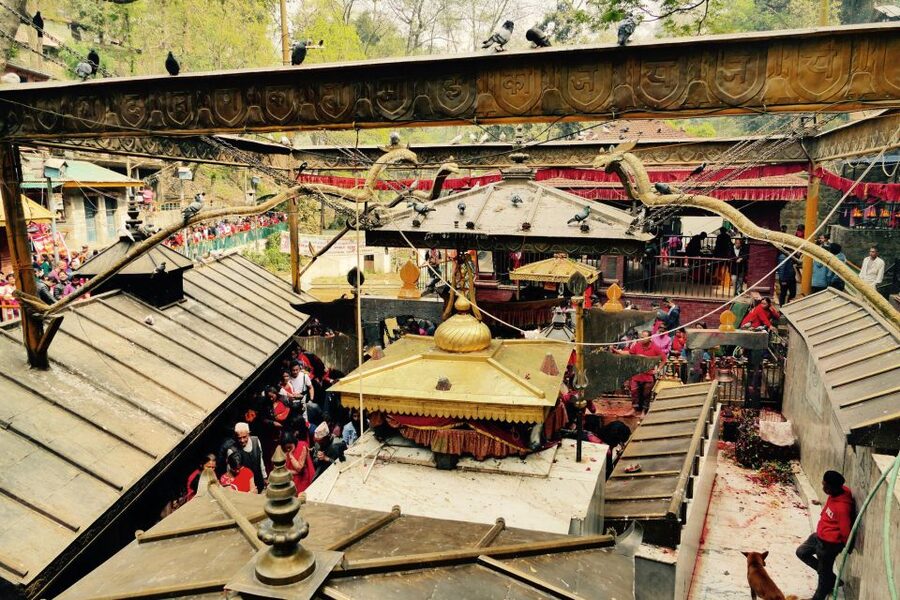
Dakshinkali Temple is one of Nepal’s major Kali temples, located about 22 kilometers outside Kathmandu and roughly a kilometer outside Pharping. This is where the spiritual tone shifts from quiet caves and historic temples into something more intense and raw.
Important for your comfort: the Dakshinkali area may include a bloody river and elements that can be distressing. If you’re sensitive to graphic imagery or you simply don’t want that kind of exposure, plan your mindset ahead of time. You can still visit with respect, but you should go knowing it may feel heavy.
A good tour guide helps here by setting expectations and giving you context before you arrive. So, if you’re the type who gets unsettled fast, I’d ask questions early in the day rather than trying to process everything on the spot.
Taudha Lake: the calm reset you need before Chobhar
After the temples, Taudha Lake gives your day a breather. It’s the largest natural lake in the Kathmandu Valley and a popular recreation point. It’s also known as a bird sanctuary, so if you’re observant, you can slow down and watch what’s happening around the water.
This stop is valuable even if you’re not a dedicated birdwatcher. It changes your body rhythm. After steps, stairs, and temple crowds, you’ll appreciate a more open space where you can look around and breathe.
Also, timing matters. This is the part of the day where you’re not racing for the next door opening, you’re settling in for a quieter hour.

Chobhar Gorge and caves: the landscape story behind Kathmandu’s existence
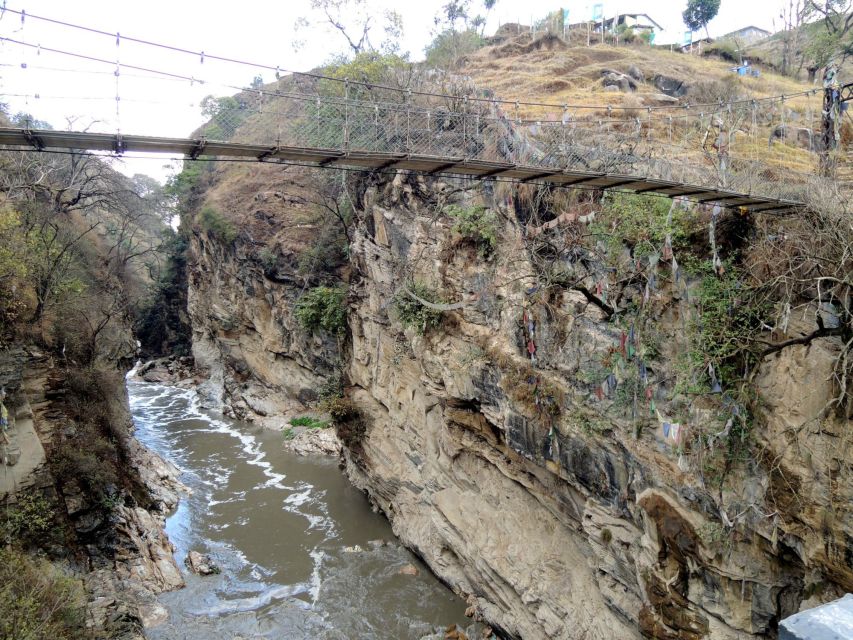
Chobhar Gorge is tied to a fascinating explanation of Kathmandu’s setting. The story says this is the point where water drained from an ancient lake that once existed where Kathmandu now stands. It’s also believed that Manjushri cut the gorge here, allowing the water to leave and create land for settlement.
That myth link is more than trivia. It helps you understand why certain areas of Kathmandu feel like they make sense geographically, even when you don’t have a geology background. With your guide, the gorge becomes a living map of the city’s origin story.
You’ll also explore caves in the Chobhar area, which adds variety to the day. One caution from real-world experience: some cave access can change if closures happen. A strong operator keeps the day moving and adjusts the plan when needed, rather than just stopping the whole trip.
Price and timing: what $83 for 6 hours really buys
For $83 per person, you’re not just paying for transport. You’re paying for structure.
Here’s the practical value: you get an expert guide, luxury vehicle, hotel pickup and drop-off for hotels inside Kathmandu city ring road, entrance fees, and lunch. That matters because Kathmandu traffic and entrance ticket lines can turn “a half-day sightseeing plan” into a half-day headache if you do it alone.
The day runs about 6 hours. A common flow is depart around 10:00 AM, reach Pharping for Asura Cave around late morning, then continue through temples, stop for lunch around 1:00 PM, and return to Kathmandu around 4:00 PM. Exact timing can shift with traffic and your pace, so don’t schedule anything tight right after pickup.
The private group and luxury vehicle: small comfort, big payoff
This is a private group tour, which changes the day in subtle but important ways. You can move at a pace that works for you, especially when you’re doing steps and taking photo breaks without feeling rushed.
The luxury vehicle part also matters in Kathmandu. Roads can get chaotic fast, and having a professional driver helps you focus on the outside scenery and the stop you’re heading to.
One more benefit: hotel pickup is included if you’re within the city ring road. If you’re farther out, there can be an extra charge, so check where your hotel sits before you assume pickup is free.
What to bring, and how to handle temple rules
This kind of day is simple if you pack for movement and respect. Bring comfortable shoes, sunglasses, a sun hat, and sunscreen. You’ll be glad you did, especially when sun hits temple courtyards and stairways.
Keep in mind the rules for a smooth visit:
- Smoking is not allowed in the vehicle
- Alcohol and drugs are not allowed in the vehicle
- Pets, weapons or sharp objects, baby strollers, and open-toed shoes are not allowed
- Nudity is not allowed
Also, have your expectations ready for temple etiquette. You’re walking through sacred spaces, so act like you belong there as a respectful visitor, not a tourist rushing for angles.
Who should book this tour, and who should skip it
This fits best if you want a guided, no-stress day that mixes Hindu and Buddhist sites with nature stops, and you’d rather pay for clarity than build your own route.
You should be especially interested if:
- You like learning meaning behind place names and cave traditions
- You want a day outside Kathmandu without dealing with transport planning
- You prefer a guided explanation in English or Japanese
Skip or be cautious if:
- You have back problems, heart problems, or kidney problems
- You need wheelchair access
- You’re older than 95
- You’re above 100 kg
- You know the Dakshinkali imagery will be too distressing for you
Should you book this Kathmandu Pharping, Dakshinkali, and Chobhar tour?
I’d book it if you want a structured 6-hour day that actually connects the dots between geography and spirituality. The value is strong because lunch, entrance fees, guide time, and pickup are included, and the private format makes the day feel calmer.
I would think twice if you’re very sensitive to distressing elements at Dakshinkali, or if you can’t handle stairs and uneven walking. If you fall into those groups, you might prefer a lighter temple day with fewer intense stops.
If you want the kind of day trip where cave silence, temple context, lake calm, and gorge stories all fit together, this is a solid choice.
FAQ
How long is the tour?
The duration is 6 hours.
What stops are included in the tour?
You visit Asura Cave, Shesnarayan Temple, Gorakhnath Temple, Dakshinkali Temple, Taudha Lake, and Chobhar Gorge (including caves).
Is lunch included?
Yes, lunch is included.
What languages are the guides?
The live tour guide is available in English and Japanese.
Is the group private?
Yes, this is a private group.
What is included in the price?
The price includes an expert tour guide, luxury vehicle, hotel pickup and drop-off (for hotels inside Kathmandu city ring road), entrance fees, and lunch.
What about hotels outside the Kathmandu city ring road?
Pickup is included only for hotels inside the ring road. Hotels outside it require an additional charge.
Is this tour suitable for wheelchair users or people with medical conditions?
It is not suitable for wheelchair users, and it is also not suitable for people with back problems, heart problems, or kidney problems.
Is Dakshinkali comfortable to visit for everyone?
It may be distressing for some visitors because the Dakshinkali area and temple can involve a bloody river.
More Lunch Experiences in Kathmandu
More Tours in Kathmandu
More Tour Reviews in Kathmandu
Not for you? Here's more nearby things to do in Kathmandu we have reviewed


Lunch Experiences, compared.
 ★ 5.0Full Day 7 UNESCO Tour with Lunch – Private/GroupFrom $10415 reviews
 ★ 5.0Full Day Top 4 UNESCO Tour with Lunch – Private/GroupFrom $10269 reviews
★ 4.9Full-Day 7 UNESCO Tour with Lunch – Private/GroupFrom $5247 reviews
★ 5.0Full Day Top 4 UNESCO Tour with Lunch – Private/GroupFrom $10269 reviews
★ 4.9Full-Day 7 UNESCO Tour with Lunch – Private/GroupFrom $5247 reviews
 ★ 4.9Nagarkot Sunrise View & Morning Hike with LunchFrom $5188 reviews
 ★ 4.9Top 4 UNESCO Tour with Lunch – Private/GroupFrom $5181 reviews
 ★ 4.9Nagarkot Sunrise & Hike with Lunch -Private/GroupFrom $5122 reviews
★ 5.0Full Day 7 UNESCO Tour with Lunch – Private/GroupFrom $5101 reviews
★ 4.9Nagarkot Sunrise & Hike with Lunch -Private/GroupFrom $5122 reviews
★ 5.0Full Day 7 UNESCO Tour with Lunch – Private/GroupFrom $5101 reviews
 ★ 5.0Full Day Private Top 4 UNESCO Heritage Tour W/Lunch.From $1086 reviews
Browse the lists this tour appears in