
REVIEW · FULL-DAY
Kathmandu Full Day Tour
Kathmandu can feel like a maze, so this day plan helps. You get a private-vehicle UNESCO highlight run with an English-speaking guide and smooth timing between sacred places. I especially like how the stops pair big iconic sites with quieter temples, and how the guide experience makes the architecture actually make sense, not just look impressive. The one catch is that the day can run long, and entrance fees are mostly not included, so you’ll want cash ready (or pick the all-inclusive option).
If you’re paying about $35 per person, this tour is really about reducing logistics. You trade open-ended wandering for a set route that’s built for a single day, with pickup and drop-off in an air-conditioned private vehicle. Just be aware that you’re moving between areas across Kathmandu, and temple visits involve stair climbing and crowd flow, especially around major sites.
One more note from what you can learn from the guide culture here: if you get Suresh, you’re in good hands. He’s known for excellent English, deep local knowledge, and a friendly, easy going vibe that can turn a fast stop into a meaningful one.
Key things that make this tour work
- 7 UNESCO sites in one day, or a calmer choice of 4 so you can match your energy level
- Private air-conditioned pickup and drop-off, which matters in Kathmandu traffic
- English-speaking professional live guide, with local context that makes details click
- Bottled water, parking fees, and government fees handled, so you can focus on the sights
- Buddhist and Hindu sites back-to-back, which gives you an honest feel for Kathmandu’s spiritual mix
- Cash planning for entrances, because many site fees are not included unless you choose all-inclusive
What a full day in Kathmandu should feel like
I like Kathmandu best when I’m not constantly figuring out what bus to take or where the ticket booth is. This tour is designed to do that thinking for you. You start with pickup, then you follow a set route across some of the city’s best-known heritage areas, guided the whole way.
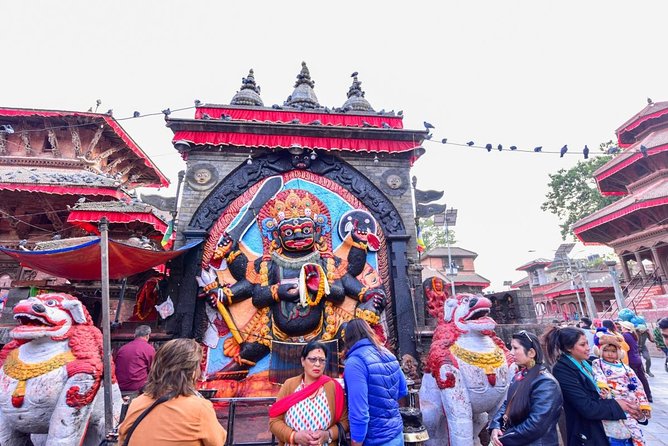
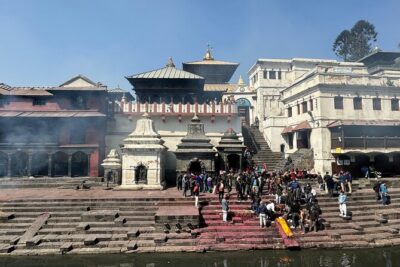
The tour also gives you a rare advantage: you can compare styles and beliefs in a single sweep. One stop shows Hindu temples and cremation traditions at Pashupatinath. The next shifts to Buddhist practice at Boudhanath. That side-by-side pacing is the kind of context that’s hard to piece together on your own in one day.
A few more Kathmandu tours and experiences worth a look
Picking the right pace: 7 sites vs 4

You have two options: all seven UNESCO World Heritage Sites for a packed, high-achievement day, or four key sites for a slower pace. Duration is listed as about 6 to 10 hours, so the “7 sites” choice will often feel closer to the longer end.
If you choose seven, you’re basically doing a greatest-hits route. That’s great if you want efficient sightseeing and you’re comfortable with frequent transitions. If you choose four, you’ll likely have more time to look closely at carvings, murals, and street-level details without feeling rushed.
Swayambhunath: the quick route to iconic temple views
Your day often begins at Swayambhunath, known for its hilltop feel and dramatic viewpoints over Kathmandu. This is a stop with real atmosphere. Even when you only have about 45 minutes, the setting does a lot of work for you.
Expect uneven steps and a climb. If you’re not a fan of stairs, plan to take it slow and use rest breaks as part of your sightseeing, not something you try to power through. Also, Swayambhunath’s entrance fee is listed separately, so you’ll either pay on the spot or choose the all-inclusive package that covers entrances.
Kathmandu Durbar Square: royal power made visible

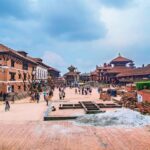
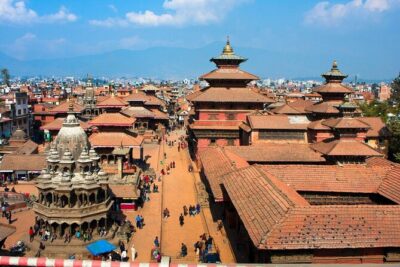
Next up is Kathmandu Durbar Square, a palace complex tied to the Malla kings and later the Shah dynasty. This is where Kathmandu’s old political identity is etched into stone. It’s not only about big buildings. It’s about the way courtyards, temples, and carved facades work together as a statement.
You’ll typically get around an hour here. That’s enough time to get your bearings, notice how different buildings face the same central spaces, and spot the craft details that don’t show up in photos. Entrance fees are listed separately, including Kathmandu Durbar Square at Nrs 1000 (about $9), so again, decide whether you’re paying as you go or using the all-inclusive option.
Patan Durbar Square: same concept, different artistry

After Kathmandu, you head to Patan Durbar Square, about an hour stop. Patan is often easier to enjoy at walking speed than the largest cities’ top sights, and the guide context matters because the place is full of small design choices that add up.
You’re looking for the “why” behind the art. The way windows, doorways, and temple roofs are carved isn’t random decoration. It’s a language. With an English-speaking guide, you’ll get more meaning out of what you see instead of just counting temples.
Entrance fees are listed separately for Patan Durbar Square as well (Nrs 1000, about $9). If you’re budgeting carefully, this is one of the sites that affects total cost quickly.

Pashupatinath Temple: the spiritual center and its rules

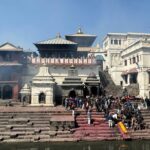
Pashupatinath Temple is one of the holiest Hindu pilgrimage sites in the world and a UNESCO World Heritage Site. This stop is about spiritual gravity. Even if you don’t follow Hinduism, you’ll feel how important this place is to local life and faith.
You’ll typically have about 45 minutes here. That can feel short if you stop to watch ceremonies, but it’s enough time to understand the layout and notice how worship and sacred pathways shape movement. Temple sites also come with expectations around respectful dress and behavior, so give yourself a little margin to adjust as needed.
An entrance fee is listed separately for Pashupatinath as Nrs 1000 (about $9). So it’s a key line item when you add up the day.
Boudhanath Stupa: Buddhist ritual in motion

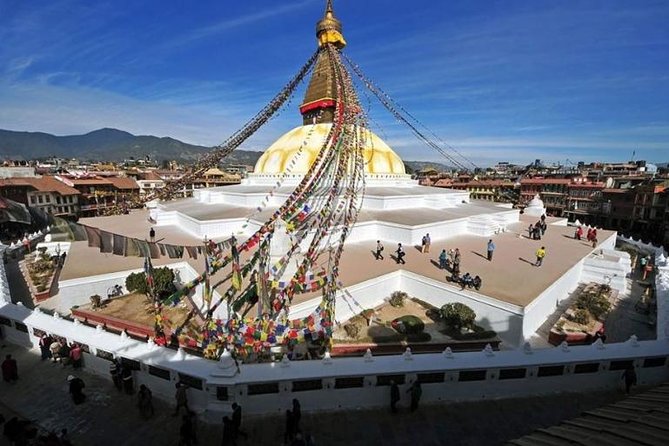
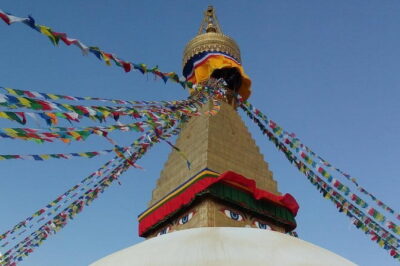
Then comes Boudhanath Stupa, one of the largest and most sacred Buddhist stupas. Approaching it is half the experience: the white dome and golden spire create an instant focal point.
This stop is listed at about 45 minutes, and it’s a great place to slow down. You can watch people move around the stupa in ritual patterns. The mood here feels different from Hindu temple areas, and seeing both in one day is one of the reasons this tour can feel so complete.
Boudhanath entrance is listed as $4 per person. It’s low compared to some other sites, but it still matters for budgeting.
Changunarayan: short stop, older temple energy

Your next stop is Changunarayan, described as the oldest Hindu temple still in use in the Kathmandu Valley and a UNESCO World Heritage Site. You’ll only have around 30 minutes.
That short timing is actually useful. Changunarayan is the kind of place where a quick, guided look at the temple history and location can make a big difference, without turning your day into a sprint. The entrance fee is listed as free, which is a nice break from the paid sites.
Bhaktapur Durbar Square: medieval streets and craft details
Finally, you end at Bhaktapur Durbar Square, an open-air museum of medieval art and architecture. This is a strong finish because Bhaktapur tends to feel more “intact” in the way you picture old Nepal. It’s a place where the details reward close looking.
You’ll get about an hour here. It’s long enough to wander beyond the main structures and notice the craft on buildings around you. Entrance fees are listed separately for Bhaktapur Durbar Square at Nrs 1800 (about $15). That’s one of the bigger expenses of the day, so it matters to your total plan.
Price and logistics: what $35 really means
The starting price is listed at $35 per person, and it’s often booked well in advance (about 107 days on average). That’s usually a sign the route is popular and runs consistently.
But the smart way to look at value is this: the headline price covers the vehicle, the guide, and covered fees like bottled water, parking fees, and government fees. It does not automatically cover site entrance charges unless you choose the all-inclusive option.
Here’s how the entrance costs are listed:
- Entry permit for all cultural sites: Nrs 5800 (about $45) for 7 sites, or Nrs 2600 (about $20) for 4 sites
- Swayambhunath Stupa: Nrs 200 (about $2)
- Kathmandu Durbar Square: Nrs 1000 (about $9)
- Patan Durbar Square: Nrs 1000 (about $9)
- Pashupatinath Temple: Nrs 1000 (about $9)
- Boudhanath Stupa: $4 per person
- Bhaktapur Durbar Square: Nrs 1800 (about $15)
- Changunarayan Temple: free
So, you’re making a decision. If you don’t choose all-inclusive, you’ll likely pay several site fees on the day. One practical reminder from guide-based experiences in this category: bring enough cash, since not all places are set up for card payments.
If you do choose all-inclusive, you’re buying a lower-friction day. It can feel worth it if you hate juggling payments mid-sightseeing or if you want lunch handled too. (Lunch is listed as included under the all-inclusive option.)
Your guide experience, and why it changes the day
This kind of tour rises or falls on the guide. The provided feedback highlights that Suresh is both professional and personal. He’s known for excellent English and local knowledge that connects buildings to Nepal’s cultural context. That matters because Kathmandu’s heritage can look similar at first glance. A good guide helps you see the differences.
Also, because the tour includes live guidance all day, you’re not just getting directions. You’re getting explanations at the moments when your eyes are already on the details. That’s when it sticks.
Timing, walking, and comfort: the stuff that affects enjoyment
The duration is listed as 6 to 10 hours. That’s a wide range, which usually means the day length depends on the number of sites you choose and how quickly the group moves through each location.
You should plan for:
- A mix of walking and stair climbing, especially around hilltop and temple areas
- Crowds during peak times at major UNESCO sites
- Quick transitions between areas, even with an air-conditioned private vehicle
The good news is the tour provides bottled water, and pickup and drop-off are included. That reduces the stress factor, especially if you’re not staying near public transport lines.
Weather and how to prepare like a local
This experience requires good weather. Kathmandu in good weather is a gift because viewpoints and outdoor courtyards become the main event. If clouds or rain roll in, it can change the feel and sometimes the schedule.
Your best preparation is simple: wear comfortable shoes, bring a light layer for changing temperatures, and keep a small amount of cash accessible. If you’re going in sandals, reconsider. You’ll likely want grip for steps and uneven stone.
Who this tour is best for
This is a strong match if:
- You want a single-day way to cover major Kathmandu heritage highlights
- You appreciate guided explanations, not just sightseeing snapshots
- You’re okay with a structured route and short to medium time at each stop
- You want the cultural and spiritual contrast of Hindu and Buddhist sites in one day
It might not be your best fit if:
- You hate walking and stair climbs
- You want long, unhurried time at each monument
- You don’t want to think about entrance payments and cash
Should you book the Kathmandu Full Day Tour?
Yes, if you want an efficient, guided route that takes the stress out of navigating Kathmandu’s top UNESCO areas. The combination of pickup, an English-speaking guide, and a clear set of sacred stops makes it a solid value when you balance the entrance fees.
I’d book it sooner rather than later if your schedule is tight, because availability tends to be planned well ahead. And I’d choose the all-inclusive option if you want fewer payment hassles and you value having lunch handled.
If you like to wander on your own and you want slow museum-style time, consider the four-site option. It keeps the magic, without trying to do everything at full speed.
FAQ
What does the Kathmandu Full Day Tour include?
The tour includes pickup and drop-off by air-conditioned private luxury vehicle, an English-speaking professional live tour guide, bottled water, parking fees, and government fees. There is also an all-inclusive option that includes entrance ticket fees and lunch.
Are entrance fees included in the price?
Entrance fees are not included by default. The tour lists separate entrance fees for several sites, and it also offers an all-inclusive option that includes entrance ticket fees and lunch.
How much is the entry permit for cultural sites?
The entry permit for all cultural sites is listed as Nrs 5800 (about $45) for 7 sites, or Nrs 2600 (about $20) for 4 sites.
Which UNESCO sites are visited?
The seven-site version includes Swayambhunath, Kathmandu Durbar Square, Patan Durbar Square, Pashupatinath Temple, Boudhanath Stupa, Changunarayan Temple, and Bhaktapur Durbar Square.
Is lunch included?
Lunch is included only with the all-inclusive option. The standard listing does not include lunch.
How long is the tour?
The tour duration is listed as approximately 6 to 10 hours.
Is pickup available?
Yes. Pickup and drop-off are included, using an air-conditioned private vehicle.
Do I need cash for the day?
You should plan for entrance fees, and it can help to bring enough cash for site payments since fees are listed per location. The tour also offers an all-inclusive option if you prefer fewer on-the-spot payments.
What is the cancellation policy?
Free cancellation is available up to 24 hours in advance for a full refund. If you cancel less than 24 hours before the start time, the amount paid is not refunded.
What happens if weather is poor?
This experience requires good weather. If it is canceled due to poor weather, you’ll be offered a different date or a full refund.
More Full-Day in Kathmandu
More Tours in Kathmandu
More Tour Reviews in Kathmandu
Not for you? Here's more nearby things to do in Kathmandu we have reviewed


Full-Day, compared.
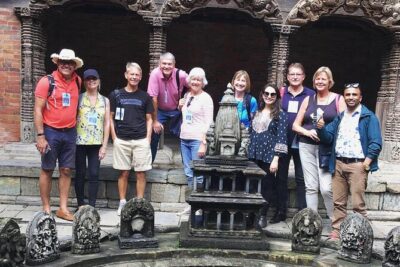 ★ 5.0Full Day 7 UNESCO Tour with Lunch – Private/GroupFrom $10415 reviews
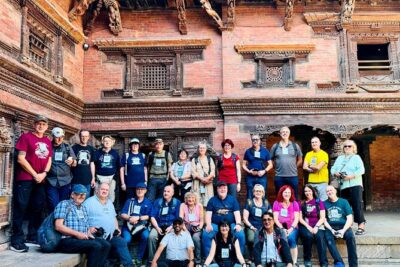 ★ 5.0Full Day Top 4 UNESCO Tour with Lunch – Private/GroupFrom $10269 reviews
★ 4.9Full-Day 7 UNESCO Tour with Lunch – Private/GroupFrom $5247 reviews
★ 5.0Full Day 7 UNESCO Tour with Lunch – Private/GroupFrom $5101 reviews
★ 5.0Full Day Top 4 UNESCO Tour with Lunch – Private/GroupFrom $10269 reviews
★ 4.9Full-Day 7 UNESCO Tour with Lunch – Private/GroupFrom $5247 reviews
★ 5.0Full Day 7 UNESCO Tour with Lunch – Private/GroupFrom $5101 reviews
 ★ 5.0Full Day Private Top 4 UNESCO Heritage Tour W/Lunch.From $1086 reviews
★ 5.0Full Day Top 4 UNESCO Tour with Lunch – Private/GroupFrom $567 reviews
★ 5.0Full Day Private Top 4 UNESCO Heritage Tour W/Lunch.From $1086 reviews
★ 5.0Full Day Top 4 UNESCO Tour with Lunch – Private/GroupFrom $567 reviews
 ★ 5.0Kathmandu Heritage Tour (Full Day)From $3863 reviews
 ★ 5.0Full Day Guided Tour in KathmanduFrom $561 reviews