
REVIEW · CYCLING TOURS
Kathmandu and Surrounding Full-Day Mountain Biking Tour
Riding the Kathmandu rim feels like a reset button. You bike ridge-top routes around the valley bowl on quiet dirt roads, with views of big-name Himalayan peaks and plenty of village life along the way. I especially like the way you’re not just stuck in traffic, you’re actually riding country tracks with temples and fields, and I also like that the guide can set you up with a route that matches your comfort level, from easy downhill fun to tougher technical stretches.
One heads-up: many routes require focused riding, and you may have to deal with crowded city streets at the start and finish to reach the farmland hills. If you can’t ride reliably, you’ll feel it fast, and the tour also isn’t for kids under 13, people over 110 kg, or anyone with pre-existing medical conditions.
Key Tour Takeaways Before You Commit
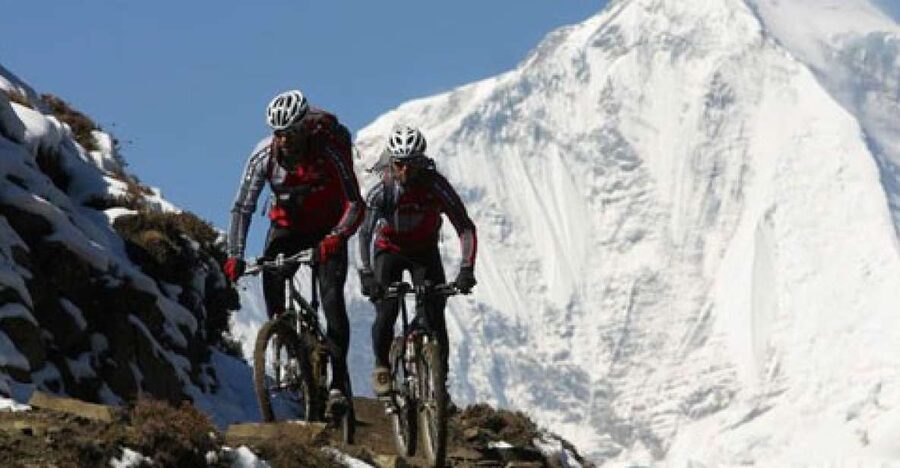
Rim riding on dirt roads keeps the experience feeling rural without needing a multi-day trek
Route grades are built around your skills, from an easy 19-mile loop to hard technical options
Himalaya panoramas are the reward, with views of peaks up to Everest range on clear days
You meet local communities along the way in Newar and Tamang villages
Technical jungle sections demand attention, especially on narrower, more exposed stretches
Equipment and support are part of the value, with a guide, bike, helmet, gloves, and repair kit
First Pedal: Leaving Thamel and Finding the Valley Rim
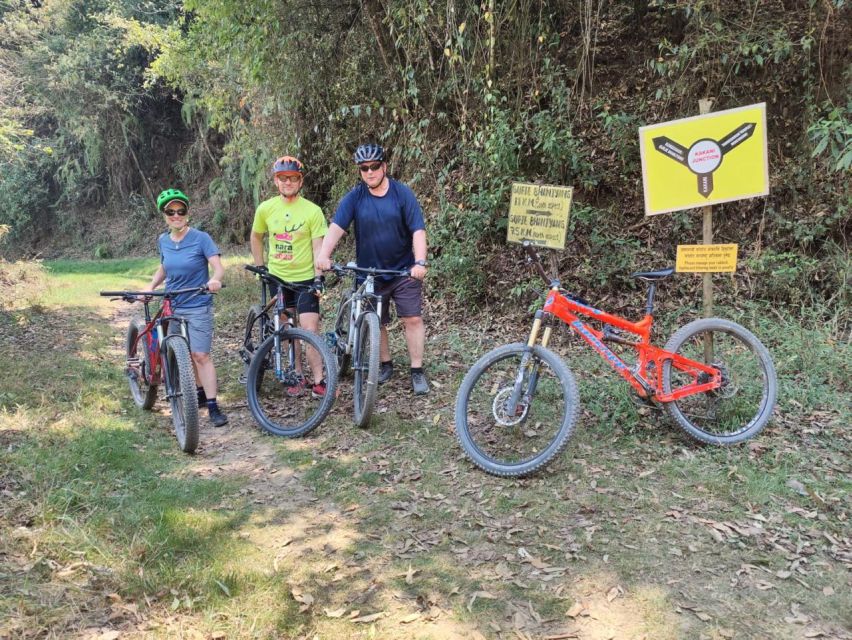
If you’re starting in Thamel, you’re already close to the action in Kathmandu. This tour keeps that convenience, with pickup from hotels in and around Thamel, and it brings you out of the denser streets into the riding zone where the valley starts to feel bigger. You head into the Kathmandu Valley rim area via climbs and connection roads, then spend your time biking through wooded slopes, rural farms, small temples, and the kinds of village lanes you rarely see from the road.
I like that the day is structured in a straightforward way. You pick up at Thamel, you’re on the bike for a core riding block listed at about 3.5 hours, and you return to Thamel at the end of the day. That matters if you’re trying to keep your Kathmandu schedule clean, and it also makes planning easier if you have dinner reservations, a taxi waiting, or another short outing.
You can also read our reviews of more cycling tours in Kathmandu


Route Choice: Tolkha for Beginners, Scar Road for Skill Tests
The biggest decision here is which route you pick. The tour offers multiple loops around the valley, and each one changes the vibe from quiet cruising to near-race-condition descents.
Kathmandu to Tolkha and Back (Easy)
This is the beginner-friendly option, about 19 miles (32 km). You start with an easy climb away from Kathmandu, then enjoy a downhill return through typical villages and farms. The description also flags that there are chances to test your skills on single-track sections. That’s a great compromise route if you want to feel dirt-bike terrain without committing to sustained technical exposure.
You also stop at the ancient temple at Tolkha for a picnic lunch. Even if you’re not a temple-hunter, it’s a practical break and a nice change of pace from riding. If you want a first taste of Kathmandu-area mountain biking, this is usually the safest bet.
Kathmandu to Jamcho and Back (Difficult)
This option is about 27 miles (45 km) and more of a fitness test. The ride takes you up through National Park jungle, and you’re rewarded with a “rough-and-ready” descent that suits hardcore mountain bikers. Time is listed at 3-4 hours, which gives you a better sense of how hard you’ll work compared with the shorter easy loop.
If your goal is progression, this route makes sense. You’ll learn what it feels like when you have to manage effort on climbing jungle terrain, then ride out confidence on a descent that’s less forgiving.
Kathmandu Scar Road Loop (Difficult, the famous hard one)
This is the one with the biggest reputation and the steepest mental focus. You start with a 20.5-mile (34 km) climb along a winding paved road toward Trishuli and the heart of Langtang. Once at the top, you go off-road and tackle the last 3-mile (5 km) steep section for Himalayan views on clear days.
Then comes the technical part inside the national park, where the trail becomes narrow and you ride with a cliff drop on one side. You can also expect fast downhill stretches, but the key advice is simple: keep your eyes on the trail, not the mountains. In other words, treat the views as a gift you earn after you’ve ridden the tricky parts safely.
One more cost detail for this route: private transport to Kakani with bikes is extra, and the Shivapur National Park fee is personal and bike cost extra. That can change the true all-in value, so ask before you choose if you’re trying to keep the day tight on budget.
A few more Kathmandu tours and experiences worth a look
Chobar to Lele to Godwari and Back (Intermediate-leaning, labeled Difficult)
This longer ride is about 28 miles (47 km) and runs through the southern end of the Kathmandu Valley. It mixes jeep tracks, country roads, and trails, with undulating riding through countryside and small villages of the Newar and Tamang people. Then you get a sharp ascent to Dhanda, where the Kathmandu Valley views open up.
There’s also an option at the downhill stage: a challenging single track or a switch-back jeep track to get down. If you like flexibility, this is a route where your skill can shape how spicy it feels.
What the Ride Feels Like: Dirt Tracks, Single Track, and Jungle Attention
Across all options, the core promise is consistent: bike your way around the valley rim on quiet dirt roads, with technical sections that can be optional depending on the route.
On the ground, that usually means a few different kinds of effort:
- Sustained climbing on dirt or paved connection roads, especially on the harder loops
- Short bursts of single track that reward balance and braking control
- Technical downhill stretches where timing matters more than power
On the Scar Road option, the narrow trail and cliff-side exposure make it less about showing off and more about staying calm. If you get visually distracted, you’ll feel it. The best approach is to treat the terrain like a checklist: line choice first, speed second, views last.
On the easier Tolkha loop, the downhill through villages and farms is the point. You’ll still encounter dirt, but it’s designed to help you build confidence rather than punish mistakes.
Village Life and Temple Stops: Why This Tour Is More Than Riding
The biking here is the main event, but the route details give it real texture. You’re not just pedaling for mileage. You pass small temples and rural communities, and the tour is specifically geared to connect you with Newar and Tamang people.
On the Tolkha version, the ancient temple stop comes with a picnic lunch. That’s useful because it gives you a calm pause in the day, and it also turns the ride into a cultural moment rather than a quick fuel stop. On the longer southern routes, you’ll ride through countryside where the village lanes and farm edges are the “stage,” especially as you move through areas associated with Newar and Tamang communities.
I also found it meaningful that the route design naturally slows you down. Dirt roads and village lanes force you to notice things you’d otherwise miss from a car. The town edge fades, and you’re in the countryside rhythm.
The Best Panoramic Reward: Himalayan Giants on Clear Days
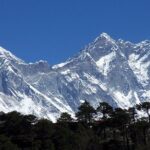
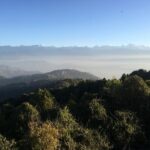
The views are a major selling point, and the tour is explicit about it. You can get panoramic views of Himalayan giants, with peaks mentioned including Manaslu, Langtang, Dorji Lakpa, and the range up to Everest on clear days.
Here’s the practical angle. Those peaks are big, but your real success in seeing them depends on timing, weather, and riding focus. Routes that climb first are your best shot, because you’re gaining altitude before the best viewing windows. The Scar Road route is especially built around that idea, with a long paved climb followed by an off-road steep section at the top for views.
Just remember the safety emphasis on technical sections. Keep your attention on the trail when things get narrow or steep, then enjoy the peaks when you’re stopped or in cleaner terrain.
Sunil and the Human Side: Guides Who Match Your Level
One of the most praised parts of this tour is the guide’s ability to adjust to your skills. I like tours where the guide isn’t just leading a fixed route, but actively shaping how you experience it.
A name that shows up in the tour’s guide feedback is Sunil. The style described is practical and responsive, including helping you ride within your comfort level and making sure you get great views from appropriate spots without rushing the technical parts. There’s also a note that you should expect to start and end by dealing with busy city streets to reach the farmland hills. In that moment, a good guide helps you settle in, rather than treating the traffic portion like an awkward interruption.
You also get mechanical support built in: there are mechanical facilities, plus the bike comes with a repair kit. Combined with a guide who can adjust pace and advice, that’s a big confidence boost if you’ve never ridden this kind of route before.
Included Gear and Support: What’s Provided, What’s Not
The tour includes the essentials that matter for safety and sanity. You’ll get:
- A mountain bike
- Helmet and gloves
- A repair kit
- An experienced cycling guide
- Mechanical facilities
- A packed lunch
- Necessary paper work, service charge, and government taxes
English support is strong: the live guide speaks English, French, and German, and there’s an audio guide in English too. That helps if you want guidance but also prefer to navigate at your own pace when you’re not actively riding.
What’s not included matters for budgeting and expectations:
- Emergency rescue evacuation is not included
- Personal accident insurance or rescue is not included
- Park or monuments entry fees are not included in general
- If you choose the Scar Road option, extra costs may apply for private transport to Kakani with bikes, plus Shivapur National Park fees for you and the bike
If you’re the type who hates surprises, ask about those extra route-based fees before you lock it in.
Price Value: Why $80 Can Still Be a Good Deal
At $80 per person, the value comes from the bundle. You’re paying for a guided day, a bike, protective gear (helmet and gloves), a repair kit, and a packed lunch. Add in the fact that you’re also getting access to route options that range from beginner-friendly to genuinely technical, and you start to see where the money goes.
If you were to DIY this in Kathmandu, you’d spend time figuring out routes, renting a proper bike, arranging safe connections, and solving the “what if something goes wrong” problem. Here, the tour is built to handle those basics for you, which is especially valuable in a place where you don’t want to waste half a day on logistics.
That said, value depends on your chosen route. If you pick Scar Road, route-specific extra fees can raise your all-in cost. The smooth move is to compare the route total you’d pay, not just the base $80.
Who This Tour Fits Best (and Who Should Skip It)
This isn’t a “casual stroll bike.” It’s real mountain biking around Kathmandu, with options that include technical sections and, on harder routes, narrow trail riding with cliff-side exposure.
It suits you best if you:
- Can already ride a bike confidently
- Want active sightseeing, not just views from a car
- Like dirt roads and can handle changing terrain
- Prefer a guided day with support and equipment ready to go
It’s not for you if:
- You’re under 13 or you’re over 70
- You weigh over 110 kg (243 lbs)
- You can’t ride a bike
- You have pre-existing medical conditions that could be affected by riding demands
- You’re looking for something fully non-technical or low-focus
Also, keep your expectations aligned with safety. On technical routes, you need to pay attention. The mountains are gorgeous, but your feet and brakes are the priority.
Should You Book This Kathmandu Valley Rim Ride?
I’d book it if you want an authentic Kathmandu experience that blends physical effort with real countryside and village moments. The route variety is the big advantage: you can match the day to your ability, from a Tolkha beginner ride with a temple lunch to a Scar Road challenge built around long climbs and technical downhills.
I wouldn’t book it if you’re chasing a relaxed, scenic ride with minimal attention required. City street segments at the start and finish are part of how you reach the farmland hills, and some routes include technical narrow trail sections where you must ride your line.
If you do book, pick the route honestly. Your best day is the one where you enjoy the views because you’re still riding confidently, not because you forced speed on terrain that deserved respect.
FAQ
What’s the duration of the Kathmandu and Surrounding Full-Day Mountain Biking Tour?
The tour is listed as 1 day, and the cycling portion is shown as about 3.5 hours. Starting times depend on availability.
Where do you get picked up?
Pickup is included from hotels in and around the Thamel district of Kathmandu, with Thamel as the main pickup location.
What cycling routes and difficulty levels are available?
You can choose among several options: an easy 19-mile (32 km) ride to Tolkha and back, a difficult 27-mile (45 km) ride via Jamcho through National Park jungle, a difficult 37-mile (62 km) Scar Road loop, and a difficult 28-mile (47 km) ride via Chobar, Lele, and Godwari.
Is a bike and safety gear included?
Yes. The tour includes a mountain bike plus a helmet and gloves, along with a repair kit and mechanical facilities.
Are park or monuments entry fees included?
No. Park or monuments entry fees are not included. For the Scar Road route specifically, private transport to Kakani with bikes and the Shivapur National Park fee are extra.
What languages are the tour guide and audio support?
The live tour guide is available in English, French, and German, and the audio guide is included in English.
More Cycling Tours in Kathmandu
More Tours in Kathmandu

More Tour Reviews in Kathmandu

Not for you? Here's more nearby things to do in Kathmandu we have reviewed


Cycling Tours, compared.
 ★ 5.0Cycling Tour in Kathmandu – Day TourFrom $1505 reviews
 ★ 5.0Mountain Bike TourFrom $1203 reviews
Kathmandu Bike Tour: Patan Heritage & Newari Food by BikeFrom $283 reviews
Extreme Mountain Biking Day TourFrom $1653 reviews
★ 5.0Mountain Bike TourFrom $1203 reviews
Kathmandu Bike Tour: Patan Heritage & Newari Food by BikeFrom $283 reviews
Extreme Mountain Biking Day TourFrom $1653 reviews
Browse the lists this tour appears in