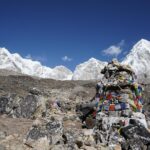
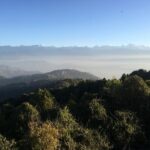
REVIEW · KATHMANDU
Jeep Trip to Upper Mustang
Red-dust roads, ancient walls, no trekking grind.
This Upper Mustang Jeep trip is a smart way to reach the Kingdom of Mustang without spending your days hiking, while still getting monastery stops, Tibetan-style villages, and big Himalayan views along the way. I like that the route is built around practical driving days, plus overnight stays in comfortable lodges or guesthouses so you’re not living out of a backpack.
Two things I also really like: the trip setup handles the paperwork (including the Upper Mustang restricted-area permit), and it keeps you fed with breakfast plus set lunches and dinners on the main route. The one drawback to factor in is that you are riding and flying through a region that is weather dependent, so conditions can change your pace and you should keep expectations flexible.
Key highlights you should notice first

- Restricted-area permit included so you do not have to juggle forms at the last minute
- Lo Manthang city visit with narrow lanes and traditional Tibetan architecture
- Kagbeni and monastery stops that show daily life beyond the postcard spots
- 4WD travel with off-road sections after Beni, plus time to breathe in the terrain
- Jomsom market time and a return plan that includes flying back toward Pokhara
- Strong on-the-ground management linked with Thakur’s team and driver support (names like Shailesh appear)
Why Jeep travel makes Upper Mustang feel different
Upper Mustang is the kind of place where slow travel usually wins, but trekking is not the only way to experience it. A 4×4 jeep plan cuts down the number of trekking days you’d otherwise face, while still putting you in the middle of arid valleys, Tibetan villages, and monastery complexes.
The driving is not smooth-city driving. You’ll be on a mix of road surfaces, including off-road time after Beni, and you should expect a bumpy ride through windswept terrain. The trade is worth it for me if you want the culture and the views, without the daily grind of long foot travel.
Another plus is that you still get structured stops. This matters in Upper Mustang, because a lot of what you’re seeing is small and specific, like cave sites and monastic areas. With a vehicle itinerary, you spend less time guessing and more time actually looking at what’s around you.
You can also read our reviews of more tours and experiences in Kathmandu.
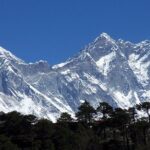
Permits and paperwork, handled the useful way

Upper Mustang is restricted, and permits are not optional. The good part here is that the trip includes the Upper Mustang restricted-area permit fee of 500 US$, plus the Annapurna conservation area permit and the TIMS card.
That inclusion changes the feeling of the trip. It means less stress when you reach the Mustang entry checks, and it reduces the chance of last-minute surprises. In the flow of the journey, the permit checking step is even built into your movement, so you’re not left standing around wondering what comes next.
The practical tip for you: keep your passport details clean and double-check that your name matches your passport. Even when permits are handled, small name mismatches can still create delays.
Kathmandu Valley days: get oriented, then head west
Your trip starts in Kathmandu with airport transfers by private vehicle, then a meeting in the evening about the program. You also get hotel nights in Kathmandu with breakfast included, which is a comfort win on Day 1 because jet lag loves to steal your best energy.
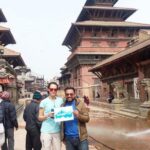
The Kathmandu sightseeing days are solid and classic. You’ll visit Swayambhunath (a UNESCO heritage site), plus Patan Durbar Square, then transfer and see Pashupatinath Temple and Boudhanath Stupa. These stops matter because they give you context for the broader religious landscape you’ll see later in Mustang, where Tibetan Buddhist culture is preserved in a way that feels distinct.
One consideration: admission tickets for some Kathmandu sites are not included, so you should budget a bit extra if you care about entering every listed area.
The Pokhara connection and the build-up through the Kali Gandaki

Before Mustang, you get a transition day from Kathmandu to Pokhara. The drive includes countryside views, rivers, villages, and mountain scenery. That day is not about ticking boxes. It’s about letting the trip change rhythm, so by the time you’re facing rougher terrain later, you’re not mentally shocked.
From Pokhara, the route turns west toward Mustang. The important detail is that after reaching Beni, the road becomes off-road. The Kali Gandaki River corridor is part of this setup, and that helps explain why the journey feels like a long, physical move into a harsher world rather than a quick transfer.
In practical terms, this is where you should set your comfort expectations. If you’re prone to motion discomfort, plan for it. If you’re the type who takes photos from every window, you’ll love the repeated opportunities to stop and look at the river valley and the surrounding terrain.
Marpha, Kagbeni, and the culture stops that feel real

Once you’re heading deeper into Mustang, the trip makes a few key stops that add texture beyond scenery.
Marpha is one of the early highlights. You’ll pass through local villages like Kalopani and Ghasa, then explore apple farming in Marpha, plus the Jomsom local market area. This is a good segment if you want to see how daily life works in a high, dry region. Apples are a clue that agriculture exists here, not just stone and sand.
Then comes Kagbeni, which is more than a transit point. You’ll visit Kagbeni Monastery and a Buddhist school. There’s also a clear moment where your guide checks in your special Upper Mustang permit before moving on. That sequencing matters because it underlines how the region’s rules shape movement.
One practical note: monastery and cave stops tend to involve walking on uneven ground. Even if you’re not trekking, wear shoes you trust.
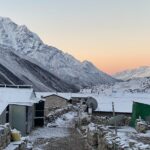
Lo Manthang: the walled city day that you’ll remember

Lo Manthang is the big cultural target for most people, and it’s not treated like a quick photo stop. The plan includes exploring the city, described as a walled city with narrow alleys and traditional architecture.
Why this works: Lo Manthang is dense. If you arrive without structure, you can end up wandering. With guided timing, you can focus on what to look for, like the way the streets fold into each other and how Tibetan customs continue through everyday life.
You’ll also see multiple monastery-related stops around this area. The plan references visiting sites such as Jampa Gompa, described as the oldest monastery built in the area you’ll reach, and also includes visiting Lo Gager Ghar Gompa and Charang monastery. There’s also time for Namgyal gompa later on, plus sky caves of Chhoser and Shija Jhongs (spelled in the plan as ShIJA JHONG cave), described as dating back over 3,000 years and subject to excavation by archaeologists.
The caves are worth treating like a bonus layer. If monasteries are about living tradition, caves are about how long people have been here, and how the region holds evidence in unusual places.
Cave stops, caves, caves: Chhoser and Shija Jhong

Upper Mustang has an archaeology-and-faith vibe, and the cave stops are a major reason. You’ll have time for the sky caves of Chhoser, and the plan also lists the Shija Jhongs cave complex with very old dating and excavation activity.
Even without knowing every technical detail, you’ll likely feel the difference. These stops are not just scenery. They’re specific places with a long timeline.
What to watch for: caves often mean cooler air and different footing. Bring a light layer you can handle, and keep water and snacks in mind when you’re away from meal stops. The tour includes meals on the main route, but cave visits can still take time.
Jomsom, markets, and the return route toward Pokhara

After the Lo Manthang area exploration, the trip brings you back toward Jomsom with driving through local villages along the Kali Gandaki River corridor, plus monasteries and Buddhist stupas on the way. Jomsom is where you get a more town-like feel, including evening time to explore the local market.
This matters for pacing. After several monastery and cave-focused days, a market area helps you reset your senses. It’s also where you can buy small souvenirs, snack items, and practical travel supplies if you need them.
The return plan includes flying back to Pokhara on an early-morning day, then Pokhara sightseeing in the afternoon. After that, the trip includes a longer drive day toward Kathmandu and a free rest period in Thamel, where you can shop and handle anything you missed.
One consideration: flying back can be great for saving time, but it also means your schedule is more sensitive to weather. The trip is explicitly described as requiring good weather, so keep flexibility and travel insurance in mind.
Tatopani and why a hot springs stop helps
There’s a stop at Tatopani, described as a day with early morning flight back to Pokhara and afternoon sightseeing, plus another day that includes drive time and meals with 4WD vehicles. Tatopani itself is referenced in the trip flow, and it’s commonly associated with hot springs, which can be a welcome break after bumpy road days.
I like this idea because Mustang travel can be physically demanding even without trekking. A warm soak day can reduce the feeling of travel soreness, and it’s also a mental break between heavier sightseeing blocks.
Because the provided details on Tatopani are limited, I’d treat it as a relaxing add-on rather than a single must-see attraction with guaranteed conditions.
Value and price: what $2,200 really buys you
At $2,200 per person, this is not a budget impulse trip. But it is priced like a trip that includes the expensive pieces people often forget about, especially Upper Mustang access.
What you get included is meaningful:
- Upper Mustang restricted-area permit fee (500 US$)
- Annapurna conservation area permit and TIMS card
- Transfers in Kathmandu and around your start and end days
- Kathmandu sightseeing with a professional English-speaking tour guide
- Meals on the main route (breakfast counts as provided, plus lunch and dinner counts as provided)
- Taxes and government/local fees
- Medical supplies in the form of a first aid kit
What you do not get:
- Lunch and dinner in Kathmandu and Pokhara
- Beverages, alcoholic drinks, mineral water, and boiled water during travel segments
- Personal gear and expenses
- Tips
So the value question comes down to this: are you buying convenience, management, and access, not just seats in a jeep? For many people, the answer is yes. The permit costs and the structured routing through restricted territory are the big reasons.
My practical tip: budget for snacks and drinks along the way, and plan on paying extra for meals only during the Kathmandu and Pokhara days that are listed as not included.
Comfort on rough roads: what to pack and how to stay sane
Even on a jeep tour, you’re moving through off-road sections and wind-exposed terrain. A bumpy ride is part of the deal, so your comfort depends heavily on what you bring.
Pack for dust. Bring layers for temperature swings, especially if you’re sensitive to cold in mornings or evenings. You’re in monasteries and cave areas too, so comfortable shoes with decent grip are a must.
For gear, the trip notes personal expenses and gear are not included. That’s normal, but it’s a reminder that you should bring your own essentials like sunscreen, a reusable water bottle, and any medication you take regularly.
If you are prone to altitude-related discomfort, the provided data does not mention medical support beyond a first aid kit. So I suggest asking your doctor if you have concerns before you go.
Who this Jeep trip is perfect for
This trip fits best if you:
- Want Upper Mustang culture without trekking days
- Prefer a structured route with permits handled and stops built in
- Like monastery and city exploring, plus a mix of markets and viewpoints
- Appreciate comfortable lodges or guesthouses rather than rough camping
It might not fit if you:
- Want a totally flexible, DIY pace
- Hate any off-road rough riding
- Need a travel plan with minimal schedule sensitivity to weather
Also, the trip is described as private for your group, with group discounts available. That can be a great sweet spot if you travel with friends and want your own dynamic.
Should you book this Upper Mustang Jeep tour?
If you want the Kingdom of Mustang without trekking, I think this is a strong choice. It covers the permit math, strings together Kathmandu and Pokhara so the westward change makes sense, and it places real attention on Lo Manthang and monastic sites instead of treating them as quick stops.
My booking recommendation hinges on one thing: your willingness to handle bumpy travel and a weather-dependent region. If you can travel with flexibility, this tour offers a practical way to see Upper Mustang in comfort, with good management and the kind of cultural stops that actually stay with you.
FAQ
How long is the Upper Mustang Jeep trip?
The duration is listed as 14 days approximately.
Where does the trip start and how do you end it?
It starts at Tribhuvan Airport in Kathmandu, Nepal, and you are dropped to the international airport by private tourist vehicle at the end.
Is airport pickup or transfers included?
Yes. International and domestic airport transfers as per the itinerary are included, and pickup is offered.
What permits are included in the price?
The trip includes the Upper Mustang restricted area permit fee (500 US$), plus the Annapurna conservation area permit and the TIMS card.
What meals are included?
Breakfast is included (13 breakfasts listed). Lunch and dinner are included for 10 days each, but lunch and dinner in Kathmandu and Pokhara are not included.
What kind of vehicle do you use for the Mustang part?
The route includes 4WD vehicle travel. The plan references 4WD Land Cruiser or Mahindra Scorpio in the driving sections.
Do you fly at any point?
Yes. The plan includes an early morning flight back to Pokhara on Day 11.
What does the $2,200 per person price include?
It includes transfers, Kathmandu sightseeing with a professional English-speaking tour guide, permit fees, taxes, a first aid kit, and the listed meals.
Is this a private tour or shared group?
It is described as a private tour/activity, and only your group will participate. Group discounts are also mentioned.
What is the main weather and cancellation rule to know?
The experience requires good weather. You can cancel up to 6 days in advance for a full refund, 2 to 6 days for a 50 percent refund, and within 2 days is listed as no refund.