
REVIEW · TICKETS
Full Day Ticket Access around Kathmandu Valley
Four holy stops, one focused Kathmandu day. This guided circuit is built for comfort and clarity, with private transportation and an English cultural guide to connect the dots between Nepal’s major spiritual sites.
I especially love how the day moves in a sensible order, so you can compare Buddhist and Hindu Kathmandu without feeling rushed. I also like that the guide, Manish, brings religion and local tradition to life with energy, not just facts.
One consideration: entry fees are not included, and the day’s listed duration assumes you’ll also have time for walking, stairs, and typical temple crowds. Also, the experience needs good weather, so plan for an adjustment if skies turn.
Key Highlights You’ll Actually Notice
- Private transportation between sites cuts down on the chaos you’d face on your own.
- English in-person guidance plus English audio support helps you follow what you’re seeing.
- A tight circuit of Swayambhu, Patan Durbar Square, Boudhanath, and Pashupatinath covers Buddhist and Hindu sacred space in one day.
- Manish’s explanations of culture and religion are a big reason this tour earns top scores.
- Four major landmarks in about 7 hours starting at 9:30 am, so you still have time for your own Kathmandu wandering afterward.
Entering The Kathmandu Valley Circuit at 9:30 AM
This is a true full-day plan, with a 9:30 am start time and about 7 hours on the clock. You get pickup offered, and you travel by private transportation, which matters in Kathmandu because transfers can eat your day if you are piecing things together.
What makes this format useful is focus. Instead of hopping around randomly, you move from one “world” to the next, Buddhist hill shrine to Newar craft city to Tibetan stupa to riverbank temple. That gives your brain a framework, and you come away with an eastern picture of Nepal’s living faiths.
And yes, there is walking at each stop. Expect temple steps, uneven ground, and slow moments where you stand back and watch worship. Wear something you can move in, bring water, and keep your hands free for cameras and small offerings.
A few more Kathmandu tours and experiences worth a look


Swoyambhunath Monkey Temple: Stupa Views and Hill Atmosphere
Your morning begins at Swoyambhu Mahachaitya, better known as Swayambhunath, often called the Monkey Temple. The big draw here is the setting: the stupa sits on a forested hill, so you get that “arrived at something sacred” feeling as you climb in.
Swayambhunath is described as a very old Buddhist site, with the stupa shaped for devotion and attention. When you’re up on that hill, the scale helps you understand why this is such a focus point for Nepali Buddhism. You’re not just looking at a building, you’re walking into a place that has been central for a very long time.
Practical tips that will make a difference:
- Start your day with your energy intact. The hill approach and stairs can be tiring if you are not used to it.
- Dress respectfully. You’ll be in sacred space, and that means covered shoulders and neat clothing goes a long way.
- Keep an eye on footing. There can be slick patches near temple areas, especially when mornings are humid.
The only “downside” of choosing Swoyambhunath first is that the climb tends to be freshest in the morning, but it is also when crowds are most active. If you like photos with less hustle, you may need a minute to step aside and wait for a lull.
Patan Durbar Square: Newar Craft Skills in a Compact Plaza
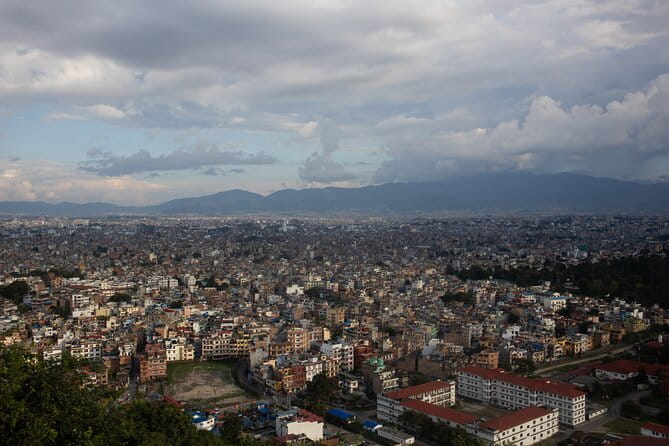
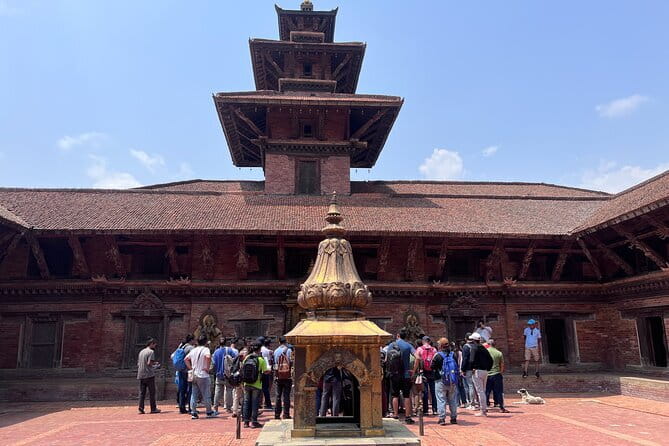
Next is Patan Durbar Square, a World Heritage Site, and the mood changes fast. You cross the Bagmati River into Patan, which feels like entering the ancient Newar kingdom rather than just visiting a random landmark.
This stop is special because it is compact. Within one plaza area, you get a sense of how Patan has long been known for metal-casting and wood-carving guilds. In other words, you see a living craft tradition tied to religious and civic life, not just decorative stonework.
What I like about this kind of city-square visit is how it teaches you to look. You’ll notice details that connect people, tools, and faith. Even if you only spend about 2 hours, you can still spot why Newar artisanship is such a big deal in the valley.
A balanced note: Patan Durbar Square is not “relax and stroll” time. It is a layered place, and it can feel busy because there’s always someone filming, offering, or simply moving through the square. Let your guide set the pace, and don’t try to sprint to every corner.
Boudhanath Stupa and the Tibetan Kora Walk
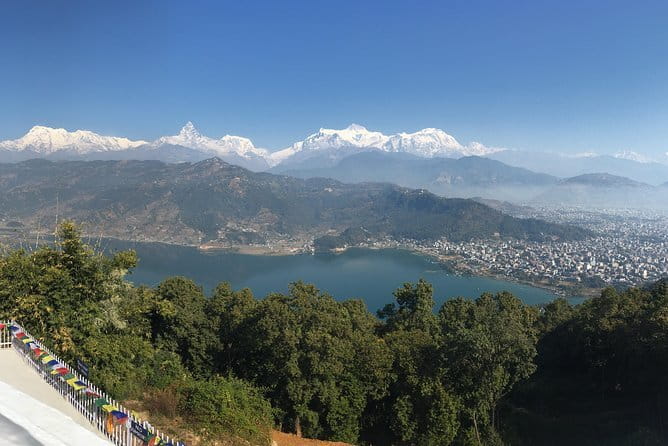
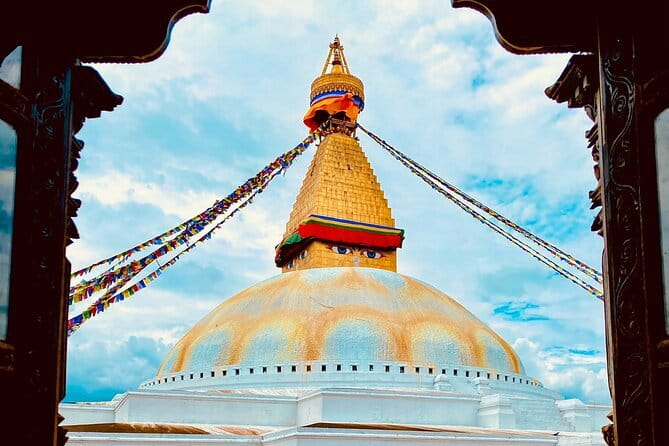
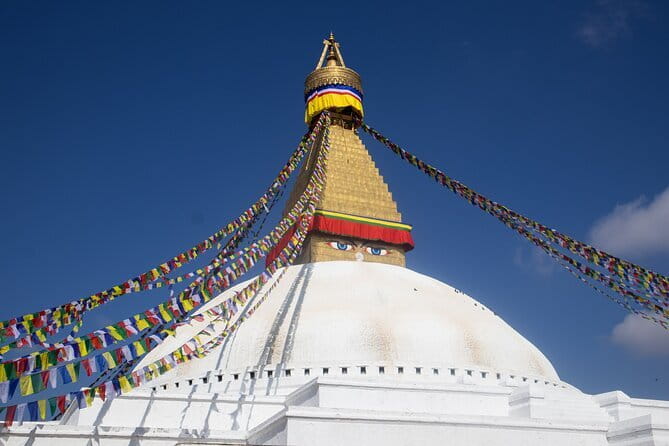
After Patan, you head to Boudhanath Stupa, one of the world’s largest spherical stupas and a spiritual center for Nepal’s Tibetan community. This stop has a different rhythm than the others, more steady, more devotional, and often more sensory.
Here, the action is around the stupa. You’ll do a kora, which is circumambulation, walking along the perimeter while monks move and people pray. The description includes crimson-robed monks and incense, so you’ll likely catch the smell of juniper incense drifting from rooftop monasteries.
What makes Boudhanath so valuable on a guided day is that it helps you understand the meaning of the ritual. The stupa can feel like “just another huge temple” if you arrive cold. With a cultural guide explaining why people walk and what this area represents, the kora becomes a moving lesson, not a photo opportunity.
A practical consideration:
- Give yourself a little patience if you want to stand still and watch. The best moments often happen when you stop trying to get the perfect angle and just watch the flow.
- Expect crowds around the perimeter. If you get stuck behind a group, adjust your position rather than forcing your way through.
Pashupatinath Temple by the Bagmati River: Two Worlds of Meaning
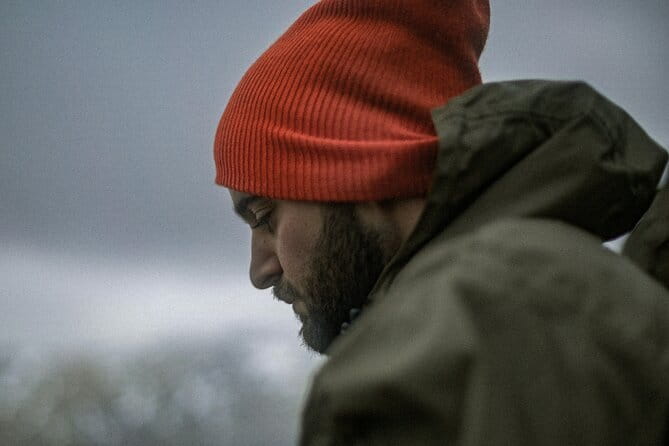
Your final major stop is Pashupatinath Temple, located on the bank of the holy Bagmati River. This is an ancient sacred site, and it’s famous for how it blends Nepal’s cultural practice around life, body, and what comes after.
The description highlights ideas of soul and body as separate entities, which gives you a theme to watch for while you’re there. Even if you do not catch every spoken explanation, your guide’s context helps you interpret what you see instead of treating it like a scenic stop.
Why I think this one is worth your time on a tight schedule: it anchors the day’s bigger theme. Up to this point, you’ve visited Buddhist and Newar cultural space. Pashupatinath brings the story into Hindu ritual and riverbank religious life.
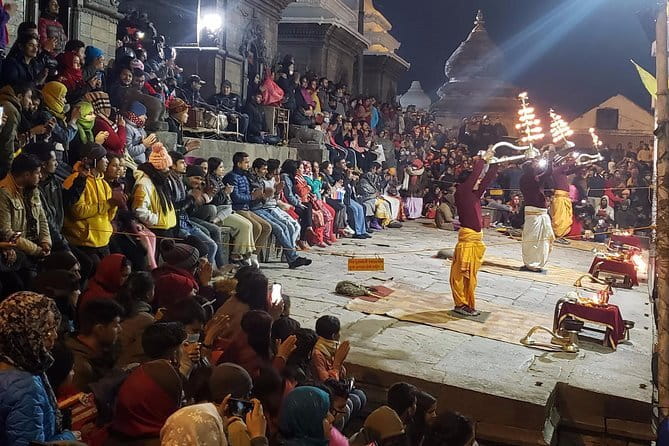
A balanced caution: this is a site where worship continues as you arrive. You should expect emotion and ceremony, plus people moving around close to temple areas. Keep a respectful distance, follow your guide’s instructions, and avoid blocking others’ views of the ritual areas.
A few more Kathmandu tours and experiences worth a look
Price and Logistics: What $40 Buys You (and What You’ll Still Pay)
The tour price is $40.00 per person, and it includes:
- Private transportation
- A highly experienced cultural guide (English in-person, with English audio support)
That combination is usually where value is hiding. In Kathmandu Valley, transport is often the difference between a smooth day and a frustrating one. Paying for private rides plus a guide means your time stays focused on the sites instead of getting stuck in route planning.
Now for the part you should budget carefully: entrance fees are listed as not included, with a note that you’ll likely pay entrance fees for monuments yourself, around $20 per person. At the same time, the stop details show “admission ticket free” for each location. Since the day clearly warns about entrance fees being paid by you, treat this as the more reliable budgeting item. Bring some cash and be ready to pay at the site if required.
Other logistics to keep in mind:
- Start time is 9:30 am, so you’ll want to be ready early.
- The experience requires good weather. If conditions are poor, you should expect a reschedule or a full refund.
- It runs about 7 hours, which is a lot for temples. Plan your evening meal close to your lodging so you are not scrambling afterward.
Who This Tour Suits Best in Kathmandu
This tour works best if you want a structured day that still feels personal. Because you’re using private transportation and an English-speaking cultural guide, it’s a strong choice for:
- First-timers who want a clean overview of major spiritual sites in the Kathmandu Valley
- People who prefer explanation over aimless wandering
- Anyone traveling with limited time, because you hit four big landmarks in one go
It is also a decent match if you care about culture and tradition as lived practice, not as a museum display. The tour is designed around guided context, and the top-rated feedback emphasizes how much the guide’s passion improves the day.
If you already know Kathmandu’s big temples and want total freedom, you might prefer to go on your own. But if your goal is learning fast and moving efficiently, this is built for you.
Should You Book This Kathmandu Valley Full-Day Tour?
I’d book this if you want a guided route that connects Buddhist and Hindu sacred sites in one logical day, with private transport and strong English interpretation. The guide praise is consistent, especially the mention of Manish and his engaging approach to religion and culture.
I would think twice if you hate walking on uneven ground or if you have tight timing later that depends on perfect weather. Also, since entrance fees are not included, you’ll want to budget that extra $20 per person so there are no surprises when you arrive.
If your travel style is to learn while you see, not just take pictures, this tour is a solid value at $40 and a practical way to understand Kathmandu Valley fast.
FAQ
What is the duration of the Kathmandu Valley full-day tour?
It lasts about 7 hours.
What time does the tour start?
The start time is 9:30 am.
Is pickup available?
Pickup is offered.
Does the price include a guide and transportation?
Yes. It includes private transportation and a cultural guide in English, with English audio support.
Are entrance fees included in the tour price?
No. Entrance fees for the monuments are payable by you, listed as $20 per person.
What happens if the weather is bad?
The experience requires good weather. If it is canceled due to poor weather, you’ll be offered another date or a full refund.
More Full-Day in Kathmandu
More Tickets in Kathmandu




More Tour Reviews in Kathmandu

Not for you? Here's more nearby things to do in Kathmandu we have reviewed


Tickets, compared.
 ★ 4.0Kathmandu to Pokhara Tourist Bus Tickets reservationFrom $2225 reviews
 ★ 4.0Kathmandu to Pokhara Bus Ticket- SofaFrom $2124 reviews
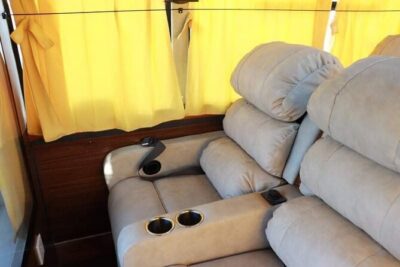 ★ 4.5Kathmandu to Pokhara VIP Sofa Bus TicketFrom $1219 reviews
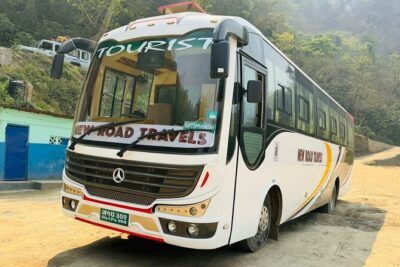 ★ 4.0Kathmandu to Pokhara Premium sofa bus ticketFrom $1117 reviews
 ★ 4.0Kathmandu to Pokhara Luxury Bus Ticket – Easy & Reliable BookingFrom $228 reviews
 ★ 4.0Tourist Bus Tickets: Kathmandu to Chitwan or Chitwan to KTMFrom $147 reviews
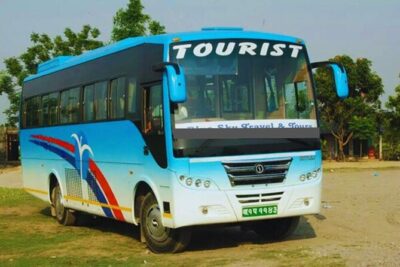 ★ 3.5Tourist Bus Tickets: Kathmandu to Pokhara or Pokhara to KTMFrom $165 reviews
 ★ 3.8One-Way Flight Ticket to Pokhara (KTM-PKR)From $1304 reviews