REVIEW · KATHMANDU
Experiential Career Break trip to Nepal for Gap year and Sabbatical travelers
Nepal has a way of resetting your pace fast. This 9-day career break trip weaves big-name spiritual sights with smaller places, plus day hikes that feel more like time with people than time on a checklist. It’s built for gap-year and sabbatical travelers who want meaning, not just photos.
Two things I really like about this style of itinerary: the mix of Hindu and Buddhist places in one flow, and the repeated return to monasteries and villages, not just passing through. I also like that it is private and includes pickup, so you spend less time organizing and more time actually being there.
One possible drawback to consider: the pace can be active. Several days include 3 to 6 hour hikes and long walking days around Kathmandu sites, so you will want decent walking stamina. Also, if you strongly prefer an English-first guide, double-check that in advance, because a past guest raised an English communication concern.
Key moments that make this trip feel different

- Bajrayogini Temple stop for a less common spiritual visit alongside the big stupa circuit
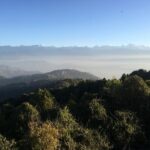
- Nagarkot viewpoint hiking trail plus village time, not just a roadside photo stop
- Namo Buddha monastery days with meditation and learning monks’ daily routines
- Panauti Village and Panauti Museum for 15th-century temples and local craft work
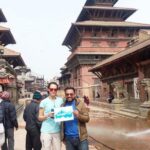
- Bhaktapur Durbar Square with Nyatapola Temple as a standout architecture moment
A career-break style Nepal itinerary, not a race

This trip is designed for people with time to slow down. You are not bouncing from one “must-see” to the next with no breathing room. Instead, you get a rhythm: sightseeing in Kathmandu, then gradual movement into the hills, then back to heritage towns.
What makes it appealing for sabbatical or gap-year travelers is the balance between spiritual and human-scale moments. One day you’re at major pilgrimage sites. The next, you’re hiking through villages and spending time in monastery routines. It feels like the country is meeting you halfway, not just you rushing past it.
You also get the practical benefit of a private setup with private transportation and pickup offered. In Kathmandu traffic, that matters. It means fewer stress moments and more energy for the next stop.
You can also read our reviews of more tours and experiences in Kathmandu.

Value check: what $980 includes (and what you should budget extra)
At $980 for roughly 9 days, you are paying for more than sightseeing. The package lists private transportation, all fees and taxes, and a lot of meals. You get breakfast 7 times, lunch 6 times, and dinner 6 times.
That meal coverage is underrated value in Nepal, because it reduces the “where should we eat today?” friction. It also helps keep your days consistent when you are moving between Kathmandu and the hills.
There is one small thing to watch: the itinerary notes that Kathmandu Durbar Square has an admission ticket that is not included, while other sites like Hanuman Dhoka are listed as ticket included. So, expect that you might pay for that specific square.
Not included is also clearly stated: travel insurance and personal expenses. So plan your own travel protection and keep a small buffer for souvenirs, extra drinks, and any snacks between walks.
Getting your bearings on Kathmandu: Swaymbhunath, Hanuman Dhoka, and Asan
Kathmandu Day 1 hits key spiritual landmarks and then grounds you with street life. The day starts at Swaymbhunath, also known as Monkey Temple, a religious stupa atop a hill in the Kathmandu Valley. This site is old, with consecration recorded around the early centuries (about 464 to 505 CE), and it has been renovated many times. That gives you a strong sense that you are stepping into something layered, not brand-new.
Next comes Shobha Bhagawati Bridge, a pagoda-style shrine dedicated to Hindu goddess Bhagawati, with Dashain as a big celebration period. Nearby, you also get those smaller visual cues of local devotion that you might miss if you only focus on the headline stupa.
Then the tour moves into heritage streets around the UNESCO zone: Kathmandu Durbar Square, plus spots like Kumari Chowk (the living goddess Kumari) and Hanuman Dhoka as a historical museum of the Katntipur kingdom. Even when you only have short time at each stop, you get the idea of how religion, royalty, and everyday city life overlap in Kathmandu.
One practical win on this day is the mix of short entry sites and walking. You finish with Asan, a walking street market where you can see local fruit, vegetables, dried vegetables, meats, fish, and pickles. It’s a simple way to understand how people actually eat and shop, not just what temples look like.
Drawback to keep in mind: Kathmandu days can mean stairs and uneven paths. Wear supportive shoes and expect some crowds around the most famous sites.
Boudha, Bajrayogini, and the Jarsing Pauwa viewpoint hike

Day 2 swings you from Kathmandu’s heritage core into the wider spiritual world. You start at Boudha, described as the world’s largest Tibetan Stupa, with monasteries and a thangka painting school around it. When you walk through this area, the prayer rhythm shows up fast: the itinerary even calls out the chant phrase Om Mane Padhme Hum, plus colorful praying flags.
Then comes a standout for people who want something less expected: Bajrayogini. The tour describes it as very strong woman, combining Bajra (strong) and Yogini (female yogi). It also says the story is explained locally, with proof of the narrative from the area. Translation: you get more than a name on a sign. You get local context.
After that, you hike up to Jarsing Pauwa View Point. It is not a big mountain expedition in the schedule, but it is a genuine hill climb where you get panoramic views and a sense of how Kathmandu’s valley sits under the surrounding ridgelines.
Why this pairing works: you get day-long contrast. Morning is prayer-space and art culture. Later is a breath-of-air viewpoint hike. That mix is great if you want your days to feel varied, not repetitively religious or repetitively active.
Nagarkot panoramic hiking trail to Ghimire Gaun village life
Day 3 begins with the Nagarkot Panoramic Hiking Trail. Nagarkot is one of the most popular hill stations near Kathmandu, and the route is set up to pass villages, hills, terrace fields, and woods. The schedule includes about an hour of hiking time to reach the area.
You then move from the viewpoint into more human-scale time with Ghimire Gaun. After enjoying the sunset view from Nagarkot, the itinerary includes a hike to the village and a village stay experience. This is where the trip starts to feel like a real career break, because you are not only sightseeing. You are living the slower cadence of a village day, even if it is only for a short time.
Practical note: village visits can mean limited amenities compared to Kathmandu. The upside is that you get something more direct than a bus-window view.
Tukucha Nala monastery circuit and the Dhulikhel hillside hike
Day 4 starts with Tukucha Nala and a monastery area with several historical local temples. The itinerary specifically says locals guide you around and explain interesting facts, then you wander through virgin and hidden places near the village. The time block is about 5 hours.
After that, you shift into motion again with the Nagarkot to Dhulikhel hiking route. The schedule estimates about 3 hours, via villages and valley greenery. On a clear day, you can see mountains in the backdrop, though the itinerary does not promise perfect visibility, so keep weather flexibility in mind.
Why I like this day: it keeps momentum without turning everything into a grind. You get a temple-and-temple-corners day first. Then you get a graded hillside hike later, which feels more like part of your travel story.
Namo Buddha monastery mornings with the monks, days 5 and 6

This is the spiritual center of the trip, at least in spirit and schedule. You head to Namo Buddha from Dhulikhel, with the hike described as taking about 4 hours. The monastery is the Thrangu Tashi Yangtse Monastery area, and the itinerary focuses on learning the life of monks there.
Day 5 includes spending tranquil time at the monastery with monks. The plan also points to how you learn, rather than just watch: it’s set up to help you understand monastery life.
Day 6 keeps you at Namo Buddha. In the morning, you enjoy mountain panorama, then descend to a nearby village for a morning hike with the monks. Afterward, you return to the monastery to learn the monks’ daily lifestyle, including meditation. The day’s time block is about 6 hours.
If you want a travel experience that feels like it changed you a little, this is the part that can do it. Not because it is dramatic. Because it is repetitive and calm. You are there long enough to recognize routine.
Footwear and weather: these monastery days may include changing light and potentially muddy paths after rain. Bring shoes you can trust.
Panauti’s 15th-century temples and the Panauti Museum craft stop
Day 7 gives you a break from big stupa energy and brings you into the texture of Panauti Village, described as a historical town with temples dating to the 15th century. The itinerary says there are 40 iconic temples dedicated to different deities. It’s set up for about 3 hours of exploration in streets and houses.
After you walk through the temple density, you shift to Panauti Museum inside the Indreshwor Temple. The museum stop is about 2 hours and highlights mastery of stone and wooden arts evolved in the community.
This combination is a smart way to avoid getting temple-fatigued. You see the buildings and then you see the making, which helps the whole thing click. Even if you do not love museums, it adds context.
Bhaktapur City of Devotees and Durbar Square with Nyatapola
Day 8 takes you to Bhaktapur, described as City of Devotees, with a strong Newari town feel. The schedule includes about 3 hours to experience heritage streets, culture, food, tradition, and history.
Then you move into Bhaktapur Durbar Square, a UNESCO World Heritage Site with impressive temples and architecture. The itinerary calls out Nyatapola, a five-storied temple, as a major highlight. The Durbar Square visit is about 2 hours, and the structure of the stop is straightforward: walk the square and let the architecture do the work.
What to watch for: Bhaktapur is popular. You’ll want to keep your pace comfortable and avoid rushing. This is one day where being calm is part of getting value out of the visit.
Your final day in Kathmandu for freedom and last-minute finds
Day 9 is intentionally lighter in structure. You spend the day in Kathmandu as you wish, with about 2 hours of time in the plan. This is where you can revisit your favorite neighborhood, find a specific shop you noticed earlier, or simply slow down after the hills.
Because most of your itinerary already covers the major historical and spiritual highlights, this last-day freedom is useful. It lets your trip end in your own style instead of one more guided stop.
Who this trip fits best, and who should think twice
This experience fits best if you are a gap-year or sabbatical traveler who wants a meaningful blend: spiritual sites, village life, and small-but-real hikes. It is also a good fit if you like having a plan but still want time to breathe, because several days have long blocks at monasteries and in towns.
You should think twice if you struggle with longer walking days and multi-hour hikes. The itinerary includes several hike days and extended monastery time. The tour says most travelers can participate, which is encouraging, but “most” still means you should assess your own stamina honestly.
It is also worth considering your communication needs. One past guest reported that the tour guide could not communicate in English, which can be a real issue if you want detailed explanations. If English is important for you, confirm that clearly before you go.
On the plus side, other feedback about this operator includes praise for coordination and experienced guides and drivers, plus mention of punctuality in at least one case (Dinesh Karki was specifically credited). That kind of reliability matters on a schedule with multiple travel and hiking segments.
Should you book this Nepal career break tour?
If you want Nepal with more calm and connection than a standard highlight tour, I think this is a strong choice. The biggest reasons are the repeated monastery days, the unusual feel of Bajrayogini, and the way the trip shifts between Kathmandu heritage and hill-village life instead of staying in one zone.
Before booking, do two quick checks. First, assess your comfort with 3 to 6 hour hiking blocks and long walking days. Second, confirm your guide language needs, so you get explanations you can actually use, not just a driver and a driver’s interpretation.
If those two boxes work for you, this itinerary is the kind that can follow you home, because it gives you more than sights. It gives you routines, stories, and quieter moments that do not rush past.
FAQ
How long is the Nepal experience?
It runs for about 9 days (approx.).
How much does the tour cost?
The price listed is $980.
Where does the tour take place?
The tour is based in Kathmandu, Nepal, and includes trips to places around the Kathmandu Valley and nearby hills.
Is pickup offered?
Yes, pickup is offered.
What meals are included?
Breakfast is included 7 times, lunch is included 6 times, and dinner is included 6 times.
Are entrance fees included?
The package includes all fees and taxes, but the itinerary notes that Kathmandu Durbar Square admission is not included.
What is included in the trip logistics?
Private transportation is included.
What is not included?
Travel insurance and personal expenses are not included.
Is cancellation free?
Yes, free cancellation is available. You can cancel up to 24 hours in advance for a full refund.
What kind of travelers can participate?
The information says most travelers can participate.