

REVIEW · BHAKTAPUR DAY TOURS FROM KATHMANDU
Bhaktapur: Experience the Art of Clay, Curd, and Chant
Clay first, then chant.
This half-day in Bhaktapur strings together three things that rarely share the same afternoon: making pottery, eating the city’s famous jujudhau (king curd), and finishing with a temple bhajan with local devotees. I really like how hands-on the pottery part feels, and how it connects you to daily Newar life instead of just posing for photos.
You’ll also get a guided loop through Bhaktapur Durbar Square, a UNESCO World Heritage Site, plus a chance to taste regional food and do some shopping before the evening music. The one thing to consider is timing: the traditional temple bhajan is only available on evening time slots, so plan your day in Kathmandu accordingly.
Key things to love about this Bhaktapur experience
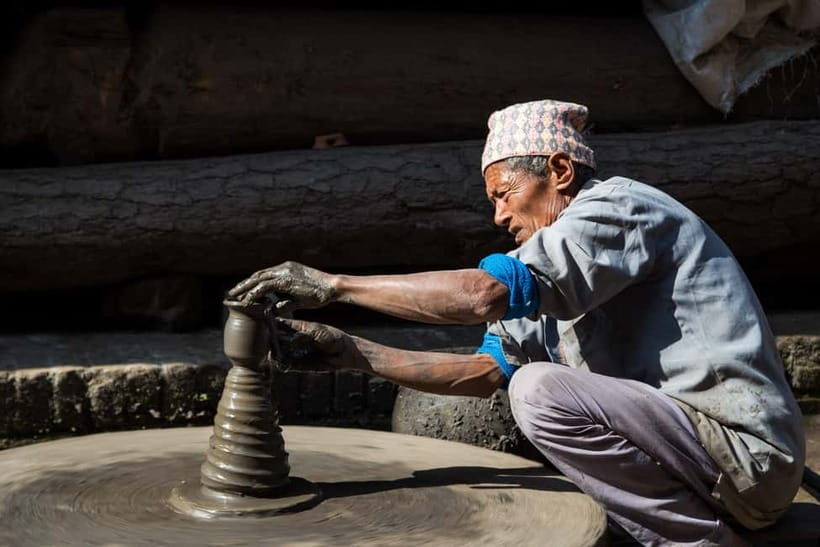
- Hands-on pottery-making with local artisans, led as a true workshop, not a quick demo
- Jujudhau king curd served as Bhaktapur’s iconic sweet, in a traditional clay bowl
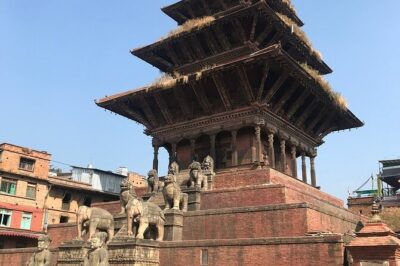
- Guided UNESCO walk through Bhaktapur Durbar Square with structured sightseeing and photo stops
- Traditional bhajan at a local temple with local devotees, available only in the evening
- Private transportation and an English-speaking guide, with multiple language options too
Bhaktapur in One Afternoon, Clay First, Temple Chant Last
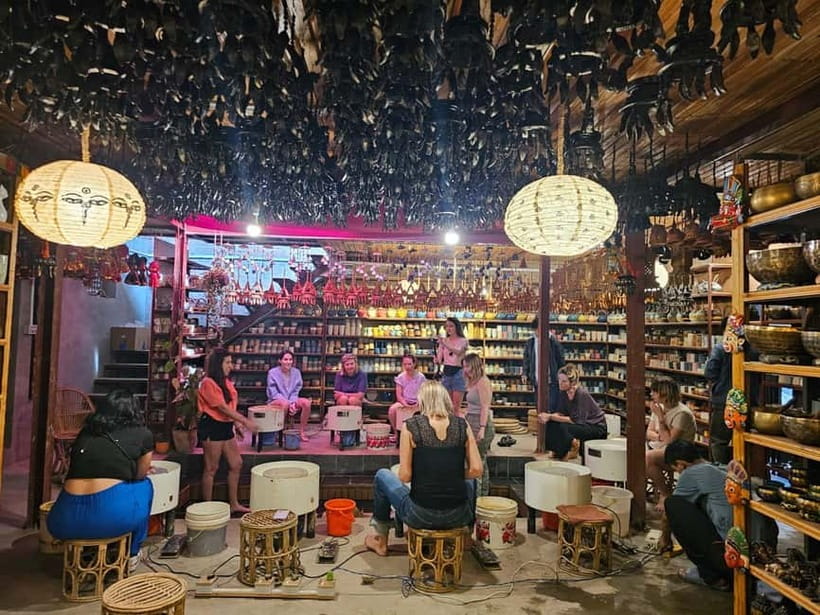
Bhaktapur has a way of slowing you down, even when your schedule is tight. In about 4.5 hours, you get a smooth arc: arrival, a practical workshop, a classic food stop, a guided heritage walk, and then a temple evening that turns the whole experience into something more reflective than just sightseeing.
What makes this itinerary work well is the variety. You’re not bouncing between unrelated stops. The pottery session sets a tactile, hands-on tone. The jujudhau gives you a real taste of Bhaktapur’s identity. The Durbar Square walk grounds it in place and architecture. And the bhajan wraps it all in sound, rhythm, and local devotion.
If you like your travel to feel lived-in, this is the kind of plan that delivers. It also suits people who want Bhaktapur without committing to a full day on the ground.
You can also read our reviews of more tours and experiences in Kathmandu.


The Kathmandu Pickup and the Ride to Bhaktapur
The day starts with pickup in Kathmandu and private transportation to Bhaktapur, with you returning back to Kathmandu at the end. That matters more than it sounds. Bhaktapur is close enough that you can do it as a half-day, but traffic, checkpoints, and timing can still get messy if you’re relying on public transport.
With private transfer, you keep the flow. Your guide can get you oriented before you step into the heritage core, and you avoid losing time to logistics. You’ll typically get a photo stop and guided time at the start at Bhaktapur Durbar Square, so you’re not wandering in first, stressed and unsure what matters most.
Bhaktapur Durbar Square: Photos, Heritage, and a Guided Pace
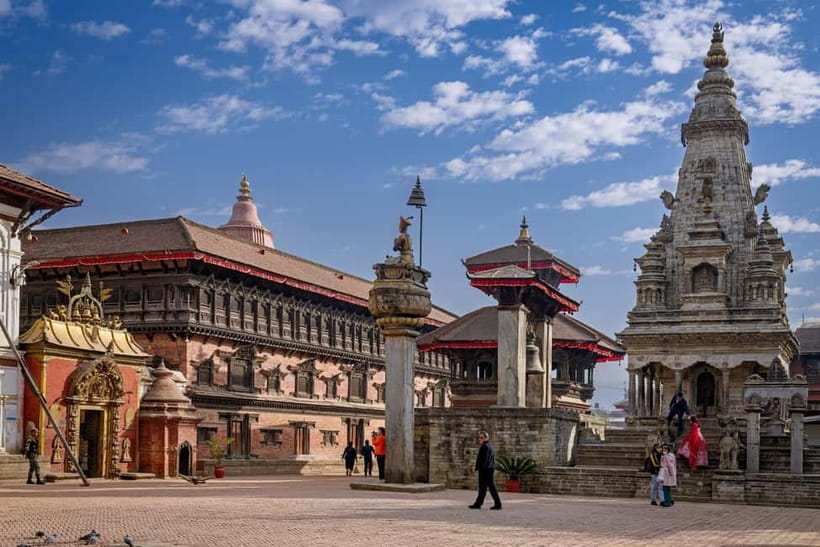
Once you’re in Bhaktapur, you begin at Bhaktapur Durbar Square with a mix of photo time, sightseeing, and a guided tour. This part is the heritage backbone of the entire experience, since it places you inside a UNESCO World Heritage Site.
A guided format helps here because Durbar Square is full of details. Even if you’re not a hardcore architecture person, having someone point out what to notice saves your energy. You can focus on what you’ll remember later: the layout, the feel of the complex, and how the spaces connect.
You also get a second stop back at Bhaktapur Durbar Square later in the day, this time with food tasting and more sightseeing. That keeps the day balanced: you see the main place first, then return with a different purpose, which feels more satisfying than a single pass.
Pottery Square Workshop: Making Something Real With Your Hands
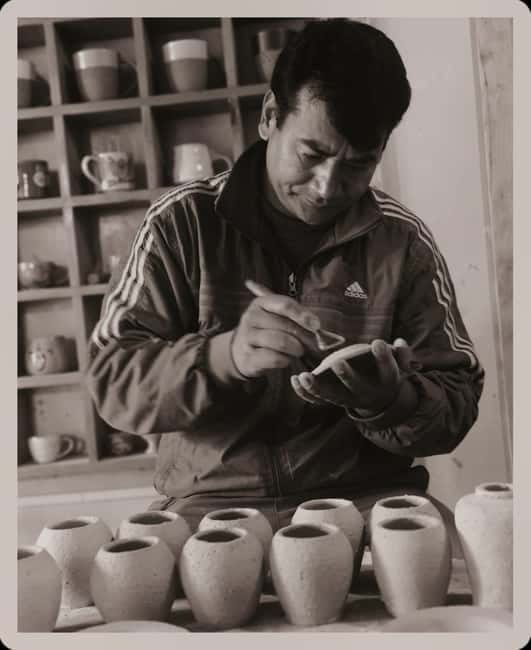
The star activity is the guided pottery-making workshop, held in Bhaktapur’s pottery area (you’ll specifically spend your workshop time around Pottery Square). This is not just watching. You’ll shape clay using traditional techniques alongside the people who do this work locally.
The session lasts about 1.5 hours, which is a great length for most visitors. Long enough for you to feel progress, short enough that it doesn’t swallow your afternoon. And because it’s a workshop with local artisans guiding the process, you’re not left guessing what you’re doing.
What I like about this kind of activity is that it changes how you experience the city afterward. When you’ve worked with clay, you start noticing craft elements in the streets and buildings. Even if you only make one piece, you gain a new lens.
Practical consideration: pottery workshops can involve mess and clay dust. If you care about keeping clothes spotless, wear something you’re comfortable getting a little dirty.
Jujudhau King Curd: The Food Stop That Feels Like a Tradition
After the workshop, you get to taste Bhaktapur’s most iconic sweet: jujudhau, also known as king curd. It’s served in a traditional clay bowl, which is more than a presentation detail. Clay bowls help with the whole eating experience because they align with how the dish is meant to be served and enjoyed.
You’re tasting it as part of the guided flow, so you’re not just grabbing dessert on your own. The guide keeps the moment contextual, which helps you understand why it’s famous in Bhaktapur.
This is the part of the day that most people remember because it hits your senses immediately: creamy texture, sweet flavor, and that distinctive local identity. If you like food experiences that feel tied to a specific place, this delivers.
One thing to consider: if you avoid dairy or sweets, this stop might not be your favorite. But if you’re open to trying local specialties, it’s a core reason to come.

The Second Pass at Durbar Square: Food Tasting and Shopping Time
Later, you return to Bhaktapur Durbar Square again, this time with regional food tasting and some time for shopping. This is a good rhythm. You see the heritage site twice, but each time has a different role: one is orientation and photos, the other is flavor and browsing.
The shopping window matters because Bhaktapur is known for crafts, and you’re already in that headspace from the pottery workshop. It’s easier to shop thoughtfully when you understand the craft side of the city. You’re not just buying souvenirs, you’re buying items that match what you experienced earlier.
For food, the key value is variety without pressure. You get guided tasting, which usually means you’re more likely to sample representative items instead of randomly choosing what looks good. You can also pace yourself since it’s built into the structured itinerary.
Evening Bhajan at a Local Temple: Folk Music With Local Devotion
The day ends in a very different emotional register: a traditional evening bhajan at a local temple with local devotees.
Two practical notes stand out from the tour info. First, this bhajan experience is only available for evening time slots. Second, it’s not a stage performance. It’s community music with people chanting and singing together, which changes how it feels.
The value here is that it rounds out the earlier parts of your day. Pottery gives you hands-on tradition. Jujudhau gives you culinary tradition. Durbar Square gives you visual heritage. The bhajan gives you the sound and spiritual atmosphere that ties it all together.
If you’re the type of traveler who likes your cultural moments to be calm and personal, this is the segment to prioritize. It’s one thing to watch a historic site. It’s another to end with voices rising in song and rhythm at a temple, surrounded by locals who know the experience well.
If you book an earlier slot, you should expect the bhajan may not be included. So align your schedule with the kind of ending you want.
Price and Value: What $86 Includes, and Why It Adds Up
At $86 per person for about 4.5 hours, the price can look steep at first glance if you only compare it to a city walk. But when you break down what’s included, it starts to make sense.
You’re paying for:
- Private transportation (Kathmandu pickup and return)
- An English-speaking guide
- A guided pottery-making workshop (not just a demonstration)
- Taste of jujudhau in a traditional clay bowl
- Guided Bhaktapur Durbar Square sightseeing with UNESCO focus
- Food tasting during the itinerary
- A traditional evening bhajan with local devotees (for evening slots)
That’s a lot of guided, experience-based content for a half-day. The workshop alone typically takes time and local coordination. The food tasting adds value because someone is guiding you to the right dishes instead of leaving you to guess. And the private transfer is usually what keeps a half-day plan from turning into a half-day of waiting around.
So for the type of traveler who wants culture plus direct participation, this feels like a fair package. For someone who only wants scenic walking and photos and plans to eat separately, it could feel like you’re paying for things you might not use. The best way to decide is to ask yourself if you want pottery and the temple music, not just the Durbar Square views.
What This Tour Feels Like on the Ground
This is not a rushed bus tour. The structure makes sense for a short stay: you start with guided orientation, you do the hands-on workshop in the middle, and you end with a cultural evening.
You also get a small but important layer of trust from how it’s run. One verified booking highlighted how smoothly the Maya Trips team handled communication and punctuality. That’s the kind of practical detail that matters when you’re trying to enjoy a half-day and not worry about delays.
Another standout from the feedback: the guide’s ability to speak authentically about Bhaktapur. That’s huge for this type of experience. When your guide understands the culture from the inside, you usually get better context for both the craft and the food.
Who Should Book This (and Who Might Skip It)
This tour is a great fit if you:
- Want a hands-on craft experience instead of passive sightseeing
- Like food that’s tied to a specific town and tradition
- Care about ending your day with something local and quieter, like a temple bhajan
- Prefer a guided UNESCO visit with structure and photo stops
You might want a different option if you:
- Don’t plan to do pottery or you dislike hands-on activities
- Avoid dairy or sweets, since the jujudhau taste is a core stop
- Are traveling on a schedule that doesn’t allow an evening slot for the bhajan
Practical Tips to Get More From Every Segment
A few small things can make a big difference in Bhaktapur, especially when you combine walking, crafts, and temple time:
- Wear comfortable shoes for Durbar Square walking.
- Dress modestly for the temple segment, since you’ll be in a local religious setting.
- If you’re sensitive to time, aim to arrive ready for pickup and expect the itinerary to run tightly since it’s built as a half-day flow.
- Bring a light layer, even in warmer months, because evenings near temples can feel cooler.
These are general travel habits, but they match the day you’re signing up for.
Should You Book Maya Trips in Bhaktapur?
I’d book this if you want Bhaktapur to feel personal, not staged. The combination of pottery workshop, jujudhau king curd, Durbar Square UNESCO sightseeing, and an evening temple bhajan is unusual in a good way. It’s not just “see and leave.” It’s “make, taste, listen, and understand the place.”
Book it especially if pottery or the bhajan sounds like your kind of cultural travel. If you only want the visuals and none of the hands-on or evening music, you’ll probably feel the cost more sharply.
FAQ
How long is the Bhaktapur clay, curd, and chant experience?
It lasts about 4.5 hours.
Where does the tour start and end?
Pickup is in Kathmandu, and the tour returns you back to Kathmandu.
What is included in the price?
The tour includes private transportation, an English-speaking guide, a guided pottery-making workshop, a taste of jujudhau (king curd), guided sightseeing at Bhaktapur Durbar Square, food tasting, and a traditional evening bhajan with local devotees.
Do I get to make pottery or is it just watching?
You’ll join a guided pottery-making workshop where you shape clay using traditional techniques.
Is the bhajan part guaranteed?
The bhajan experience is only available for evening time slots.
What sights are covered in Bhaktapur?
You’ll visit Bhaktapur Durbar Square for guided sightseeing and photo stops, including UNESCO World Heritage Sites.
What languages are the guides available in?
The live tour guide supports Chinese, English, French, German, Italian, and Spanish.
How much does it cost?
The price is $86 per person.
Can I cancel if my plans change?
Yes, you can cancel up to 24 hours in advance for a full refund.
More Tour Reviews in Kathmandu
Not for you? Here's more nearby things to do in Kathmandu we have reviewed


Bhaktapur Day Tours from Kathmandu, compared.
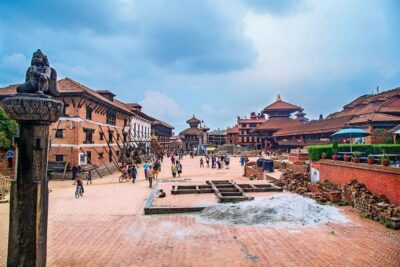 ★ 5.0Private Bhaktapur and Nagarkot Day Tour From KathmanduFrom $20305 reviews
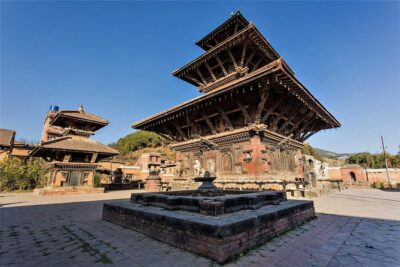 ★ 5.0Day Trip to Bhaktapur and Panauti from KathmanduFrom $34184 reviews
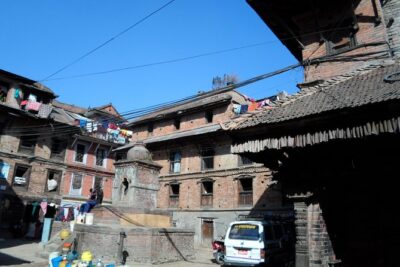 ★ 5.0Bhaktapur & Patan Durbar Square Day ToursFrom $50122 reviews
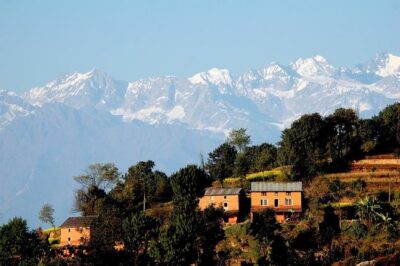 ★ 5.0Nagarkot Sunrise & Bhaktapur UNESCO Heritage Private TourFrom $5066 reviews
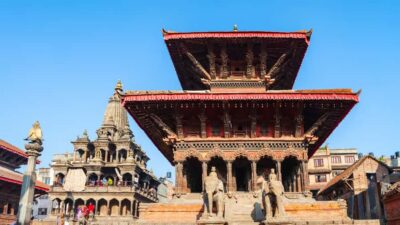 ★ 4.7Private Patan and Bhaktapur Sightseeing TourFrom $4964 reviews
 ★ 4.9Bhaktapur & Nagarkot Day Tour with Lunch – Private/GroupFrom $562 reviews
 ★ 4.0Nagarkot Sunrise & Bhaktapur Heritage Tour -Private Full Day TripFrom $6042 reviews
 ★ 5.0Kathmandu and Bhaktapur Cities Guided TourFrom $7034 reviews
Browse the lists this tour appears in